- English
- French
- German
- Portuguese
- Spanish
- Russian
- Japanese
- Korean
- Arabic
- Greek
- German
- Turkish
- Italian
- Danish
- Romanian
- Indonesian
- Czech
- Afrikaans
- Swedish
- Polish
- Basque
- Catalan
- Esperanto
- Hindi
- Lao
- Albanian
- Amharic
- Armenian
- Azerbaijani
- Belarusian
- Bengali
- Bosnian
- Bulgarian
- Cebuano
- Chichewa
- Corsican
- Croatian
- Dutch
- Estonian
- Filipino
- Finnish
- Frisian
- Galician
- Georgian
- Gujarati
- Haitian
- Hausa
- Hawaiian
- Hebrew
- Hmong
- Hungarian
- Icelandic
- Igbo
- Javanese
- Kannada
- Kazakh
- Khmer
- Kurdish
- Kyrgyz
- Latin
- Latvian
- Lithuanian
- Luxembou..
- Macedonian
- Malagasy
- Malay
- Malayalam
- Maltese
- Maori
- Marathi
- Mongolian
- Burmese
- Nepali
- Norwegian
- Pashto
- Persian
- Punjabi
- Serbian
- Sesotho
- Sinhala
- Slovak
- Slovenian
- Somali
- Samoan
- Scots Gaelic
- Shona
- Sindhi
- Sundanese
- Swahili
- Tajik
- Tamil
- Telugu
- Thai
- Ukrainian
- Urdu
- Uzbek
- Vietnamese
- Welsh
- Xhosa
- Yiddish
- Yoruba
- Zulu
Where to Buy Wholesale Aluminum Sliding Window Systems
When a lot of general builders, real estate developers, and building material distributors need reliable aluminum two track sliding window options, it's important to find a manufacturing partner who knows how to make the product work and how to manage the project. The market for wholesale aluminum sliding windows has changed a lot. Now, sellers offer knock-down assembly choices that cut down on shipping costs, customizable specs that meet local building codes, and technical documentation that makes installation easier on-site. In this guide, you'll learn where to get these systems, what to look for when buying them, and how strategic partnerships can help you save money on your next home or business project.
Understanding Aluminum Two Track Sliding Window Systems
What Defines a Two Track Sliding Window Configuration
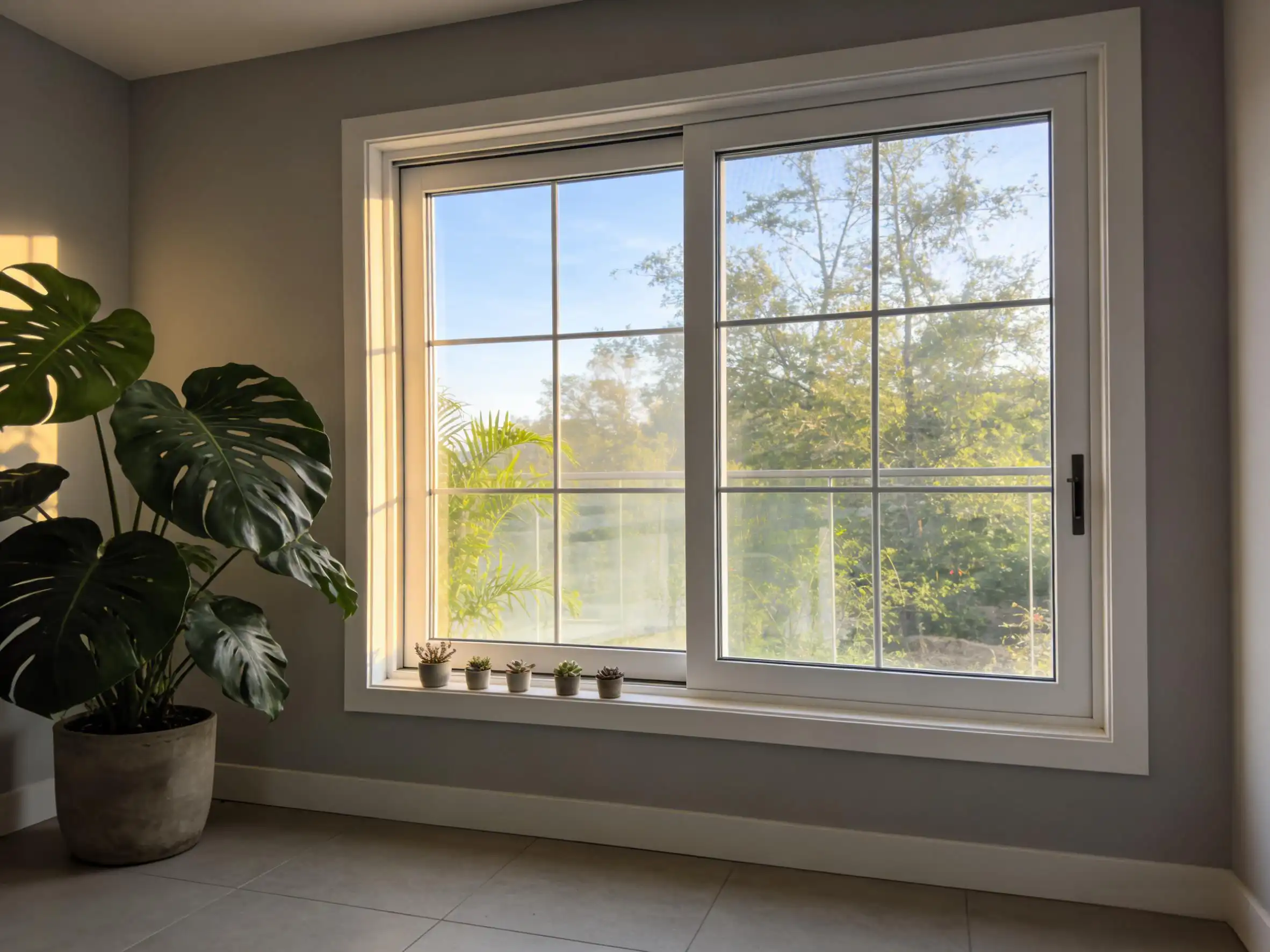
An aluminum two track sliding window has two parallel tracks inside a single frame. This lets the glass panels and bug screens move separately. The system has two different lines, one for the main glazed sash and one for the mesh screen. This way, people can slide either one without affecting the other. This set-up works well in places where air flow and pest control need to happen at the same time.
The frame extrusions are usually made of 6063-T5 aluminum metal and have walls that are between 1.4 mm and 2.0 mm thick. This makes them strong enough to withstand wind loads and impacts. Tempered or double-glazed insulated glass units fit into pockets that are held in place by gaskets. Strong nylon rollers on stainless steel axles make sure that the tracks are smoothly moved along powder-coated or anodized surfaces.
Core Benefits for B2B Buyers
Performance metrics are more important to B2B clients than fashion trends. Aluminum profiles don't rust in seaside or industrial settings, and their sizes stay the same even when temperatures change. The thin frame design lets in the most light, which is important for builders who need to meet energy rules that reward daylighting. Multi-point locking mechanisms spread out along the meeting rail offer better resistance to tampering than single-latch systems. This helps with liability concerns in commercial and multifamily projects.
Aluminum doesn't warp, rot, or need to be painted, so it doesn't need much maintenance. This lowers the lifetime costs for property owners. When Low-E coatings and argon-filled double glass are used together, they make buildings more energy efficient and help them meet NFRC thermal performance standards in the U.S. market.
Operational Mechanism and Design Advantages
The two-track layout divides the useful layers, which lets users slide the screen without moving the glass panel. This split stops binding and keeps seals from wearing out. Rollers that were carefully designed and manufactured spread the weight of the sashes evenly, so even large panels can be opened with little effort. When the head, jamb, and sill all interlock with each other, they make weathertight units that direct water to outer weep holes. This keeps rain from getting in when it's blowing outside.
Dual-channel architecture lets thicker insulated glass units fit without reducing clearance compared to single-track designs. Aluminum has a higher tensile strength than vinyl alternatives, which means that the sashes can be bigger and the sight lines can be thinner. These technical benefits lead to fewer service calls, longer product life, and happier tenants, all of which are important metrics when your reputation depends on completing a project on time.
Wholesale Purchasing Considerations for Aluminum Two Track Sliding Window Systems
Identifying Trustworthy Manufacturers
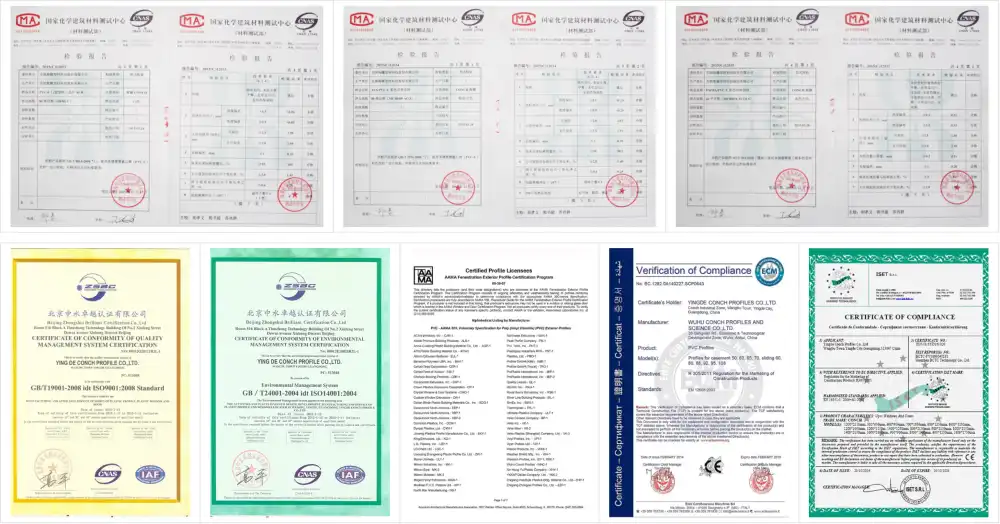
Reliable sellers keep their ISO 9001 quality management certifications up to date and test their goods against AAMA/WDMA/CSA 101/I.S.2/A440 standards by a third party. Look over factory audit reports that list the capacity of the extrusion line, the accuracy of the CNC cutting, and the automated corner-crimping equipment. Well-known brands put out case studies with successful installations in climates that are similar to your target market.
These show how well the material works in real life. Ask distributors or workers who have finished bulk orders for references to make sure you have experience exporting. In 2026, new companies may offer affordable prices, but partners with more experience offer technical support, such as thermal modeling and structure load calculations, that lowers project risk during the inspection and permit phases.
Cost Analysis and Pricing Variables
The wholesale price of aluminum two track sliding windows depends on the shape series (70, 80, or 90 mm sill depth), the finish type (mill, powder coat, or anodized), and the type of glass (single tempered, double-glazed, or Low-E). Tier pricing is based on the amount of an order, with big savings for container-load numbers. Customization, like non-standard colors, hardware changes, or custom sizes, costs more in production and setup fees but makes it possible to stand out in bid situations where competition is high.
Compare the unit cost to the warranty terms. A slightly higher price from a maker that promises the finish for ten years and offers fast replacement parts can lower the total cost of ownership. Ask for detailed quotes that break down the costs of materials, finishing, hardware, and packaging so that you can compare suppliers on an equal level.
Supplier Value-Added Services
Check not only the quality of the product, but also the logistics and technical support available. When manufacturers offer knock-down (KD) packaging, they ship the frames, sashes and hardware separately. This makes the container cube smaller by up to 30 percent, which saves money on freight costs. This flexible method also makes it easier to clear customs and move things around on the job site. Your investment is safe with pre-shipment services like third-party inspection, custom labeling, and project-specific packaging.
After the product is delivered, customers should be able to access installation guides, video tutorials, and technical support staff who can help with problems in the field. Lead times are cut shorter by suppliers with North American warehouses or distribution partnerships. This lets just-in-time delivery work with building plans. These add-ons make capable partners different from transactional vendors.
How to Choose the Right Aluminum Two Track Sliding Window System for Your Project
Defining Project-Specific Procurement Criteria
First, write down the opening's size, any color or finish choices, and any performance needs (U-factor, Solar Heat Gain Coefficient, air leaks). To find out what levels are required, look at your local building codes, such as the Florida Building Code, California Title 24, or the International Energy Conservation Code. Make it clear if the job needs fire-rated parts, impact-resistant glazing, or acoustical grades to reduce noise. Make it clear how the fitting will be done: into rough openings that are already there, or into new building with built-in flanges.
Get feedback from technical staff who check if the structure will work, buying managers who talk about payment terms, and project managers who make sure that delivery goals are met. This cross-functional alignment stops design change and makes sure that the aluminum two track sliding window system chosen meets goals for operations, finances, and compliance.
Material Trade-Offs and Data-Driven Comparisons
Aluminum is stronger than vinyl when it comes to weight, which lets it have thinner profiles and bigger glass areas. Vinyl is not as good at transferring heat, but with the right design, thermally broken aluminum frames can get U-factors that are about the same. Wood naturally insulates, but it needs to be maintained regularly and doesn't work well in damp or salty places. Aluminum can be recycled, which helps developers get LEED points and makes the building more environmentally friendly.
Lifecycle analysis shows that aluminum systems usually have lower total costs when you add up how often they need to be replaced and how much it costs to fix them. Show these trade-offs to stakeholders using comparison tables that show how much they vary in terms of starting cost, maintenance intervals, predicted lifespan, and energy savings. This will help decision-makers use objective data to support budget allocations.
Evaluating Customization Capabilities and Product Range
When a manufacturer has their own extrusion lines and CNC machining centers, they can make custom sizes, colors, and hardware replacements without having to wait for delays caused by outsourcing. Make sure the supplier's catalogue has a variety of series with 70, 80, and 90 mm depths so you can choose the best profile for each job. Check to see if the seller has matching window products from the same profile family, such as casement, awning and fixed windows.
This will help keep sight lines uniform and make it easier to stock for future service. Ask for samples that show the quality of the finish, the strength of the joints, and how the hardware works. A partner with strong customization tools can change to changing project needs, cutting down on the need to buy from multiple suppliers and speeding up the buying process.
Installation and Maintenance Best Practices for Wholesale Buyers
Step-by-Step Installation Procedures
Checking the rough hole measurements and making sure the surface is level, plumb, and square are the first steps in a proper installation. Apply a continuous bead of sealant to the outside perimeter flange or mounting fin. Then, place the frame and use corrosion-resistant screws at intervals recommended by the maker to hold it in place. Shim the jambs to keep the reveal even and stop the frame from shifting. Hook the rollers onto the track and adjust the height with the built-in screws until the panels slide smoothly and all of the weatherstripping is in place.
Align the frame clips and snap them into the second track to attach the screens. Use low-expansion foam to seal the inside border and then add the internal trim. To make sure the fix is solid, test it for air and water according to ASTM E783 and E1105 guidelines. The supplier's detailed video lessons and illustrated guides cut down on mistakes made by installers and speed up crew training, which is very important when working on multiple job sites at once.
Maintenance Guidelines and Replacement Part Procurement
As part of regular upkeep, the tracks are cleaned every three months with a soft brush and a light detergent solution to get rid of dirt and other debris. Check the weatherstripping for compression set and replace the EPDM gaskets if they need to be in order to keep the air out. Once a year, use dry silicone spray to grease the rollers instead of oil-based items that collect dust. Check the corner joints for signs of separation and fill any gaps you find with structural adhesive.
Build a relationship with your supplier for replacement parts like screens, locks, rollers, and gaskets to keep your business running as smoothly as possible when parts wear out. Project delays can be avoided if suppliers keep popular parts in stock and ship them within 48 hours. Regular preventative maintenance protects your investment and makes tenants happier by extending the life of your systems, keeping them running efficiently, and keeping the comfort of your tenants.
Climate Adaptation and Performance Upgrades
Marine-grade anodized finishes that don't rust from salt spray are good for installations near the coast. In places where temperatures change a lot, choose thermally broken frames with nylon strips to lower the risk of condensation. Impact-resistant glass and strengthened frame profiles tested to ASTM E1886/E1996 standards are needed in areas with a lot of wind. If you need to protect against noise, like near airports or highways, you should switch to laminated acoustic glass with asymmetric IGU cavities.
Work with manufacturers who can help you with engineering to model things like thermal bridging, resistance to condensation, and how well the structure works under site-specific loads. These changes may make the unit cost go up, but they improve the building's performance, the health of its occupants, and its compliance with building codes. This makes the investment worth it because it lowers the risk of callbacks and responsibility on your aluminum two track sliding window project.
Where to Buy Wholesale Aluminum Two Track Sliding Window Systems
Top International Wholesale Suppliers
Manufacturers from China, Europe, and North America all compete in the world market, and each has its own benefits. Chinese suppliers offer low prices and a lot of products, which makes them perfect for building a lot of homes. European makers focus on precise engineering and systems that work with passive houses, which makes them appealing to projects that want to meet strict energy standards. North American producers have faster wait times and help that is closer to home, which makes logistics easier.
Check the supplier's delivery network, stocking levels, and customs broking partnerships to see if the product is available in your area. Product variety is important; sellers with a range of series, finishes, and glazing combinations make it possible to buy everything in one place. Service quality includes quick turnaround on quotes, proactive project updates, and technical support after delivery. Partners who understand project-based buying are different from commodity sellers in these areas.
Navigating Bulk Ordering Online
Keywords like "aluminum sliding window manufacturer" or "wholesale two track window supplier" are used in modern B2B procurement to find buyer websites, Alibaba shopfronts, and industry lists. Send in thorough RFQs that include details about the number, size, finish, type of glass, hardware choices, and delivery date. Before placing a production order, ask for samples to check the build quality, finish consistency, and hardware functionality.
Talk about payment terms (usually 30% down and 70% before shipping), Incoterms (FOB, CIF, DDP), and the right to inspect. Make clear wait times, which are usually 25 to 30 days from when an order is confirmed to when it is shipped, and make sure that container loads are optimized to save as much money as possible on freight for aluminum two track sliding window units.
Warranty Coverage and After-Sales Support
Full insurance terms cover problems with the way the product was made, finish wear, and tech failure. Standard coverage lasts between five and ten years, but for premium finishes, you can get longer coverage. Check the warranty's terms to see if it covers both parts and labor, or just parts. Learn how to file a claim, when replacement parts are available, and when technical support is open. Suppliers with service centers or authorized wholesalers in North America can quickly complete warranty requests, which cuts down on downtime.
After-sales support that is easy to reach by phone, email, or video chat quickly fixes problems in the field, avoiding costly project delays. Ask for proof of how long it took to resolve earlier repair claims and how satisfied customers were with the service. When a source promises to stand behind their product, it shows that they are reliable and lowers your risk, giving you peace of mind as projects grow.
Conclusion
When looking for wholesale aluminum sliding window systems, you need to carefully consider the product specs, the supplier's abilities, and the best ways to move the goods. General builders, developers, and distributors in charge of big projects value operating efficiency, durability, and energy economy, all of which are provided by the aluminum two track sliding window design. You can lower the risk of procurement and save money by giving more weight to manufacturers with proven certifications, strong customization options, and value-added services like knock-down packaging and technical support.
Comparisons based on data and open relationships with suppliers help the decision chain, which includes expert staff, buying managers, and project leads. Strategic buying not only gets you reasonable prices, but it also makes sure that your deliveries happen on time, that the installation goes smoothly, and that the assets work well over time. This sets up your projects to make money and keep people happy.
Disclaimer: To be sure of certain performance qualities, you should look at test results from the maker and certifications from a third party that are relevant to your project's area and the building code.
FAQ
What are typical lead times for bulk orders of aluminum sliding windows?
Standard production runs for aluminum two track sliding windows usually take 25 to 30 days from the time the order is confirmed until it is shipped, as long as the specs are clear and the deposit is received. Custom finishes, non-standard sizes, or special glazing may add one to two weeks to the lead time. Schedules are easier to predict for suppliers who keep enough raw materials on hand and have automated production lines.
Depending on the starting and finishing places, shipping and combining containers can take an extra 15 to 45 days. By planning buying timelines six to eight weeks before installation dates, you can account for manufacturing, shipping, and customs clearance, which lowers the chance that the project will be late.
Can aluminum two track sliding windows be customized to meet exact project dimensions?
Manufacturers with a good reputation and CNC cutting and fabrication tools often change the frame sizes, sash arrangements, and hardware locations to meet architectural plans. Color matching (using RAL or custom powder coat formulas), glass specifications (thickness, coatings, gas fills) and accessory integration (screen types, locking systems) are all things that can be changed.
By giving suppliers specific shop drawings and opening dates early on in the procurement process, buyers can make sure the project is feasible, get accurate quotes, and plan production equipment. This way, the finished units will fit openings perfectly and work as expected without having to make expensive changes in the field.
How does the energy efficiency of aluminum two track sliding windows compare to other systems?
Aluminum two track sliding windows usually have U-factors between 0.30 and 0.45 Btu/hr·ft²·°F when specified with thermally broken frames and Low-E double-glazed insulated glass pieces. Thermal break technology stops the flow of heat through the aluminum extrusions, and low-emissivity coats and inert gas fills lower losses through conduction and radiation. When compared to single-glazed or non-thermally broken systems, these changes can make thermal performance 40 to 50 percent better. This means that heating and cooling loads are lowered measurable amounts, and strict energy codes are met.
Partner with Haolv Building Materials for Your Aluminum Two Track Sliding Window Needs
Haolv Building Materials has been making specialized products for 18 years and can help wholesale buyers who are looking for reliable aluminum two track sliding window suppliers. Our ISO-certified factory uses CNC for precise cutting, automated assembly, and strict quality control at every step of the way to make sure that both home and business projects get the same high-quality results.
We make 70, 80, and 90 series systems out of 6063-T5 aluminum alloy with a profile thickness of 1.4 to 2.0 mm. These systems can have tempered or double-glazed glass and multi-point locking hardware. Our knock-down packaging cuts shipping volumes by about 30%, saving real freight savings on container loads while keeping the structure intact during transport.
With enough supplies and streamlined processes, we can ship orders in 25 to 30 days, and full-process project follow-up makes sure everything is clear. We are certified by CE, AAMA, and ISO, which means that our products meet foreign standards for how well they work and how long they last. Email our team at kristin@haolvwindows.com to get technical parameter sheets, talk about your project needs, and get a quote that fits your needs and helps you save money.
References
1. American Architectural Manufacturers Association (AAMA). AAMA/WDMA/CSA 101/I.S.2/A440-17: North American Fenestration Standard/Specification for Windows, Doors, and Skylights. Schaumburg, IL: AAMA, 2017.
2. National Fenestration Rating Council (NFRC). NFRC 100-2020: Procedure for Determining Fenestration Product U-factors. Silver Spring, MD: NFRC, 2020.
3. ASTM International. ASTM E283-04: Standard Test Method for Determining Rate of Air Leakage Through Exterior Windows, Curtain Walls, and Doors Under Specified Pressure Differences Across the Specimen. West Conshohocken, PA: ASTM, 2012.
4. International Code Council. 2021 International Energy Conservation Code (IECC). Washington, DC: ICC, 2020.
5. Aluminum Association. Aluminum Design Manual: Specification for Aluminum Structures. Arlington, VA: The Aluminum Association, 2020.
6. Construction Specifications Institute. MasterFormat Division 08 – Openings: Section 08 52 10 – Aluminum Windows. Alexandria, VA: CSI, 2018.
Fast simple channel to send demands lock favorable price for building window door bulk purchases.