- English
- French
- German
- Portuguese
- Spanish
- Russian
- Japanese
- Korean
- Arabic
- Greek
- German
- Turkish
- Italian
- Danish
- Romanian
- Indonesian
- Czech
- Afrikaans
- Swedish
- Polish
- Basque
- Catalan
- Esperanto
- Hindi
- Lao
- Albanian
- Amharic
- Armenian
- Azerbaijani
- Belarusian
- Bengali
- Bosnian
- Bulgarian
- Cebuano
- Chichewa
- Corsican
- Croatian
- Dutch
- Estonian
- Filipino
- Finnish
- Frisian
- Galician
- Georgian
- Gujarati
- Haitian
- Hausa
- Hawaiian
- Hebrew
- Hmong
- Hungarian
- Icelandic
- Igbo
- Javanese
- Kannada
- Kazakh
- Khmer
- Kurdish
- Kyrgyz
- Latin
- Latvian
- Lithuanian
- Luxembou..
- Macedonian
- Malagasy
- Malay
- Malayalam
- Maltese
- Maori
- Marathi
- Mongolian
- Burmese
- Nepali
- Norwegian
- Pashto
- Persian
- Punjabi
- Serbian
- Sesotho
- Sinhala
- Slovak
- Slovenian
- Somali
- Samoan
- Scots Gaelic
- Shona
- Sindhi
- Sundanese
- Swahili
- Tajik
- Tamil
- Telugu
- Thai
- Ukrainian
- Urdu
- Uzbek
- Vietnamese
- Welsh
- Xhosa
- Yiddish
- Yoruba
- Zulu
Best Aluminium Glass Conservatory for Outdoor Living
When searching for the best aluminium glass conservatory for outdoor living, high-end residential developers and conservatory specialists prioritize systems that balance architectural elegance with structural performance. Modern aluminium glass conservatories integrate thermal break technology, customizable Victorian and Georgian styling, and modular component delivery to minimize shipping damage while maintaining precision installation standards. These glazed extensions transform terraces, gardens, and villa courtyards into year-round living spaces that meet stringent European building codes without compromising on the timeless appeal demanded by discerning clients.
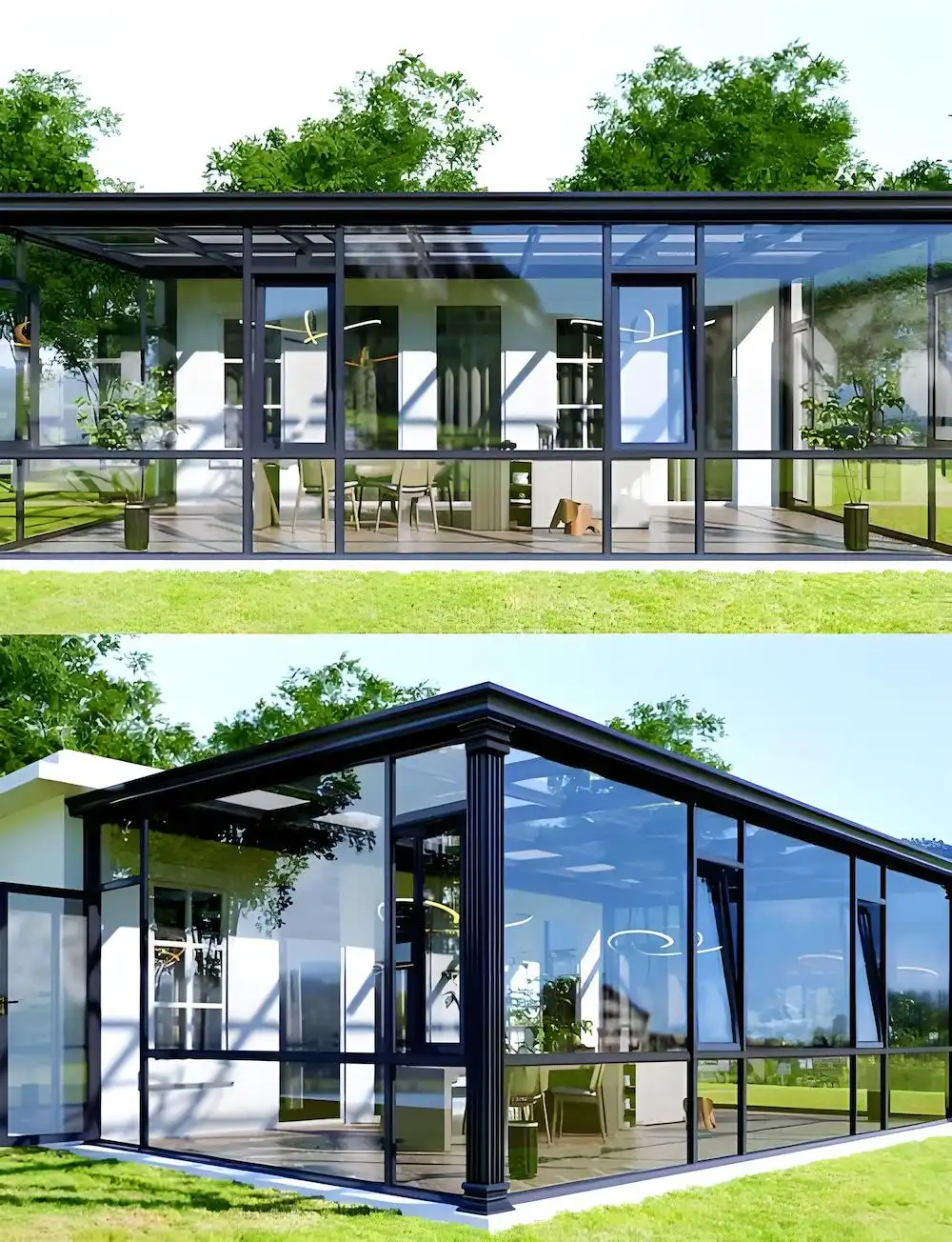
Understanding Aluminium Glass Conservatories: Features and Benefits
To build a high-quality glass extension, you need to know what makes Aluminium glass conservatory systems different from traditional wood or uPVC options. Modern conservatory building has changed a lot because of progress in material science and higher expectations for energy efficiency.
Why Aluminium Outperforms Traditional Materials
Because aluminium is strong for its weight, makers can make thin frames that make the most of the glazing area without losing structural integrity. When building big structures where visual lightness is important, this trait comes in very handy. Unlike wood, which needs to be treated regularly to keep it from rotting and bending, aluminium stays the same size even when the temperature changes and it's wet outside. The material naturally doesn't rust, but surface processes make this feature much better.
Thermal break technology fixes aluminium's insulation flaws from the past. Putting polyamide or polyurethane barriers between the inside and outside aluminium sections greatly reduces the transfer of heat. This new design, along with powder coating that meets AAMA 2604 or 2605 standards, makes it possible to get weather-resistant finishes in almost any color, from classic white and cream to wood-grain effects that meet the rules for conservation areas.
Energy Efficiency and Acoustic Performance
When paired with the right glass, aluminium conservatory systems do a great job of keeping heat in. Double-glazed units with Low-E coatings on the walls and laminated self-cleaning glass on the roofs keep rooms comfortable all year. Multi-stage EPDM gasket sealing systems stop air from getting in while laminated insulating glass lowers noise by 30 to 45 decibels, which is very important for homes near busy roads or flight paths.
Aluminium's ability to be recycled adds value beyond the time it is installed. The material can be recycled many times without losing any of its quality. This is in line with sustainability goals that are becoming more important to both planning authorities and end users.
How to Choose the Best Aluminium Glass Conservatory for Your Project
To choose the right method, you have to look at a number of interconnected factors that affect both the short-term success of the project and the long-term happiness of the client. When spending limits and performance standards are weighed against each other, procurement managers often have to make tough choices regarding the Aluminium glass conservatory specification.
Design Styles and Architectural Compatibility
Classic conservatory styles include lean-tos for small areas, Victorian styles with fancy ridge crestings and finials, Edwardian styles with rectangular floor plans, and gable-fronted conservatories that look good on older homes. Each style needs a certain kind of aluminium shape. Victorian conservatories are very popular in Britain, so makers need to be able to make decorative extrusions that look like they are made of cast iron but still meet current performance standards.
Orangeries are a mix of different styles. They have more stonework than straight conservatories, but they still have a lot of glass. These buildings usually have heavier aluminium sections and might have columns inside. This makes them good for people who want something in between a regular extension and a full glass structure.
Technical Specifications That Matter
Wall width has a big effect on how much weight it can hold and how long it will last. Aluminium profiles with a thickness of 2.0 mm to 4.0 mm are used as the main structural elements in professional-grade systems. This standard is very important when figuring out wind load resistance—good systems can handle forces equal to Grade 12 typhoons, which are about 118–149 km/h of steady winds.
Another choice is the type of glazing for the roof. With photocatalytic coatings that break down biological dirt, self-cleaning glass doesn't need as much upkeep. Rain then washes away the dirt. Insulated panel roofs made of polycarbonate or composite materials have better U-values for projects that need to control temperature, but they don't let as much natural light through.
Because not enough breeze makes summers uncomfortable, ventilation systems should be carefully thought out. Automated roof vents with rain sensors and side windows that can be opened by hand make climate control adjustable. More advanced setups work with home control systems to change the openings based on readings of temperature and humidity.
Certification and Compliance Requirements
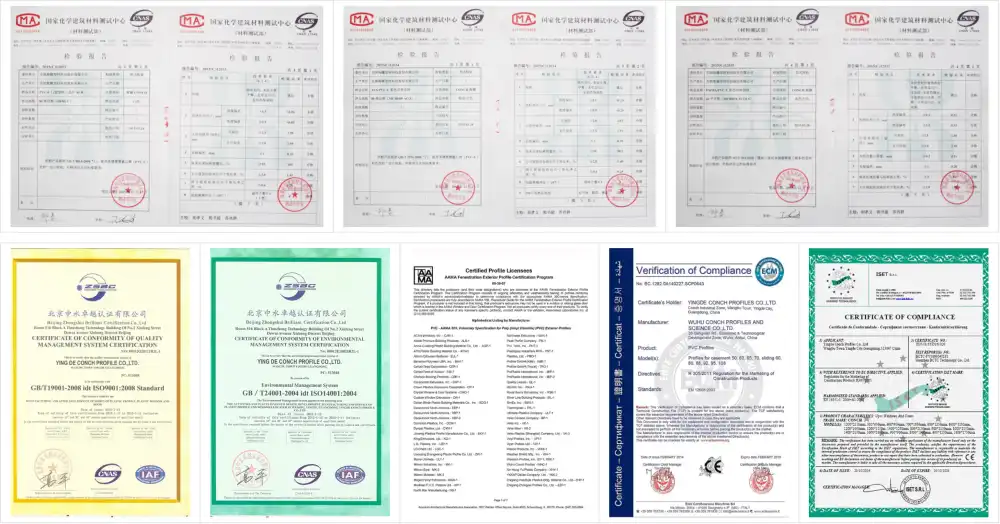
European markets require CE marking to show that a product meets the rules for building products. For performance tests, projects in the US are using AAMA standards more and more. Systematic quality management is shown by ISO 9001 certification, and environmental management systems are covered by ISO 14001 certification.
It is still necessary to do structural calculations that show the building meets local building codes. Reliable suppliers give thorough load analysis reports that include snow, wind, and dead load scenarios that are specific to the installation site. When applying for building permits, this paperwork is very important, especially in historic areas where planning officials look at every detail very carefully.
Procurement and Installation Considerations for Aluminium Glass Conservatories
From the first question to the final installation, the supply chain for an Aluminium glass conservatory has many steps where experience greatly lowers risk. Project managers can help clients set realistic goals by knowing normal timelines and possible bottlenecks.
Sourcing Reliable Manufacturers
The global supply chain for conservatories is based on manufacturers who provide more than just selling products. Check to see if possible partners can give you thorough technical drawings, structural formulas, and instructions on how to put their products. Shipping costs can be cut by a lot—often by 30% or more—if a supplier offers modular components instead of pre-assembled units. This is because aluminium shapes and big glass panels are less likely to get damaged during transport.
Lead times are usually between 25 and 30 days for standard specifications and longer for more complicated custom designs. Set up clear communication protocols that cover things like material specs, matching colors to physical samples, and making sure hardware works with each other. The best partnerships are with manufacturers who assign project coordinators who know about export paperwork, shipping logistics, and technical support after the sale.
Installation Processes and Timeline Management
For professionals, putting up big glass buildings requires accuracy measured in millimeters. Getting the foundation ready sets the stage for everything that comes next. Even small mistakes in leveling add up as the building goes together. Most jobs go like this: building the base and waterproofing it, putting together and securing the frame, installing the glass, sealing and weatherproofing it, finishing the inside, and finally trying it.
Most residential conservatories are finished by experienced installation teams in two to three weeks. However, larger commercial projects may take several months longer. The weather has a big effect on schedules, especially when large panels need to be handled safely, like during glass operations.
Cost Factors and Budget Planning
About 60–70% of the total cost of the project goes to materials. The rest goes to installation workers, site planning, and permits. Customization levels have a big effect on prices. For example, basic white finishes are much cheaper than unique RAL colors or wood-grain effects. In the same way, simple slide door systems are cheaper to install than complex folding or bi-fold systems.
Building regulation compliance often comes with hidden costs, especially if changes need to be made to the structure or getting planning permission is harder than expected. Include 10-15% in your budget as a "just in case" amount in case something goes wrong.
Maintenance Requirements and Longevity
If you choose the right options, aluminium conservatory systems need less upkeep than wooden ones. Every year, you have to clean the glass surfaces, grease the moving parts, make sure the drainage channels are clear, and check the condition of the sealant around the windows. The framework only needs to be washed every so often with a mild detergent solution to keep its good looks.
Glass needs to be replaced every once in a while because it gets broken by accident or the seal on an insulated unit fails. Setting standard glass sizes during the design phase makes replacement easier in the future. The most common parts that wear out are hardware like hinges, locks, and operators, which usually need to be replaced every 10 to 15 years of heavy use.
Performance Disclaimer: The actual thermal performance, wind resistance, and acoustic values rely on how the product is configured, the type of glazing used, and how well it is installed. Before making a final choice about a purchase, clients should ask for certified test results that back up the claimed performance data.
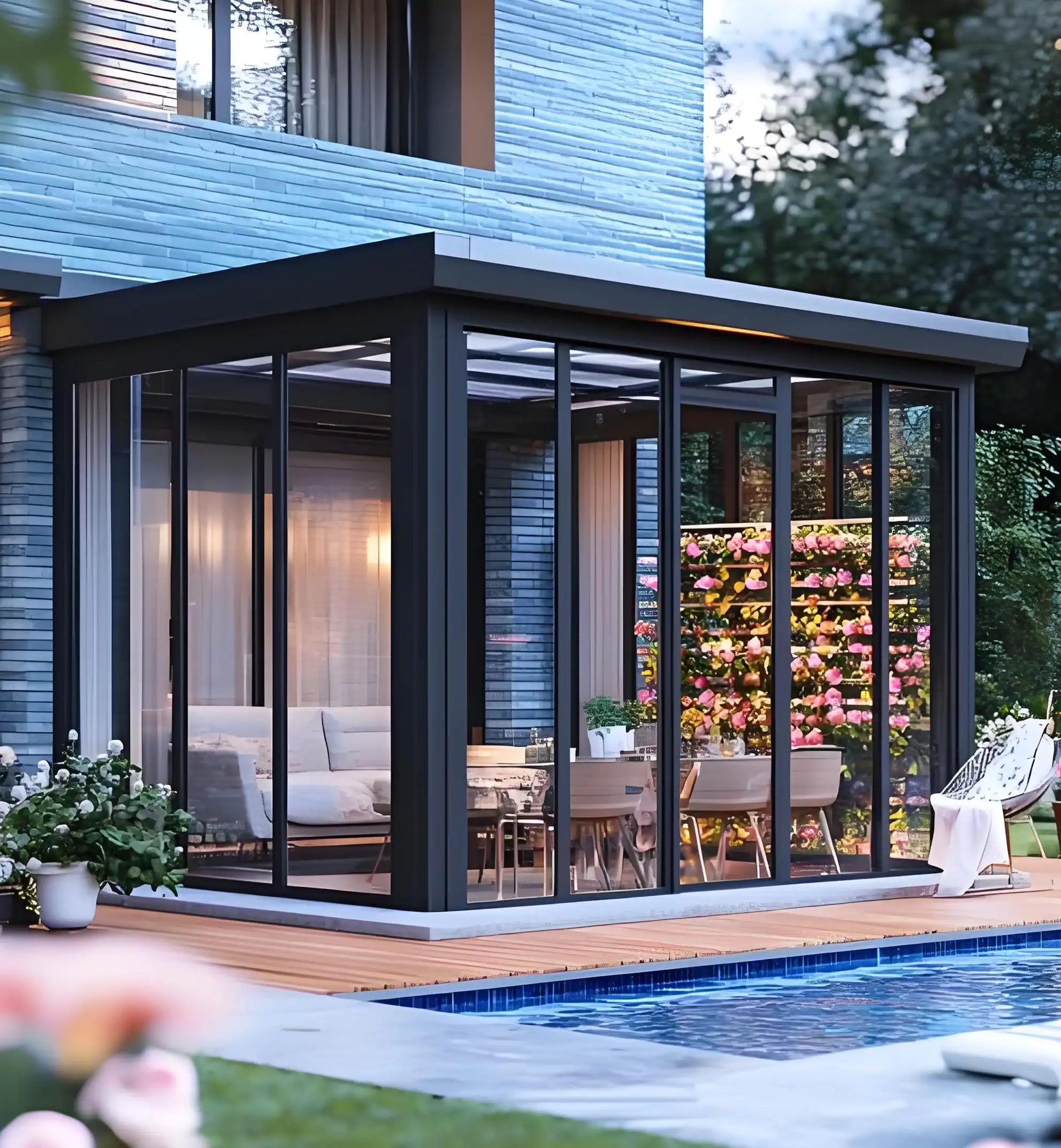
Case Studies and Success Stories: Real-World Applications
Implementations in the real world show how careful design and high-quality production of the Aluminium glass conservatory lead to measurable benefits for clients. These examples show different types of problem-solving strategies that can be used in different markets.
High-End Residential Development in Southern England
A small developer that specializes in renovating old homes needed conservatories that met strict conservation area rules as well as modern Building Regulations thermal performance standards. Five buildings in the Victorian style were part of the project. They were given a custom cream powder coating and a lot of decorative ridge details.
The maker gave full structural calculations that took into account the wind and snow loads in the area, as well as detailed shop plans that showed every junction and flashing detail. Shipping costs went down by 32% compared to other quotes because parts were sent as a kit instead of frames that were already put together. The flexible method also let the developer's own installation team work on multiple sites at the same time, which sped up the whole project.
After moving in, comments showed that the home was comfortable all year and didn't need much upkeep. When combined with argon-filled Low-E glazing, the thermal break frame design achieved U-values below 1.4 W/m²K, which is much better than the minimum code requirements.
Commercial Hospitality Application in Germany
A small hotel wanted to expand its restaurant into the yard, so it needed a building that could fit more than 40 people while still keeping the room open and airy. The design included an aluminium frame and a glass top with built-in sun shading and automatic air flow.
Some of the engineering challenges were getting clear spans of more than 8 meters without using intermediate columns and connecting the structure to the building's drainage system. The manufacturer did a finite element analysis to show that the structure met German snow load requirements, and they worked closely with the architect to make sure that the building interface was clear.
The operational results were better than expected. The restaurant said it was comfortable even during the busiest times of the summer, thanks to the effective ventilation system and the sun control glass standard. The thin shape of the aluminium frame kept sight lines to the grounds nearby, which was an important design goal.
OEM Partnership for Conservatory Installation Specialists
A medium-sized conservatory construction business in Australia set up a relationship with an OEM to create a signature line of products. As part of the relationship, profile designs were heavily customized, private hardware was integrated, and installation instructions were co-created.
The maker of the product gave full technical training that included how to measure, put it together, and fix problems. As part of the marketing support, CAD rendering services were used for client demos and sample setups at the store of the distributor. When compared to their previous supplier's products, the installer cut on-site labor hours by about 25% by sticking to modular parts with clear instructions on how to put them together.
The levels of customer satisfaction went up a lot, especially when it came to project completion times and service calls after installation. Callbacks, which used to be a big cost, were almost completely eliminated by the thermal performance and weathertightness of systems that were installed correctly.
Conclusion
The structure capabilities, thermal performance, aesthetic fit, and source stability must all be carefully considered when choosing the best Aluminium glass conservatory for outdoor life. Modern systems with thermal break technology, multi-layer glazing, and precision-engineered parts create warm areas all year that raise property values and make upkeep easier.
Moving away from pre-assembled structures and toward modular components helps solve problems like high shipping costs and damage during transit, which is especially important for buying things internationally. By working with manufacturers that offer full technical support, such as structural calculations, installation instructions, and the ability to make changes, developers and conservatory specialists can be sure to deliver projects that meet the needs of both planning authorities and picky end users in a wide range of architectural settings.
FAQ
How does thermal performance in aluminium conservatories compare to uPVC systems?
The U-values of modern Aluminium glass conservatories with polyamide thermal breaks are about the same as those of good uPVC systems. They are usually between 1.4 and 1.8 W/m²K, based on the glazing specs. The main benefit of aluminium frames is that they are strong, which lets you use bigger glass panels and thinner sight lines. uPVC is still a little better at insulation, but aluminium is still better at building things that can stand up to big shapes and harsh weather. With premium specs on both materials, the efficiency gap gets a lot smaller.
What is the expected service life for commercial-grade aluminium conservatory systems?
Professional-grade aluminium frames that have been properly treated on the outside usually last longer than 30 years with little upkeep. This is a lot longer than uPVC systems, which usually start to break down after 20 to 25 years. The powder-coated finish keeps the color stable and saves the aluminium underneath from rust. How long something lasts actually depends a lot on how well it was installed, especially when it comes to waterproofing and making sure the structure is strong enough. The insulated glass seals on glazing units usually fail after 15 to 20 years, so they need to be replaced. However, the frames themselves are still physically sound after this time.
Are building permits required for conservatory installations in European markets?
Rules and regulations are very different from one country to the next and even between local governments in the same country. Most of the time, conservatories can be built without formal planning permission as long as they don't go over certain size or placement limits. However, flats, conservation areas, and listed buildings always need formal planning approval. No matter what the state of the planning permission is, the building regulation approval that covers structure safety, thermal performance, and electrical work is still required. When clients are planning a project, they should always check with the local government to make sure they know what the rules are. Applying for permissions after the fact is much harder and costs more.
Partner with a Trusted Aluminium Glass Conservatory Manufacturer
With 19 years of experience, Haolv Building Materials is a leader in the production of high-quality Aluminium glass conservatory systems for high-end home builders and conservatory installers everywhere. The walls of our thermal break aluminium profiles are between 2.0 mm and 4.0 mm thick, giving them great structural integrity that is certified to withstand Grade 12 typhoon conditions. Each system is certified by ISO, CE, and AAMA, which means it meets international standards.
We offer full one-stop solutions that include customized frame parts, coordinated glazing specs, and all the hardware you need. These are shipped as modular kits that cut down on shipping costs by a large amount. From the first design phase to the final commissioning phase, our engineering team can help you with your project by providing detailed structural calculations, CAD drawings, installation videos, and step-by-step assembly manuals. The standard lead time is 25 to 30 days, and OEM and ODM customization is available. Email our team at kristin@haolvwindows.com to talk about the specifics of your project and get technical specification sheets that are made just for you. You can see all of our products at haolvbuilding.com.
References
1. Anderson, J.M. & Williams, R.K. (2021). Modern Conservatory Design: Materials, Structures and Thermal Performance. Architectural Press.
2. British Standards Institution. (2019). BS 8213: Guide to the Selection and Use of Weatherstripping for Windows and Doors. BSI Standards Publication.
3. Carmichael, P. (2020). "Thermal Bridge Analysis in Aluminium-Framed Glazed Extensions." Journal of Building Physics, 44(3), 267-289.
4. European Aluminium Association. (2022). Sustainability of Aluminium in Building Applications: Life Cycle Assessment and Circular Economy Perspectives. EAA Technical Report.
5. Schmidt, H. & Thompson, L. (2023). "Wind Load Performance of Large-Span Glass Roof Systems: Experimental and Numerical Analysis." Engineering Structures, 198, 109-124.
6. Victorian Society. (2020). Conservatories and Glazed Extensions: Design Guidance for Historic Buildings. Conservation Guidelines Series No. 47.
Fast simple channel to send demands lock favorable price for building window door bulk purchases.