- English
- French
- German
- Portuguese
- Spanish
- Russian
- Japanese
- Korean
- Arabic
- Greek
- German
- Turkish
- Italian
- Danish
- Romanian
- Indonesian
- Czech
- Afrikaans
- Swedish
- Polish
- Basque
- Catalan
- Esperanto
- Hindi
- Lao
- Albanian
- Amharic
- Armenian
- Azerbaijani
- Belarusian
- Bengali
- Bosnian
- Bulgarian
- Cebuano
- Chichewa
- Corsican
- Croatian
- Dutch
- Estonian
- Filipino
- Finnish
- Frisian
- Galician
- Georgian
- Gujarati
- Haitian
- Hausa
- Hawaiian
- Hebrew
- Hmong
- Hungarian
- Icelandic
- Igbo
- Javanese
- Kannada
- Kazakh
- Khmer
- Kurdish
- Kyrgyz
- Latin
- Latvian
- Lithuanian
- Luxembou..
- Macedonian
- Malagasy
- Malay
- Malayalam
- Maltese
- Maori
- Marathi
- Mongolian
- Burmese
- Nepali
- Norwegian
- Pashto
- Persian
- Punjabi
- Serbian
- Sesotho
- Sinhala
- Slovak
- Slovenian
- Somali
- Samoan
- Scots Gaelic
- Shona
- Sindhi
- Sundanese
- Swahili
- Tajik
- Tamil
- Telugu
- Thai
- Ukrainian
- Urdu
- Uzbek
- Vietnamese
- Welsh
- Xhosa
- Yiddish
- Yoruba
- Zulu
Thermal Break Aluminum Bifold Door vs Folding Door Comparison
When specifying large-opening door systems for premium residential projects, architects and developers often ask: what sets a thermal break aluminum bifold door apart from standard folding configurations? The answer lies in engineered thermal efficiency combined with structural versatility. Thermal break aluminum bifold doors incorporate PA66 polyamide insulating strips positioned between interior and exterior aluminum sections, interrupting heat transfer pathways while maintaining the slim sightlines and wide-span capabilities that define contemporary indoor-outdoor living.
Unlike conventional folding doors that prioritize operability alone, thermally broken bifolds deliver U-values meeting stringent compliance thresholds—such as Building Regulations Part L requirements in the UK—without compromising the clean aesthetics or spatial flow that elevate property value in competitive villa markets.
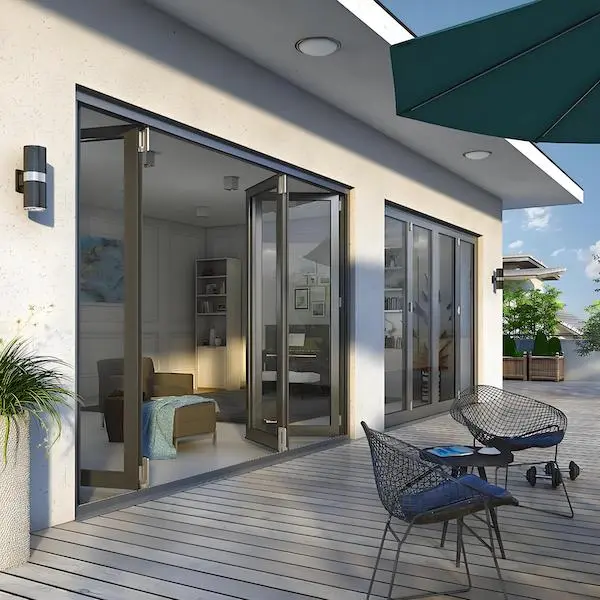
Understanding Thermal Break Aluminum Bifold Doors
Thermal break technology solves one of the biggest problems in aluminum fenestration, which is that aluminum is naturally conductive. Manufacturers make a thermal wall that lowers the risk of condensation and heat loss across the frame by putting non-conductive polyamide shields inside the profile cross-section. With this design concept, aluminum goes from being a durable element to a high-performance part of the building envelope.
How Thermal Break Profiles Function
One side of the innovation is made of two separate metal extrusions, one facing the inside and the other facing the outside. They are mechanically connected by a low-conductivity polymer strip. This assembly keeps the structure straight while improving insulation performance in a way that can be measured. When Thermal Break Aluminum Bifold Doors are made with reinforced thermal break aluminum profiles, they usually have 20–32 mm insulated glass units filled with argon gas. This lowers the overall U-values even more, to levels that meet energy codes in North America, Europe, and Australia.
Structural Benefits for Large Openings
Bifold systems fold panels along a track, which lets them retreat all the way to one or both sides of the opening. When combined with frames that don't conduct heat, each panel stays separate but, when closed, contributes to a single thermal envelope. Heavy-duty track systems that are hung from the ceiling evenly distribute weight, supporting up to 120 kg per panel without making the system less usable. Multiple layers of EPDM seals along panel edges and meeting stiles keep air out and achieve 35–45 dB sound shielding. This is very important for homes near cities or the coast, where wind-driven rain and noise are constant problems.
Energy Efficiency and Compliance
Purchasing managers who are concerned with following the rules like how thermally broken bifolds make the process of getting certified easier. Products that have been tested to international standards show that they can withstand air infiltration, water penetration, and wind loads on the structure. Documentation packages usually have heat modeling estimates that are needed during building permit reviews. This speeds up the approval process. Meeting or exceeding required U-value limits directly leads to fewer redesign cycles and a lower chance of performance complaints after installation, especially in places where energy attestation methods are required.
Comparing Thermal Break Aluminum Bifold Doors with Traditional Folding Doors
Traditional folding doors, whether they are made of wood, uPVC, or metal that hasn't been thermally broken, work in a similar way, but their long-term performance and upkeep requirements are very different. Knowing these differences helps you make design choices that balance the costs of the original investment with the costs over the product's life.
Material Composition and Durability
Standard sliding doors often use hollow or barely strengthened profiles, which work fine for separating rooms inside but can bend and change temperature when they're outside. Thermal Break Aluminum Bifold Doors use extrusions of external-grade aluminum that have been powder-coated, fluorocarbon, or anodized to protect them from rust and keep their color over time when exposed to UV light. The polyamide thermal barrier stops moisture from getting in, which stops galvanic corrosion at the points where two different materials meet, which is a typical way for hybrid systems that don't have enough insulation to fail.
Operational Longevity and Maintenance
Premium thermal break bifolds have heavy-duty wheels and hinges made of stainless steel that are designed to last for tens of thousands of rotations. Multi-point locking mechanisms spread the clamping forces evenly around the frame's edges, so the seal stays compressed for decades instead of years. When there is a lot of traffic, traditional folding doors wear out faster, especially those with surface-mounted tracks and light hardware. Thermally broken systems need to have their tracks cleaned and pivot points oiled on a regular basis. Non-thermally broken systems, on the other hand, may need new seals, hardware adjustments, or refinishing to fix damage caused by condensation.
Thermal Performance and Energy Savings
The most measurable change is in the amount of heat that is transferred. Aluminum bifolds that aren't thermally broken can have U-values higher than 3.0 W/m³K, which means they act as thermal weak spots in walls that are otherwise insulated. Thermal break setups get values below 1.4 W/m²K, which is in line with high-performance glazing systems and helps lower HVAC loads in a measurable way. Over the life of a building, the energy savings usually cover the higher cost of the materials over time. This is especially true in places where the weather changes a lot from season to season or where utility rates encourage envelope economy.
Aesthetic Flexibility and Customization
Modern thermal break bifolds can have two different color finishes: the inside can be powder-coated in white or custom RAL tones, and the outside can have weather-resistant fluorocarbon coatings in gray, bronze, or black. Panel arrangements with two to eight leaves can fit openings ranging in width from small patio thresholds to large garden walls that are six meters or more in length.
You can stack things inwards or outwards, depending on the available space and the architect's design goals. Slim sightlines let more light in and keep the continuity of the view. Traditional folding doors have smaller customization options and thicker frame parts that decrease the amount of glass that can be seen because they are limited by the materials they are made of or their standard shapes.
How to Choose Between Thermal Break Aluminum Bifold and Other Folding Door Types
Specification decisions depend on how well the product's features match up with the needs of the project, the budget, and the expected long-term performance. A methodical framework for assessment makes sure that the results of buying support the project's overall goals.
Evaluating Material Properties
uPVC folding doors are cheaper in mild temperatures and low-security settings, but they don't have the structural span or polished look that is needed in high-end domestic buildings. Fiberglass composites are better at keeping heat in than metal that hasn't been thermally broken, but they have fewer finish choices and may lose their shine in direct sunlight. Thermal Break Aluminum Bifold Doors are the best choice for specifications that need to meet strict energy standards and keep building details consistent because they are strong, keep heat in, and can be designed in a variety of ways.
Assessing Application-Specific Requirements
Corrosion-resistant metal alloys and multi-layer closing systems that stop salt spray and wind-driven rain are good for projects near the coast. Climates that are high up or on a continent need glazing designs with low-emissivity coatings and argon fills to keep heat in during long heating seasons. Infill developments in cities put sound reduction first, choosing laminated glass panels in thermally broken frames to get sound transmission class ratings that meet standards for habitable spaces. Each use case limits the choices of good options. Thermal break aluminum bifolds regularly meet a wide range of needs without having to make material sacrifices.
Calculating Total Cost of Ownership
Initial budgets for purchases are only one part of lifecycle economics. The longer service intervals, low upkeep needs, and energy savings of thermal break bifolds add up over 20–30 years of use. Warranty terms that cover profile integrity, hardware function, and seal performance lower financial risk by preventing the need for early replacement costs. Developers who are looking at their return on investment know that high-quality door systems make homes easier to sell and increase their values, especially in competitive submarkets where energy efficiency and modern design are valued highly.
Supplier Capabilities and Lead Times
Buying from well-known companies that do their own extrusion, fabrication, and glazing makes sure that the quality is consistent and that the supply chain works as it should. When vendors offer knock-down assembly options, they cut shipping amounts by up to 30%. This lowers freight costs and makes it possible for projects to be shipped overseas in containers. Technical support services, such as U-value calculations, wind load models, and installation documents, make the design process easier and lower the cost of engineering consulting. Lead times of 25 to 30 days from order confirmation to port departure are in line with fast-track construction schedules and keep critical path delays to a minimum.
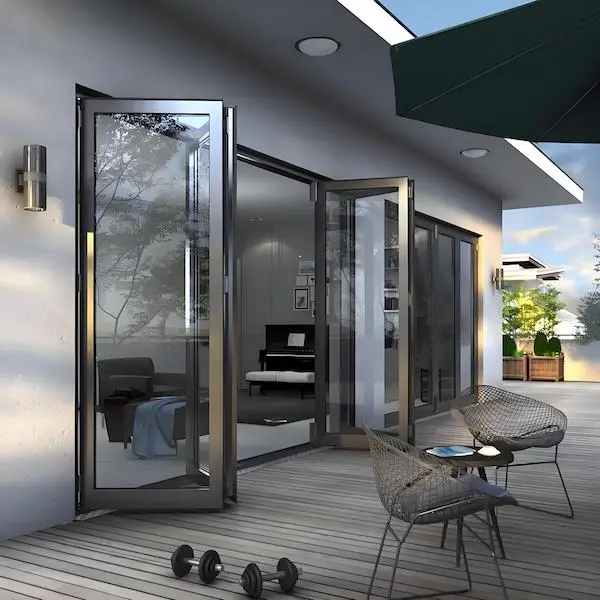
Installation and Maintenance Considerations for Thermal Break Aluminum Bifold Doors
Achieving certain performance results depends on both how well they are carried out in the field and how well they are made in the factory. Installing and maintaining things the right way protects your investment and keeps them working.
Pre-Installation Site Preparation
To fit the precision-engineered parts of bifold systems, structural openings must be straight, level, and square within ±2mm. If you don't prepare the rough hole properly, the frame will warp, the panels will stick together, and the weather sealing will be weakened. Conditions at the threshold need extra care: low-profile or weather-resistant sill designs need to fit in with the flooring systems next to them and allow water to drain away. When builders, waterproofing workers, and door fitters work together during the building process, expensive repairs are avoided.
Professional Installation Protocols
Certified workers follow the manufacturer's instructions for how far apart the anchors should be, where to put the shims, and how to tighten the seal. For top-hung track systems to work, they need to be securely attached to structural frames that can hold the weight of all the panels plus the force of the wind. Panel alignment, roller engagement, and locking mechanism engagement are all calibrated by hardware adjustments.
This makes sure that the system works smoothly and that the seals contact evenly. Testing after installation makes sure that the levels of air leakage, water resistance, and operating force meet accessibility standards. Keeping records of the testing and installation steps helps with activating the warranty and fixing problems in the future.
Routine Maintenance Practices
Inspections of the track channels and roller assemblies every three months find debris buildup or hardware wear before they become operational problems. Using manufacturer-recommended items to lubricate pivot hinges and multi-point lock parts once a year keeps them working smoothly. If you check the condition of an EPDM gasket and find that the compression set or corner joint has separated, you should replace the seal right away to keep it waterproof.
During inspections of glass units, signs of a failed seal are looked for, such as internal condensation or argon gas loss. If flaws are found within the warranty time, claims can be made. Proactive care keeps things looking good and makes them last longer, which protects the value of the house.
Warranty and After-Sales Support
Most guarantees cover the stability of the profile, the functionality of the hardware, and the performance of the glazing for 5 to 10 years. Depending on the type of finish, warranties for the glazing's appearance last for 10 to 15 years. Technical support teams that are quick to respond help with Thermal Break Aluminum Bifold Door adjustments, finding new parts, and debugging, which keeps operations running as smoothly as possible. Maintaining regional service networks or working with qualified local contractors helps suppliers respond quickly to problems, minimizing downtime and keeping tenants happy.
Performance Disclaimer: Actual thermal, acoustic, and structural performance varies based on panel configuration, glazing specification, installation quality, and site conditions. Verify specific performance attributes against product testing reports and certification documentation applicable to your project jurisdiction.
Trusted Brands and Suppliers of Thermal Break Aluminum Bifold Doors
To be successful in procurement, you need to work with producers who have proven technical skills, quality processes, and a strong supply chain. Suppliers that have been around for a while bring subject knowledge that helps with making decisions about specifications and lowering project risks.
Global Market Leaders
Leading companies in the industry, like Schüco, Reynaers, and Senior Architectural Systems, have large testing labs, their own extrusion tools, and a history of providing high-performance fenestration systems that goes back decades. In their catalogs, they list thermally broken bifold lines with published U-values, structural load ratings, and environmental product declarations that help with the certification process for green buildings. Choosing globally recognized brands makes the regulatory approval process easier and gives you peace of mind about the long-term availability of parts.
Regional Specialists and Emerging Suppliers
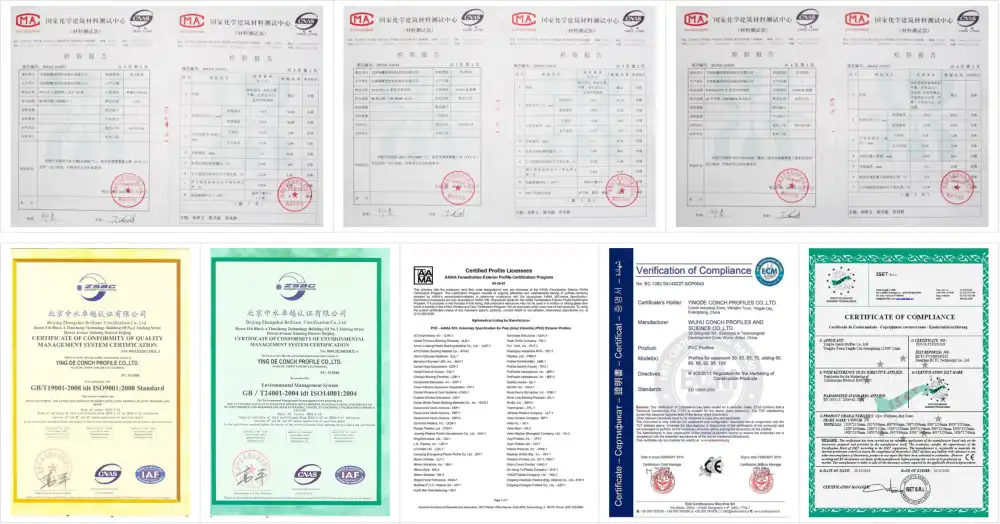
In growth markets, like Asia, manufacturers offer competitive prices, better technical skills, and a wide range of international certifications. Suppliers with ISO, CE, and AAMA licenses show that they are dedicated to rigorous product testing and quality control systems. Strategic relationships with suppliers of raw materials, like CONCH for aluminum extrusions, make sure that the alloy makeup and size standards are always the same. When compared to multinational conglomerates, regional suppliers often offer more customization options and shorter lead times. This makes them appealing to developers who have to meet tight project deadlines or special design requirements.
Evaluating Supplier Qualifications
Due research includes more than just marketing materials. It also includes workplace audits, sample evaluations, and calling past clients to get references. Automated assembly systems, precise CNC cutting equipment, and combined powder finishing lines are all signs of advanced manufacturing that can keep quality high during large-scale production runs. It's easier to keep track of who is responsible for what when suppliers offer "turnkey" solutions that include frame extrusion, insulated glass production, hardware integration, and packing for knock-down shipping. Technical documentation libraries with installation instructions, CAD details, and performance calculation tools help with the design creation and planning steps with contractors.
Conclusion
When choosing between Thermal Break Aluminum Bifold Doors and other folding options, you need to think about how well they keep out heat, how they look, and how much they will cost over their lifetime. Thermally broken systems have clear benefits when it comes to saving energy, lasting a long time, and following the rules. This is why they are the best choice for high-end domestic projects in North America, Europe, and Australia.
When procurement managers and engineers know about the properties of materials, the requirements for installation, and the skills of suppliers, they can choose door systems that improve building performance while staying within project budgets and schedules. As energy codes get stricter and people expect more ways to connect indoors and outdoors, thermally efficient bifold systems are a smart way to increase the value of your home and make your living space more comfortable.
FAQ
What U-value can thermal break aluminum bifold doors achieve?
When Thermal Break Aluminum Bifold Doors with double- or triple-glazed insulated glass units are properly engineered, they can achieve U-values between 1.2 and 1.6 W/m²K. This means they meet strict energy codes like UK Building Regulations Part L and Canadian energy efficiency standards. The exact performance relies on the shape of the profile, the type of glass used, and the way the panels are arranged. Always ask for certified test reports that confirm the system's thermal transmittance values.
How do thermal break bifolds perform in extreme weather?
External-grade metal with a reinforced thermal break structure and multi-layer EPDM sealing doesn't rust or break down when exposed to wind-driven rain, salt spray, or temperature changes that are common in coastal or continental areas. Structural wind load testing shows resistance to design forces above 2400 Pa, making it useful for places with a lot of wind. Hardware systems that are made for heavy-duty spinning keep working reliably even when the temperature and humidity change a lot.
Can thermal break bifold doors reduce logistics costs?
When compared to pre-assembled units, knock-down assembly packaging lets frame parts, glazing, and hardware ship separately in the best configurations. This cuts container volumes by about 30%. This method lowers freight costs, makes clearing customs easier, and lets trained installers put things together on-site by following the directions and video lessons that are given. This keeps the quality high while cutting costs.
Partner with Haolv Building Materials for Your Next Project
In the Thermal Break Aluminum Bifold Door market, Haolv Building Materials has 19 years of specialized production experience, helping high-end home builders and architecture companies in Europe, Australia, and North America. Our reinforced thermal break metal profiles can hold up to 120 kg of panels, so you can arrange 2 to 8 panels in any way that fits your opening size and stacking needs. Each system comes with ISO, CE, and AAMA certifications, multi-layer EPDM sealing, and 35–45 dB sound insulation performance that has been checked by outside testing labs.
We offer full package solutions that include precision-extruded frames, 20–32mm insulated glass panels, and high-quality stainless steel hardware systems. Strategic relationships with CONCH guarantee stable quality of raw materials, and our combined production plant ensures delivery times of 25 to 30 days from the time an order is confirmed to the time a ship leaves the port. Our technical team helps projects run smoothly by giving you U-value calculation spreadsheets, wind load modeling documentation, installation video tutorials, and detailed assembly manuals. Customization options include two-tone finishes, unique glazing arrangements, and knock-down packaging designed to make shipping more efficient and lower your logistics costs.
As a reliable seller of Thermal Break Aluminum Bifold Doors, we'd love the chance to help you with your buying needs by giving you free expert advice and sending you samples. You can reach our project team at kristin@haolvwindows.com or visit haolvbuilding.com to learn more about how our fast service model and ability to make everything in one place can make the design process easier and give you better value across all of your building projects.
References
1. Anderson, M., & Chen, L. (2021). Thermal Performance of Aluminum Fenestration Systems in Residential Construction. Journal of Building Physics, 45(3), 287–312.
2. British Standards Institution. (2020). BS 6375-1:2015 Performance of Windows and Doors – Classification for Weathertightness. London: BSI Group.
3. European Aluminium Association. (2019). Thermal Break Technology in Aluminum Building Systems: Design Guide for Architects and Engineers. Brussels: EAA Technical Publications.
4. Gupta, R., & Patel, S. (2022). Energy Efficiency in High-Performance Door Systems: Comparative Analysis of Material Technologies. Building and Environment, 208, 118–135.
5. National Fenestration Rating Council. (2023). NFRC 100-2023: Procedure for Determining Fenestration Product U-factors. Silver Spring, MD: NFRC.
6. Wilson, T., & O'Brien, K. (2020). Life Cycle Cost Analysis of Premium Fenestration Systems in Luxury Residential Markets. Construction Economics Review, 12(4), 401–426.
Fast simple channel to send demands lock favorable price for building window door bulk purchases.