- English
- French
- German
- Portuguese
- Spanish
- Russian
- Japanese
- Korean
- Arabic
- Greek
- German
- Turkish
- Italian
- Danish
- Romanian
- Indonesian
- Czech
- Afrikaans
- Swedish
- Polish
- Basque
- Catalan
- Esperanto
- Hindi
- Lao
- Albanian
- Amharic
- Armenian
- Azerbaijani
- Belarusian
- Bengali
- Bosnian
- Bulgarian
- Cebuano
- Chichewa
- Corsican
- Croatian
- Dutch
- Estonian
- Filipino
- Finnish
- Frisian
- Galician
- Georgian
- Gujarati
- Haitian
- Hausa
- Hawaiian
- Hebrew
- Hmong
- Hungarian
- Icelandic
- Igbo
- Javanese
- Kannada
- Kazakh
- Khmer
- Kurdish
- Kyrgyz
- Latin
- Latvian
- Lithuanian
- Luxembou..
- Macedonian
- Malagasy
- Malay
- Malayalam
- Maltese
- Maori
- Marathi
- Mongolian
- Burmese
- Nepali
- Norwegian
- Pashto
- Persian
- Punjabi
- Serbian
- Sesotho
- Sinhala
- Slovak
- Slovenian
- Somali
- Samoan
- Scots Gaelic
- Shona
- Sindhi
- Sundanese
- Swahili
- Tajik
- Tamil
- Telugu
- Thai
- Ukrainian
- Urdu
- Uzbek
- Vietnamese
- Welsh
- Xhosa
- Yiddish
- Yoruba
- Zulu
Everything You Need To Know About Flush Windows
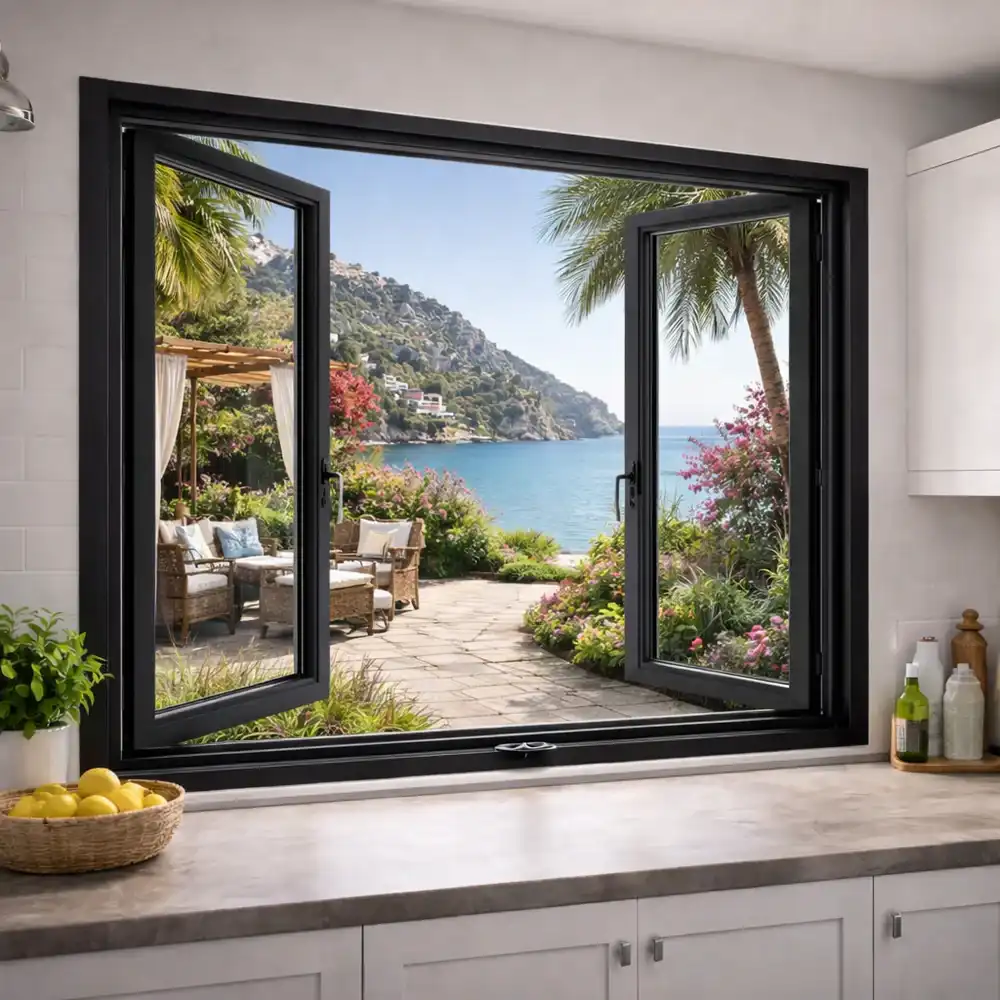
Aluminum flush windows meet strict performance standards and have the sleek, simple look that modern building calls for. When these systems are closed, the windows sit level with the outside frame, making a smooth, flat appearance on the inside and outside. They are made from precisely engineered 6063-T5 aluminum alloy extrusions with profile thicknesses ranging from 1.4 to 2.0 mm. They solve important problems that general contractors, developers, and curtain wall integrators have, like how to get clean sightlines without sacrificing structural integrity, how to replace high-maintenance wood systems with corrosion-resistant alternatives, and how to make room for bigger glass expanses than uPVC allows. When these windows are combined with thermal break technology and high-performance glass designs, they combine the look of older buildings with the energy standards of today.
What Are Aluminum Flush Windows? Understanding the Basics
Defining the Flush Window System
The raised look that is typical of traditional casements is gone with the Aluminum flush windows design. When looking at the outside, the opening sash lines up perfectly with the set frame border. This creates smooth lines that builders like to see in both heritage renovations and new high-end projects. When hardware and frame parts stick out past the main face plane, as in projected or proud sash designs, this layout is very different.
Material Composition and Structural Engineering
The 6063-T5 aluminum alloy is used for manufacturing because it has the best mix of tensile strength, extruded formability, and natural rust protection. Wall thicknesses of 1.4 to 2.0 mm keep the structure stable for holes up to normal industrial sizes while keeping the profiles thin. The natural oxide layer of the metal saves it from air damage in seaside, industrial, and high-humidity areas without needing constant upkeep.
Customization Capabilities for Project Specifications
To meet specific structural and visual needs, manufacturers give a wide range of design choices across three series: 60, 70, and 80 shapes. Some surface treatments are powder painting (in white, black, gray, and custom RAL colors), anodizing (for extra toughness), wood grain finishes (to look like wood), and PVDF coats (for extreme weather exposure). You can choose from protected single panes, double-glazed units with standard 5+12A+5 setups, and coated sections for uses that need to be safe. Different building rules and user interests in different markets require opening devices that can handle both inward and outward window operation.
Technical Specifications Relevant to Procurement
Knowing the basic requirements helps purchasing teams figure out how capable a seller is during the quote process. The load-bearing ability and heat bridge potential are directly affected by the profile width. By using PA66 polyamide strips for thermal break integration, the inside and outside metal parts are separated, which greatly lowers U-values. Multiple locking systems placed around the edges of the sash improve security while keeping the EPDM seals evenly compressed, which keeps air out and water out. There are different grades of hardware, from basic zinc alloy parts to high-end stainless steel ones. The longevity of these hardware grades will depend on how often they are used in business settings.
Benefits of Aluminum Flush Windows for B2B Clients
When purchasing window systems for big projects, procurement managers need to look at how well they work in a number of areas that directly affect prices over time, customer happiness, and following the rules. The following benefits cover important factors that expert teams, buying offices, and project managers look at when choosing a provider.
Energy Performance and Thermal Regulation: Thermal break technology built into Aluminum flush windows cuts down on heat movement between heated indoor areas and cooler outdoor areas by a large amount. When these systems are ordered with double-glazed units that have low-E finishes and argon fills, they get U-values that meet strict energy rules, such as NFRC standards in the US. This performance leads to measured drops in HVAC operating costs over the life of a building, which supports both green building certifications and resident comfort goals at the same time.
Structural Durability Across Climate Zones: Aluminum's ability to fight rust makes it especially useful in harsh environments, such as salty seaside sites, industrial areas with flying particles, and places where temperatures change quickly. Instead of wood systems breaking down due to UV damage and absorbing water, or uPVC systems breaking down when it freezes, metal stays the same size and strength in temperatures ranging from -40°C to +80°C. This stability means that developers and building managers don't have to pay as much for guarantee claims and early replacement costs.
Acoustic Insulation for Occupant Comfort: Good gasket seals, smooth design shape, and the right glass specs all work together to effectively block out noise. When properly stated, Aluminum flush windows can get Rw scores that have been tried in a lab, which is helpful for projects that are close to traffic routes, nightlife areas, or factories. The smooth transition from sash to frame reduces the number of sound-infiltration paths that are present in regular window designs.
Architectural Integration and Design Flexibility: The smooth, unbroken lines of flush window systems go well with modern minimalist architecture. They also work well in traditional building makeovers where keeping the building's historic character is important. Slim sightlines increase the amount of glass that can be seen, which improves natural light and views of the outside, both of which affect how happy tenants are and how much a property is worth. Customizable finishes let you match existing wall elements or make differences on purpose based on the design intent.
When people buy things from businesses, they want to minimize the risk, and these success traits directly meet that need. Technical staff can check that specs are correct with the help of licenses and test results. Purchasing managers can make accurate predictions about the costs over the product's lifetime, and project managers can trust delivery dates and installation coordination.
Aluminum Flush Windows Compared to Other Window Types
Material Alternatives: Aluminum vs. uPVC vs. Timber
Choosing the right materials affects both the short-term prices of the project and its long-term viability. Timber Aluminum flush windows (referenced here as a style alternative) have a real classic look, but they need to be painted, sealed, and parts replaced on a regular basis because wood swells, warps, and rots over time. Wood is hard to maintain, but uPVC systems don't have that problem. They also keep heat in well, but the highest span is limited and there aren't as many finish choices.
Aluminum strikes a balance between these two extremes: it requires less upkeep (only occasional cleaning), it's strong enough to allow for bigger spaces with thinner frames, and it comes in a variety of surface treatments that can be used for a wide range of building styles. When you look at the total cost of ownership, which includes things like upkeep work, replacement frequency, and energy use, metal often shows better value, even if it may cost more at first.
Operational Configurations: Flush vs. Casement vs. Sliding Systems
Besides the choice of material, the choice of operating system also affects how well it works and how much room it takes up. Standard casement windows with proud sashes stick out past the frame line, making a break in the visual flow and collecting dirt along the uncovered ledges. Sliding systems make the most of clear areas and work well in tight spaces, but their track parts need to be cleaned more thoroughly and eventually replaced, while hinge gear doesn't. When it comes to looks, flush designs are the cleanest. They still offer the same air control and ease of operation as side-hung or top-hung casements. The choice is eventually based on design goals, ease of care access, and user tastes for how to operate certain kinds of buildings.
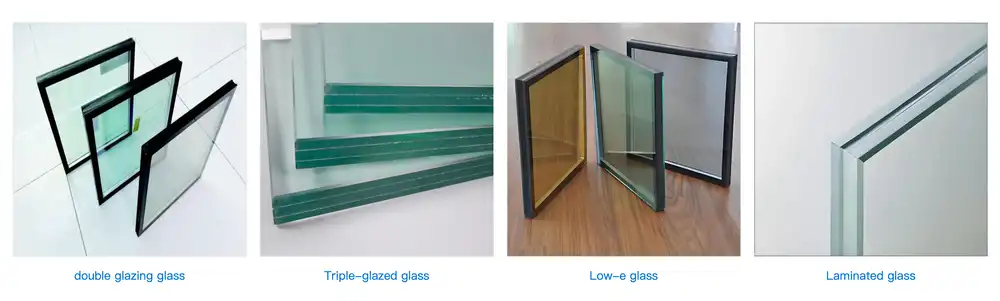
Glazing Performance: Single vs. Double vs. Triple Glazing
The type of glass has a big effect on how well it keeps heat in or out, how well it blocks noise, and how much the whole system costs. Single glass doesn't usually meet modern building codes unless it's in an unconditioned area or a certain type of historical repair project. Standard double-glazed units with airtight gaps offer basic performance that is good for moderate temperatures.
When you upgrade to low-E coatings, argon or krypton fills, and improved hole sizes, you get big performance gains for only a small cost increase. Triple glazing provides the best protection for passive house standards and very cold areas, but the extra weight means that the frame needs to be stronger and the hardware needs to be more durable. Instead of automatically choosing between the smallest and largest designs, procurement teams should choose glass based on the temperature zone, energy goals, and budget of the project.
Procurement Cost Structures for Volume Orders
The way prices change for small-lot and project-scale purchases is very different. Because of individual planning, limited production runs, and tighter schedules, custom home orders usually cost more per unit. When businesses order standard designs in larger amounts than 100 units, they can save money by buying materials in bulk and making better use of their production schedules.
This is called economies of scale. Long-term agreements and simplified design processes make OEM partnerships for ongoing supply plans even more cost-effective. When asking for quotes, be clear about how many items you want to buy, when you need them delivered, and if you plan to do business with the company again. This will help you get accurate prices that are based on real-life buying scenarios instead of store list prices.
Disclaimer: Actual performance metrics depend on specific product configurations, installation quality, and environmental conditions. Always reference certified test reports and manufacturer specifications when making procurement decisions.
How to Procure and Install Aluminum Flush Windows: A Practical Guide
Supplier Evaluation and Selection Criteria
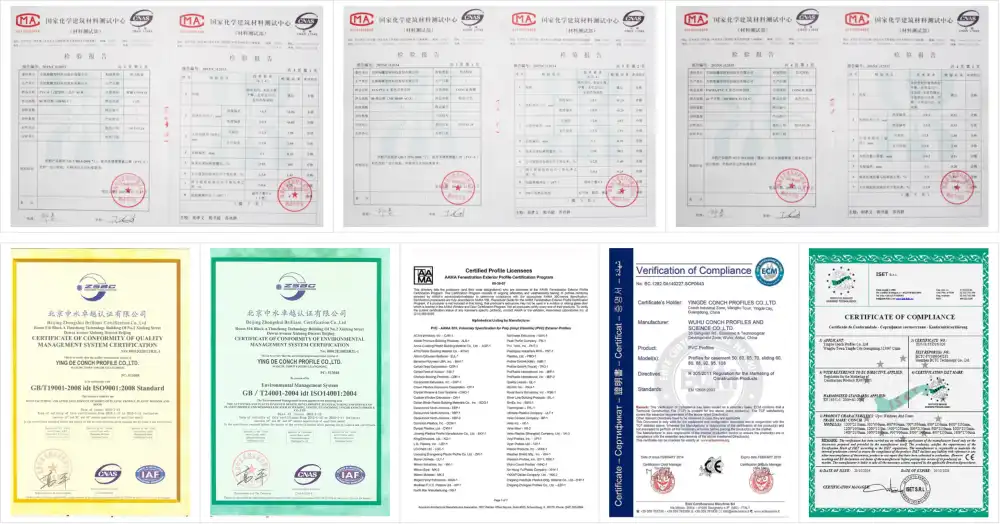
In addition to stated prices, analyzing multiple potential factors is needed to find approved makers of Aluminum flush windows. Check that possible providers have the right approvals, like ISO quality management systems, NFRC energy performance scores, and safety marks for each market, like CE for European markets or AAMA standards for North America.
Check their production ability to make sure they can meet your project's deadline and number needs without sacrificing quality by taking too long. To get an idea of how well they've done in the past, ask for case studies or references from finished projects in similar building types and regions. Check out the technical support options, such as engineering help for unique uses, help with preparing submittals, and help with installation after delivery.
Specification Development and Ordering Process
Communicating clear specifications keeps mistakes and delays from happening that cost a lot of money. Give specific building plans that show the rough size of the hole, the state of the structure, and any special fitting requirements. Provide the necessary performance standards, such as the maximum amount of air that can pass through, the resistance to water entry, the loading conditions for the structure, and the temperature performance goals based on the relevant building codes.
Make sure you understand the finish standards by giving specific color examples, types of surface treatment, and accepted error ranges. Define all the details of the glazing, including the type of glass, where the coatings will go, the size of the cavities, and the gas fills. Types of gear, handle styles, locking options, and extras like bug screens that can be added are all listed. Instead of finding compliance gaps after production starts, write down the certifications and testing processes that are needed up front.
Logistics Coordination for Large-Scale Deliveries
When project-scale window deliveries happen, they need to be carefully coordinated so that there aren't problems with storage on-site, damage during handling, or delays in installation. Lead times usually range from 25 to 30 days from when an order is confirmed to when the business ships the goods. Shipping times depend on where the goods are going and how they are being shipped.
How the containers are loaded affects both the cost of freight and the amount of handling that needs to be done on-site. Make sure that the packing methods used protect the goods during transport and make job site distribution go smoothly. Make sure that the shipping schedule and the building schedule are in sync so that installation teams and tools are ready when the materials come. Set up clear receiving methods, such as how to check items, how to record damage, and how to store units until they can be installed.
Installation Best Practices and Quality Assurance
The design performance ability of windows is directly related to how well they are installed. Make sure that the workers follow the steps given by the maker for grounding, weatherproofing, and adjusting. Before units are set, the rough hole must be prepared with the right flashing details, the structure support must be checked, and the measurement error must be confirmed. Long-term weather protection depends on the type of sealant used and how it is applied.
Only use manufacturer-approved products and apply them according to the joint design specs. Once it is installed, it is important to make sure that it works smoothly, that the locks work properly, and that the seal is compressed evenly around the whole edge. Keep track of the times of installations, the names of the installers, and any changes made in the field to help with managing warranties and planning future maintenance.
Challenges and Considerations When Choosing Aluminum Flush Windows
Maintenance Requirements and Common Issues
There is some upkeep that needs to be done on Aluminum flush windows, but not as much as on wood systems. Drainage pathways and weep holes need to be cleaned out every so often to keep water from building up and causing leaks. Hardware parts like hinges, locks, and operators need to be oiled every so often to keep them working smoothly and stop them from wearing out too quickly.
Every year, check gasket seals for compression set, cracks, or separation. If they find any, replace them every 10 to 15 years, based on how long they are exposed to the elements. Coastal installations need to be cleaned more often to get rid of salt deposits that can speed up the wear and tear on finishes if they are not removed. Setting up regular maintenance plans based on what the maker suggests increases the system's useful life and keeps its performance levels.
Thermal Performance Variations by Climate
There isn't a single window style that works well in all climates. Low U-values and little air loss are important in cold areas to lower heating costs. This is why thermally broken frames and triple windows are often needed. In hot, dry places, spectrally selective layers that let sunshine through but block infrared rays can help control solar heat gain.
In humid areas, the risk of condensation must be managed by using the right thermal breaks and hollow design to keep moisture from building up inside wall sections. In areas that need both heating and cooling, the specs need to be matched so that they don't over-optimize for one season at the cost of the other. When setting performance goals, don't just assume that general standards will work; instead, look at climate-specific design guides and local energy rules.
Regulatory Compliance Across Major Markets
Different areas have very different building rules and licensing needs, which affects product specs and paperwork needs. In the United States, projects have to follow NFRC energy rates, AAMA standards for structural design loads, and state-specific energy rules that may go above and beyond the federal minimums. For products to be sold in Europe, they need to have the CE mark and supporting paperwork that shows they meet standardized standards for strength, weathertightness, and heat performance.
For classifying window systems and checking their performance, Australian projects use AS2047. Understanding these legal systems during the planning phase keeps you from having to pay a lot of money to rethink or re-certify after production. Ask providers to give you market-specific certificates and test results that are relevant to the location of your project instead of general paperwork that might not be acceptable to local officials.
Conclusion
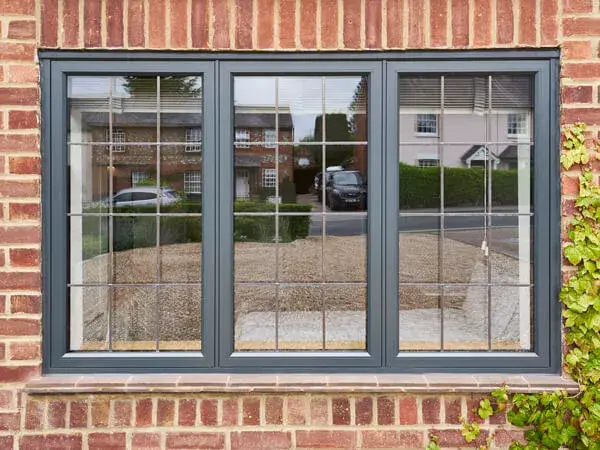
Aluminum flush windows meet a number of important criteria that procurement professionals have to weigh in both business and household projects. These include improving the look of the building, making it more structurally sound, saving energy, and increasing the value over its lifetime. Knowing the technical details that affect heat resistance, structure capacity, and operational stability helps you choose a provider and a product in a smart way.
When you compare different types of materials, window setups, and working methods based on the needs of a specific project, you can make better design choices instead of choosing something that fits all needs. Setting clear buying methods, seller approval criteria, and installation standards lowers the risks of a project and helps it get done successfully. When looking at possible manufacturing partners, it's important to focus on ones that have shown they can produce what you need, have the right certifications, and offer professional help that goes beyond just supplying products and includes working on whole projects together.
FAQ
Are aluminum flush windows suitable for both residential and commercial projects?
These methods work well with a wide range of building types. The clean look and low upkeep are great for residential uses, like luxury houses, vintage makeovers, and modern architecture designs. Durability, standard specs that make buying easier, and consistent performance across large amounts are all benefits for commercial projects such as office buildings, hotels, and multi-family housing.
How do costs compare with other window systems?
The initial costs of buying Aluminum flush windows are usually 15–30% higher than those of uPVC systems, but lower than those of handmade wood flush windows. When lifetime costs like upkeep, replacement regularity, and energy performance are taken into account, the difference in prices becomes much smaller. Due to production advantages and lower per-unit costs, buying in bulk for business projects gets better prices than buying in small amounts for homes.
Can specifications be customized for unique project requirements?
Manufacturers allow for a lot of customizing when it comes to sizes, colors, glass arrangements, and hardware choices. For project-specific needs, custom shapes, colors that fit building themes, higher levels of security, and heating packages that are made for specific climates are often made. It's important to be clear about your unique needs during the quote process so that you can get accurate prices and reasonable delivery times.
Partner with a Proven Aluminum Flush Windows Manufacturer
When making sourcing decisions for project-scale window buying, you need to find sellers who can show that they can make a lot of things, keep the quality high, and deliver on time. Our factory has high-tech Aluminum flush windows extrusion lines, precise CNC cutting tools, and automatic assembly systems that keep tolerances very tight even when making thousands of units at a time. We've been dealing in aluminum and uPVC building systems for 18 years, and during that time we've come up with tried-and-true methods that match the ability to make changes to fit your needs with the speed needed to keep business prices low.
From inspecting the raw materials to final testing, our quality control system follows ISO-certified procedures to make sure that every flush window assembly meets performance standards before it is shipped. We keep up-to-date on certifications that are important to major export markets and give you all the technical information you need to support your submission and meet compliance standards. Our expert team works together during the entire design creation, production, and installation support phases, no matter if your project needs standard setups or built unique solutions.
Email our team at kristin@haolvwindows.com to talk about the specifics of your project. To help you with your evaluation process, we give you thorough quotes, technical specs, and sample planning. There you can also find technical models, performance data, and finished project case studies that show how well we can do work in household, industrial, and specialty settings.
References
1. Anderson, M., & Thompson, R. (2021). Modern Window Systems: Performance Standards and Procurement Strategies for Commercial Construction. Building Science Press.
2. Architectural Aluminum Manufacturers Association. (2022). AAMA Performance Standards for Windows and Doors: Specification Guidelines. AAMA Technical Publications.
3. Chen, L., & Rodriguez, P. (2020). Thermal Performance of Metal Fenestration Systems in Mixed Climate Zones. Journal of Building Engineering, 34(2), 112-128.
4. National Fenestration Rating Council. (2023). NFRC Certification and Rating Procedures for Window Products. NFRC Standards Documentation.
5. Williams, K. (2019). Sustainable Building Materials: Lifecycle Analysis of Window Systems. Environmental Construction Quarterly, 47(3), 203-219.
6. Zhang, H., & Morrison, D. (2022). Procurement Risk Management in Commercial Window Installation Projects. International Journal of Construction Management, 18(4), 445-462.
Fast simple channel to send demands lock favorable price for building window door bulk purchases.