- English
- French
- German
- Portuguese
- Spanish
- Russian
- Japanese
- Korean
- Arabic
- Greek
- German
- Turkish
- Italian
- Danish
- Romanian
- Indonesian
- Czech
- Afrikaans
- Swedish
- Polish
- Basque
- Catalan
- Esperanto
- Hindi
- Lao
- Albanian
- Amharic
- Armenian
- Azerbaijani
- Belarusian
- Bengali
- Bosnian
- Bulgarian
- Cebuano
- Chichewa
- Corsican
- Croatian
- Dutch
- Estonian
- Filipino
- Finnish
- Frisian
- Galician
- Georgian
- Gujarati
- Haitian
- Hausa
- Hawaiian
- Hebrew
- Hmong
- Hungarian
- Icelandic
- Igbo
- Javanese
- Kannada
- Kazakh
- Khmer
- Kurdish
- Kyrgyz
- Latin
- Latvian
- Lithuanian
- Luxembou..
- Macedonian
- Malagasy
- Malay
- Malayalam
- Maltese
- Maori
- Marathi
- Mongolian
- Burmese
- Nepali
- Norwegian
- Pashto
- Persian
- Punjabi
- Serbian
- Sesotho
- Sinhala
- Slovak
- Slovenian
- Somali
- Samoan
- Scots Gaelic
- Shona
- Sindhi
- Sundanese
- Swahili
- Tajik
- Tamil
- Telugu
- Thai
- Ukrainian
- Urdu
- Uzbek
- Vietnamese
- Welsh
- Xhosa
- Yiddish
- Yoruba
- Zulu
Single Track vs Multi-Track Aluminium Sliding Windows
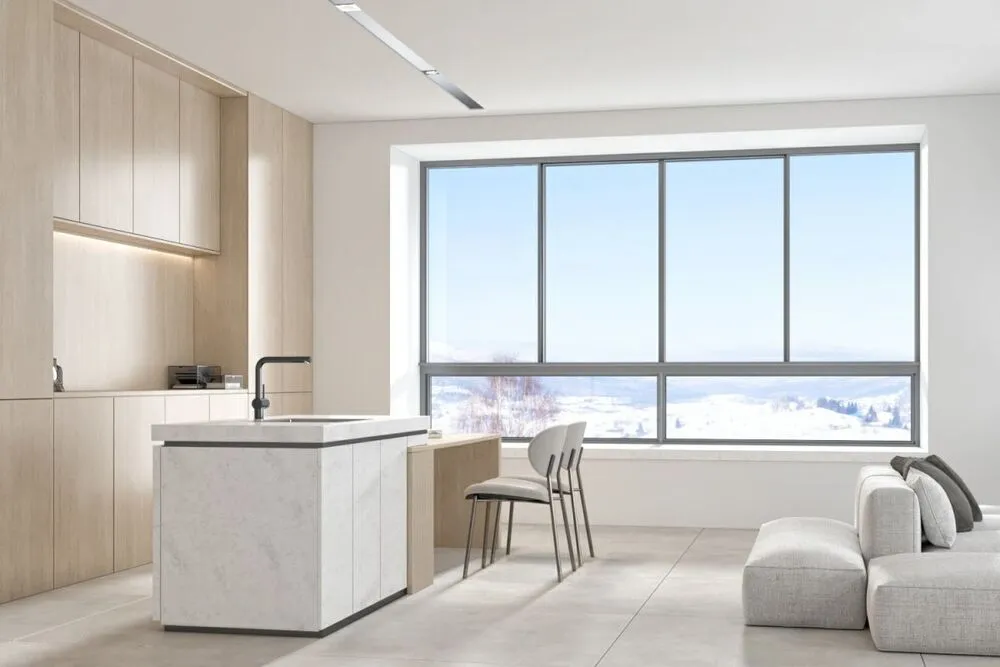
When choosing fenestration systems for business or private projects, the difference between single track and multi-track setups has a big effect on how well they work and how the users feel about them. Two screens can move independently within a single frame thanks to the parallel lines that an aluminum two track sliding window uses. This system works better than single-track options for controlling air in high-density buildings where room is limited. The dual-rail system spreads working stress across strengthened aluminum extrusions. This keeps the machinery from wearing out and increases its useful life in areas with a lot of foot traffic. Knowing these differences in structure helps buying teams match window specs to the needs of the building and the budget.
Introduction
Because they are long-lasting, flexible, and look good, aluminum folding windows are now required in all new buildings. When choosing track systems that balance working efficiency with structure performance, procurement managers, engineers, dealers, and curtain wall installers have to make important choices. The layout of the tracks has a direct effect on how well they keep heat in, how safe they are, and how much upkeep they need. These are all things that affect the total cost of a big project over its lifetime.
This article talks about the technical and business differences between aluminum slide systems with one track and systems with multiple tracks. We focus on engineering specs, safety standards, and supply chain issues that real estate investors, general builders, and people who buy building materials need to know about. Stakeholders can lower purchase risks and make sure they are in line with project timelines and building codes by looking at profile measurements, glass compatibility, and hardware integration. The comparison is based on how windows and doors are usually bought, where efficiency factors are more important than looks when making a business choice.
Understanding Single Track and Multi-Track Aluminium Sliding Windows
Basic Structural Differences
Single-track windows only have one path where panels slide along a single rail, so they can only move one sash. This simple design works well for places that need small holes for air flow, like hallway windows or extra openings in service areas. While the simplified track design saves material, it limits the track's ability to do different things.
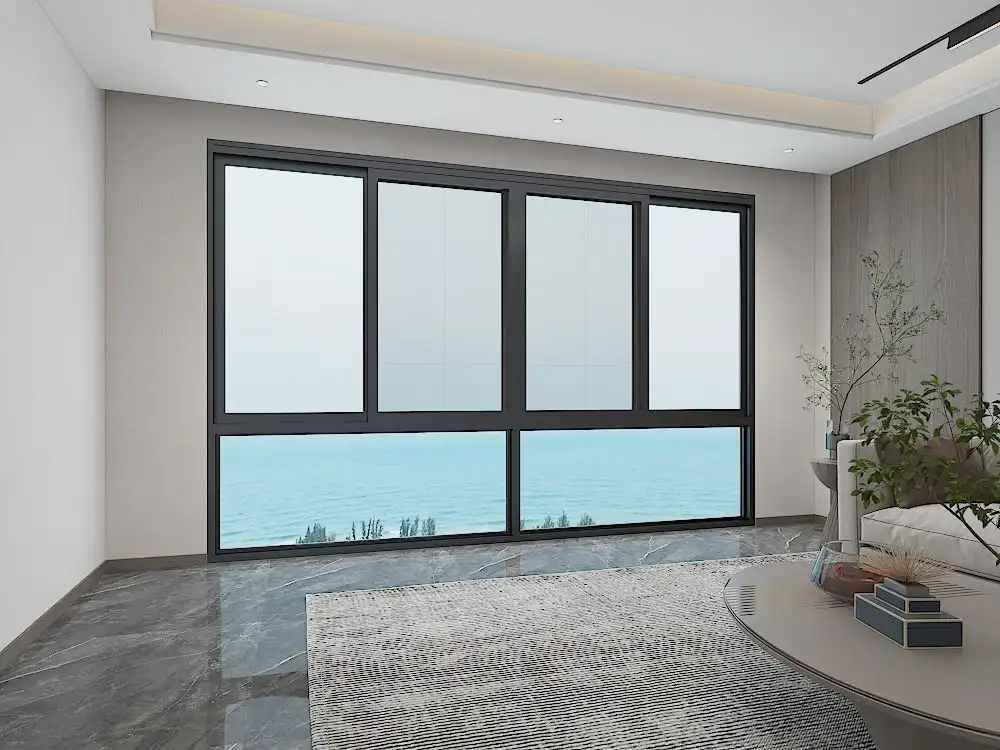
Multi-track systems have different lines, usually two parallel tracks, which let each panel move on its own. One track supports the main glass panel in an aluminum two track sliding window, and the second track holds an alternative screen or secondary sash. This arrangement lets air flow and keeps bugs out at the same time without affecting the opening area. The 6063-T5 aluminum alloy frame, which has a profile thickness of 1.4mm to 2.0mm, gives the structure the strength it needs for spans wider than 1500mm.
Panel Configuration and Operational Mechanics
Two-panel slide versions are most common in homes and small businesses because they are the best mix between cost and usefulness. The panels move on strong nylon wheels that are made to handle being cycled over and over again, which is very important in buildings with a lot of people living in them. Track systems with offset stair shapes have weep holes for gravity-fed drainage, which keeps water out during wind-driven rainstorms that are common in coastal areas.
Frame sizes, powder-coated color finishes, and the ability to integrate with automatic locking systems are all things that can be customized. The numbers 70, 80, and 90 in the standard series refer to the frame's depth in millimeters. Frames with deeper profiles can hold bigger insulated glass units for better heat performance. To make sure that North American projects meet NFRC rates, engineers can choose between toughened or double-glazed glass based on safety rules and energy saving goals.
Performance Comparison: Single Track vs Multi-Track Aluminium Sliding Windows
Energy Efficiency and Thermal Performance
Single-track designs can't support modern glass systems because they are too heavy or take up too much room, but multi-track designs can. Double-glazed units with Low-E finishes cut down on heat movement by a lot, which is important for projects that want to get LEED approval or follow changing energy rules. The thin frame design of high-quality metal systems lets in the most obvious light, which is a clear benefit in business settings where natural light lowers the need for artificial lighting.
In metal frame, thermal bridging is still a problem, but current extrusions use polyamide thermal breaks inside the profile holes to fix this problem. When compared to frames that aren't thermally broken, this designed barrier cuts off direct heat flow between the inside and outside surfaces, raising U-factor scores by 30 to 40 percent. Long-term energy efficiency is also affected by the right choice of sealing materials and the longevity of weatherstripping, especially in places where temperatures change quickly.
Durability and Material Resilience
The 6063-T5 aluminum alloy found in high-quality folding windows is very resistant to rust because it forms a natural oxide layer. This metal property is very important in places with a lot of dampness or air that is high in salt. Surface processes, like anodizing or PVDF powder coating, guard against UV damage and chemical pollution, so the structure stays strong for decades of use.
The shape of the track has a big effect on how long it lasts. Multi-point locking systems spread the closing force evenly around the frame's edges. This stops stress from building up in one place, which would otherwise cause the seal to fail early. Regularly checking the roller assemblies and track channels can help keep them from wearing out too quickly, but well-designed systems usually work smoothly for a long time with little maintenance.
Security and Access Control
Security concerns are very different depending on how the tracks are set up in an aluminum two track sliding window. Multi-track windows with multi-point locks contact the frame in three or more places at the same time, making it much harder to break in than with simple latches. Some standards include locked cylinders for limited entry in public places, while child safety limiters that limit the opening width may be more important in homes.
Impact resistance is improved by the 2mm profile thickness, which makes the structure more rigid. This is an important feature for ground-level installs or places where mischief is likely to happen. When paired with toughened or hardened glass, these windows meet high security standards without having to use big grilles that get in the way of seeing out.
Maintenance Requirements and Operational Longevity
Different types of tracks have different routine repair methods. In multi-track systems, both train lines need to be cleaned every so often to get rid of dirt that gets in the way of smooth moving. Using silicone-based oils on roller systems once a year keeps them working properly, and checking the weatherstripping for holes in it stops energy loss before it gets worse.
Single-track systems are easier to maintain, but they don't give you as many chances to change parts. When rollers break in limited-access track setups, the whole sash has to be taken off for repair, which is a lot of work compared to expensive multi-track systems where roller packs are easy to get to. These practical factors have a direct effect on site management costs over the 20–30 year lifecycles of buildings.
Choosing the Right Aluminium Sliding Window for Your Project
Project-Specific Selection Criteria
Budget factors often determine the first product choice, but lifetime cost analysis often supports high-end multi-track systems for big projects. When you buy in bulk of standard sizes, the unit price goes down by 15 to 25 percent, and the ability to make changes makes sure that they work with building plans and structural holes. Stable delivery times are very important for projects with tight deadlines, and they depend on how well suppliers manage their supplies and how much they can produce.
When building a high-rise, slide systems are better than casement or awning windows that need swing clearance because they take up less space. The two-track layout makes the most of the net free space without blocking access to repair areas or transit tracks inside the station. This practical benefit makes it easier to meet exit standards in business spaces and lessens problems with where to put furniture in residential units.
Material Comparisons and Procurement Strategy
When it comes to structural strength-to-weight ratio, aluminum is better than plastic and wood options. This means that panels can be bigger without needing extra support. The material's ability to keep its shape across a wide range of temperatures keeps it from practical binding, which is a common problem with PVC extrusions in harsh conditions. Wood frames need regular upkeep like painting and preventing rot, but factory-finished metal profiles are ready to be installed and come with guarantees that cover the integrity of the finish.
When evaluating suppliers, the most important things should be quality control systems that are ISO-certified and export experience that can be checked in target markets. Factory surveys that check the level of complexity of equipment like CNC cutting accuracy, automatic welding cells, and surface treatment skills show that a company is good at making things. Asking for case studies from projects that are similar to yours makes it easier to decide on the quality of expert help and how quickly problems are solved.
Talking to suppliers about customization timelines and minimum order numbers before finishing specs helps avoid delays. Manufacturers that have been around for a while keep enough parts in stock to support 25–30 day wait times from order approval to shipping. However, non-standard colors or hardware may make production processes longer. Clear price systems that split the costs of materials, production, and shipping make it easier to make accurate budget predictions.
Installation and Maintenance Guide for Aluminium Two Track Sliding Windows
Installation Best Practices
The first step in a proper installation of an aluminum two track sliding window is to compare the rough hole measurements to the shop plans. This makes sure that there is enough space for shimming and alignment. Installers need to make sure that the frame is straight within a 3mm range so that there is no practical pressure or premature seal wear. For attaching to solid supports, you need corrosion-resistant bolts set according to engineering standards, which are usually 300–400 mm apart around the edge.
Waterproofing integration is very important for keeping envelopes from failing. A continuous drainage plane is made by putting self-adhered flashing membranes around the rough hole border before installing the frame. When choosing a sealant, you need to think about how much the joint can move. Polyurethane or silicone products give you the flexibility you need across temperature changes. Common construction mistakes include sill slopes that are too low (less than 5 degrees) and head flashing loops that are too wide, which let water in when it rains with the wind.
Routine Maintenance Protocols
Setting up cleaning plans for track lines every three months gets rid of the dirt that builds up and speeds up roller wear. Flushing with water can block draining paths, so soft brushes and vacuum extraction work better. Checking the stiffness of weatherstripping and repairing gaskets that are worn out keeps air and water out, which keeps energy efficiency high over time.
To grease roller parts, you need non-petroleum items that don't attract dust. Dry silicone sprays are the best choice for this. Building settlement or heat expansion can be fixed by making hardware changes like aligning the lock strikes and fine-tuning the height of the panel rollers. Writing down repair tasks makes records that can be used for warranty claims and helps facility managers plan when to replace parts before they break down and stop operations.
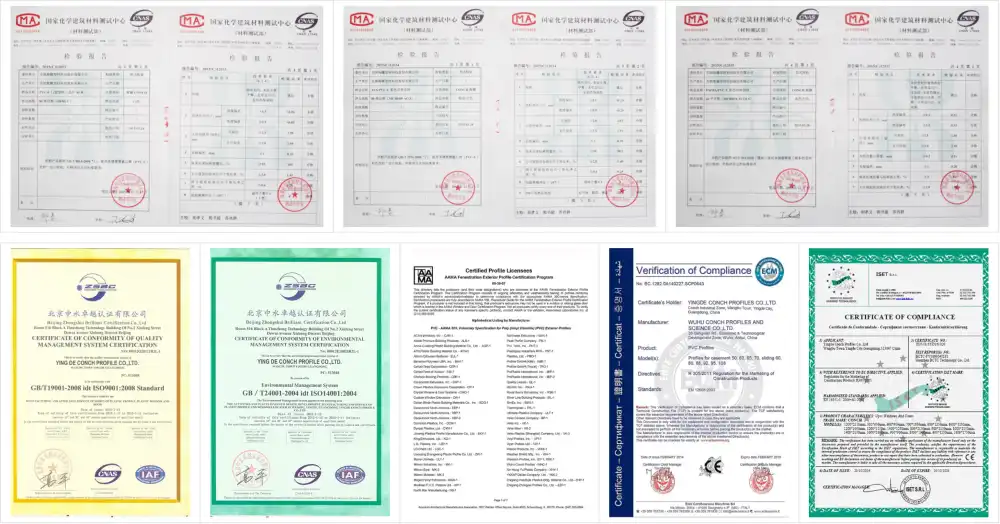
Professional fitting help and service after the sale are what set reputable sources apart from cheap sellers. When you buy something from a business, you need to be able to rely on a warranty that covers structure stability and finish performance for 5 to 10 years. Supplier licenses, such as AAMA testing results and CE statements, show that goods meet regional performance standards. This makes the process of getting specifications approved faster.
Design Innovations and Future Trends in Aluminium Sliding Windows
Emerging Technologies and Customization
Modern metal slide windows use smart building technologies, such as automatic operation that works with building control systems. Indoor air quality monitors trigger automatic opening processes that let in the most natural air without any help from a person. These new ideas are in response to climate rules that are pushing business and educational buildings to become green.
Customization of appearance goes beyond choosing a color and includes features like smooth outer curves and hidden drainage systems that match modern building styles. Narrow sightlines, which can be achieved by optimizing the extrusion shape, increase the glass area while keeping the structural performance high. Some makers make frames that are made of both metal and wood, so you can choose the style you want without losing weather protection.
Market Dynamics and Regulatory Landscape
Material sourcing choices are affected by the growing focus on stored carbon and the cycle economy. Aluminum is better than other materials in lifetime studies because it can be recycled without losing quality. Developers who care about the climate and want to reach net-zero goals are interested in manufacturers that use recycled materials while keeping the engineering qualities of 6063-T5.
New energy rules are expected to require better window performance, which will push the use of thermally broken frames and triple-glazed systems. Procurement pros can escape design obsolescence and make sure long-term product supply by keeping up with changing standards. Working together with providers who are ahead of the curve makes it easier to make changes as regulations change.
Performance Disclaimer: Specific thermal ratings, structural load capacities, and operational lifecycles depend on individual product testing reports and installation conditions. Buyers should request certified test data aligned with applicable building codes before finalizing procurement decisions.
Conclusion
When choosing between single-track and multi-track aluminum sliding windows, you need to think about both your immediate budget and the performance and operating freedom over the long term. Multiple track systems, especially aluminum two track sliding window designs, offer real benefits in terms of energy economy, air flow control, and security for projects that focus on long-term value. Because 6063-T5 aluminum alloy is good for structure and these systems can be customized in terms of size, glass, and hardware, they are the best choice for a wide range of business and domestic uses. Using providers with a history of exporting, ISO certifications, and full expert support lowers the risks of buying while ensuring on-time delivery and stability after installation.
FAQ
What advantages do two-track windows offer over single-track designs?
Two-track setups let the glass panels and extra screens work separately, so air flow can be improved and bugs can be kept out at the same time. The different rail system can handle bigger glass units, like double-glazed panels, which makes it better at keeping heat in and noise out compared to single-track systems.
Can these window systems accommodate project-specific customization for bulk orders?
Good makers let you make a lot of changes, like not using standard sizes, powder-coating finishes that fit building color choices, and adding extra security hardware. When you buy more than 500 units, you can usually change the specifications without having to pay extra for the tools, but lead times may go up by 10 to 15 days.
How do maintenance requirements impact total cost of ownership?
Cleaning and lubricating on a regular basis, which doesn't take much work, keeps operations running smoothly for decades. Repair costs are lower for multi-track systems with easily available roller wheels than for designs that need the whole sash to be taken apart. When these lifetime costs are taken into account during the original buying choices, real economic value that goes beyond unit price becomes clear.
Partner with Haolv Building Materials for Your Aluminum Two Track Sliding Window Needs
Every project our company works on is a combination of 18 years of specialized manufacturing knowledge, cutting-edge CNC machining, and strict ISO-certified quality standards. We provide technical clients, wholesalers, and curtain wall installers with solutions that are made to fit designs in the 70, 80, and 90 lines as a dedicated aluminum two track sliding window provider. Our automatic production systems can handle large orders while keeping the tight standards needed for fitting that won't let the weather in.
We offer full technical consulting services that are in line with NFRC standards. These include figuring out structure loads and modeling heat performance. From 6063-T5 extrusions to toughened glass and multi-point locking gear, you can buy everything you need in one place. This will improve your supply chain and make sure that all of the parts work together.
With enough inventory to support delivery times of 25 to 30 days and free shipping on samples (if freight applies), we get rid of the risks in sourcing that cause project timelines to slip. You can email our team at kristin@haolvwindows.com to talk about your needs and get full quotes that are made just for your job.
References
1. Anderson, J.M. (2021). Aluminum Fenestration Systems: Engineering Performance and Specifications for Commercial Applications. BuildingScience Press.
2. National Fenestration Rating Council (2022). Technical Guidelines for Energy Performance Certification of Window and Door Products.
3. Chen, L. & Rodriguez, P. (2020). Comparative lifecycle analysis of sliding window track configurations in high-rise residential construction. Journal of Building Engineering, 34(2), 78-92.
4. International Building Code (2021). Section 2403: Glazing Requirements and Performance Standards.
5. Aluminum Extruders Council (2023). Material Properties and Applications Guide for 6063-T5 Architectural Alloys.
6. Thompson, R.K. (2022). Thermal bridging mitigation strategies in metal window frames: A technical review. ASHRAE Transactions, 128(1), 412-428.
Fast simple channel to send demands lock favorable price for building window door bulk purchases.