- English
- French
- German
- Portuguese
- Spanish
- Russian
- Japanese
- Korean
- Arabic
- Greek
- German
- Turkish
- Italian
- Danish
- Romanian
- Indonesian
- Czech
- Afrikaans
- Swedish
- Polish
- Basque
- Catalan
- Esperanto
- Hindi
- Lao
- Albanian
- Amharic
- Armenian
- Azerbaijani
- Belarusian
- Bengali
- Bosnian
- Bulgarian
- Cebuano
- Chichewa
- Corsican
- Croatian
- Dutch
- Estonian
- Filipino
- Finnish
- Frisian
- Galician
- Georgian
- Gujarati
- Haitian
- Hausa
- Hawaiian
- Hebrew
- Hmong
- Hungarian
- Icelandic
- Igbo
- Javanese
- Kannada
- Kazakh
- Khmer
- Kurdish
- Kyrgyz
- Latin
- Latvian
- Lithuanian
- Luxembou..
- Macedonian
- Malagasy
- Malay
- Malayalam
- Maltese
- Maori
- Marathi
- Mongolian
- Burmese
- Nepali
- Norwegian
- Pashto
- Persian
- Punjabi
- Serbian
- Sesotho
- Sinhala
- Slovak
- Slovenian
- Somali
- Samoan
- Scots Gaelic
- Shona
- Sindhi
- Sundanese
- Swahili
- Tajik
- Tamil
- Telugu
- Thai
- Ukrainian
- Urdu
- Uzbek
- Vietnamese
- Welsh
- Xhosa
- Yiddish
- Yoruba
- Zulu
Exploring the Benefits of Tilt and Turn Casement Windows
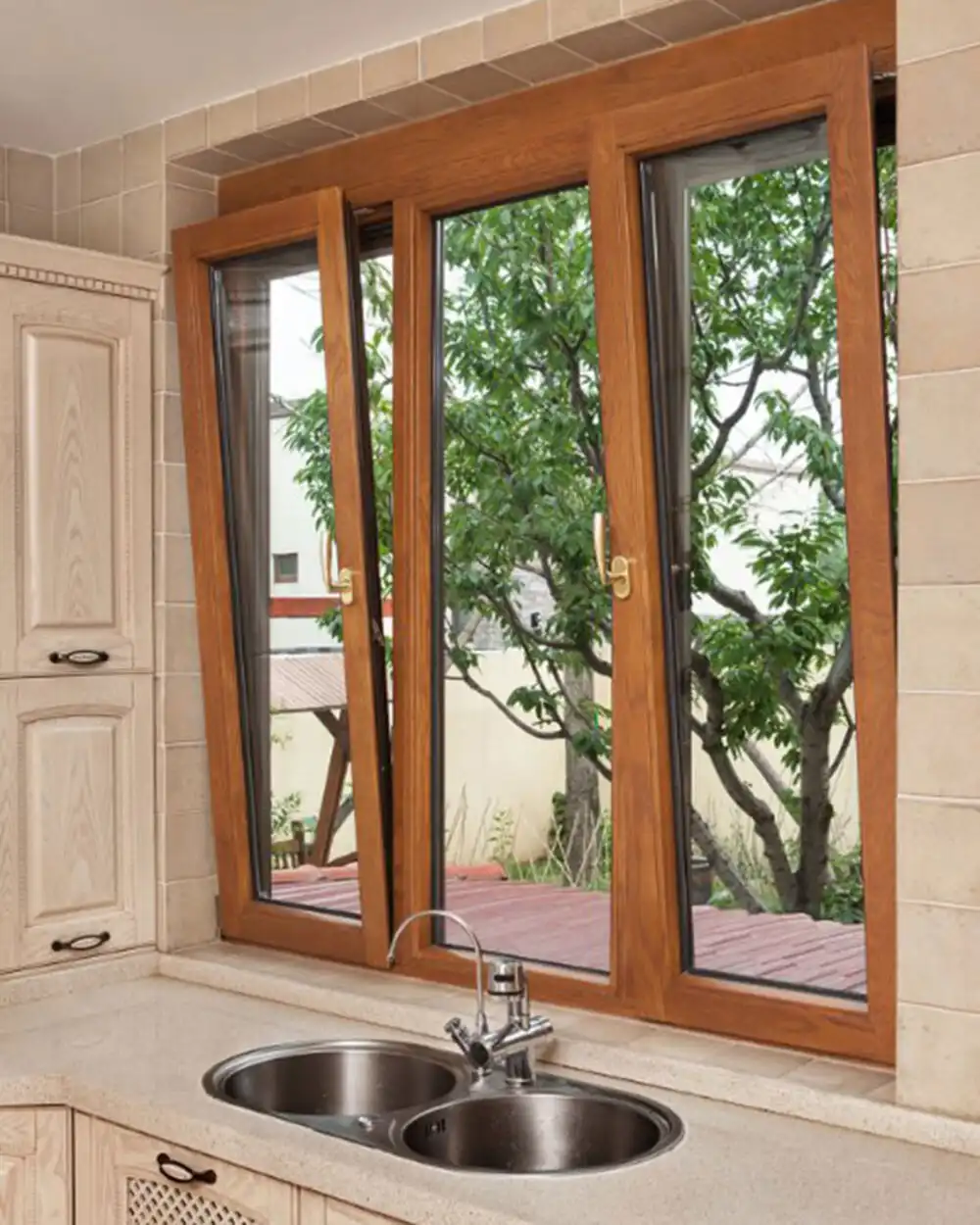
Tilt and turn casement windows are a high-tech dual-action window system that comes from European building standards. They are made to be flexible and easy to use with just one handle. The "tilt" position opens the window inward at the top for safe, draft-free air flow. The "turn" position swings it inward on side hinges like a door, letting in the most air and making it easy to clean the outside glass from inside. This clever mechanism solves important problems like upkeep risks at high elevations, weak security in outward-opening designs, and inefficient energy use caused by single-point locking systems. These windows are becoming more valuable in both home and business building envelopes because they have a constant compression seal and multi-point locking hardware.
Understanding Tilt and Turn Casement Windows
What Makes Dual-Operation Windows Different?
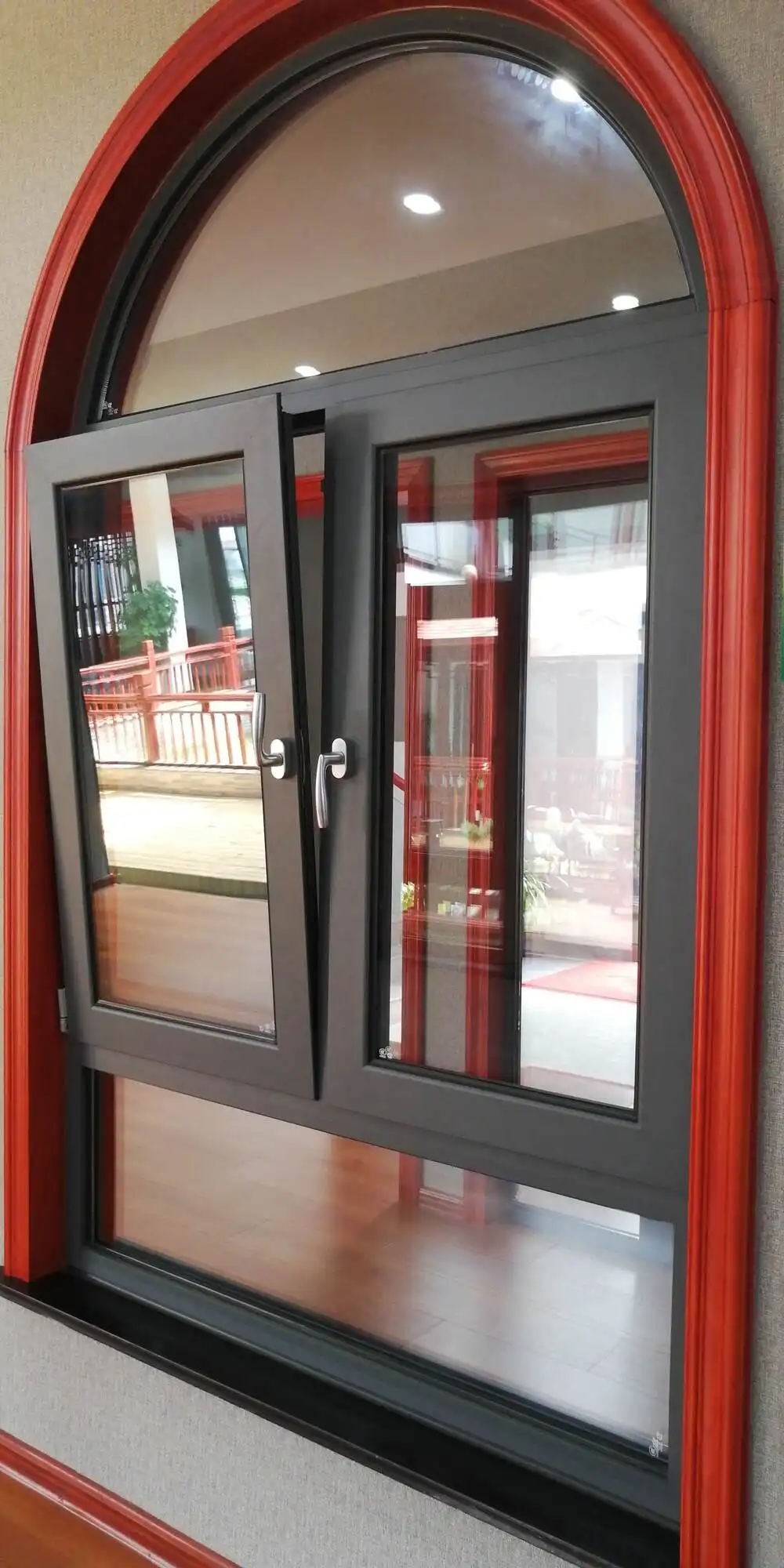
Dual-operation windows are different from standard casement or sliding windows because they have two different ways to open within the same frame system. The tilt function turns the sash about 10 to 15 degrees inward from the top. This makes a space for air flow while keeping rain out and people from getting in without permission. The turn function lets you fully swing the door inward, and friction hinges on the side usually rotate 90 to 110 degrees. This engineering method gets rid of the space problems and upkeep issues that come with windows that open outward.
This is especially helpful in high-rise buildings where accessing the outside can be dangerous. The closing points and hinge contact are controlled by a handle that can be turned. When the handle is upright, it locks all the closing points for a weathertight seal. When you turn it 90 degrees, the tilt function starts, and when you turn it 180 degrees, the turn function starts. This simple control system works with European-standard multi-point locks and friction hinges that are made to work smoothly with sashes of different weights.
Technical Architecture and Components
The base of the structure is made up of aluminum alloy profiles, which are usually made of 6063-T5 high-strength material and have profile widths between 1.4 and 2.0mm. Thermal break technology can be built into the profile chambers to make the insulation work better. Frame depths of 70mm, 80mm, and 100mm are available for this line, so it can fit a range of glass types and performance needs. You can choose from double, triple, or laminated glass, and each has its own temperature and sound goals.
The hardware system has European multi-point locks and friction springs that can handle sash weights of up to 150kg while keeping the door's operation smooth over long service cycles. The stability of the seal hinges on three EPDM gaskets working together with brush seals to make compression barriers that stop water and air from getting in. Integrated mosquito screens and kid safety locks are available as options for some setups, making the product more functionally flexible for a wider range of project needs.
Operational Principles for Commercial Applications
Several problems that keep coming up in business building management can be solved by the inward-swinging design. When you can reach exterior glass surfaces from inside, you don't need scaffolding, swing stages, or other specialized entry equipment for regular repair and cleaning. This trait is especially useful in office buildings with multiple floors, hotels, and institutions where maintaining the outside can be hard to do safely and efficiently. The tilt mode lets air flow be managed without lowering security standards.
The limited opening angle keeps people from getting in without permission while still letting air flow freely, meeting the needs for indoor air quality in crowded areas. This feature is in line with building rules that stress the importance of natural air and making sure people are comfortable. The turn mode makes it easier to get out in an emergency when the code says to, by giving you an alternative escape route that stays safe when the system is running normally. Performance specifications should be verified through product-specific testing reports and certification documentation.
Key Benefits of Tilt and Turn Casement Windows
Superior Energy Performance and Thermal Control
Tilt and turn casement windows have many advantages, including better thermal control and energy efficiency. The airtight closing system meets classification levels up to A4 according to EN 12207 standards. This makes it much harder for unchecked air to flow through and cause heating and cooling loads. When the right glass is used with these window systems, they can reach U-factors of 0.15 to 0.25 Btu/hr·ft²·°F, which meets strict energy codes and helps LEED certification goals.
The multi-chambered profile design makes thermal breaks that stop heat from moving, and the compression seal stops air from leaking out of the tracks that are common in sliding windows. HVAC running costs go down significantly in buildings that use these high-performance systems. The better thermal environment lowers the peak demands for heating and cooling, which lets the mechanical system be smaller during the planning stages. For Passive House projects, these windows are often chosen because they can meet strict energy goals without limiting ventilation or working freedom.
Enhanced Security Through Multi-Point Locking
Multi-point locking makes things safer. When defined with the right hardware configurations, security performance meets RC2 or RC3 burglar resistance grades. The multi-point locking system works at different points around the sash's edge at the same time. This spreads out the resistance forces and stops people from looking in or breaking in.
The spread locking method works a lot better than the single-point locks used in sliding or single-hung designs. This higher level of security is good for businesses that keep valuable tools or private data locked up or that are only open during certain hours. Certain areas, like healthcare facilities, schools, and ground-floor stores, are more likely to be broken into. These closing systems fix this problem without the need for extra security gear or grilles that block views and natural light.
Acoustic Insulation for Noise-Sensitive Environments
Acoustic insulation is critical for places that are sensitive to noise. Sound Transmission Class (STC) rates of 45dB or higher are possible because of the compression seal and multi-chamber profile construction. This depends on the type of glass used and the frame design. This sound performance is very important in city business buildings that are close to transportation hubs, entertainment areas, or factories.
Acoustic separation is needed to keep conference rooms, private workplaces, healthcare patient areas, and educational spaces useful and comfortable for the people who use them. It is possible to add laminated glass packages to improve sound absorption even more, especially for low-frequency noise that gets through regular window systems. The airtight seal gets rid of the sound flanking paths that come with movable sliding windows. This makes the sound performance more consistent and predictable across the frequency range.
Flexible Ventilation Control
The ability to do two things at once gives people detailed control over how much air changes and how fast it changes. When the tilt position is used, a controlled opening is made that lets air into the stack without making drafts or letting rain or snow in during bad weather. This mode is useful in places where it rains a lot or when constant background ventilation is needed to help control the indoor air quality. The turn position provides the most air flow when it's needed quickly, like when the seasons change or when there are brief increases in the number of people in a place. Fixed ventilation strategies have practical trade-offs that this freedom gets rid of. This lets building managers respond quickly to changing environmental conditions and occupancy trends.
Maintenance Accessibility and Lifecycle Value
Having the option to open inwards completely changes how business buildings are maintained. Cleaning glass on the outside of buildings stops being a specialized service that needs expensive entry tools and trained staff and starts being a regular job inside. This includes being able to check the hardware, repair the weatherstripping, and make practical changes that keep the system running well for a longer time.
The gear systems use friction locks and stainless steel parts that are made to last even when they are loaded and unloaded many times. With the right specifications and installation, an operating lifecycle can last for more than 20,000 opening and closing rounds without losing much performance. These qualities of longevity lower lifetime costs by extending the time between replacements and reducing the amount of operational work that needs to be done.
Comparison of Tilt and Turn Windows with Other Window Types
Operational Advantages Over Sliding Windows
Tilt and turn casement windows offer advantages over sliding windows in terms of how they work. Track-mounted rollers and single-point latches are what make sliding window systems work less well than other types. Track systems collect dirt and other things that get in the way of their working and make air leakage tracks. The compression seal in the tilt and turn casement windows designs gets rid of these weak spots, making the airtightness and water protection better.
The multi-point locking system evenly applies the closing force to the whole sash edge, keeping the seal compressed. Sliding windows, on the other hand, use single-point latches, which create uneven sealing pressure and areas where water could leak in. The way space is used is very different between these methods. Sliding windows need space inside the frame for the sash to move, which means that only about half of the frame opening can be used. When handled in turn mode, tilt and turn casement windows offer a clear opening of 100%, making the most of the frame's air and emergency exit options.
Structural Performance Compared to Double-Hung Windows
Compared to double-hung windows, how well they hold up. Double-hung windows use spring systems or balanced sash weights that make them harder to use and require more upkeep. The sliding sash design has the same track-related problems as horizontal sliders, such as ways for air to leak out and for trash to build up. With hinge-based operation and compression sealing, tilt and turn casement windows get rid of these technical problems. They keep working the same way without needing to be adjusted or replaced every so often.
The wind load strength is much higher in the casement design. When the wind blows, the sash closes against the frame, making the seal stronger instead of causing forces that pull the two apart. When bad weather hits, the meeting rails of double-hung windows are pushed outward, which can damage the weatherstripping and let water in. The structural benefits are especially useful in seaside areas or high-rise buildings where the design wind forces are higher than those normally found in homes.
Material Performance: Aluminum Versus Vinyl
Aluminum profiles have better structural strength-to-weight ratios, which means that bigger sashes can be used without any problems or deformation when they are loaded. The 6063-T5 metal standard is very good at resisting corrosion and keeping its shape at all temperatures. Thermal break technology takes advantage of the fact that metal conducts heat, making its thermal performance similar to that of insulated vinyl systems while keeping its structural benefits. Vinyl systems naturally fight heat without the need for thermal breaks.
This makes shape design easier and could lower the cost of materials. Vinyl, on the other hand, has higher coefficients of thermal expansion and contraction, so it needs to be carefully designed to keep the seal intact and allow for working openings during yearly temperature changes. The material is also not as strong structurally, so it can't hold as much glass or have as big of sashes as metal systems can. Aluminum is often used in commercial settings because it is strong, doesn't catch fire, and can handle the wider glazing lengths that are needed in modern architecture.
Installation and Procurement Considerations for B2B Clients
Measurement Precision and Opening Preparation
Things that B2B clients should think about when installing and buying tilt and turn casement windows include accurate measurements and getting the opening ready. It is very important to have accurate rough opening measurements in order to meet performance standards. As part of the measuring process, structural deflection, out-of-plumb situations, and building tolerances that affect frame installation and operating gaps must all be taken into account.
Commercial projects should set up measurement rules that include checking each hole from different angles, writing down diagonal measurements to make sure the windows are square, and figuring out what needs to be fixed before the windows are delivered. The rough opening must be strong enough to hold the weight of the window unit and pass practical loads to the building frame. Attachment points should be chosen based on the type of ground, the wind loads that are expected, and the building codes. Anchors often fail because they are not properly chosen or installed, which affects both the structure's strength and its ability to withstand weather.
Installation Quality Control Procedures
To meet the performance standards for thermal and air leaks, the compression seal system needs constant gaps between the frame and the rough hole all the way around. Setting blocks and shims that can be adjusted should be used by installation teams to keep things in place during the insulation and mounting steps. Filling in gaps should be done with low-expansion foam insulation or backer rod and sealant methods that work with the building shell and frame materials.
Adjusting the hardware is an important part of the installation process that affects how the system works, how the seals close, and how long it lasts. The multi-point locking system needs to work evenly around the edge of the sash, so there isn't a buildup of too much force that speeds up wear or makes seal gaps. Handle operation force should be checked against ergonomic standards. For home uses, the torque requirement should be less than 10Nm, and for business sash sizes, it should be changed accordingly.
For water management and drainage plane consistency, flashing integration follows well-known rules. The window unit must be properly joined and sealed to fit into the building's weather-resistant barrier system. This will keep water away from weak spots where it could get in. As part of good construction practices, water testing is done to make sure that the building cover will hold up in storms that are similar to the ones that were planned.
Supplier Selection Criteria for Project Success
Procurement teams should look at possible providers' success in more than one way, not just by price per unit. Manufacturing capacity and the ability to predict lead times have a direct effect on how well a project stays on schedule. This is especially true for big orders that need to be delivered in stages that match the order of building. Suppliers should show that they have the production capacity, inventory management systems, and transportation skills needed to meet the particular delivery needs of the project.
Having technical support skills is especially helpful when making specifications and going over shop drawings. Suppliers with experienced engineering staff can help with making sure that performance specifications are met, that special sizes are possible, and that connection details are taken care of in a way that keeps field coordination issues from happening. Building code approval and design professional paperwork needs can be met by providing sealed engineering estimates for structure adequacy, condensation resistance, and energy performance.
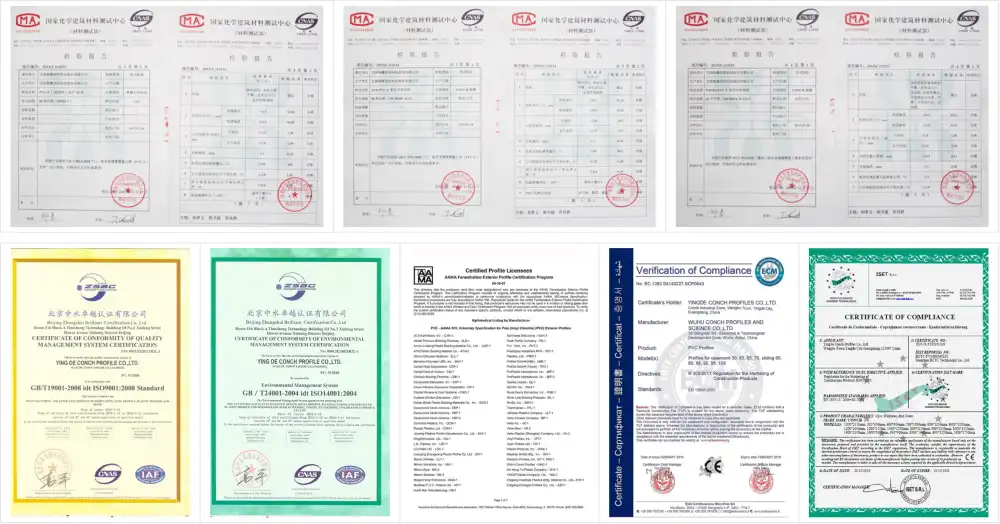
Certification and testing records show that building rules and standards are being followed. When it comes to commercial projects, they usually need NFRC scores for energy performance and AAMA approval for structural and weather defense performance. Depending on the needs of the project, they may also need extra acoustical or security tests. It's important for suppliers to keep their certifications up to date and give specific test results for each product instead of general material that might not match up with real made assemblies.
Bulk Procurement Strategies and Cost Optimization
Buying in bulk lets you negotiate prices and change specifications, which improves the economics of the project. By using smart frame sizing to standardize window sizes across a range of opening sizes, production complexity and costs are cut. Including providers in the design development process lets you make choices about specifications that balance performance needs with cost and efficiency goals for production. Strategies for arranging deliveries have an effect on both costs and the operations of a project.
When packages are combined, the cost of freight per unit goes down, but there needs to be enough storage and security on-site. Phased delivery that fits with installation plans reduces the need for storage space and the risk of running out of stock, but it may raise the cost of transportation and make collaboration more difficult. These trade-offs should be looked at by procurement strategies based on the specifics of the project site, store space, and construction order.
Conclusion
The two-in-one design of tilt and turn casement windows gives them measured performance benefits in areas like energy economy, security, noise control, and maintenance accessibility. These benefits have a direct effect on the costs and functions of the building over its lifetime. When looking at choices for commercial projects, procurement professionals should give more weight to suppliers that can show high-quality manufacturing, expert support, and certification compliance that ensures product performance meets project requirements.
Because these systems can be used in a lot of different ways and close better than others, they are perfect for situations that need high-performance building envelopes without limiting the ability to ventilate or make repairs. By carefully choosing suppliers and writing detailed specifications, project teams can take advantage of these technology benefits while still staying within their budgets and on time.
FAQ
Q1: What operational cycle count should procurement teams expect from quality hardware systems?
A: How many operating cycle counts should teams in charge of buying tilt and turn casement windows expect from good hardware systems? When properly made and installed, quality European hardware systems can usually handle 20,000 or more opening and shutting cycles without losing much of their performance. This longevity relies on a number of things, such as the type of hardware used, the weight of the sash, how it is installed, and how often it is maintained.
Q2: How do these windows perform in high-wind coastal environments?
A: When there is a lot of wind, the casement design works really well because the wind pressure pushes the sash closer against the frame, which makes the seal stronger instead of weakening it. According to ASTM E331, testing for water entry makes sure that the system works under certain pressure differences that are like strong storms. Coastal sites should ask for finishes that are anodized or powder-coated to protect against corrosion better in marine settings.
Q3: Can these window systems accommodate specialized glazing for security or acoustic requirements?
A: Strong frame parts and heavy-duty bolts make it possible to use laminated security glazing and specialized acoustic glass kits that go beyond what is required for homes. Frame depth choices should be able to handle the thicker glass that comes with higher-performance packages, while still allowing for enough space around the edges and supporting the structure.
Partner with a Trusted Tilt and Turn Casement Windows Manufacturer
Haolv Building Materials has been specialized in manufacturing for 18 years and is now selling tilt and turn casement windows in North America. They offer advanced production skills and full technical support for both business and domestic projects. Our modern factory has both automated assembly systems and precise CNC cutting tools that work together to make sure that the quality of both standard and custom window layouts is always the same. We make aluminum parts out of the 6063-T5 alloy, and the profile thickness ranges from 1.4mm to 2.0mm.
We offer thermal break choices and a number of series depths, such as 70mm, 80mm, and 100mm options. There are double, triple, and laminated glass packages, as well as European multi-point locking gear and friction springs that are designed to make operation smooth. The standards for our quality management system are ISO-certified, and they include thorough testing methods that look at things like air infiltration, water penetration, and hardware reliability. We keep our CE, AAMA, and GB/T 8478-2020 certifications up to date to meet the needs of foreign projects.
As part of their project support services, companies offer free expert advice, help with designing solutions, and full-process follow-up from the proposal stage to delivery. Our long-term relationship with CONCH guarantees consistent material quality, and having enough stock lets us deliver standard and special orders in 25 to 30 days. Get in touch with our purchasing team at kristin@haolvwindows.com to talk about the details of your project and get custom solutions from a provider of skilled windows that is dedicated to meeting your building envelope needs.
References
1. American Architectural Manufacturers Association. "AAMA/WDMA/CSA 101/I.S.2/A440: North American Fenestration Standard/Specification for Windows, Doors, and Skylights." 2017.
2. National Fenestration Rating Council. "NFRC 100: Procedure for Determining Fenestration Product U-factors." 2020 Edition.
3. European Committee for Standardization. "EN 12207: Windows and Doors - Air Permeability - Classification." 2016.
4. ASTM International. "ASTM E283: Standard Test Method for Determining Rate of Air Leakage Through Exterior Windows, Skylights, Doors, and Curtain Walls Under Specified Pressure Differences." 2019.
5. Passive House Institute. "Criteria for the Passive House, EnerPHit and PHI Low Energy Building Standard." Version 9f, 2016.
6. International Code Council. "International Energy Conservation Code (IECC): Chapter 4 - Residential Energy Efficiency." 2021 Edition.
Fast simple channel to send demands lock favorable price for building window door bulk purchases.