- English
- French
- German
- Portuguese
- Spanish
- Russian
- Japanese
- Korean
- Arabic
- Greek
- German
- Turkish
- Italian
- Danish
- Romanian
- Indonesian
- Czech
- Afrikaans
- Swedish
- Polish
- Basque
- Catalan
- Esperanto
- Hindi
- Lao
- Albanian
- Amharic
- Armenian
- Azerbaijani
- Belarusian
- Bengali
- Bosnian
- Bulgarian
- Cebuano
- Chichewa
- Corsican
- Croatian
- Dutch
- Estonian
- Filipino
- Finnish
- Frisian
- Galician
- Georgian
- Gujarati
- Haitian
- Hausa
- Hawaiian
- Hebrew
- Hmong
- Hungarian
- Icelandic
- Igbo
- Javanese
- Kannada
- Kazakh
- Khmer
- Kurdish
- Kyrgyz
- Latin
- Latvian
- Lithuanian
- Luxembou..
- Macedonian
- Malagasy
- Malay
- Malayalam
- Maltese
- Maori
- Marathi
- Mongolian
- Burmese
- Nepali
- Norwegian
- Pashto
- Persian
- Punjabi
- Serbian
- Sesotho
- Sinhala
- Slovak
- Slovenian
- Somali
- Samoan
- Scots Gaelic
- Shona
- Sindhi
- Sundanese
- Swahili
- Tajik
- Tamil
- Telugu
- Thai
- Ukrainian
- Urdu
- Uzbek
- Vietnamese
- Welsh
- Xhosa
- Yiddish
- Yoruba
- Zulu
Why Choose Thermally Broken Aluminum Windows for Your Home?
When choosing the right window system for a home or business, you need to think about how well it will save energy, how long it will last, and how much it will cost in the long run. Thermal Break Aluminum Profiles solve these problems by adding a polyamide buffer between the inside and outside aluminum parts. This stops heat from moving and keeps the structure strong. This technology is now necessary for projects that want to meet energy codes and make occupants more comfortable. When developers, builders, and procurement professionals are in charge of big building or remodeling projects, knowing about the technical benefits of thermally insulated aluminum systems can help lower operating risks and get measurable performance results in a range of climate zones.
Understanding Thermally Broken Aluminum Profiles
What Makes Thermal Break Technology Different?
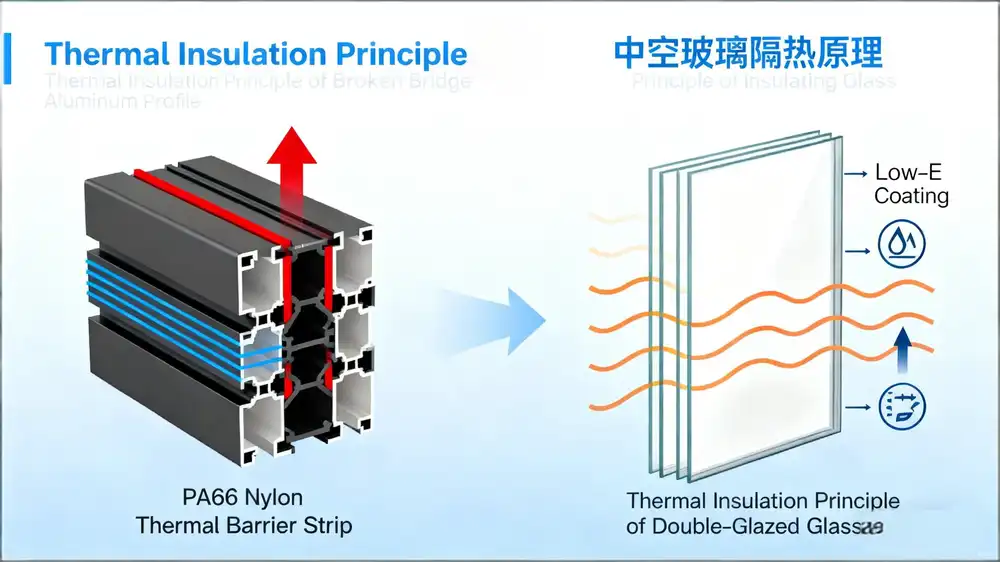
Aluminum window frames from the past quickly conduct heat, making thermal bridges that hurt the performance of the building environment. Thermal Break Aluminum Profiles fix this problem by putting a PA66 nylon strip, which is usually 1.4 to 3.2 mm thick, between the inside and outside aluminum pieces. This non-metallic barrier cuts down on heat conductivity by a large amount without affecting the hardness of the aluminum alloy 6063-T5 or T6 materials.
This effect is stronger because of the multi-chamber profile shape. The frame's air pockets add extra layers of insulation, dropping U-values to levels that meet passive house guidelines in many places. When paired with 20–36 mm insulated glass units, these systems reduce heating and cooling loads in a way that can be measured. This has a direct effect on building owners' running costs.
Construction and Design Principles
When making thermal break devices, manufacturing accuracy is very important. High-precision manufacturing processes make sure that the chamber and wall width are always the same, and the crimping or roll-in method holds the polyamide strip firmly in place. This mechanical bond has to be able to handle structure loads and cycles of thermal growth for many years. Surface processes like anodizing, powder coating, or PVDF finishing protect against UV damage and rust. These choices also allow for custom RAL color specs, which lets builders match the look of the facade to the needs of the project while keeping the performance levels high. Because they are made of durable metal and effectively separate heat, these profiles can be used for curtain walls, entrance systems, and high-performance windows in both business and domestic settings.
Thermal Insulation Mechanics Explained
There are three ways that heat moves through building envelopes: conduction, convection, and radiation. Because aluminum is a good conductor of heat, it can lose heat through conduction. The thermal conductivity of the polyamide thermal strip (usually PA66 GF25 grade) is about 1,000 times lower than that of aluminum. This means that the thermal transmission line is broken. The shape of the chamber also affects the convection currents inside the profile. Multi-chamber systems that are well-designed keep air from moving around too much, which lowers convection heat loss. When low-emissivity glass coatings and inert gas fills are added to insulated glazing units, the system as a whole gets U-values that are often below 0.30 W/m²K. This meets strict energy standards in cold climate zones.
Comparing Thermally Broken Aluminum Profiles to Other Materials
Performance Against Standard Aluminum and uPVC
Standard metal frames that don't have thermal breaks have U-values that can be higher than what is allowed by law in many places. This can cause condensation problems and comfort issues. When Thermal Break Aluminum Profiles are used, these values drop by a lot, getting closer to the insulation levels usually found in uPVC frames. But metal has clear benefits when it comes to its ability to hold things together. Aluminum is stronger than it is heavy, which makes it a good choice for projects that need big span windows, high wind load protection, or slim sightlines. uPVC frames might work as well for thermal performance in smaller home windows, but they aren't strong enough for business glass or hurricane-resistant uses.
Maintenance needs are very different. Aluminum shapes are better than plastic ones at resisting harm from UV light, water, and warping. Color stability through PVDF or anodized finishes keeps the look good without having to be painted over and over again, which lowers the cost of upkeep over the product's lifetime. This reliability is especially useful for big projects where getting new parts is hard to do and costs a lot of money.
Lifecycle Cost Analysis
The initial costs of materials for thermal break aluminum systems are usually higher than those for normal aluminum or uPVC choices. But lifecycle cost estimates show different results when you take into account how much energy is saved, how often upkeep is done, and how often replacements are needed. Energy modeling studies show that houses with high-performance thermally broken metal windows have lower yearly costs for heating and cooling. These saves add up over the life of the building, often making up for higher initial costs within payback times that are in line with standard project financing structures.
Durability makes the repair cycle longer. Different products have different lifespans depending on how they are maintained and how they are exposed to the environment. However, metal systems usually keep their structural and aesthetic integrity for a long time. This durability cuts down on trash and the costs of delays that come with replacing windows in buildings that are already occupied. When procurement managers look at the total cost of ownership, these things make a big difference in how they calculate ROI.
Environmental and Regulatory Considerations
The fact that aluminum can be recycled is good for the environment. Post-consumer metal keeps its features even after being recycled many times without losing any quality. For projects that want to get LEED or BREEAM approval, choosing materials that are high in recycled content and can be reused or returned at the end of their useful life is a plus.
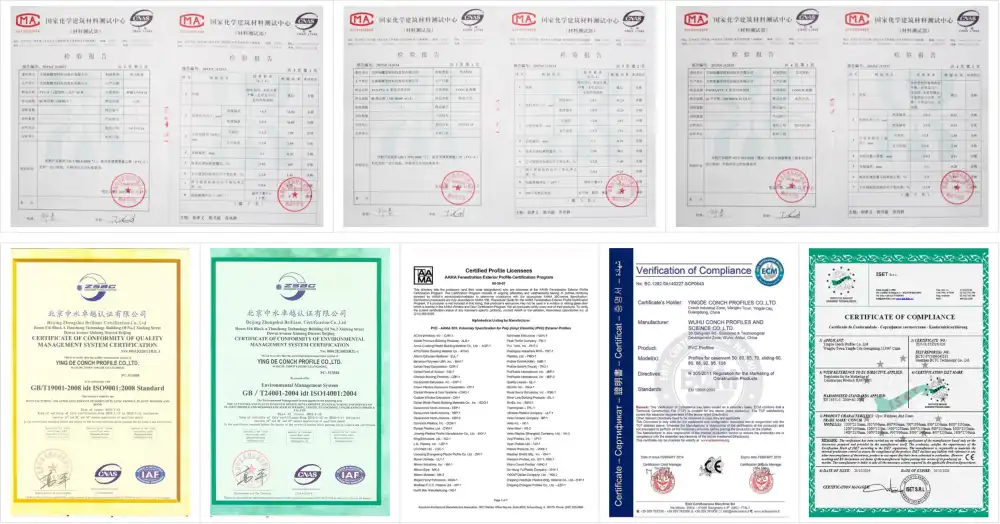
Compliance with regulations is another important thing to look at when comparing. Thermal Break Aluminum Profiles that meet CE, ISO, and AAMA standards have been tried to show that they work well in terms of air flow, water flow, structural load, and heat transfer. These certifications give procurement teams written proof that the goods will do what they're supposed to do under the terms of the deal. In the US, energy rules are making it more and more necessary for fenestration devices to have maximum U-values. Thermal Break Aluminum Profiles that are designed to get low U-values put projects in a situation where they can meet code requirements without having to make design changes. This is especially helpful in mixed-use plans or repair projects that need to keep the building's original style while also meeting modern energy standards.
Procurement Insights: Sourcing Thermally Broken Aluminum Profiles
Supplier Selection Criteria
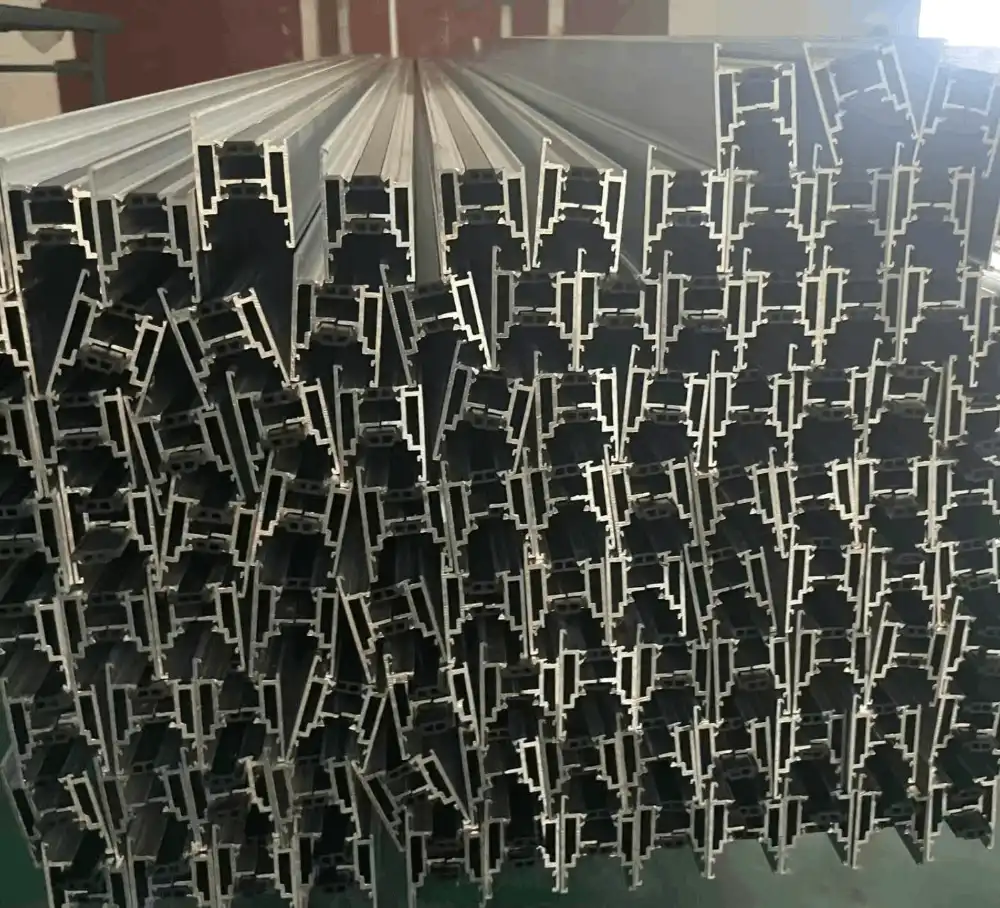
To find skilled Thermal Break Aluminum Profiles makers, you need to look at a number of their capabilities. Some signs of production capacity are the number of tons that can be processed on an extruder line, the number of surface treatment facilities, and the level of automation in the assembly process. Suppliers with facilities that handle the whole process, from extruding raw materials to putting together finished products, usually have better quality control and faster wait times.
Certification files show that production standards are being followed. Quality assurance methods like ISO 9001 for quality control, ISO 14001 for environmental management, and product-specific standards like NFRC ratings for the US market or CE marking for European products show that quality control procedures are in place.
Asking for test results that show testing for thermal performance, structural strength, and durability helps compare promises to project requirements. When buying things from other countries, export knowledge is very important. Suppliers who have worked on projects in your target market before and have written records of their work know the local building codes, how to ship goods, and how to keep records. Case studies that show similar project sizes, levels of customization, or time requirements give trust in the ability to carry out the work.
Customization Capabilities and Lead Times
Off-the-shelf options are rarely a good fit for big projects. By looking at a supplier's technical help, you can tell if they can turn building drawings into profile designs that can be made. Reviewing, expert advice on glass specs, hardware integration, and structural formulas are all things that add value on top of just supplying basic products. Surface finishes and color matching are also customizable. When projects call for specific RAL colors or coats, they need suppliers with flexible finishing lines and good color matching methods. Sample review processes should include ways to see finish samples in different lighting conditions so that the look is right before full production runs.
Stable lead times have a direct effect on how projects are scheduled. To avoid expensive delays, it's important to make sure that stated delivery times include time for custom extrusion dies, surface treatment batching, and shipping between countries. It should be made clear whether there is enough inventory for normal profiles or if special manufacturing timelines are needed. Setting up gaps for what-if situations that are in line with suppliers' production cycles and shipping method choices is helpful for procurement managers.
Pricing Structures and Volume Considerations
The price of a Thermal Break Aluminum Profiles is based on a number of different cost factors, such as the price of raw aluminum, polyamide strip materials, surface treatment methods, and the work needed to make the profile. To make a good budget, you need to know how providers set their prices, whether it's per linear meter, per full window unit, or through tiered volume savings.
Price models can often be arranged for project-based purchases that involve large amounts. By talking about the full scope of the project, the required release schedule, and possible return business, buyers can set themselves up to negotiate good terms. To compare prices, specs must be normalized so that all of them have the same thermal performance, profile measurements, and finish quality. When you buy something from another country, the total cost depends on the payment terms and the currency used. To make correct landed cost predictions, it's important to know if the price includes taxes, shipping insurance, and inland transportation. Setting up letters of credit or other risk-mitigation tools saves both sides in big deals where things take a long time to make.
Technical and Installation Aspects for Buyers and Engineers
Installation Best Practices
When metal window systems are installed correctly, they keep the heat performance that was built into them. To get continuous insulation planes, you need to pay close attention to how window frames connect to wall panels. To keep thermal bridging from happening at the rough opening edge, installation teams need to know about flashing details, how to use sealants, and how to make sure that insulation stays in place.
For different glazing systems to work together, window providers and glazing workers need to work together. Different systems, like structural silicone glazing, manually trapped glass, and pressure plate systems, have different tolerance needs and ways of installing them. Problems in the field are less likely to happen when there are talks before the installation to go over shop drawings, check opening sizes, and confirm installation routines.
As part of quality control during installation, the frame's squareness is checked, as are the working hardware's changes and the weather seal's integrity. These steps make sure that the performance that was planned for the building actually works. Thermal imaging studies done after the installation can find mistakes in the installation that are letting air leak or causing thermal bridges before the building is put into use.
Maintenance Protocols for Longevity
Aluminum windows that block heat last longer when they get regular care. As part of routine inspections, the state of the sealer around the edges of the glazing and the frame joints should be checked. sealer degradation lowers the weather resistance and can let water in, which affects the integrity of the thermal break. When cleaning, you should not use rough chemicals that damage surface finishes. Powder-coated and anodized metal surfaces can keep their look by being cleaned with light soaps and soft cloths.
EPDM sealing gaskets should be checked for cracks or compression set on a regular basis, and most system makers offer replacements to keep the multi-layer sealing working well. Operating hardware, like hinges, locks, and motors, needs to be oiled and adjusted on a regular basis to keep working smoothly. Fixing small problems right away stops wear and tear that could lead to having to repair the whole piece of gear. Keeping records of repair tasks helps people follow through on their warranties and lets facility managers see how performance is changing over the life of a collection of buildings.
Structural Performance and Code Compliance
Thermal Break Aluminum Profiles must be able to handle the load needs of the structure while also acting as a thermal barrier. Engineering studies show that profile cross-sections offer enough moment resistance for the wind loads that were planned, without bending too much. The polyamide strip doesn't add much to the structure, so the geometry of the metal piece meets all the structural needs.
AAMA guidelines include testing procedures that check how well structures work, how much water they can fight, and how much air they can let in under conditions that are similar to real-life service situations. Products that have been tested to these standards give specifiers information about how well they meet the requirements of the US building code.
Code compliance is guaranteed by matching tested parts to project exposure groups and design pressures. Another part of technical review is acoustic function. Ratings for sound transmission class (STC) range from 35 to 50 dB. These numbers are based on the width of the glass, the building of the insulated glazing unit, and the frame closing systems. Higher STC ratings are possible for projects next to traffic routes or in urban areas by using better glass specifications and EPDM sealing configurations.
Future Trends and Energy Efficiency Impact
Contribution to Green Building Certification
Multiple types of credits can be earned for Thermal Break Aluminum Profiles window systems through sustainable building certification schemes. Energy efficiency points are given to envelope assemblies that have U-values that are lower than the minimum standards set by the code. Credits for material choice recognize recycled metal content and, when appropriate, regional material sources.
LEED v4 puts a lot of emphasis on whole-building energy models. The performance of the windows has a big effect on the heating and cooling loads. Projects that show percentage increases in energy use compared to the ASHRAE 90.1 average get points based on their success levels. Using high-performance thermal break metal windows can really help reach these goals, especially in places where it gets very hot or cold for long periods of time.
Health and environmental quality points are supported by materials that are clear about what they are made of. Environmental Product Declarations (EPDs) that list the environmental effects of a product over its whole lifetime give the information needed for Materials and Resources points. When manufacturers put out EPDs for their thermal break aluminum profile systems, they give specifiers the paperwork they need to send in for approval.
Advancing Thermal Barrier Technologies
New discoveries in material science keep making polyamide heat strips work better. Better fiber reinforcement in PA66 mixtures raises the structure's strength, letting thinner profiles be made while still keeping heat resistance. Researchers looking into different polymer formulas are looking for materials that conduct heat even less or have better long-term resistance to creeping under long-term loading.
Another area for growth is integration with building control systems. Window systems with sensors that check the quality of the air inside, the amount of sunshine, or the number of people using the space can automatically control the shade and let in fresh air. These smart building features make the best use of energy while keeping people comfortable, which is more useful than the window's passive temperature performance. Trends in prefabrication affect how window systems are designed and bought. Window units that are already put in panelized wall sections are helpful for modular building methods. This moves the installation process from the field to a controlled factory setting. Because of this change, window providers need to be able to work with panel fabricators and meet just-in-time shipping plans that match the production cycles of panels.
Regulatory Drivers and Market Adoption
The strictness of energy codes keeps going up across the US. New versions of the International Energy Conservation Code (IECC) make the U-value standards for fenestration stricter. This means that thermally broken metal profiles are becoming more and more important for code compliance. When procurement pros know about planned code changes, they can make sure that the products they choose will still work in the future. This helps them avoid obsolescence risks during multi-year project development timelines.
In some areas, utility reward programs offer rebates for window systems that are more energy efficient than certain required standards. The goal of these programs is to lower peak electricity use and put off investments in infrastructure. Projects that qualify for these rewards make more money and help meet goals for grid stability at the same time. Including utility program managers early on in the planning process helps make the most of the incentives that are available.
The market's acceptance of high-performance window systems is linked to changes in energy costs and promises to take action on climate change. When companies set goals to be carbon neutral, they look closely at how much energy their operations use. Improving the building envelope can help them reduce their emissions in a measured way. This demand driver is good for providers of thermally broken aluminum windows because it means that business and institutional clients will highlight strategies for reducing carbon emissions.
Disclaimer: Specific performance values and technical specifications should be verified against individual product testing reports and certifications. Actual performance may vary based on installation quality, environmental conditions, and system configuration.
Conclusion
Thermal Break Aluminum Profiles window systems offer real benefits in terms of how well they keep heat in, how well they hold up, and how long they last. Putting polyamide thermal barriers inside aluminum profiles fixes the problem of standard aluminum frames not being able to bridge thermal gaps while keeping the strength and resilience of the material. These systems are a good choice for procurement workers who are in charge of business developments, home projects, or renovations because they meet strict energy codes, architectural design requirements, and long-term performance standards. Evaluating suppliers based on their ability to make things, their ability to customize, and their expert support resources sets projects up for success that is in line with organizational efficiency and sustainability goals.
FAQ
Q1: Can thermal break aluminum profiles be customized for unique project specifications?
A: Different manufacturers offer different levels of customization. Most of the time, well-known providers can handle custom RAL colors, specific profile sizes, and interaction with certain hardware systems. During the quotation phase, giving providers specific architectural plans and performance standards lets them come up with solutions that are perfect for you. Custom extrusion tools may make wait times longer, so it's best to coordinate early on to help with project scheduling.
Q2: How do thermally insulated aluminum windows improve indoor comfort compared to standard frames?
A: When it's really cold outside, thermal break technology lowers the difference in temperature between the inside and outside of the frame. This keeps frames from getting condensation and stops heat from escaping through windows, making rooms that are filled more evenly heated. The better EPDM closing systems also stop air from getting in, so there are no drafts that make you uncomfortable no matter what temperature you set the thermostat to.
Q3: What lead times should be expected for bulk orders in large-scale projects?
A: Lengths of time needed for customization depend on how many orders are placed and when they are made. Shipping times may be longer for unique colors or unusual setups, but standard profile systems with standard finishes can usually be sent out within a few weeks. Choosing between ocean freight and air cargo adds time to the travel time for international shipping. Making project timelines clear during talks with providers helps them use their production capacity in the best way.
Partner with a Trusted Thermal Break Aluminum Profiles Manufacturer
Haolv Building Materials brings 18 years of specialized experience in aluminum and UPVC window systems to demanding commercial and residential projects worldwide. Our state-of-the-art manufacturing facilities integrate aluminum extrusion, precision CNC cutting, automated assembly systems, and comprehensive surface treatment capabilities, ensuring consistent quality across standard and customized Thermal Break Aluminum Profiles orders. ISO-certified quality management governs every production stage—from aluminum alloy 6063-T5/T6 material selection through PA66 nylon thermal strip integration and final inspection—delivering products meeting CE, ISO, and AAMA certification standards.
Technical consultation services support procurement teams and engineering professionals through specification development, performance modeling, and installation coordination. Our deep customization capabilities accommodate unique profile configurations, glass system requirements, and architectural finish specifications. With adequate inventory supporting 25-30 day delivery timelines and established export logistics serving North American markets, we streamline procurement for contractors, developers, and distributors managing complex project schedules.
Reach out to our team at kristin@haolvwindows.com to discuss your thermal break aluminum window requirements. We provide complimentary technical consultations, solution design support, and sample shipments to qualified project inquiries, helping you evaluate our products against your specific performance criteria and budget parameters.
References
1. American Architectural Manufacturers Association. (2017). AAMA 507-16: Standard Practice for Determining the Thermal Performance of Fenestration Systems. Schaumburg: AAMA Publications.
2. Carmody, J., Selkowitz, S., Lee, E., Arasteh, D., & Willmert, T. (2004). Window Systems for High-Performance Buildings. New York: W.W. Norton & Company.
3. Department of Energy. (2021). Energy Efficiency Standards for Residential and Commercial Buildings. Washington: U.S. DOE Building Technologies Office.
4. Goia, F. (2016). "Thermal Performance of Thermally Broken Aluminum Window Frames." Energy and Buildings, 113(4), 148-158.
5. National Fenestration Rating Council. (2020). Technical Guidelines for Thermal Transmittance Calculations in Aluminum Framing Systems. Silver Spring: NFRC Technical Committee.
6. Passive House Institute. (2019). Component Certification Criteria for Thermally Broken Window Systems. Darmstadt: PHI Publications.
Fast simple channel to send demands lock favorable price for building window door bulk purchases.