- English
- French
- German
- Portuguese
- Spanish
- Russian
- Japanese
- Korean
- Arabic
- Greek
- German
- Turkish
- Italian
- Danish
- Romanian
- Indonesian
- Czech
- Afrikaans
- Swedish
- Polish
- Basque
- Catalan
- Esperanto
- Hindi
- Lao
- Albanian
- Amharic
- Armenian
- Azerbaijani
- Belarusian
- Bengali
- Bosnian
- Bulgarian
- Cebuano
- Chichewa
- Corsican
- Croatian
- Dutch
- Estonian
- Filipino
- Finnish
- Frisian
- Galician
- Georgian
- Gujarati
- Haitian
- Hausa
- Hawaiian
- Hebrew
- Hmong
- Hungarian
- Icelandic
- Igbo
- Javanese
- Kannada
- Kazakh
- Khmer
- Kurdish
- Kyrgyz
- Latin
- Latvian
- Lithuanian
- Luxembou..
- Macedonian
- Malagasy
- Malay
- Malayalam
- Maltese
- Maori
- Marathi
- Mongolian
- Burmese
- Nepali
- Norwegian
- Pashto
- Persian
- Punjabi
- Serbian
- Sesotho
- Sinhala
- Slovak
- Slovenian
- Somali
- Samoan
- Scots Gaelic
- Shona
- Sindhi
- Sundanese
- Swahili
- Tajik
- Tamil
- Telugu
- Thai
- Ukrainian
- Urdu
- Uzbek
- Vietnamese
- Welsh
- Xhosa
- Yiddish
- Yoruba
- Zulu
Flush casement windows: are they worth it?
When looking at window choices for business or home projects, uPVC windows flush casement styles should be given a lot of thought. The sash of these windows fits flush with the outer frame, giving them a clean, modern look that builders and developers in the residential, business, and heritage building sectors like. When you combine modern manufacturing methods with tried-and-true design principles, you get products that look great and work well. These windows meet important B2B buying goals like energy efficiency, security, and flexibility with their triple EPDM sealing systems, multi-point locking mechanisms, and flexible glazing configurations. They also have low lifetime costs. The answer is simple: flush casement uPVC windows are a good investment that should be carefully considered for projects that need to be energy efficient, have a lot of design options, and require little upkeep.
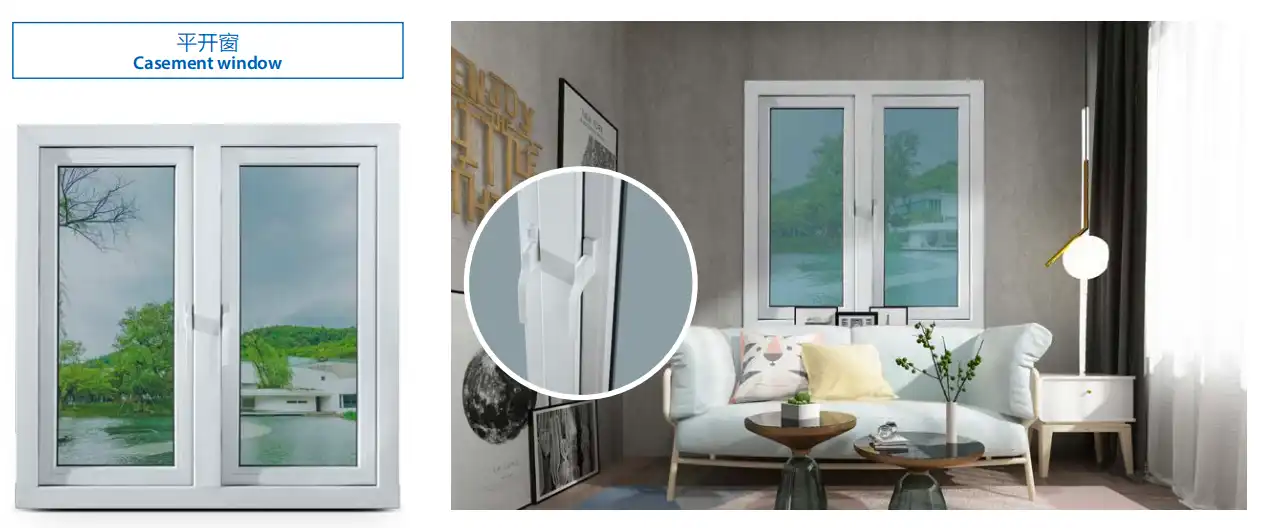
Understanding uPVC Flush Casement Windows: Features and Benefits
What Makes Flush Design Distinctive?
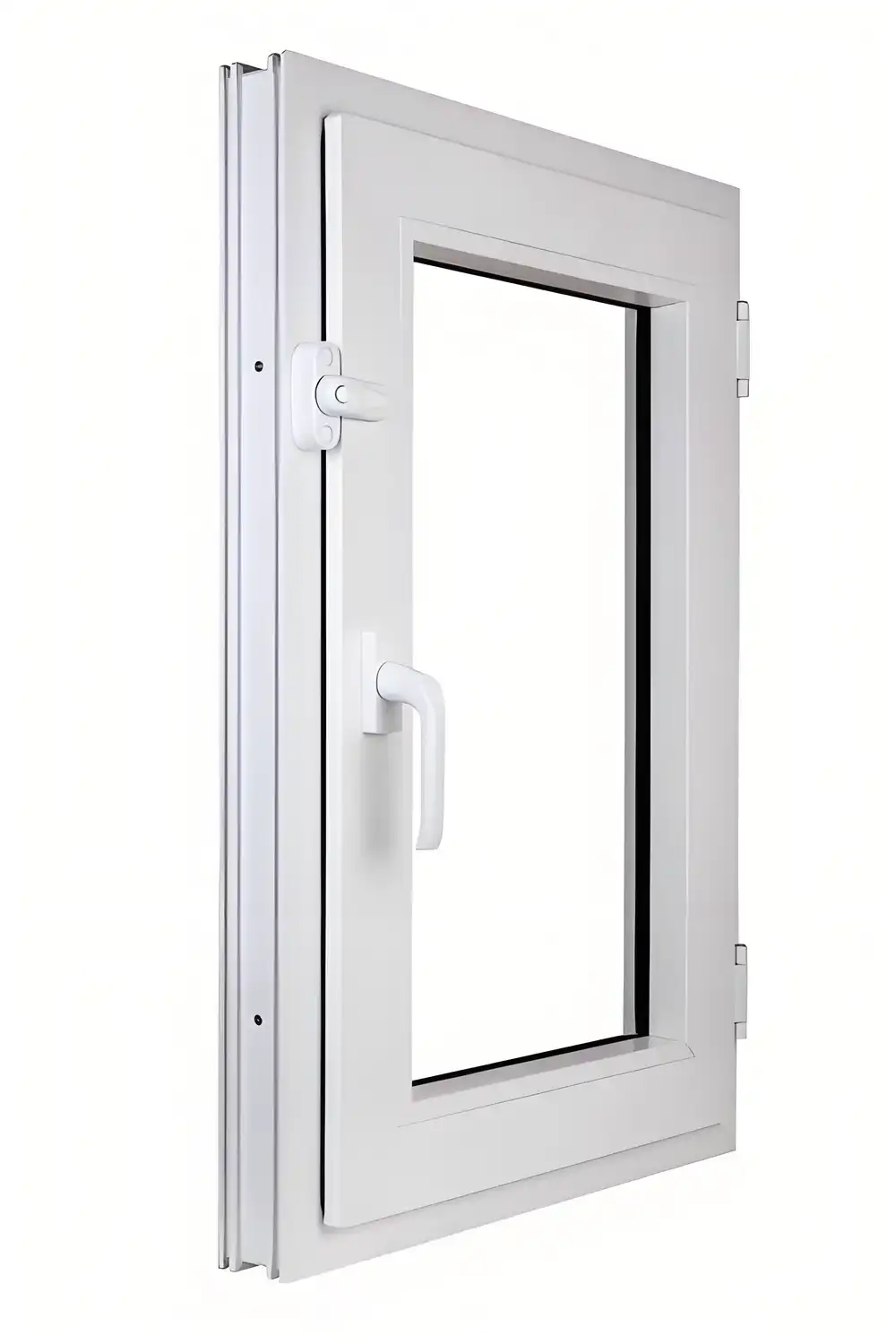
The sash's perfect alignment with the frame's outside surface is what makes it unique. This flat sash design gets rid of the jutting look that most casement windows have, making clean sightlines that make the most of the glass area that can be seen. The profile is symmetrical, so it works with both modern minimalist architecture and traditional types that need planning permission or historical compliance. Modern extrusion technology lets makers make frames with thin profiles in 60-series or 70-series shapes. Galvanized steel reinforcements ranging from 1.4mm to 2.0mm thick keep the structure strong.
Core Material Advantages
Unplasticized polyvinyl chloride has a number of useful properties for business uses. The material doesn't bend, rust, or weather, so it doesn't need to be painted or refinished often. Unlike wood alternatives that need to be maintained regularly, uPVC only needs to be cleaned with light soap solutions to keep looking good and working properly. Quality uPVC profiles naturally insulate against heat loss by their cellular structure, which stops heat from moving between inside and outside surroundings. When you add double or triple glazing choices, such as tempered, laminated, or low-emissivity glass, the whole system has very low U-values that help meet the standards for building energy approval.
Security and Hardware Integration
When compared to single-lock devices, multi-point locking systems make it much harder to break in by spreading the locking force across more frame contact points. Hardware makers make these systems so that they all work at the same time when the handle is turned. This makes for strong security that is good for setups on the ground floor or in high-security business buildings. There are different architectural needs and operating tastes that can be met by side-hung opening types that can be set up to open inward or outward. The hinge systems have features that can be adjusted to keep the product in the right position for as long as it lasts.
Customization Capabilities
B2B clients can choose from a wide range of customization choices that can be tailored to their individual project needs. Frame finishes range from plain white to realistic wood grain patterns and custom color matches that match company branding or design guidelines. The smooth outside surface can be finished in a number of ways while still being durable. In addition to changing the way something looks, you can also change how it works by choosing the hardware, adding screening systems, and making glazing parts that meet specific auditory or thermal performance goals.
This gives procurement managers the freedom to choose goods that meet the exact needs of the project documentation without changing the design purpose. Because of these basic features, uPVC windows flush casement can be used in a wide range of building types. Material science, fine-tuned engineering, and precise manufacturing all work together to meet the performance needs of expert reviewers, buying managers, and project planners during the supplier evaluation process.
Flush Casement Windows vs Alternatives: Making the Right Choice
Performance Comparison with Sliding Systems
In some situations, flush casement windows are better for how they work. Side-hung openings let air flow through the whole aperture, while slide methods only let air flow through fifty percent of the window area. Some types of casement windows also seal better when they are closed because the sash pushes against weather seals instead of brush strips. This compression seal arrangement usually gives better scores for airtightness and weather protection. Since there are no visible tracks, there are no problems with debris building up, which means that upkeep needs are lower over time.
Material Analysis: uPVC Versus Aluminum
One of the biggest problems with aluminum frame methods is thermal bridging. About 1,000 times better at transferring heat than uPVC, metal still creates pathways for energy loss even when thermal breaks are added. This difference in conductivity has real effects on the loads that are used for heating and cooling. uPVC frames keep their sides at the same temperature, which keeps condensation from forming on the inside, which is important in climate-controlled business settings. Aluminum has thinner sightlines for big window installations, but uPVC has better insulation values per millimeter of frame width, which makes it a better choice for projects that put an emphasis on energy economy.
Cost-Benefit Evaluation
The initial costs of buying something are only one part of the total costs of owning. High-quality uPVC flush window systems have longer periods of time between upkeep tasks. Because the material doesn't break down in the environment, repair costs don't show up in long-term budgets. When figuring out lifetime costs, you should think about how often things need to be replaced, how much energy they use, and whether they come with a servicing contract. When projects are planned out over 30 years, they often find that investing a little more up front in better window systems pays for itself in practical savings and less need for action.
Acoustic and Thermal Metrics
Technical reviewers who look over submittal packages care a lot about performance standards. Look for U-factor, Solar Heat Gain Coefficient, and air loss rates that have been tested by a third party and meet AAMA or NFRC guidelines. When paired with the right glass parts, good flush casement systems have U-factors below 0.30. Sound Transmission Class ratings usually fall between STC 32 and STC 38, based on how the glass is configured. This provides a measurable decrease in noise in urban areas or properties close to traffic routes.
By making overlapping shields against air and moisture leakage, the triple EPDM sealing system makes a big difference in these performance results. When buying things, knowing these comparison factors helps teams check whether offers meet the needs of the specific project. The best option relies on the climate zone, the building's orientation, the limitations of the architecture, and the performance goals set during the design development stages.
How to Procure the Best uPVC Flush Casement Windows for Your Projects?
Defining Project Requirements
Creating clear specifications for upvc windows flush casement is the first step to a successful purchase. Before hiring sources, write down frame sizes, opening shapes, glazing needs, hardware finishes, and performance goals. When choosing glass, climate plays a role. Projects in areas that get a lot of heat should use films with low emissivity and high solar gain. On the other hand, projects in areas that get a lot of cooling should use glazing that blocks solar heat. Wind load estimates tell us what kind of structural support is needed. To make sure that quotes are correct, request papers must clearly list the requirements for following building codes. These must include escape measurements and safety glazing locations.
Supplier Evaluation Criteria
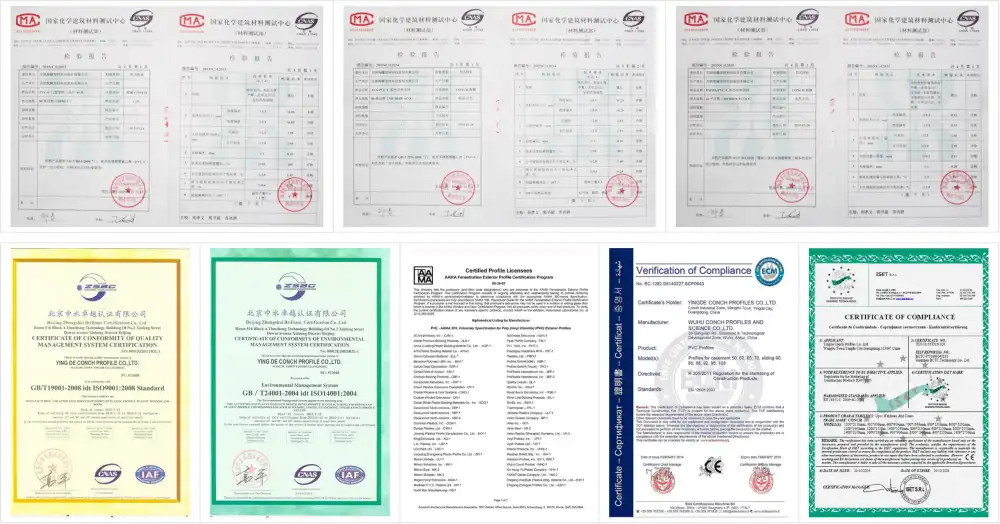
When looking at possible factory partners, you need to look at a number of their capabilities. How well suppliers can meet project deadlines depends on their production ability, especially for big projects that need orders spread out over time. With quality standards like ISO 9001, CE marking for European markets, and AAMA approval for North American projects, you can be sure that the products you make will be consistent. Ask for case studies or contact information for people who have worked on similar projects before. Check out the technical help options, such as services that look over shop drawings and working with building teams during the design stages. Stability in the supply chain is very important; having established relationships with providers of raw materials and transportation partners lowers the risk of delivery.
Customization and Bulk Negotiations
Large sales give you more power to change specifications and find the best price. Talk about how flexible you are with the shipping plan. Suppliers will often offer better prices if production can fit in with their manufacturing cycles. It is possible to lower the cost per unit by carefully customizing some parts and standardizing others across multiple spaces. During the bargaining part, you should talk about how to package the goods, how to get them to the job site, and how to store them. Make it clear who is responsible for checking the sizes, giving advice on fitting, and managing the guarantee. Well-structured agreements plan for these practical issues ahead of time instead of having to deal with them after the fact.
Installation and After-Sales Considerations
When installation quality is bad, even high-end goods don't work as well as they should. Talk to providers about installation requirements, such as information on waterproofing, shimming needs, and fastener plans. Some makers have training or certification programs for worker teams that help them with installation. There are a lot of different warranty coverage options. Look at what parts are covered, how long they last, what they don't cover, and how to file a claim. Long-term performance is protected by maintenance deals that include regular checks and changes.
Set up clear lines of contact so that problems in the field can be fixed quickly. The time it takes to respond affects both project schedules and client happiness. Procurement excellence involves balancing immediate project needs with long-term performance assurance. The work that goes into carefully evaluating suppliers and writing clear specifications pays off in the form of easier execution and more reliable building shell performance.
Maintenance, Lifespan, and Long-Term Performance Optimization
Routine Care Requirements
When compared to other building parts, uPVC windows flush casement don't need much upkeep. Cleaning every three months with soft, non-abrasive cloths and light soap solutions keeps the seal's look and gets rid of dirt that could affect how well it works. Hardware systems work better when hinges, locks, and moving parts are oiled once a year with silicone-based products. Drainage lines built into frame designs need to be checked on a regular basis to make sure that the sweep holes stay clean. These simple jobs are usually part of regular building upkeep schedules and don't require any special training.
Durability Factors
Service life relies on many things, such as how well it was installed, how much it is exposed to the world, and how it is used. In moderate conditions, systems that are put correctly usually work reliably for decades. UV stabilizers are added during production to keep colors from fading and materials from becoming weak. Because there are no living components, there is no risk of rot or insect damage to wood goods. When moisture protection is still in place, galvanized steel support doesn't rust. While forecasts for specific lifespans depend on the circumstances, high-quality uPVC window systems regularly show longer service intervals when compared to other materials exposed to the same conditions.
Performance Enhancement Opportunities
Building owners can get the most out of their current systems by making smart changes. Since weatherstripping gets thinner over time, replacing the seal makes the airtightness go back to normal. By replacing just the glazing units, you can get better thermal or acoustic performance without having to replace all the windows. This is a great choice when building surfaces need to perform better to meet current energy standards. If sashes become out of line, hardware repair services can get them working right again. These focused treatments keep things working well and extend their useful life at a fraction of the cost of replacing them completely.
Inspection Protocols
Setting up systematic review plans is good for commercial properties. Hardware condition, seal integrity, glass unit condition, and operating smoothness should all be recorded during yearly checks. Finding small problems early on stops them from getting worse and needing more extensive repairs. Using thermal imaging during heating seasons can show you where air is leaking and needs to be sealed. Keeping track of what was found during inspections makes care histories that help with valuing properties and planning for future investments.
Disclaimer: Actual performance characteristics depend on specific product configurations, installation quality, and environmental conditions. Consult manufacturer test reports and certifications for verified performance data applicable to your project requirements.
Proactive repair methods get the most out of the big investment that window systems are. The small amount of care that high-quality uPVC goods need helps keep operations running smoothly and keeps people comfortable for a long time.
Design Ideas and Applications for uPVC Flush Casement Windows in B2B Contexts
Architectural Versatility
The straight lines of flat sash shapes for upvc windows flush casement go with a lot of different design styles. These windows are great for modern business buildings because they have a simple look and are the right size. Heritage repair projects use flush designs to make windows look like traditional ones while still providing modern functionality—this is necessary when working within the rules of a conservation area or a landmark designation. Real wood grain finishes make it possible to match existing wood elements without having to deal with the upkeep issues that come with real wood building. Because they are so flexible, flush casement systems can be used in mixed-use projects that use a lot of different building styles.
Sector-Specific Applications
Quality flush casement windows make a big difference in areas like climate control, views, and natural light in office buildings. The slim sightlines make the most of the window area compared to the holes in the walls, which lets more natural light in. Configurations that can be used offer extra airflow that helps mixed-mode HVAC techniques use less energy. The sleek look and good sound quality of these systems are valued by hospitality projects because they help with guest comfort and property positioning. The security features and visual marketing options that clear glass offers are good for retail spaces. The traits of durability and low upkeep that lower lifetime facility costs are used in institutional buildings like schools and hospitals.
Emerging Technology Integration
Window systems are getting better and better thanks to new ideas. Electrochromic glazing choices offer dynamic solar control by changing the amount of tinting automatically based on where the sun is and how the inside is feeling. Built-in sensors check the state of windows for building management systems, helping with security measures and making the HVAC system work better. Integrated blinds with a low profile take away safety worries about cords while still giving you privacy control. These technological improvements are in line with smart building programs and standards for sustainability certifications that are becoming more important in business real estate development.
Sustainability Considerations
The choice of materials has an impact on the environment over the whole lifetime of a building. The way uPVC is made has changed a lot over the years. Now, industrial waste is recovered and recycled. Quality window systems help lower operating carbon by improving temperature efficiency, which means less energy is used for heating and cooling. The longer working life cuts down on how often it needs to be replaced and the amount of material that is used. When they need to be replaced, uPVC parts can be recycled, which supports the ideas of a circular economy. These sustainable features meet the needs of rating systems like LEED, BREEAM, and others that are similar to fulfill business responsibility promises. More and more, people who work in design are realizing that window systems affect both how a building looks and how well it works. To choose the right goods, you have to find a balance between your visual goals and the useful needs of your project.
Conclusion
When it comes to business, private, and institutional building projects, uPVC windows flush casement are a great deal. When you combine thermal efficiency, security features, aesthetic freedom, and low upkeep needs, you get answers to the most important questions that procurement managers and technical reviewers ask when choosing a provider. When you compare the weather protection, durability, and insulation features of high-quality uPVC to other framing systems, you can see real lifetime benefits.
Because these windows can be changed in a lot of ways, they can fit a wide range of design needs without lowering performance standards. Flush casement systems meet multiple goals at once, which is why they should be considered during the specification creation and procurement phases of projects that prioritize energy economy, practical cost management, and design quality.
FAQ
Q1: Can flush casement windows accommodate both double and triple glazing?
A: Good flush casement systems can handle different types of glass. Frame levels in shapes from the 70th series are perfect for triple-glazed units, while designs from the 60th series are more likely to work with double glazing. The decision relies on the climate zone and performance goals. Triple glazing is better at keeping out heat and cold in places with extreme temperatures, while double glazing is enough in moderate climates where heating and cooling needs are lower.
Q2: How do these windows perform in extreme weather conditions?
A: The triple EPDM closing system and compression-close mechanism make it very resistant to weather. Tough testing standards are used to give water tightness scores, and built-in escape paths safely send any water that gets in. Wind load resistance depends on the specs of the reinforcements and the frame's dimensions. Systems that are properly designed can meet the needs of hurricane-prone areas when they are the right size and are reinforced properly. UV-stabilized materials stay strong even when they are exposed to strong sunlight in a variety of locations.
Q3: What warranty coverage should procurement managers expect?
A: Comprehensive warranties usually cover problems with the way profiles, hardware, and glass pieces were made. Coverage terms are different for each maker and part. Frame guarantees are usually longer than warranties for moving parts or seals. Find out if the guarantee terms require specific upkeep tasks, know how to file a claim, and make sure that coverage can be transferred if the owner of the property changes. Reliable providers give clear guarantee documents that cover these things in a clear way.
Partner with Haolv Building Materials for Premium Flush Casement Solutions
Haolv Building Materials brings 18 years of manufacturing experience to every project for procurement managers and builders looking for reliable uPVC windows flush casement providers. Precision CNC cutting, advanced extrusion lines, and ISO-certified quality management are all part of our automatic production facilities, which make sure that the standard of our products is always high. We offer free, in-depth technical consultations to help you make the best choices for your project, from choosing the frame colors and hardware to the exact configurations of the glass.
We give your projects the performance they need with galvanized steel support, triple EPDM sealing systems, and multi-point locking mechanisms that come standard on all of our product lines. Our 25–30 day production cycles, good inventory management, and full-process project planning lower the risk of procurement while still meeting tight building deadlines. Email our team at kristin@haolvwindows.com to talk about your particular needs, get detailed information, or set up shipping of samples.
References
1. British Standards Institution. (2021). Windows and Doors: Energy Performance Standards for Commercial Buildings. BSI Standards Publication.
2. National Fenestration Rating Council. (2022). Certified Products Directory: Thermal Performance Ratings for Building Envelope Components. NFRC Technical Manual.
3. Thompson, R., & Martinez, K. (2020). Lifecycle Cost Analysis of Window Systems in Commercial Construction. Journal of Building Engineering Economics, 45(3), 287-304.
4. American Architectural Manufacturers Association. (2023). Installation Guidelines for Fenestration Products: Weather Barrier Integration and Performance Verification. AAMA Technical Standards.
5. Jensen, P. (2019). Material Science in Modern Window Manufacturing: Polymer Performance and Durability Assessment. Construction Materials Quarterly, 12(2), 156-173.
6. International Code Council. (2021). Energy Conservation Requirements for Fenestration in Commercial and Residential Buildings. International Energy Conservation Code Commentary.
Fast simple channel to send demands lock favorable price for building window door bulk purchases.