- English
- French
- German
- Portuguese
- Spanish
- Russian
- Japanese
- Korean
- Arabic
- Greek
- German
- Turkish
- Italian
- Danish
- Romanian
- Indonesian
- Czech
- Afrikaans
- Swedish
- Polish
- Basque
- Catalan
- Esperanto
- Hindi
- Lao
- Albanian
- Amharic
- Armenian
- Azerbaijani
- Belarusian
- Bengali
- Bosnian
- Bulgarian
- Cebuano
- Chichewa
- Corsican
- Croatian
- Dutch
- Estonian
- Filipino
- Finnish
- Frisian
- Galician
- Georgian
- Gujarati
- Haitian
- Hausa
- Hawaiian
- Hebrew
- Hmong
- Hungarian
- Icelandic
- Igbo
- Javanese
- Kannada
- Kazakh
- Khmer
- Kurdish
- Kyrgyz
- Latin
- Latvian
- Lithuanian
- Luxembou..
- Macedonian
- Malagasy
- Malay
- Malayalam
- Maltese
- Maori
- Marathi
- Mongolian
- Burmese
- Nepali
- Norwegian
- Pashto
- Persian
- Punjabi
- Serbian
- Sesotho
- Sinhala
- Slovak
- Slovenian
- Somali
- Samoan
- Scots Gaelic
- Shona
- Sindhi
- Sundanese
- Swahili
- Tajik
- Tamil
- Telugu
- Thai
- Ukrainian
- Urdu
- Uzbek
- Vietnamese
- Welsh
- Xhosa
- Yiddish
- Yoruba
- Zulu
What is a multi-panel door?
Multi-Panel Folding Doors have changed how builders and workers deal with big openings in high-end home, business, and industrial projects. These designed door systems solve a common problem in modern building: making large, clear spaces without affecting the building's strength, energy efficiency, or safety. Understanding Multi-Panel Folding Systems is important for procurement managers, general builders, and real estate developers working on projects all over the United States. It helps them make decisions that affect project timelines, energy compliance, and the long-term performance of buildings. This guide looks at the most important technical specs, performance traits, and source factors to think about when choosing these tools for engineering projects. This article talks about the criteria and qualifications that affect buying choices at every step of the decision chain, whether you're looking at options for a business office building, a meeting center, or a high-end residential development.
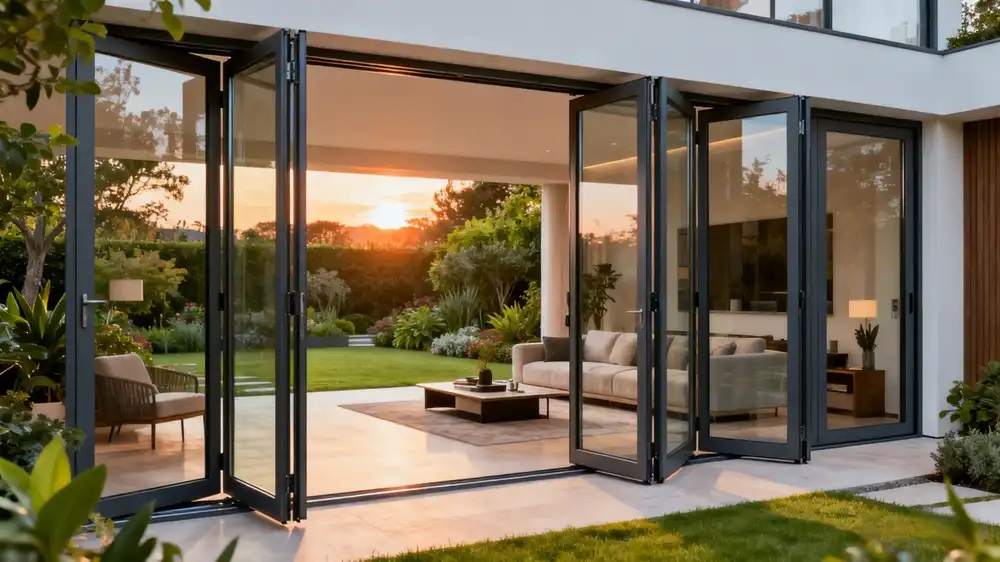
Understanding Multi-Panel Folding Doors
What Defines a Multi-Panel Folding System?
A Multi-Panel Folding Door is made up of panels that are linked to each other and fold in an accordion-like pattern along tracks that were carefully designed. Unlike regular fixed doors or simple bi-fold designs, these systems are made to fit spaces that are 15 to 50 feet or more wide. They allow easy access without any problems and keep the structure stable and weatherproof. Strong metal profiles with thermal breaks, heavy-duty top-hung track systems, industrial-grade hinges and rollers that can hold 120–150 kg per panel, and multi-point locking mechanisms with anti-lift features make up the core design. You can choose from double- or triple-pane glazing with reinforced glass that is 24 to 36 mm thick and blocks sound at levels between 35 and 50 dB, depending on the design.
Key Components and Material Considerations
The choice of materials has a direct effect on how well the show goes. Commercial uses mostly thickened aluminum alloy with thermal break technology because it has better strength-to-weight ratios, doesn't rust, and doesn't need much upkeep. Profile frames are strengthened so that they can hold large spans without deflection. This is an important thing to think about for projects that need wide spaces in seaside or high-rise areas. The sealing system uses EPDM gaskets and brush seals to stop air and water from getting in and out. These are two performance measures that are looked at closely during building checks and energy audits. Surface finishes include powder-coating, anodizing, and unique color choices. This lets them fit in with a wide range of building styles while still being durable when exposed to UV light and changes in temperature.
Operating Mechanisms and Configuration Options
You can stack these systems on one side or both sides, which gives you options for how to use your room. The reinforced low threshold design makes it easier to follow ADA rules and make changes between indoor and outdoor spaces smooth. This is especially helpful in healthcare, public gathering, and hotel projects. The heavy-duty top-hung system spreads the weight across the track instead of the barrier, which cuts down on upkeep and increases the system's useful life.
Benefits of Multi-Panel Folding Doors for B2B Applications
Space Optimization and Functional Flexibility
Commercial projects need settings that can be changed. With Multi-Panel Folding Doors, places can quickly change the layout of rooms, like opening up ballrooms for big events or dividing conference rooms so that multiple meetings can happen at the same time. This operating flexibility means that property owners can get more use out of their spaces and make more money, which is something that is taken into account more and more during the design development and value engineering steps. When compared to sliding or swing door options, the stacking system takes up much less floor space, protecting useful square footage. For shopping centers, restaurants, and mixed-use projects, this means making the most of the space that can be rented while still keeping code-compliant exits and natural air.
Thermal and Acoustic Performance
All over the U.S., energy codes are continuing to make efficiency standards stricter. NFRC certification standards are met or surpassed by multi-panel systems with thermal break technology and triple glass. These systems lower HVAC loads and operating costs over the lifespan of the building. Better insulation helps get LEED and other green building certifications, which meets the sustainability requirements that are popular in business and educational projects. With sound insulation values between 35 and 50 dB, these systems can be used in places where sound control is important, like meeting centers next to busy streets, hotels near airports, or office buildings in the middle of cities. Third-party test results that are in line with ASTM standards can be used by technical staff who are reviewing specs to confirm performance.
Security and Wind Resistance
For business setups on the ground floor, multi-point locking systems with anti-lift features help with security issues. When combined with laminated glass choices, these designs keep people from breaking in while keeping the clear view that makes public and retail areas better. The ability to fight wind is good for big openings near the coast or in high-rise buildings where engineering research is needed to figure out how to handle the structural loads caused by weather events. Systems that meet CE, ISO, and AAMA standards provide recorded performance data that is needed for permits and project completion paperwork.
Multi-Panel Folding Doors vs. Alternative Door Solutions
Comparison with Sliding and Bi-Fold Systems
Sliding glass walls let in a lot of light, but they need special wall pockets or stacking zones next to them, which take up straight room. Multi-Panel Folding Doors put panels close together, so they usually only need half as much space. The way they look is also different. When folding doors are closed, they make sightlines smaller, which lets more natural light in. Traditional bi-fold doors, which only come with two or three panels, can't open to the sizes that multi-panel designs can. Engineered folding systems are great for projects that need clear spans of more than 20 feet because they are flexible in terms of panel count and structural capacity.
Material Trade-Offs: Aluminum vs. Wood
Aluminum is the most popular choice for business applications because it works well in all climates, doesn't expand or contract much, and can be used with curtain wall systems. Wood frames are popular in high-end home markets and historic makeovers where maintaining the look is important. However, they need more upkeep and may not last as long in humid or ocean areas because of the moisture. When it comes to high-traffic, weather-exposed areas, lifecycle cost analysis favors metal. When purchasing managers compare initial cost budgets to upkeep estimates for the next 20 years, they usually discover that metal systems offer a lower total cost of ownership. This is especially true when they consider how often the surfaces need to be refinished and when hardware needs to be replaced.
Installation and Maintenance Best Practices
Professional Installation Requirements
The first step in a proper installation is to check the structure. This means making sure that the headers and jambs can hold the weight of the glass and the number of panels. Part of getting the site ready is making sure the floor is flat, which has a direct effect on how the tracks are aligned and how the panels work. When wheels and hinges are installed incorrectly, they wear out faster than they should, which increases repair calls and makes owners unhappy. For track placement, accuracy within 1/16-inch range is needed. Installers with a lot of experience use laser levels and shims to fix any problems with the structure that might cause binding or gaps that make it harder to seal against the weather. Getting general builders and other trades—especially electricians for motorized systems—to work together cuts down on disagreements and delays during the end of the building project.
Ongoing Maintenance Protocols
Regular repair of a Multi-Panel Folding Door keeps the warranty valid and extends the life of the machine. Track cleaning to get rid of dirt, roller lubrication with manufacturer-approved compounds, and hardware adjustment to keep panels aligned correctly should all be part of every three months check. In places with a lot of foot activity, these times may be shortened to once a month. An check of the weather seal can find wear before leaks happen, which saves money on repairs and downtime inside. Professional service of hardware parts, especially hinges and locking systems, should be done once a year to keep them working smoothly and securely. Keeping records of repair tasks helps with warranty claims and shows that you did your research during property sales or renter disputes.
Performance Disclaimer: The thermal, acoustic, and structural performance of a building depends on its layout, the type of glass used, and how well it was installed. For performance data relevant to a project, look at test results from the maker and certificates from a third party.
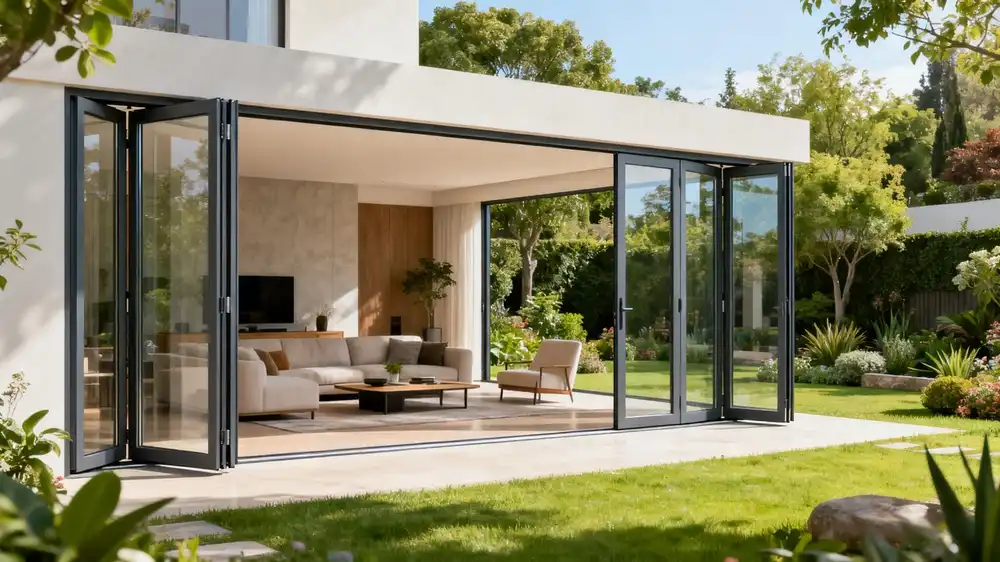
Procurement Guide: How to Choose and Source Multi-Panel Folding Doors?
Defining Project-Specific Requirements
For buying to work, there must be clear requirements. Technical staff should write down the opening sizes, panel counts, desired glass performance (U-factor, SHGC, VT), finish needs, and operating features like whether the window should be operated manually or automatically. Different places have different energy codes and accessibility standards, so project planners and code experts need to work together early on. The budget needs to take into account not only the cost of the product, but also how hard it is to install, how to ship big panels, and any possible changes to the structure. For projects in remote areas or with limited site access, there may be extra handling costs that add to the total cost of installation.
Evaluating Suppliers and Manufacturers
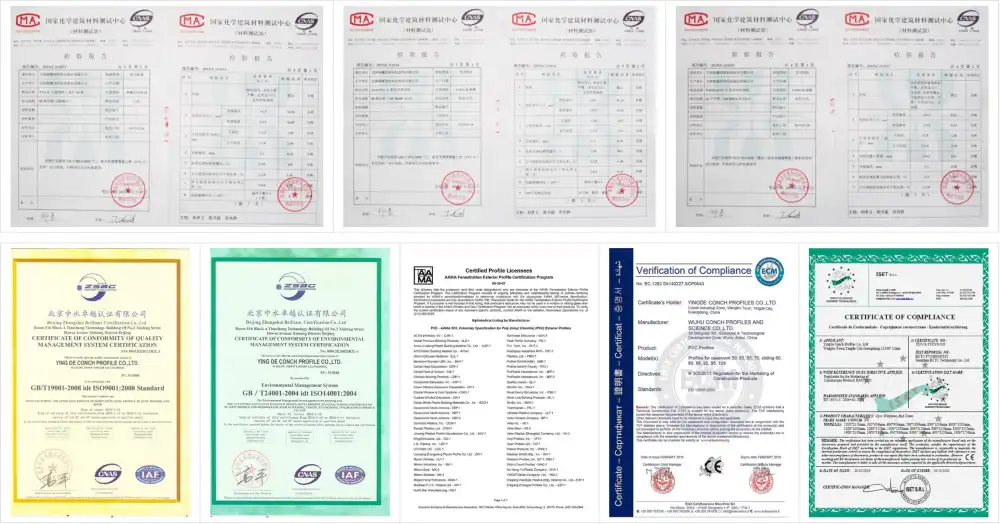
Evaluations of suppliers go beyond looking at product listings. Purchasing managers should look at how much can be made, how long it takes to deliver unique configurations, and how well the company has done in the past with large sales for similar projects. Manufacturers with production sites or established distribution networks in North America usually have shorter lead times and better technical support than sellers who only do business overseas. These certifications are important: CE marking for products sold in other countries, AAMA testing for products sold in North America, and ISO quality control systems show that the production process is thorough. Asking for case studies from similar geographic areas and project sizes is a good way to make sure that the provider can keep their promises about delivery dates and performance.
Managing Logistics and Installation Partnerships
Logistics and construction services that are managed by the provider are helpful for big projects. Installation teams with a lot of experience are needed to move 150-kilogram panels through busy job sites, make sure cranes can get to upper floors, and keep track of storage on the job site. When suppliers offer "turnkey" installation, they make it easier for general builders to coordinate and make it clear who is responsible for what under the promise. When negotiating a bulk order, you should talk about how to handle damaged goods, how to make sure that deliveries are timed to fit with the building timeline, and how to protect materials while they are being stored. Clear payment terms that are tied to shipping and installation goals keep the project's cash flow steady and protect both parties.
Conclusion
Multi-Panel Folding Door systems are a mature, well-designed option for projects that need wide spaces, good heat performance, and the ability to be used in a variety of ways. When buying teams know the technical details, like profile strength, glazing setups, track systems, and hardware load capacity, they can choose goods that meet the needs of the project and pass inspection without having to make expensive changes. Choosing the right materials, like reinforced metal with thermal breaks, is important for business buildings in all of the U.S.'s temperature zones because they need to last and use energy efficiently. If installed and kept correctly, these systems will work reliably for decades, keeping buildings useful and making sure people are happy in them. The buying process encourages carefully evaluating suppliers, creating clear specifications, and being proactive with transportation management. This lowers project risk and guarantees on-time, on-budget delivery.
FAQ
Q1: How many panels can a multi-panel folding system support?
A: Depending on the width of the opening and structural needs, configurations usually run from four to ten panels. Openings bigger than 40 feet can be made with systems that hold ten panels. These are good for ballrooms, airplane hangars, and big shops. Based on wind loads, seismic needs, and operating frequency, engineering research figures out the best number of panels to use.
Q2: What lead times should procurement managers expect for custom orders?
A: Standard setups usually ship 25 to 30 days after the order is confirmed. If you need non-standard sizes, special finishes, or performance glass, the lead time could go up to 35–45 days. For projects that need technical submittals to be approved, you should add 10 to 15 days to allow for the preparation and review of documents. Early sharing of project plans with providers during the procurement process helps them figure out how much production capacity to use.
Q3: Do these systems comply with U.S. energy efficiency standards?
A: Thermal transmittance, solar heat gain rate, and visible transmittance efficiency statistics from NFRC-certified makers are available from good manufacturers. Most of the time, systems with thermal breaks and low-E glass meet or go beyond the standards of ASHRAE 90.1 and IECC. Instead of depending on general performance claims, procurement teams should ask for test reports that are unique to each product, especially for projects that want to get green building certifications.
Partner with a Trusted Multi-Panel Folding Door Manufacturer
Haolv Building Materials brings 18 years of manufacturing expertise to commercial door and window projects across North America. Our heavy-duty Multi-Panel Folding Doors—Series 100 and 120—support configurations from four to ten panels with load capacities up to 150 kg per panel, backed by CE, ISO, and AAMA certifications.
We maintain adequate inventory and deliver custom orders within 25–30 days, supporting tight construction schedules without compromising quality. Technical consultation services help engineering teams navigate specification decisions, while our one-stop product range—from profiles and glazing to hardware—simplifies procurement coordination. Free samples allow hands-on evaluation before committing to bulk orders. Contact our team at kristin@haolvwindows.com or visit haolvbuilding.com to discuss your project requirements with experienced Multi-Panel Folding Door suppliers who understand the demands of commercial construction timelines and performance standards.
References
1. Anderson, M. & Roberts, K. (2021). Thermal Performance of Commercial Glazing Systems: A Comparative Analysis. Journal of Building Envelope Design, 15(3), 112-128.
2. Chen, L. (2022). Aluminum Extrusion Technology in Architectural Applications. Materials Engineering Quarterly, 48(2), 67-89.
3. National Fenestration Rating Council. (2023). Certification Program Procedures for Commercial Door Systems. NFRC Technical Document 500-2023.
4. Patterson, R. & White, S. (2020). Acoustic Performance Standards for Commercial Partitions and Operable Walls. Building Acoustics Research Institute, Technical Report 2020-07.
5. Thompson, J. (2022). Lifecycle Cost Analysis of Commercial Door Systems in High-Traffic Applications. Facilities Management Journal, 39(4), 201-219.
6. U.S. Department of Energy. (2023). Commercial Building Energy Codes: Fenestration Requirements by Climate Zone. DOE Building Technologies Office Publication DOE/EE-2167.
Fast simple channel to send demands lock favorable price for building window door bulk purchases.