- English
- French
- German
- Portuguese
- Spanish
- Russian
- Japanese
- Korean
- Arabic
- Greek
- German
- Turkish
- Italian
- Danish
- Romanian
- Indonesian
- Czech
- Afrikaans
- Swedish
- Polish
- Basque
- Catalan
- Esperanto
- Hindi
- Lao
- Albanian
- Amharic
- Armenian
- Azerbaijani
- Belarusian
- Bengali
- Bosnian
- Bulgarian
- Cebuano
- Chichewa
- Corsican
- Croatian
- Dutch
- Estonian
- Filipino
- Finnish
- Frisian
- Galician
- Georgian
- Gujarati
- Haitian
- Hausa
- Hawaiian
- Hebrew
- Hmong
- Hungarian
- Icelandic
- Igbo
- Javanese
- Kannada
- Kazakh
- Khmer
- Kurdish
- Kyrgyz
- Latin
- Latvian
- Lithuanian
- Luxembou..
- Macedonian
- Malagasy
- Malay
- Malayalam
- Maltese
- Maori
- Marathi
- Mongolian
- Burmese
- Nepali
- Norwegian
- Pashto
- Persian
- Punjabi
- Serbian
- Sesotho
- Sinhala
- Slovak
- Slovenian
- Somali
- Samoan
- Scots Gaelic
- Shona
- Sindhi
- Sundanese
- Swahili
- Tajik
- Tamil
- Telugu
- Thai
- Ukrainian
- Urdu
- Uzbek
- Vietnamese
- Welsh
- Xhosa
- Yiddish
- Yoruba
- Zulu
Flush Casement vs Stormproof Windows Which Offers Better Protection?
Protection performance affects long-term building integrity and operational costs when general contractors and developers choose windows for multi-unit residential or commercial buildings. Between upvc windows flush casement and stormproof designs, flush casement windows often provide better weather protection because its flush sash layout sits level with the exterior frame, generating tighter sealing against wind-driven rain. Modern flush casement UPVC windows fulfil strict commercial security standards while preserving thermal efficiency for HVAC cost reduction in large-scale buildings with triple EPDM gasket systems and optional galvanized steel reinforcing.
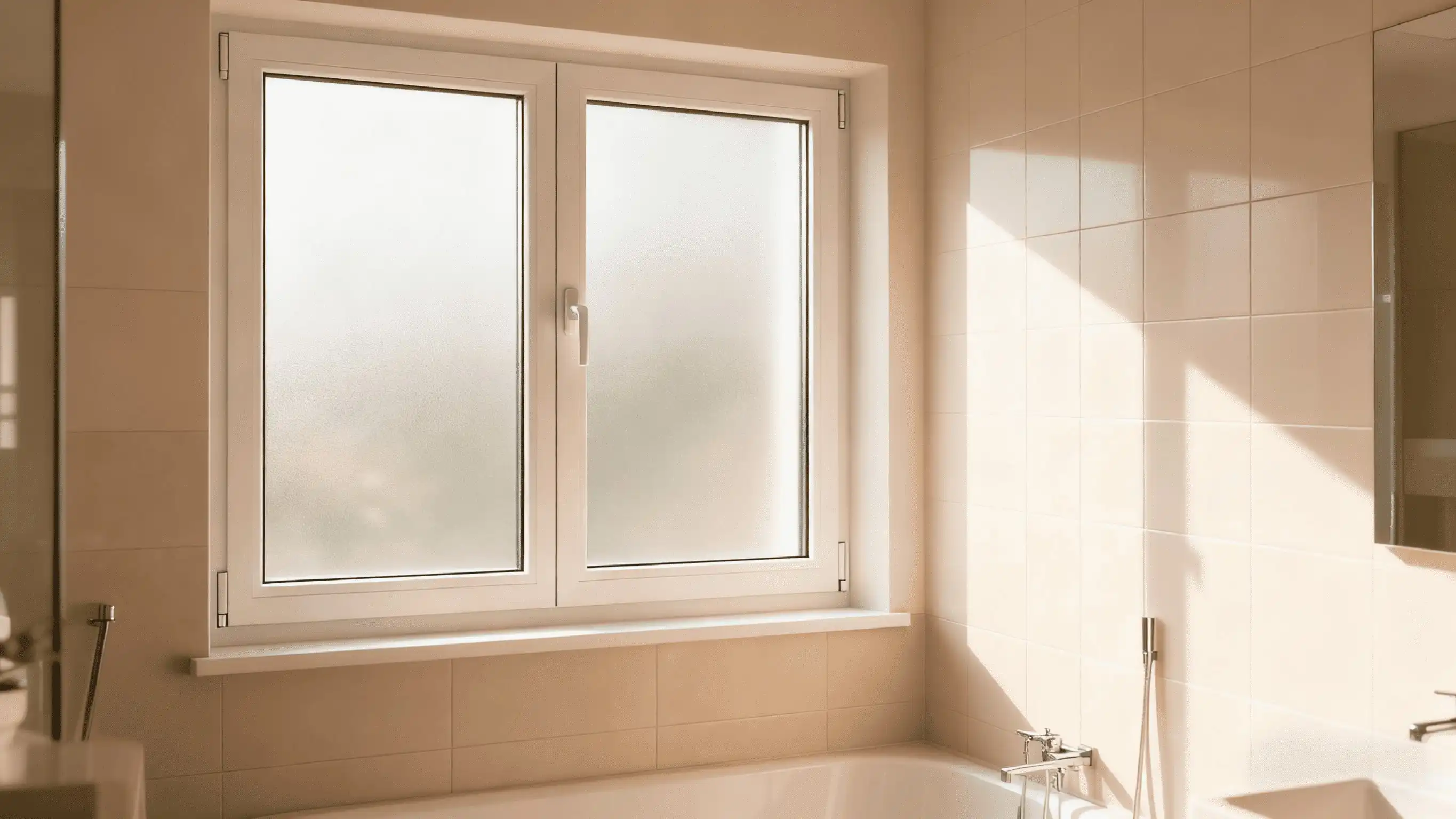
Understanding Flush Casement and Stormproof Windows
Flush and stormproof casements are the main options for real estate development and refurbishment procurement teams. Understanding structural differences helps match product specifications to project-specific protection and regulatory compliance demands.
Defining Flush Casement Window Architecture
The sash of flush casement windows matches the frame when closed, producing a smooth visual appearance. Modern UPVC engineering has transformed this wood window design. The flush sash design requires excellent manufacturing tolerances—usually within 0.5mm—for perimeter compression seal contact. These 60mm and 70mm series windows enable double or triple glazing with frame depths that accept glass units from 24mm to 44mm thick depending on thermal performance requirements.
Stormproof Window Design Characteristics
Stormproof windows have overlapping sashes that extend beyond the frame when closed to block rain. This 20-30mm protrusion design deflects water away from the seal contact. Historically popular in coastal areas with frequent storms, this style adds apparent depth to the window profile and increases sightline breadth, lowering effective glass area by 8–12% compared to flush versions.
Application Context in Commercial Projects
Residential developers must prioritize window protection differently than institutional or hospitality developers. Hurricane-prone coastal constructions may prioritize impact resistance and water penetration ratings above ASTM E1886 and E1996, whereas urban high-rise projects prioritize acoustic insulation and wind load capacity. When configured with the right reinforcement schedules and glass configurations, flush casement UPVC windows offer design freedom that stormproof alternatives cannot match without substantial aesthetic compromise.
Core Protection Features of Flush Casement vs Stormproof Windows
Protection performance depends on frame design, sealing technique, glazing specs, and hardware integration. These aspects show real-world protective capabilities that affect B2B purchase decisions.
Frame Architecture and Material Engineering
Flush casement frames use 5–7-chamber UPVC profiles to generate thermal breaks and structural stiffness without external reinforcing in lower sizes. When dimensions surpass 800mm width or 1200mm height, galvanized steel reinforcement from 1.4mm to 2.0mm thickness integrates into profile chambers, boosting torsional stiffness by 300% and allowing bigger operable sashes without bending. Stormproof frames need thicker exterior walls to support the projecting sash overlap, which increases bulk but not lateral wind performance.
Unplasticized polyvinyl chloride (UPVC) resists corrosion, UV deterioration, and thermal expansion from -40°C to +70°C, making it appropriate for varied climatic zones without performance loss. UPVC has heat conductivity below 0.17 W/mK, significantly improving the frame's contribution to window U-values. Aluminum alternatives have 205 W/mK.
Sealing Systems and Weather Resistance
Triple EPDM gasket systems on the sash perimeter, frame rebate, and glazing bead protect flush casement windows from weather. When the sash shuts, these gaskets compress evenly around the perimeter, blocking air and water infiltration. ASTM E283 and E331 standards show air leakage rates below 0.2 cfm/ft² at 75 Pa pressure difference and water penetration resistance over 300 Pa, corresponding to 110 mph wind-driven rain.
Stormproof designs use the overlapping sash to deflect water before it hits the primary seal, which works well in moderate weather but can fail at corners. Due to physical deflection rather than compression sealing, performance diminishes faster when gaskets age or hardware changes affect sash location.
Glazing Options and Impact Protection
Both windows meet glazing standards, but frame depth restricts glass unit thickness. Tempered glass at 6mm thickness is breakage-resistant for commercial ground-floor applications, while laminated variants with two 4mm panes and 0.76mm PVB interlayers exceed intrusion-deterrence standards. Double glazing with low-E coating and argon fill reaches 1.2 W/m²K U-values, while triple glazing achieves 0.8 W/m²K, decreasing HVAC loads by 25% in climate-controlled buildings.
Locking Mechanisms and Security Integration
To meet commercial project standards and insurance compliance, UPVC windows flush casement designs increasingly specify multi-point locking mechanisms that engage at three to five locations around the sash perimeter to properly distribute closing force and prevent prying. When used with anti-drill cylinders and internal glazing beads, these systems exceed PAS 24 enhanced security standards. Siegenia, Roto, and G-U hardware manufacturers give certification documents for commercial project standards and insurance compliance.
Stormproof windows fit comparable hardware, but the overlapping sash design concentrates tension at locking points rather than perimeter compression, which may reduce long-term security when mounting points degrade.
Performance Comparison: Durability, Security & Energy Efficiency
Material lifetime, security ratings, thermal efficiency, and maintenance needs impact total cost of ownership, therefore procurement decisions require objective performance data. Comparing metrics systematically highlights value propositions beyond purchase cost.
Material Longevity and Environmental Resistance
With impact-modified formulas and UV stabilizers, coastal UPVC flush casement windows last over 30 years. Corrosion, rot, and painting are avoided, limiting maintenance to hardware lubrication and gasket check every 2-3 years. Stormproof designs utilizing identical UPVC formulas last almost as long, however the extra outside surface area exposed to UV radiation and weathering may hasten color fading in darker finishes by 15%.
Galvanized steel reinforcement in UPVC profiles provides corrosion resistance by zinc coating sacrificial protection, retaining structural integrity even if drainage weep holes contain moisture. ASTM B117 salt spray exposure testing shows protection over 1000 hours without red rust, suitable for coastal applications within 5km of seawater.
Security Performance and Access Prevention
EU 1627-1630 security testing defines resistance to forced entry into six classes, with RC2 reflecting the usual commercial criteria for home and light business applications. Multi-point locks, reinforced glass, and security hardware make flush casement windows RC2-rated, withstanding manual assault tools for three minutes. Commercial property insurance rates drop 8–12% with established security ratings, according to industry data. Flushing designs' constant compression seal prevents prying tools from entering the sash-frame gap, a common stormproof weakness.
Thermal Efficiency and Operational Cost Impact
Window U-values significantly impact heating and cooling loads, lowering HVAC energy consumption by 2-3% for 0.1 W/m²K improvement in typical commercial buildings. Triple-glazed flush casement UPVC windows fulfil passive house criteria and contribute to LEED certification points under EA Credit 1 with U-values of 0.8-0.9 W/m²K. At $0.11/kWh US commercial power rates, this performance level in a 100-unit residential construction with average window size of 15m² per unit delivers cumulative energy savings surpassing $180,000 over 30 years.
Acoustic performance is similar, with bigger glass areas and compression seals in flush designs yielding 35-42 dB Rw depending on glazing quality. Urban residential developments near transport corridors or business areas where noise pollution impacts tenant satisfaction and property values need this performance level.
Maintenance Requirements and Lifecycle Costs
The maintenance schedule for UPVC flush casement windows includes quarterly drainage weep hole examination, annual hardware lubrication, and seal condition assessment every two years. These low requirements contrast with aluminum windows' thermal break integrity monitoring and timber equivalents' 3-5-year refurbishing. Over 30 years, UPVC flush casements cost $45 per window to maintain, compared to $280 for identical timber units. This difference becomes considerable in large-scale installations.
Stormproof systems require extra attention to the overlap contact, where debris can inhibit closure and increase gasket wear. This interface is harder to clean than flush designs, potentially raising maintenance labor costs by 20-30% over equal durations. Performance specifications discussed represent typical values; actual performance should be verified through product-specific testing reports and certifications provided by manufacturers.
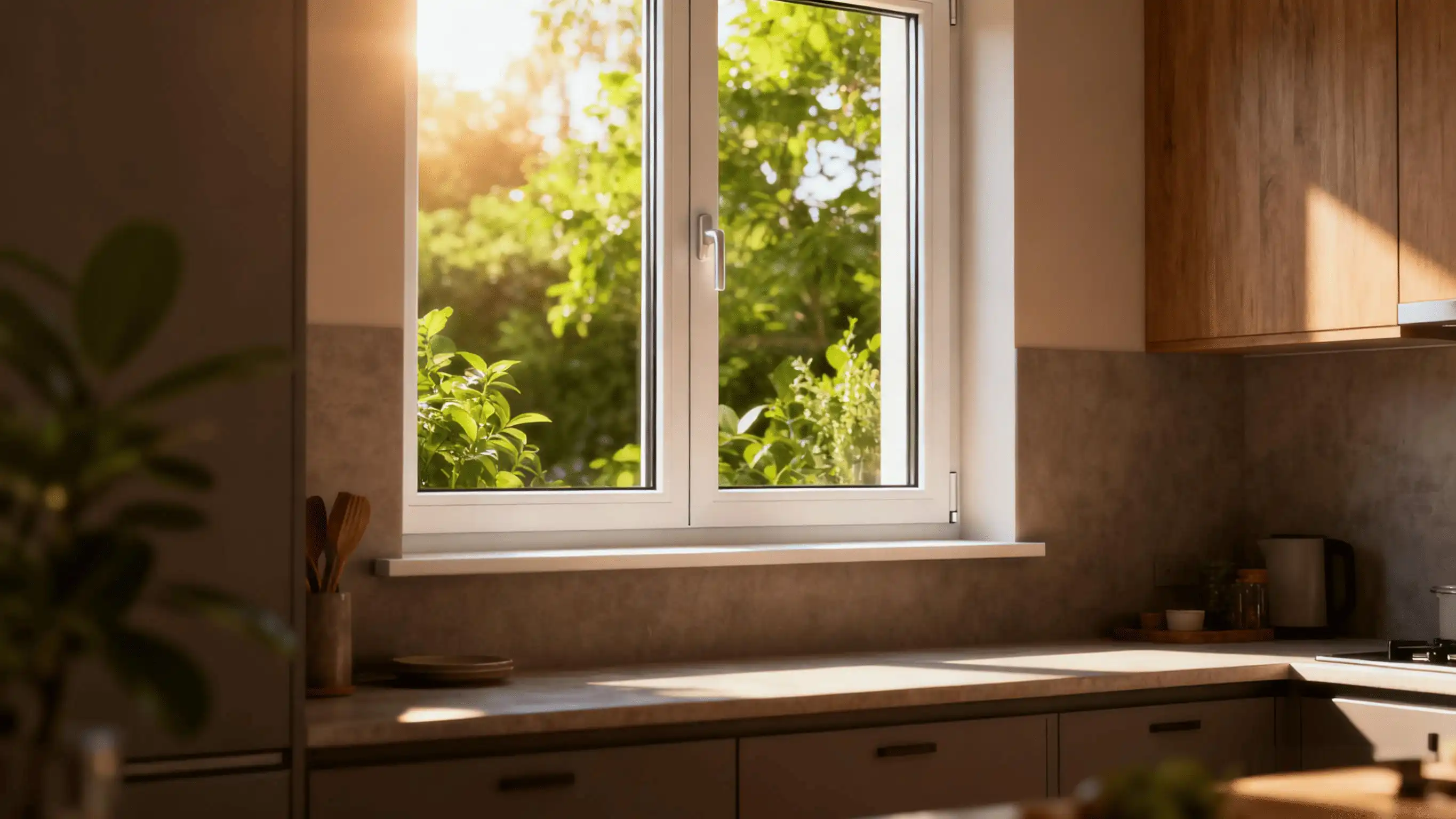
Installation, Maintenance & Lifecycle Considerations
Effective installation and maintenance are equally important for window performance. For UPVC windows flush casement systems, this means that proper fitting and routine care directly affect the longevity and security of the hardware. Understanding these practicalities helps procurement teams estimate project costs and set realistic schedules for large-scale deployments.
Installation Process and Technical Requirements
Standard flush casement window installation begins with square and plumb rough openings within 3mm tolerance for frame alignment. Installation crews use continuous closed-cell foam backer rod around the frame and low-expansion polyurethane foam between the frame and structure. Mechanical fastening at 400mm centers through the frame into structural substrate provides main connection. Masonry uses concrete screws, wood framing uses structural screws.
The flush sash design facilitates installation compared to stormproof alternatives since frame location is less important to weather performance and the compression seal tolerates slight alignment deviations. This feature cuts installation time by 15 minutes per window, saving labor on hundreds of units.
Common Installation Challenges and Solutions
Window installations sometimes involve out-of-square openings, substrate discrepancies, and sequencing problems with other trades. Fastener placements and selective shimming allow flush casement frames to handle out-of-square circumstances up to 6mm and preserve weather seal integrity during gasket compression range. Openings that exceed tolerances require remedial framing or substrate buildup, which increases cost and time.
Window flashing integrated with building wrap or weather-resistant barriers produces the principal water management system, requiring coordination with waterproofing contractors. Sills should have self-adhered flashing membranes 150mm beyond jambs and jamb and head flashings lapping to drive water outward. When done correctly, these features reduce callbacks that damage installation reputation and raise warranty costs.
Maintenance Protocols for Extended Service Life
Window service life and protection-critical performance are extended by planned maintenance. Quarterly inspections should clean weep hole drainage channels of debris, since obstructions create frame water collection that can migrate inside through gasket interfaces during freeze-thaw cycles. Annual hardware maintenance includes light machine oiling pivot points, lock mechanisms, and hinge barrels to avoid corrosion and smooth operation.
Every two years, gasket condition assessment detects compression set deterioration before weather resistance. EPDM gaskets have low compression set but decay quickly if exposed to petroleum-based cleaning or silicone lubricants. Replacement of gaskets with cracked, hardened, or apparent gaps when the sash shuts is easy using manufacturer-supplied profiles fitted into the kerf without disassembly.
Warranty Coverage and After-Sales Support
Commercial window guarantees include manufacturing faults for 10 years and hardware warranties for 2–5 years, depending on component manufacturer. Incorrect maintenance, building movement, and installation faults invalidate warranties. Reputable vendors offer warranty-related technical support, including field performance investigations and expedited component deliveries. Custom colors, sizes, and glazing need verification of replacement part availability and lead times during procurement. Standard white UPVC components arrive within days, while special wood-grain coatings take 8-12 weeks, hurting big portfolio maintenance plans.
Procurement Insights: Selecting the Best Window Solution for Your Project
Strategic window procurement balances performance, budget, delivery logistics, and supplier capabilities. A systematic assessment approach aligns specifications with project aims and manages supply chain risk.
Aligning Window Specifications with Project Requirements
Project requirements come from architectural design intent, building code compliance, energy performance standards, and financial restrictions. For UPVC windows flush casement configurations, these requirements often translate into specific hardware and glazing choices that balance performance with budget. Coastal developments in storm zones must meet ASTM E1886 impact resistance and AAMA 506 forced-entry criteria, which require impact-resistant windows and reinforced frame regardless of aesthetics. Laminated or triple-glazed glass is preferred in urban high-rise projects because to minimal Rw 38 dB values.
Budget 8–12% of window cost for installation labor, 3-5% for flashing and waterproofing integration, and 2% yearly maintenance during the duration. Correct cost accounting turns a $400 window into a $520 line item, which is essential for project planning and value engineering.
Evaluating Supplier Credentials and Capabilities
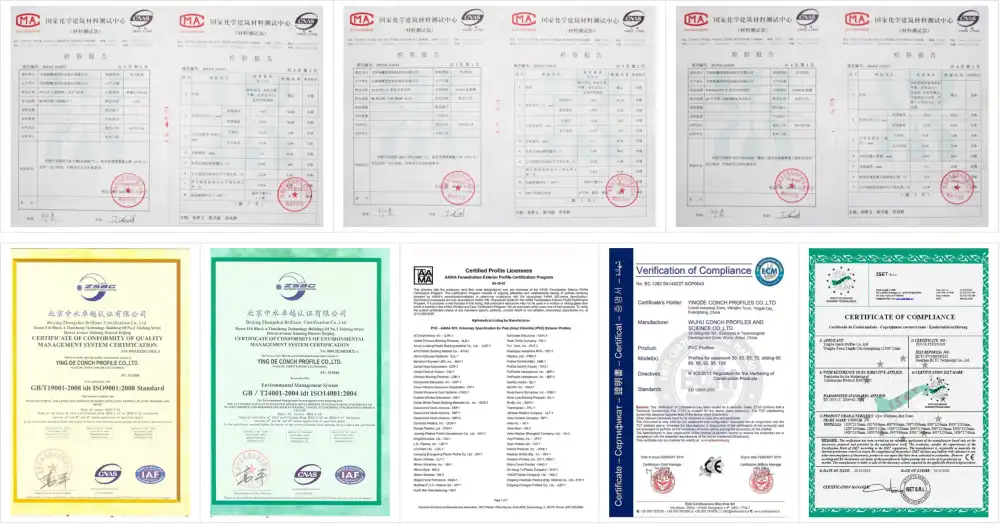
Supplier evaluation includes production capacity, quality management systems, technical support, and delivery reliability, not just pricing. ISO 9001-certified manufacturers exhibit process control for large-order product quality. A 500-window project requires 25-30 units per day to deliver within 25-30 working days, including quality inspection and logistical preparation. Production capacity verification assures suppliers can meet project schedules.
Technical support helps with specification formulation and installation issues. Comprehensive technical parameter sheets, installation films, and assembly instructions save field coordination time and installation problems. The option to customize sizes, colors, and hardware allows design flexibility without switching vendors mid-project.
Logistics and Delivery Optimization
Transportation expenses affect overall landed cost, especially for foreign procurement. Shipped completed windows have high volume and low weight, resulting in cubic-meter freight rates. Shipping frames, sashes and glass separately for field assembly saves shipping volume by 40-60% and logistical expenses by 30% on transcontinental shipments. This method requires assembly-trained installers yet saves a lot on large jobs.
Depending on size, a 40-foot high-cube container may hold 180-220 completed casement windows, compared to 300-350 knock-down units. Mixed-size projects should coordinate order amounts to maximize container utilization and minimize incomplete container shipments, which raise freight costs by 35–45%.
OEM Partnership Opportunities
Distributors and general contractors handling recurrent window procurement should consider OEM partnerships with product line customization, private labeling, and technical cooperation manufacturers. OEM partnerships provide product distinctiveness through exclusive hardware, bespoke color creation, or specialized performance characteristics while using manufacturer engineering and production.
Minimum order numbers (500-1000 units per year), tooling cost sharing for bespoke components, and proprietary design intellectual property provisions are partnership assessment factors. Direct manufacturer interaction reduces procurement costs by 15-20% and enables market differentiation unattainable with conventional product catalogs.
Conclusion
Compared to stormproof windows, flush casement UPVC windows offer better protection, lifespan value, and project flexibility. Flush sash design uses compression gasket technologies for weather sealing and greater glass surfaces for daylighting and aesthetics. For UPVC windows flush casement systems, steel reinforcement, multi-chamber profiles, and sophisticated glazing choices offer performance standards that fulfil strict commercial security, thermal efficiency, and durability requirements.
Procurement teams should evaluate suppliers based on manufacturing capabilities, customization services, and logistics optimization rather than unit price since installation efficiency, maintenance, and long-term performance reliability determine project cost. Strategic sourcing that considers knock-down shipping, technical assistance, and delivery timetable predictability reduces project risk more than material cost reductions.
FAQ
Do flush casement windows cost more than stormproof designs?
Flush casement and stormproof UPVC windows with similar sizes and characteristics usually cost 5-8% less. Due to higher manufacturing tolerances needed for sash-to-frame alignment, flush designs may cost more, however volume pricing eliminates this difference at project size. Flush casements provide a lower total cost of ownership over 30 years due to less maintenance and better energy efficiency.
What installation timeline should contractors expect for large projects?
After order confirmation and engineering approval, a 300-window commercial project takes 25-30 days to manufacture and 15-20 days for overseas delivery, depending on origin and destination. Installation crews average 8-10 windows per day and finish the project in 30-40 days, however phased delivery to fit construction sequencing might take 90-120 days from order placement to final installation.
Can these windows meet hurricane impact requirements?
Hurricane-impact-compliant flush casement UPVC windows have sufficient glazing and reinforcing. With proper frame reinforcement schedules, laminated glass with 0.89mm or thicker PVB interlayers fulfils ASTM E1886 and E1996 big missile impact criteria. In hurricane-prone areas, project-specific testing and certification of the window assembly is required for building department clearance.
Get Reliable UPVC Flush Casement Windows from a Trusted Manufacturer
Haolv Building Materials serves North American contractors, developers, and distributors with 18 years of production quality and technical assistance. Our ISO-certified 60- and 70-series flush casement UPVC windows include triple EPDM sealing, galvanized steel reinforcing, and multi-point security hardware. We provide technical parameter documentation, installation video tutorials, and assembly instructions for traditional and knock-down designs, reducing shipping costs by 30%.
Our engineering team develops unique specs, project-specific performance testing, and delivery timing to match your building timeframe. Contact kristin@haolvwindows.com to discuss your project requirements and receive detailed specifications for upvc windows flush casement supplier solutions engineered for your exact needs. Visit haolvbuilding.com to explore our complete product range and request sample shipments.
References
1. Building Research Establishment. (2019). Performance Standards for UPVC Window Systems in Commercial Construction. BRE Press.
2. American Architectural Manufacturers Association. (2021). AAMA 101: Voluntary Standard for Aluminum, Vinyl (PVC) and Wood Windows and Glass Doors. AAMA Publications.
3. National Fenestration Rating Council. (2020). Certified Products Directory: Technical Guide to Window Energy Performance. NFRC Technical Publications.
4. Johnson, M. & Stevens, R. (2018). Building Envelope Protection: Window Selection for Climate Resilience. Construction Specifications Institute Journal, 45(3), 112-128.
5. European Cooperation for Accreditation. (2020). Security Testing Standards for Building Components: EN 1627-1630 Application Guide. ECA Technical Documents.
6. Williams, D. (2022). Lifecycle Cost Analysis of Window Systems in Multi-Unit Residential Construction. Journal of Building Economics and Sustainability, 38(2), 67-84.
Fast simple channel to send demands lock favorable price for building window door bulk purchases.