- English
- French
- German
- Portuguese
- Spanish
- Russian
- Japanese
- Korean
- Arabic
- Greek
- German
- Turkish
- Italian
- Danish
- Romanian
- Indonesian
- Czech
- Afrikaans
- Swedish
- Polish
- Basque
- Catalan
- Esperanto
- Hindi
- Lao
- Albanian
- Amharic
- Armenian
- Azerbaijani
- Belarusian
- Bengali
- Bosnian
- Bulgarian
- Cebuano
- Chichewa
- Corsican
- Croatian
- Dutch
- Estonian
- Filipino
- Finnish
- Frisian
- Galician
- Georgian
- Gujarati
- Haitian
- Hausa
- Hawaiian
- Hebrew
- Hmong
- Hungarian
- Icelandic
- Igbo
- Javanese
- Kannada
- Kazakh
- Khmer
- Kurdish
- Kyrgyz
- Latin
- Latvian
- Lithuanian
- Luxembou..
- Macedonian
- Malagasy
- Malay
- Malayalam
- Maltese
- Maori
- Marathi
- Mongolian
- Burmese
- Nepali
- Norwegian
- Pashto
- Persian
- Punjabi
- Serbian
- Sesotho
- Sinhala
- Slovak
- Slovenian
- Somali
- Samoan
- Scots Gaelic
- Shona
- Sindhi
- Sundanese
- Swahili
- Tajik
- Tamil
- Telugu
- Thai
- Ukrainian
- Urdu
- Uzbek
- Vietnamese
- Welsh
- Xhosa
- Yiddish
- Yoruba
- Zulu
Use UPVC Sliding Windows for Residential Space
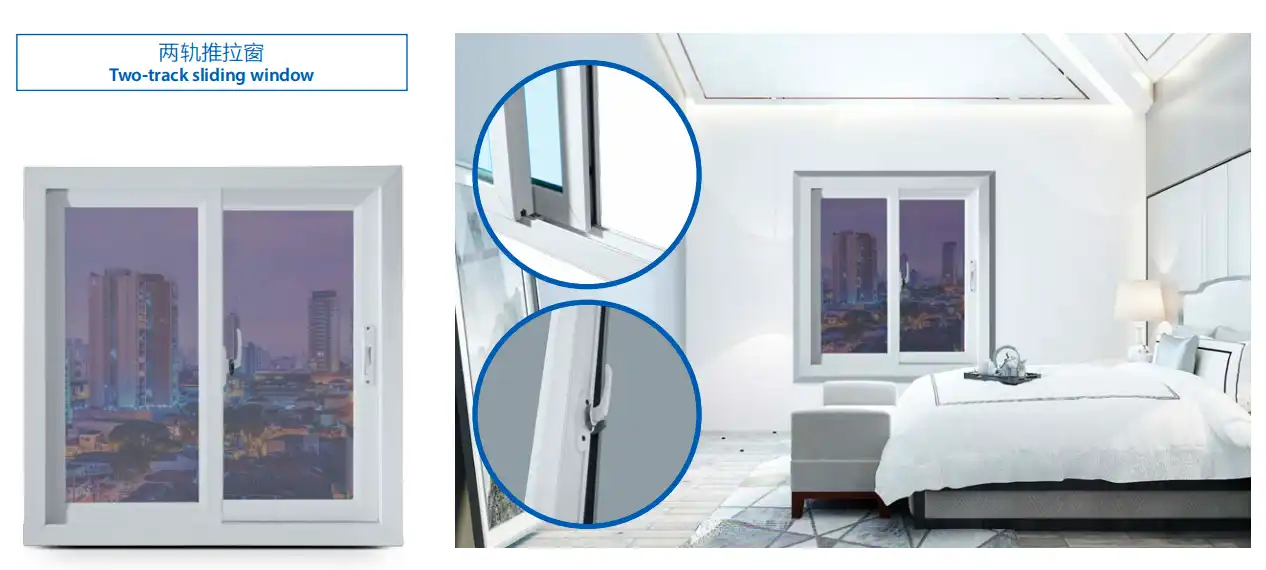
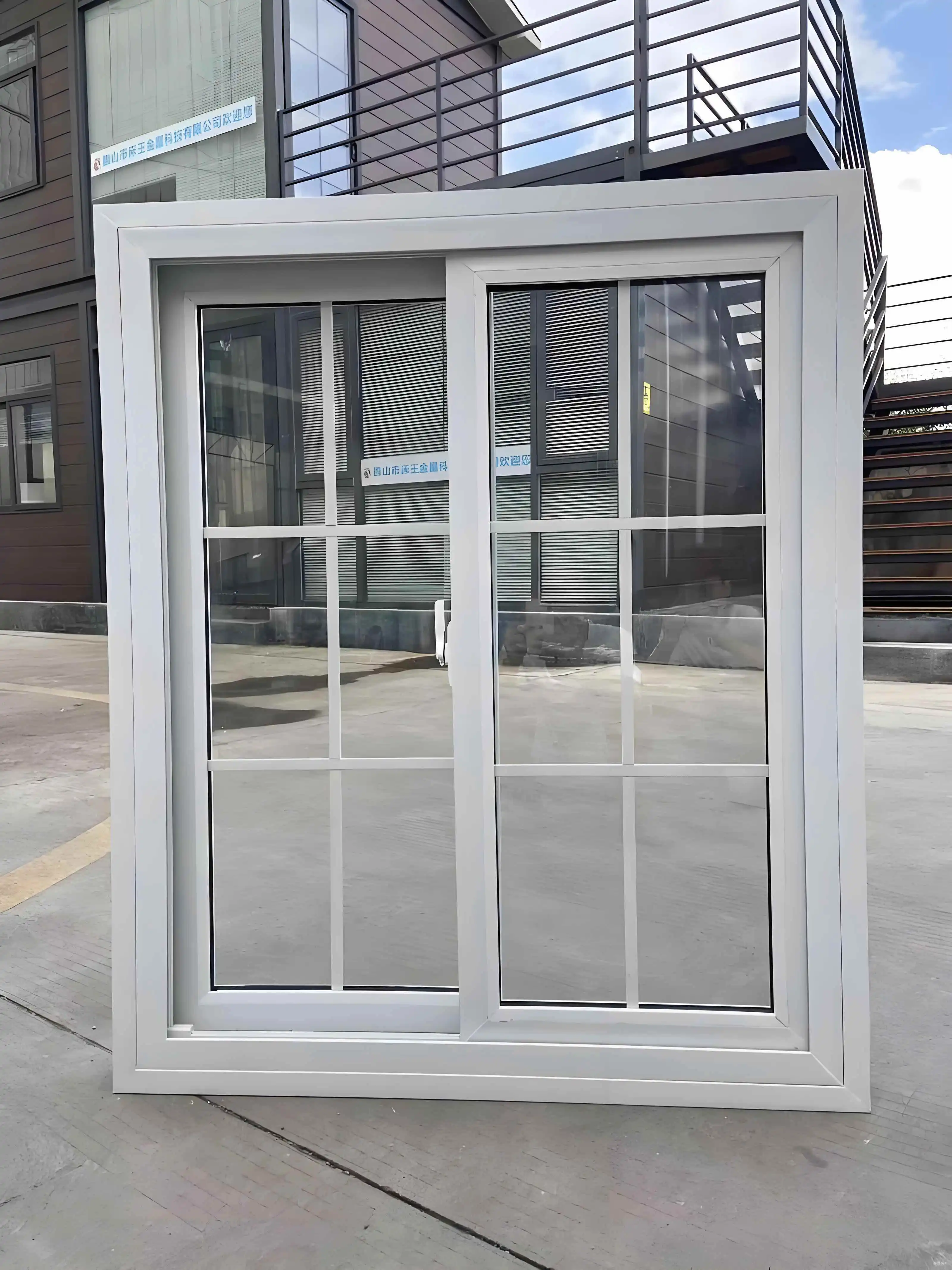
General contractors and purchasing managers always have to find a way to balance performance, price, and installation speed when choosing fenestration systems for multi-unit residential projects. The Two Track UPVC Sliding Window is a useful option that takes care of all of these issues at the same time. This two-track system has sliding glass and screen panels that are protected by a corrosion-resistant vinyl frame with steel reinforcement.
It provides reliable thermal and acoustic performance while cutting down on both material and labour costs by a large amount. Understanding the technical details and strategic benefits of this window type can make a big difference in the results of projects for developers working on tight deadlines and imports serving price-sensitive markets.
Understanding Two Track UPVC Sliding Windows
Core Structural Design
Because there are two tracks, there are separate channels for the glass panel and the insect screen. This lets each part work on its own without any problems. This construction is very different from single-track options where only the glass moves, which limits the amount of air flow that can happen. The trains in the track system are made of stainless steel, which doesn't wear down even after thousands of rounds of use. This means that the product will always move smoothly.
The multi-chamber UPVC profile, which comes in Series 70 and Series 80 options, has air pockets inside that stop thermal bridging. These chambers work with galvanised steel reinforcements that are between 1.2 mm and 2.0 mm thick. They give the structure the rigidity it needs for bigger openings while keeping the material's natural resistance to UV damage and water. Depending on the building rules in your area, profile walls are usually between 2.0 mm and 2.8 mm thick, which meets Class A or B standards.
Operational Mechanics and Sizing Flexibility
Because they slide horizontally instead of swinging out, these windows don't take up as much space, which makes them perfect for places like bedrooms, kitchens, and balconies where furniture is often positioned close to the wall. Standard configurations can fit opening widths ranging from 600mm to 1800mm, and panel heights can go up to 2400mm for bigger home uses.
The roller hardware system has adjustable wheels that spread the weight of the sash evenly across the track. This keeps the track from binding or being out of line, which can happen with cheaper options. When specifying for a project, it's important to know how much weight the rollers can hold. Well-designed rollers should be able to handle up to 80 kg per sash of glass without affecting their smooth operation.
Benefits of Two Track UPVC Sliding Windows for Residential Spaces
Thermal Efficiency and Energy Cost Reduction
When you pair Low-E glass with multi-chamber profiles and double glazing options, you can get U-values as low as 1.6 W/m²K. This means that your HVAC system doesn't have to work as hard to heat or cool your home. This performance directly leads to lower operating costs for property owners, which is a strong selling point for developers who want to sell energy-efficient homes to people who care about the environment.
UPVC is naturally more resistant to heat than aluminium profiles without thermal breaks. This means that there are no condensation problems that cause mould to grow and damage to the structure. The brush sealing system keeps moving and fixed parts in constant contact with each other, which stops air from getting in and lowering the insulation values. These technical benefits help projects get ENERGY STAR certification or similar regional efficiency standards. This often opens the door to reward programs that pay for the materials needed at the start.
Acoustic Comfort in Urban Environments
These windows can cut down on noise by 25dB to 30dB, which makes them good for residential projects near transport corridors, business districts or industrial zones. The dual-track system's sealing design puts up two walls between outside noise sources and inside areas, reducing road noise, building noise, and general city noise significantly.
This acoustic performance can make a difference when selecting for hotel or senior living projects where occupant comfort has a direct effect on happiness scores. Technical teams should know that the amount of sound reduction relies on the thickness of the glass, the width of the air gap in insulated glass units, and how well the glass is installed. Two Track UPVC Sliding Window systems, in particular, add a practical layer of consideration because their dual-track design and UPVC framing can influence seal integrity and overall sound insulation. For best performance in the field, gaps at the outer seal must be sealed.
Space Optimization and Installation Speed
Because they have a small profile depth and slide instead of swinging, casement windows don't need a swing radius, so furniture can be put right under the window openings. This smart use of space makes smaller apartments more useful, which is a big plus in cities with lots of people, where every square meter counts for the cost of the project.
Installation takes less time—often 40% less time than with casement options—because frame is easier and there are fewer adjustment spots. The preset track system comes ready to place the sashes, which cuts down on the time needed to work on-site and speeds up the job. Contractors who are in charge of multiple units like the standard installation process because it cuts down on the time needed to train installation crews and the number of calls back for operational changes.
Comparing Two Track UPVC Sliding Windows with Other Window Solutions
Performance Benchmarking Against Alternative Systems
When compared to single-track moving windows, the dual-track design lets each screen work on its own without reducing the amount of glass that can be seen. With a single-track system, users have to choose between keeping bugs out and letting air flow. With a two-track system, both functions can be used at the same time. This operational flexibility is especially helpful for residential projects in mild climates where natural ventilation lasts all spring and autumn.
UPVC designs are better than aluminium sliding systems because they don't suffer from galvanic rust and don't need to be refinished as often to keep their good looks. Because aluminium conducts heat more quickly than UPVC, it needs thermal break technology to achieve the same level of insulation. This drives up the cost of the material to levels that often exceed those of UPVC options. But aluminium has better structural strength for openings that are bigger than 2.5 meters, so the choice of material depends on the needs of the project.
Casement windows let in more air than other types of windows, but they need to be kept in good shape and have outer space. The sliding system is easier to maintain and doesn't let outside objects get in the way, but it can only ventilate up to 50% of the total opening, while a casement can ventilate up to 100%.
Cost Analysis Across Procurement Scenarios
The Two Track UPVC Sliding Window has the lowest total installed cost for residential developments that are trying to stay within a budget. This includes rental properties, affordable housing projects, and entry-level condos. Getting the materials is usually 15–25% cheaper than for similar casement systems, and installing them takes less work, which saves even more money. Because of these cost savings, project managers can put money toward other parts of the building without lowering the standards for fenestration performance.
Long-term maintenance costs and the number of replacement parts needed are cut down by the simplified hardware system, which is mostly made up of rollers and a central locking mechanism. Property management companies that are in charge of large portfolios of homes like how easy this system is to use because it cuts down on service calls and increases the time between component replacements.
Installation and Maintenance Guidelines for Two Track UPVC Sliding Windows
Critical Installation Steps for Optimal Performance
The right way to install something starts with making sure the rough opening is perfectly prepared, with square corners, level sills, and straight jambs that are within ±2mm of each other. Putting shims at quarter points around the frame's edge stops it from bowing under operational loads and keeps the reveals the same. Putting on the sill flashing before the windows and then the jamb and head protection forms a drainage path that moves water away from the building.
Anchoring methods need to take into account the type of material and the wind load estimates that are unique to the project site. In masonry installations, expansion bolts are usually used every 400 mm, while in wood-frame installations, structural screws are used to go through the framing sections. By placing the anchors correctly in the strengthened steel parts of the UPVC profile, damage from compression can be avoided while the needed pull-out resistance is met.
To make sure it will last for a long time, the perimeter sealant joint needs extra care, especially when installing a Two Track UPVC Sliding Window. A continuous support rod sets up the right joint shape. Next, low-modulus polyurethane or silicone sealant is used to allow the joint to move 50% of the way. This adaptable link can handle changes in temperature without harming the weatherproof shield.
Maintenance Protocols to Extend Service Life
Track cleaning is the most important part of maintenance. Every three months, you need to use a vacuum to remove the buildup of dirt and grime and then wipe it down with a damp cloth. Do not use rough cleaners or agents that damage UPVC surfaces or get rid of lubrication. Every year, silicone-based lubricant is put on the roller carriages. Petroleum-based lubricants attract dust and wear out faster.
The brush closing system needs to be checked during regular maintenance processes, and bristles should be replaced when they are compressed more than 30% of their original height. Checking the roller height settings and lock engagement are part of hardware adjustment. These tasks are usually done in 15 minutes per unit. This low upkeep need helps keep costs down over time compared to systems that need to have hinges adjusted or operation mechanisms replaced all the time.
Professional fitting services make sure that the products fit properly with the walls and that the guarantee terms are followed. Many makers won't cover damage that happens in the field because of bad installation methods. This means that general builders and project managers need to make sure they hire qualified installers as a risk management priority.
Procurement Considerations for Two Track UPVC Sliding Windows
Supplier Evaluation Criteria
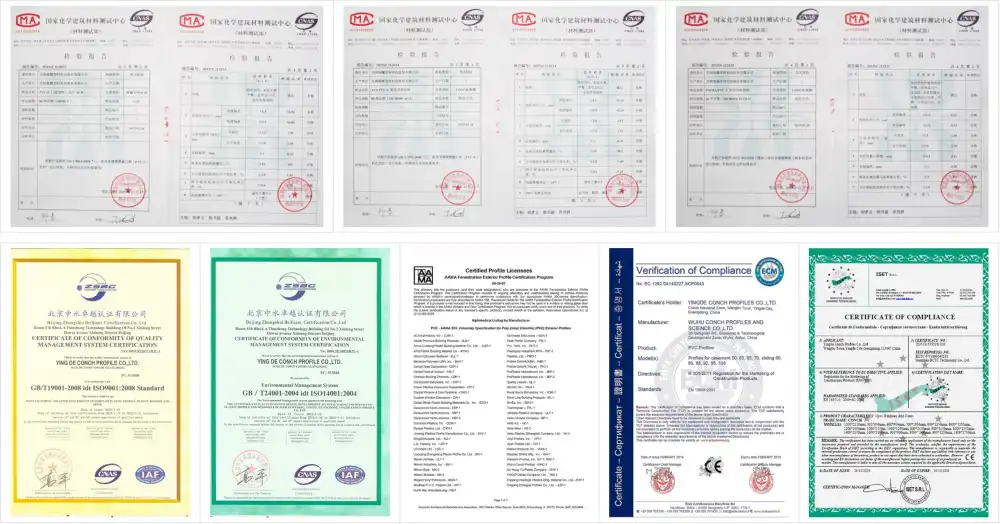
When buying things for large projects, purchasing managers should check that the maker has the right certifications, like ISO 9001 for quality management systems and product-specific approvals like CE marking or NFRC ratings for the market where the product will be sold. These certificates show that the production process is consistent and that the performance qualities have been tried, which lowers the risk of procurement.
As part of figuring out a factory's capacity, the capabilities of its production equipment are looked at. This includes automated welding stations and CNC cutting machines that make sure that large orders are cut accurately. When compared to sellers who get their parts from different sub-suppliers, those who keep their own specialised extrusion lines make profiles with tighter tolerances. Site visits or audits by a third party can confirm the claimed abilities and quality control methods.
Referencing projects in climate zones that are similar show that they can work in those conditions. Ask for proof of finished installations, including the size of the project, the dates of delivery met, and any service needs that came after the installation. Suppliers with established delivery networks in the area where you want to sell to usually offer more reliable logistics help and faster responses to technical questions.
Customization Capabilities and Order Specifications
When providers offer measurement customisation within their standard profile systems, it saves large projects money because they don't have to pay the extra costs that come with fully custom extrusions. Check the range of standard sizes that are available and the minimum order quantity for sizes that aren't standard. Some makers offer more colour options than just white and woodgrain, which lets architects and designers match the colours used in the building's design.
Specification options for glass should include different mixes of thicknesses, Low-E coatings, and gas fill options for enclosed units. Being able to get glazing from the window maker makes the buying process easier and makes sure that the glazing fits the frame's rabbet dimensions. Make it clear if the price includes fully assembled units or if field glazing is needed. This affects both the cost and the amount of labour needed for installation.
By making the most of each container, knock-down or flat-pack shipping options cut freight costs by up to 30% for international shipments—by maximizing container utilization. Two Track UPVC Sliding Window designs, when shipped in this format, fit neatly into the same space-saving logic. This method needs local building skills but greatly enhances the project's economics for cost-sensitive developments.
Make sure that suppliers give you clear instructions on how to put the parts together, videos that show you the right way to do things, and technical parameter sheets that list the torque requirements and sealant specifications. Even if the installation team hasn't worked with that line of products before, these resources make sure that the quality stays the same.
Logistics and After-Sales Support
Dependability on delivery times has a bigger effect on project schedules than small differences in cost between suppliers. Set clear wait times from the time you confirm the order until the goods leave the plant, are inspected for quality, and are shipped. Reliable suppliers keep extra stock of standard parts, so it only takes 25 to 30 days for normal project quantities to go from order to delivery.
Coverage periods for different parts of the warranty should be made clear. For example, coverage periods for profile material, hardware systems, and glass units are often different. Find out how to file a claim, what kind of paperwork is needed, and if the warranty covers new owners of the property. This is something that developers who are selling finished units should think about.
Having access to technical support helps solve problems in the field without delaying the project. Suppliers who offer specialised account management, access to engineering consultations, and installation training programs add value beyond the product itself. This is especially true for companies that are entering new markets or contractors who are offering more services.
Please note: Specific performance values should be verified against individual product testing reports and laboratory certifications, since results can be different depending on the type of glass used, the quality of the installation, and the environment.
Conclusion
The Two Track UPVC Sliding Window meets three important procurement objectives for home building projects: reliable performance, low cost, and easy installation. Its dual-track design, ability to insulate against heat, and low upkeep needs make it perfect for developers, general builders, and distributors who work with cost-conscious customers.
Procurement professionals can confidently specify these systems for projects ranging from multi-family housing developments to renovations as long as they understand the technical details, comparative advantages, and correct installation procedures outlined in this guide. This type of window has a reputation for being long-lasting, easy to install, and reasonably priced. These factors make it a smart choice for reaching project goals while maintaining quality standards that meet building codes and customer expectations.
FAQ
How does climate affect the performance of two-track sliding windows?
Two Track UPVC Sliding Windows don't expand and contract like aluminium does when the temperature drops or rises a lot. The material works reliably from -40°C to +60°C, so it can be used in temperate areas where the seasons change a lot. Coastal installations benefit from the corrosion resistance that keeps metal parts from breaking down due to salt air. Make sure that the gasket materials you've been given for your project are suitable for the temperature range that will be experienced. This will help the seal work well throughout the year.
What maintenance frequency should property management teams expect?
Regular maintenance includes cleaning the tracks every three months and lubricating the hardware once a year. This usually takes fifteen to twenty minutes per window unit. The mechanical ease of the slide system means that it doesn't need to be serviced as often as casement windows, which need to have their hinges adjusted and their operator mechanisms serviced. Set aside about two to three service hours a year for every 100 window units in properties that are managed by professionals.
Can these windows meet security requirements for ground-floor residential applications?
The glazing beads and central locking device can only be reached from the inside, so the sash can't be taken off from the outside. Multi-point locking systems engage the frame at three different points at the same time as part of enhanced security packages. Even though these steps make it harder for people to break in, ground-floor applications in high-risk areas might need extra security bars or laminated security glass on top of what is normally installed.
Partner with Haolv Building Materials for Your Window Procurement Needs
With 18 years of experience, Haolv Building Materials has been making UPVC and aluminium window systems for homes and businesses around the world. Our ISO-certified factories use both automated welding technology and precise CNC machinery to make sure that all of our orders, from container loads to multi-project supply agreements, are of the same high quality and accurate dimensions. As an established Two Track UPVC Sliding Window supplier, we have smart partnerships with top component makers, such as CONCH profile systems. This lets us offer great deals without lowering the quality of our products.
You can get free design advice from our technical team, which will help you find the best specifications for your project. We can ship both assembled and knocked-down, and our clear setup instructions and videos will help your team get good results no matter how much experience they have. With the current production capacity, it takes 25 to 30 days from the time an order is confirmed until it is delivered, and there is enough inventory to allow for changes to the plan.
You can talk to our procurement experts about your project requirements, ask for technical parameter paperwork, or set up sample packages by emailing kristin@haolvwindows.com. We offer unique solutions that are made to fit the needs of your market, low bulk pricing, and dedicated account management to make sure you get prompt help throughout the duration of your project. You can look at our full line of products at haolvbuilding.com and read case studies that show how our products have been successfully installed in a variety of home settings.
References
1. American Architectural Manufacturers Association. (2021). AAMA/WDMA/CSA 101/I.S.2/A440: North American Fenestration Standard/Specification for Windows, Doors, and Skylights. Schaumburg: AAMA Publication.
2. Johnson, M. & Chen, L. (2020). Thermal Performance Comparison of Residential Window Framing Materials. Journal of Building Physics, 44(3), 256-278.
3. National Fenestration Rating Council. (2022). NFRC 100: Procedure for Determining Fenestration Product U-factors. Silver Spring: NFRC Technical Publications.
4. Patterson, R. (2019). Cost-Effective Window Solutions for Multi-Family Housing Development. Construction Specifier, 72(8), 34-41.
5. Singh, A. & Roberts, K. (2023). Lifecycle Assessment of UPVC vs. Aluminum Window Systems in Residential Construction. Sustainable Building Materials Quarterly, 15(2), 112-129.
6. Wilson, T. (2021). Installation Best Practices for Sliding Window Systems in Wood and Masonry Construction. Builder's Technical Reference Manual, 9th Edition, 445-467.
Fast simple channel to send demands lock favorable price for building window door bulk purchases.