- English
- French
- German
- Portuguese
- Spanish
- Russian
- Japanese
- Korean
- Arabic
- Greek
- German
- Turkish
- Italian
- Danish
- Romanian
- Indonesian
- Czech
- Afrikaans
- Swedish
- Polish
- Basque
- Catalan
- Esperanto
- Hindi
- Lao
- Albanian
- Amharic
- Armenian
- Azerbaijani
- Belarusian
- Bengali
- Bosnian
- Bulgarian
- Cebuano
- Chichewa
- Corsican
- Croatian
- Dutch
- Estonian
- Filipino
- Finnish
- Frisian
- Galician
- Georgian
- Gujarati
- Haitian
- Hausa
- Hawaiian
- Hebrew
- Hmong
- Hungarian
- Icelandic
- Igbo
- Javanese
- Kannada
- Kazakh
- Khmer
- Kurdish
- Kyrgyz
- Latin
- Latvian
- Lithuanian
- Luxembou..
- Macedonian
- Malagasy
- Malay
- Malayalam
- Maltese
- Maori
- Marathi
- Mongolian
- Burmese
- Nepali
- Norwegian
- Pashto
- Persian
- Punjabi
- Serbian
- Sesotho
- Sinhala
- Slovak
- Slovenian
- Somali
- Samoan
- Scots Gaelic
- Shona
- Sindhi
- Sundanese
- Swahili
- Tajik
- Tamil
- Telugu
- Thai
- Ukrainian
- Urdu
- Uzbek
- Vietnamese
- Welsh
- Xhosa
- Yiddish
- Yoruba
- Zulu
What Materials Are Used in Thermal Break Casement Windows?
It is important to know what materials are used in a Thermal Break Casement Window when selecting fenestration systems for mid- to high-rise construction or business retrofits. These windows have reinforced 6063-T5 aluminum alloy profiles and polyamide (PA66GF25) thermal barrier strips. Together, they make an insulating bridge that stops heat from moving from the inside to the outside. When combined with advanced glazing units and precision-engineered sealing systems, this multi-material assembly gives U-values ranging from 1.0 to 1.8 W/m²K. This meets strict energy codes in a wide range of climates while maintaining the structural integrity needed for large-scale projects.
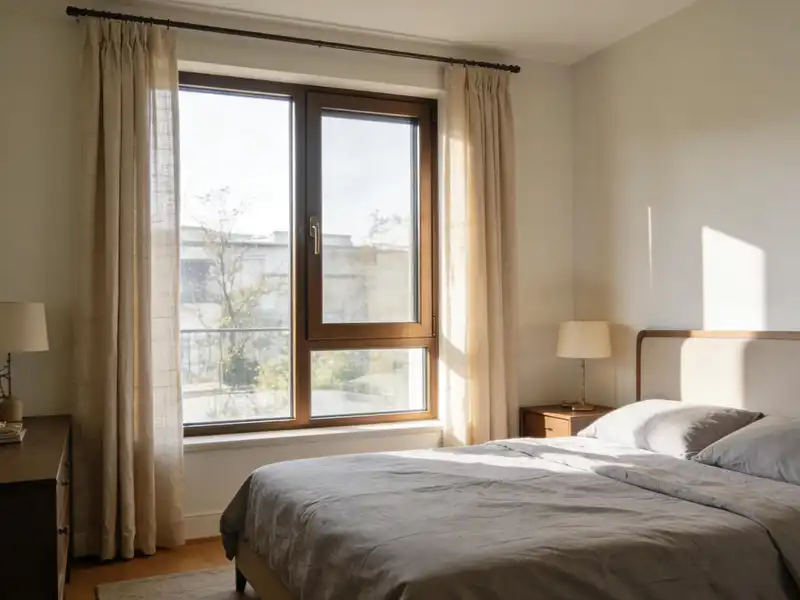
Understanding Thermal Break Casement Windows: Material Fundamentals
"Thermal break" means that the aluminum frame has been cut on purpose with a low-conductivity insert. This stops the metal from acting as a thermal bridge. Without this barrier, aluminum's high thermal conductivity (about 205 W/mK) would let heat or cold go straight from the outside to the inside, wasting energy and causing condensation to form on the surface. The frame is split into two thermally separate parts by adding a polyamide strip, which is a material with a thermal conductivity as low as 0.25 W/mK.
Primary Material Categories
There are three main types of materials that make up Thermal Break Casement Window systems: the frame extrusion (which can be made of aluminum or uPVC), the thermal barrier insert (which can be made of polyamide or polyurethane), and the window assembly. Each material has its own effect on how well the window keeps out heat, how stable it is, and how long it lasts.
Why Material Selection Matters for B2B Buyers
Choosing what to buy depends on finding the right balance between performance standards, project funds, and safety needs. If you choose the right profile thickness (1.4 to 2.0 mm wall thickness), thermal break width (usually 24 to 34 mm), and glass design, it will have a direct effect on the results of energy modeling, HVAC load calculations, and your ability to get NFRC approval. Choices of materials also affect how often they need to be maintained, how long they are expected to last, and the long-term return on investment, all of which are important things to think about when handling big commercial properties or apartment complexes with multiple units.
Core Frame Materials in Thermal Break Casement Windows
Choosing the right frame material is the first step in making sure the windows work well and the job goes well. The following materials are the most popular in the business-to-business market. Each has its own benefits for different uses and climates.
Aluminum Alloy Profiles: The Industry Standard
Aluminum is still the best material for Thermal Break Casement Windows in both business and high-rise home projects. The heat-treated 6063-T5 alloy is very strong and stable in its shape. It has the perfect mix of properties for being easy to extrude, resistant to corrosion, and easy to machine. Profile thicknesses between 1.4 mm and 2.0 mm make sure that wind load requirements of up to 4000Pa are met. This means that these systems can be used in coastal areas and places that are prone to typhoons.
The extrusion method can make complicated shapes, like thermal break holes, glazing rebates, and draining lines built into a single profile. Surface treatments make things even more durable. Powder coating adds a protective layer of at least 60 microns in any color; anodizing makes a hard oxide film that is very resistant to wear and tear; and PVDF fluoropolymer coatings are very stable in UV light and keep their color for a long time, often for 25 years or more.
uPVC Frames: Cost-Effective Insulation
Unplasticized polyvinyl chloride (uPVC) naturally insulates against heat because it has a multi-chamber hollow profile and a low material conductivity (about 0.17 W/mK). uPVC frames are usually used for replacing windows in homes, but commercial-grade extrusions reinforced with galvanized steel can meet the structural needs of bigger spaces.
The best thing about the material is how well it works for the price. This makes it a good choice for projects that need to be cost-effective while still being thermally efficient. But because uPVC has lower modular strength and is more likely to expand when it gets hot, engineers have to be very careful when selecting large-format casement windows. UV stabilizers and impact modifiers are important additives that keep colors stable over time and keep things from breaking in tough conditions.
Emerging Materials: Fiberglass and Wood Composites
In the high-performance fenestration market, fiberglass-reinforced polyester (FRP) and wood-composite frames are becoming more popular. These materials have very low thermal conductivity (0.3–0.5 W/mK) and stay the same size even at very high and very low temperatures. Pultruded fiberglass profiles are as strong as aluminum in terms of weight, and they don't cause any problems with thermal bridges.
Wood composites, which have engineered wood bases and aluminum or vinyl skins, are good for projects that need both natural looks and good heat performance. The warm interiors of these combination systems come from traditional wood, while the weather-resistant exteriors are made for harsh climes. Thermal Break Casement Window systems, in particular, benefit from this composite construction by reducing thermal transfer through the frame, making them ideal for energy-efficient designs. Because the material is more expensive and needs to be fabricated in a certain way, it is usually only used in custom home and small business projects.
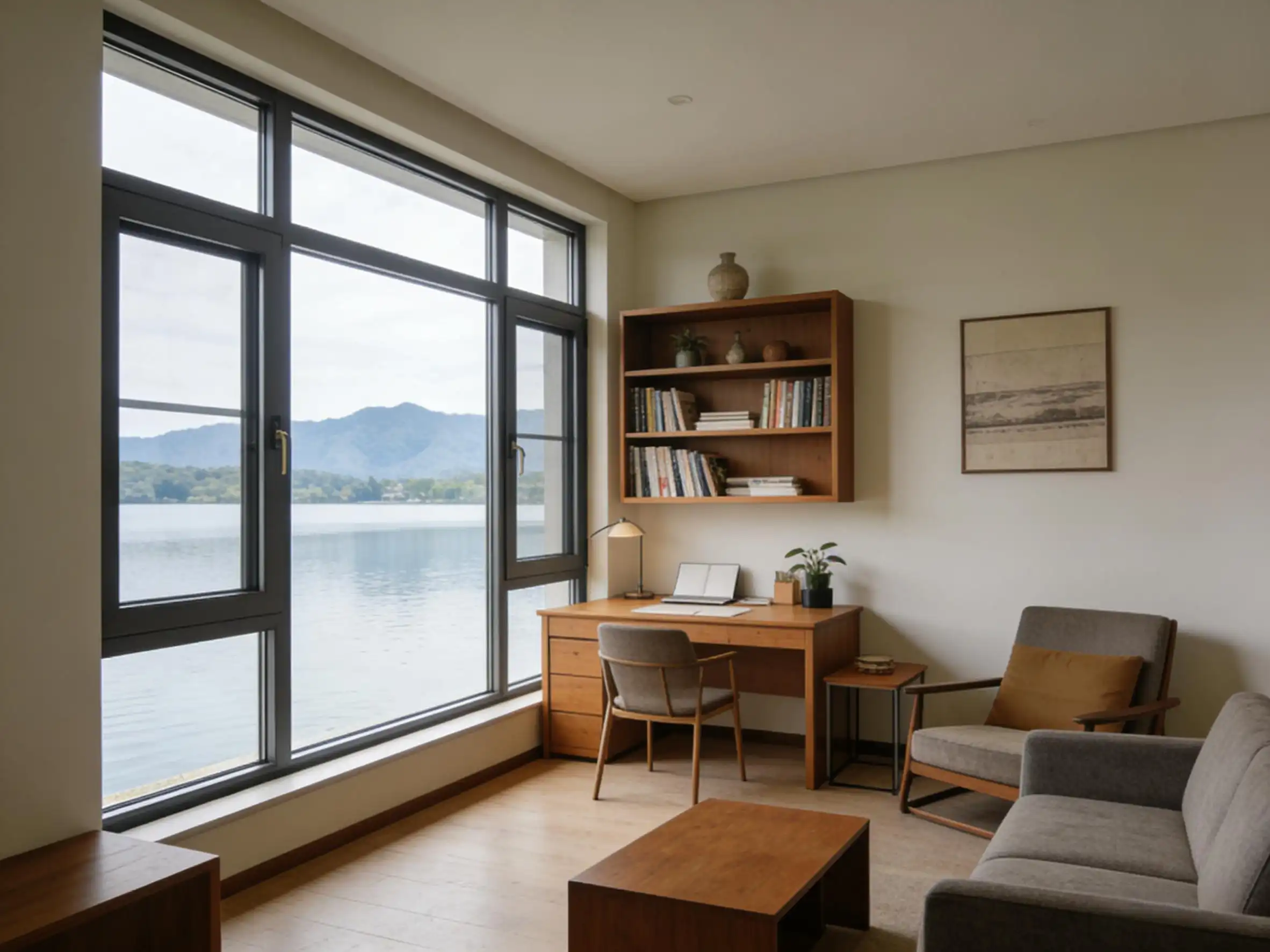
Thermal Break Materials and Their Performance Characteristics
The thermal barrier insert is the key innovation that turns ordinary aluminum frames into building parts that use less energy. Knowing the pros and cons of various thermal break materials lets you make smart design choices that are in line with project performance goals.
Polyamide Strips: The Performance Benchmark
The standard material for thermal breaks in the industry is PA66GF25, which is polyamide 66 with 25% glass fiber reinforcement. This engineering polymer has a low thermal conductivity (0.25–0.30 W/mK) and a high tensile strength (minimum 120 MPa). This makes sure that the thermal break stays strong even when it is exposed to wind loads and changes in temperature. The glass fiber reinforcement keeps the shape and matches the thermal expansion coefficient of aluminum, so the joints won't break during the window's lifetime.
During the "roll-forming" or "knurling" process, the polyamide strip is pressed into grooved grooves on both the inside and outside of the aluminum shapes. This mechanical connection, which is often strengthened with structural adhesives, makes a single frame that can move loads while keeping temperatures separate. The lengths of strips are usually between 24 mm and 34 mm. Wider strips work better in terms of heat transfer, but they need to be carefully analyzed to make sure they are strong enough.
Alternative Break Materials: Polyurethane and PVC
Polyurethane (PU) foam is a cheaper option to polyamide strips, especially when the job needs to be done less well. When PU is injected between aluminum holes, it forms a continuous thermal barrier with a conductivity of 0.20 to 0.24 W/mK. Because the material isn't very strong mechanically, it can only be used for windows in homes that need to withstand mild wind loads.
Rigid PVC thermal breaks are a good compromise between polyamide and polyurethane because they offer good thermal performance (0.18–0.22 W/mK) at a reasonable price. But PVC's lower glass transition temperature and easy deterioration by UV light mean that placements at high elevations or in harsh climates need to be carefully thought out.
Insulating Glass Unit Technologies
The glass system makes a big difference in how well the window keeps heat in or out. Double-glazed units are usually 24–28 mm thick and have two panes of glass divided by an aluminum or warm-edge gap that is filled with argon or krypton gas. Low-emissivity (low-E) coatings, which are very thin layers of metal that are put on glass, reflect infrared radiation while letting visible light pass through. This can cut heat transfer by up to 70%.
Triple-glazed units (44–52 mm thick) have a third pane and an extra gas pocket, which makes the U-value as low as 0.6 W/m²K. These assemblies are necessary for passive house standards and commercial projects in cold climates where heating loads account for most of the costs over the life of the building. Laminated glass choices have PVB or ionoplast interlayers that improve sound insulation (up to 45dB decrease) and meet safety glazing standards for storm zones or uses that need to be secure.
Disclaimer: Specific performance values depend on product configuration and third-party testing. Refer to manufacturer-provided NFRC or CE certification documents for project-specific data.
How Material Choices Impact Energy Efficiency and Procurement Decisions
Specifications for materials have a direct effect on how well they work and how much the project costs. Procurement teams can choose products that meet the goals of the organization if they know how component materials, thermal metrics, and long-term value are connected.
Thermal Performance Metrics: U-Values and R-Values
The U-value, which stands for "thermal transmittance coefficient," tells us how much heat moves through the whole window system. It is given in W/m²K or BTU/hr·ft²·°F. Insulation is better when the number is lower. A normal aluminum casement window without thermal breaks has U-values of 5–6 W/m²K. Adding a polyamide thermal break and double low-E glazing lowers this to 1.4–1.8 W/m²K, which is a 70% increase in thermal resistance.
The opposite of U-value is R-value, which shows heat resistance. Most of the time, minimum R-values for fenestration systems are needed for energy modeling for LEED certification or building energy codes. Compliance with building rules like ASHRAE 90.1 or the International Energy Conservation Code (IECC) depends on the choice of materials, especially the thermal break width, frame depth, and glazing arrangement.
Condensation Resistance and Indoor Comfort
The condensation resistance factor (CRF) tells you how well a window can keep internal surface moisture from forming. Standard aluminum frames have thermal bridging that makes the insides cold, which lets water settle and causes mold to grow and finish damage. The polyamide thermal break raises the temperatures inside the frame, usually getting CRF scores above 60 (on a scale from 0 to 100), which gets rid of condensation problems in places where there is a lot of warmth.
It is especially helpful in mixed-use developments, hospitality projects, and healthcare facilities where the quality of the air inside and the comfort of the people who work there have a direct effect on the success of the business. Thermal Break Casement Window further enhances these benefits by improving thermal insulation and reducing energy loss, which directly supports indoor air quality and occupant comfort. Getting rid of condensation also saves the building materials around it, which means fewer warranty claims and lower upkeep costs over the life of the building.
Real-World Performance: Cold Climate Case Study
Standard curtain wall units were changed with Thermal Break Casement Windows in a 300-unit Chicago apartment building. These windows have 34mm polyamide strips and triple-glazed units (U-value: 1.1 W/m²K). After the building was moved in, energy monitoring showed that 38% less heating energy was used than was planned in the original design. This saved more than $85,000 a year. Because it was more resistant to condensation, there were no more callbacks about water damage and mold, which saved an estimated $200,000 in repairs over the warranty period.
Procurement Decision Framework: Balancing Cost and Value
The upfront prices of materials are very different for each frame and thermal break choice. Standard aluminum profiles with polyamide thermal breaks usually cost 15–25% more than options that don't have thermal breaks. Triple glazing adds another 30–40% to the cost of glass. Lifecycle cost analysis, which looks at things like energy savings, smaller HVAC equipment, and maintenance intervals, shows that commercial applications always see a positive return on investment (ROI) within 5 to 8 years.
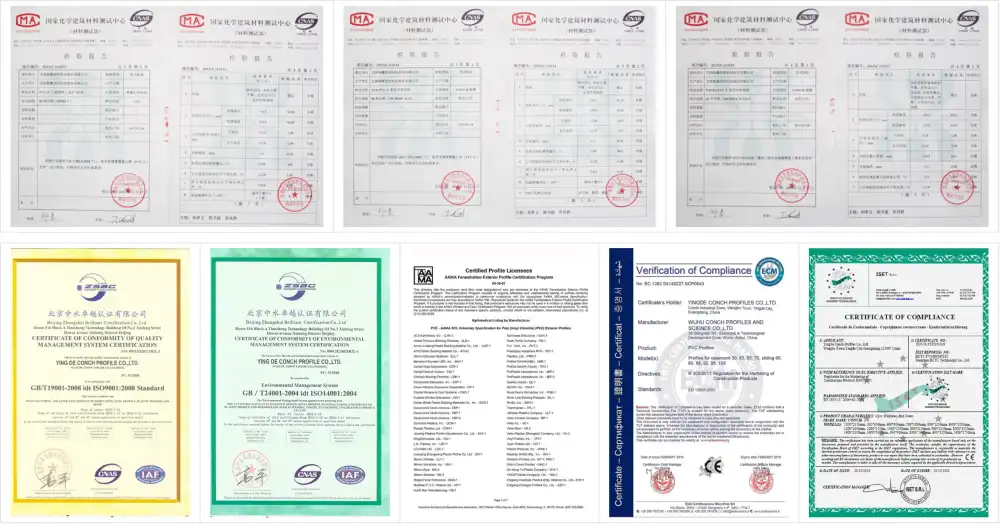
Instead of just looking at material costs, procurement teams should look at the total cost of ownership. Supplier approvals, such as NFRC labels, CE marks, and ISO 9001 quality systems, are very important for lowering risks because they make sure that material specs match performance claims and lower liability exposure. Requesting material test results with information on thermal break tensile strength, coating adhesion tests, and IGU sealant longevity certifications gives project partners the proof they need to do their research.
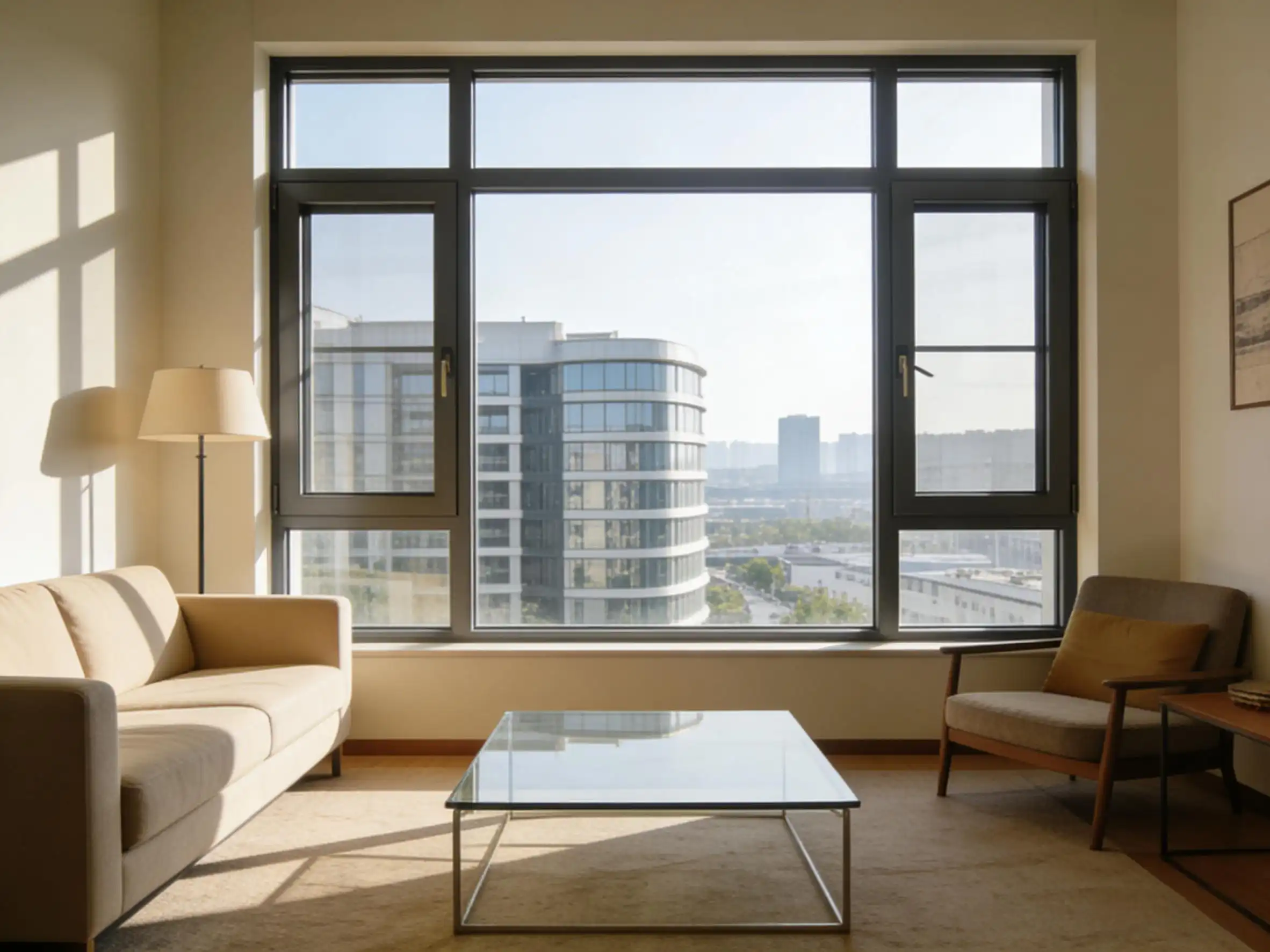
Selecting and Maintaining Thermal Break Casement Windows in B2B Procurement
A successful procurement process includes more than just specifying the materials that are needed. It also includes evaluating suppliers, customizing products, and using lifecycle management strategies to protect project investments.
Aligning Material Choices with Project Requirements
Material selection is based on climate zone research. Low U-values are important in cold areas (IECC zones 5–8), which means wide thermal breaks (28–34 mm) and triple windows. Low solar heat gain coefficient (SHGC) glass and external PVDF coatings that can handle salt spray and UV light are good for hot and humid areas (zones 1–2). In mixed conditions, you need specs that are balanced to get the best heating and cooling performance.
Material choices are also affected by the type of building. For high-rise buildings, profiles that meet strict building codes and wind load requirements are needed. These profiles are usually made of aluminum with a wall thickness of 2.0 mm and engineered thermal break systems. For renovation projects, thin profile designs (70–80 mm frame depth) are often needed to fit existing rough openings while making the most of the glazing area and natural light flow.
Supplier Evaluation Criteria
B2B buying teams should look at more than just price when judging sellers. Verifying the manufacturer's production capacity makes sure they can meet project deadlines. Automated extrusion lines and CNC manufacturing centers show that they can handle big orders. ISO 9001 and ISO 14001 standards for quality management show that structured process controls lower defect rates and delivery delays.
Customization tools are necessary to stand out from the competition. Suppliers who offer drawing coordination services, non-standard sizes (beyond series 70/80/100/120), and two-color finishing choices give you the freedom to work with the specific needs of your project. Engineering help, like structural calculations, thermal modeling help, and developing installation details, makes things easier for design teams and speeds up approvals.
Performance Documentation and Compliance
Procurement teams can avoid specification gaps and performance issues by asking for detailed technical paperwork. Some important papers are third-party test reports (like NFRC energy ratings and AAMA/WDMA/CSA 101 structural certifications) and material composition declarations (like polyamide grade specifications and aluminum alloy certificates). Quality control procedures also include corner joint testing protocols and coating thickness verification methods.
Thermal Break Casement Window systems, in particular, benefit from these verified documents because their thermal and structural performance depends directly on the exact materials and joinery quality specified in the test reports and certificates.
For projects in the United States, NFRC labeling gives consistent performance information that is accepted by all energy codes across the country. The European conformity (CE) mark shows that important health and safety rules for foreign projects have been met. AAMA approval means that the product meets the standards for air infiltration, water penetration, and structural efficiency in North American architecture.
Lifecycle Maintenance Considerations
With regular upkeep, windows will keep working well and last longer than 30 years. Multi-layer EPDM sealing systems need to be checked every so often, usually every 5–7 years, to see if they are losing their compression set or UV resistance. Cleaning instructions depend on the type of finish: light detergents can be used on powder-coated finishes, but pH-neutral solutions are needed to keep PVDF coats from getting damaged.
When to maintain hardware depends on how much it is used and how it is exposed to the surroundings. In business settings, high-end multi-point locking systems and friction stay hinges should be oiled and adjusted once a year. In household settings, the time between adjustments can be pushed back to 24–36 months. By giving maintenance instructions and training facility management teams, you can cut down on operational problems and warranty claims.
Knock-Down Shipping for Logistics Efficiency
Knock-down (KD) shipping setups save 25–35% on shipping costs compared to assembled pieces for projects that involve buying things from other countries or having sites that are far away. Frame parts, glazing units and hardware all arrive separately. Trained installers will put them together in the field by following the instructions in the manuals and videos that are sent to them. This method works especially well for big projects that need to maximize container space and set up phased delivery schedules to stay within budget.
Conclusion
The choice of material for Thermal Break Casement Windows has a direct effect on how well they keep out heat, how well they hold up, and how much the project will be worth in the long run. When you put together 6063-T5 aluminum profiles, PA66GF25 polyamide thermal barriers, and advanced insulating glass units, you get fenestration systems that can meet strict energy codes and withstand harsh environmental conditions.
To make sure that specs are the best they can be and that they meet project goals, procurement pros have to look at thermal data, source certifications, customization options, and lifecycle costs. Knowing about these basic materials, like frame extrusions, thermal break polymers, glass technologies, and surface treatments, helps you make smart decisions that balance the initial cost with long-term savings and the happiness of the people who live or work in the building.
FAQ
What is the typical cost difference between thermal break and non-thermal break casement windows?
Because they have a polyamide core, more steps are needed to make them, and the glass is better, Thermal Break Casement Windows usually cost 20–30% more than normal aluminum units. But commercial projects that save energy often pay for themselves in 5 to 8 years, especially in places with harsh climates. Spending money on the building raises its selling value and helps it get LEED approval.
Can thermal break casement windows be retrofitted into existing buildings?
The ability to retrofit depends on the rough opening dimensions and the condition of the structure. The slim profile line (70–80 mm frame depth) can fit a lot of common openings without having to make a lot of changes. A trained professional must do a site study and structure assessment to make sure it will work with the way things are now and to figure out what anchorage changes are needed to meet wind load requirements.
What certifications should I require from suppliers?
For U.S. projects, you should need NFRC labels that confirm the U-factor, SHGC, and air leakage rates. Getting an AAMA license shows that you meet standards for building integrity and water penetration. Having an ISO 9001 quality management certification means that production is controlled in a planned way. Ask for material test results that show the thermal break tensile strength and aluminum alloy composition to make sure the specifications are met and lower the risk of the buying process.
Partner with a Trusted Thermal Break Casement Window Manufacturer
Haolv Building Materials can help you with your next fenestration project because they have 18 years of experience making specialized goods. Our cutting-edge factory has automated extrusion lines, precise CNC fabrication, and quality control systems that are ISO-certified. These systems make sure that every Thermal Break Casement Window meets strict performance standards and delivery commitments. We can change everything about your order, from the profile thickness and thermal break width to the dual-color PVDF finishes and project-specific hardware setups. Our engineering help includes structural calculations, thermal modeling, and coordinating the installation.
The 70/80/100/120 series of our products are made with reinforced 6063-T5 aluminum, PA66GF25 thermal barriers, multi-layer EPDM sealing, and your choice of double, triple, or laminated glazing. We offer the technical paperwork, customization options, and reliable supply chain that procurement professionals need when they're choosing units for a high-rise building, a business renovation, or a large-scale residential project. Email our team at kristin@haolvwindows.com to talk about your project needs, get technical specs, and get a full quote from a top Thermal Break Casement Window source who cares about the success of your project.
References
1. American Architectural Manufacturers Association (AAMA). AAMA 507-16: Standard Practice for Determining the Thermal Performance of Fenestration Systems Using Infrared Thermography. Schaumburg: AAMA, 2016.
2. National Fenestration Rating Council (NFRC). NFRC 100-2020: Procedure for Determining Fenestration Product U-factors. Greenbelt: NFRC, 2020.
3. Carmody, John, Stephen Selkowitz, Eleanor S. Lee, Dariush Arasteh, and Todd Willmert. Window Systems for High-Performance Buildings. New York: W.W. Norton & Company, 2004.
4. Asdrubali, Francesco, and Giorgio Baldinelli. "Thermal Transmittance Measurements with the Hot Box Method: Calibration, Experimental Procedures, and Uncertainty Analyses of Three Different Approaches." Energy and Buildings 43, no. 7 (2011): 1618-1626.
5. Gustavsen, Arild, Sivert Uvsløkk, Bjørn Petter Jelle, Carsten Arasteh, Dariush Kohler, and Christian Grynning. "Highly Insulating Window Frames: State of the Art and Future Developments." Journal of Building Physics 31, no. 4 (2008): 353-378.
6. Lstiburek, Joseph W. Builder's Guide to Cold Climates: A Systems Approach to Designing and Building Homes That Are Healthy, Comfortable, Durable, Energy Efficient, and Environmentally Responsible. Westford: Building Science Press, 2000.
Fast simple channel to send demands lock favorable price for building window door bulk purchases.