- English
- French
- German
- Portuguese
- Spanish
- Russian
- Japanese
- Korean
- Arabic
- Greek
- German
- Turkish
- Italian
- Danish
- Romanian
- Indonesian
- Czech
- Afrikaans
- Swedish
- Polish
- Basque
- Catalan
- Esperanto
- Hindi
- Lao
- Albanian
- Amharic
- Armenian
- Azerbaijani
- Belarusian
- Bengali
- Bosnian
- Bulgarian
- Cebuano
- Chichewa
- Corsican
- Croatian
- Dutch
- Estonian
- Filipino
- Finnish
- Frisian
- Galician
- Georgian
- Gujarati
- Haitian
- Hausa
- Hawaiian
- Hebrew
- Hmong
- Hungarian
- Icelandic
- Igbo
- Javanese
- Kannada
- Kazakh
- Khmer
- Kurdish
- Kyrgyz
- Latin
- Latvian
- Lithuanian
- Luxembou..
- Macedonian
- Malagasy
- Malay
- Malayalam
- Maltese
- Maori
- Marathi
- Mongolian
- Burmese
- Nepali
- Norwegian
- Pashto
- Persian
- Punjabi
- Serbian
- Sesotho
- Sinhala
- Slovak
- Slovenian
- Somali
- Samoan
- Scots Gaelic
- Shona
- Sindhi
- Sundanese
- Swahili
- Tajik
- Tamil
- Telugu
- Thai
- Ukrainian
- Urdu
- Uzbek
- Vietnamese
- Welsh
- Xhosa
- Yiddish
- Yoruba
- Zulu
What Are Non Thermal Break Sliding Windows Used For?
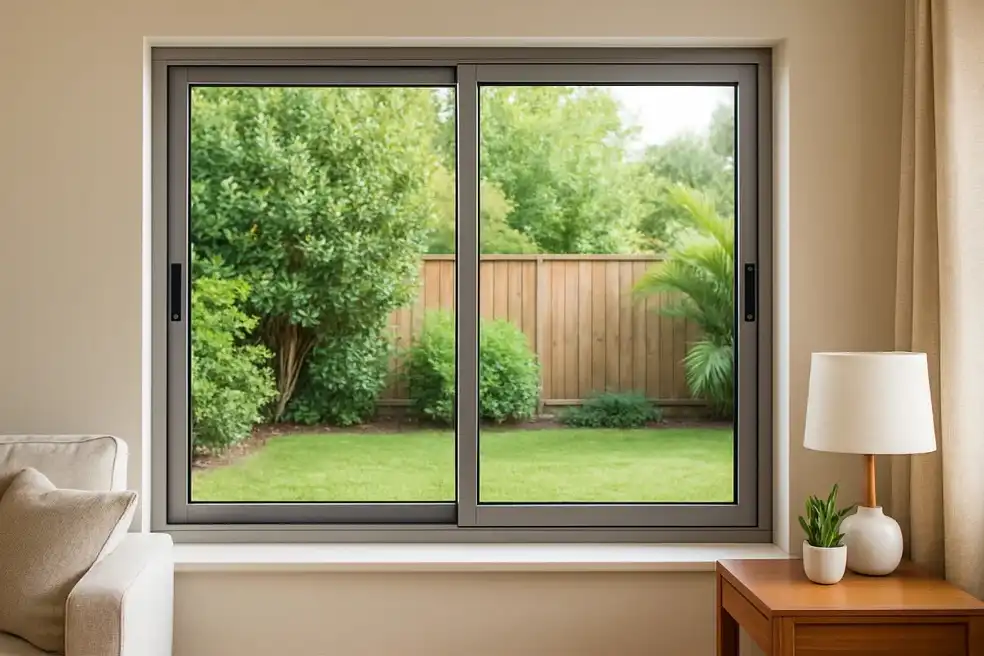
When you're planning your next business or private project, picking the right window system will have a direct effect on both your budget and how well the project works in the long run. A Non Thermal Break Sliding Window has a continuous aluminium frame system that doesn't have any polyamide thermal insulation strips. It was made for projects that need to be cost-effective and work in milder temperatures.
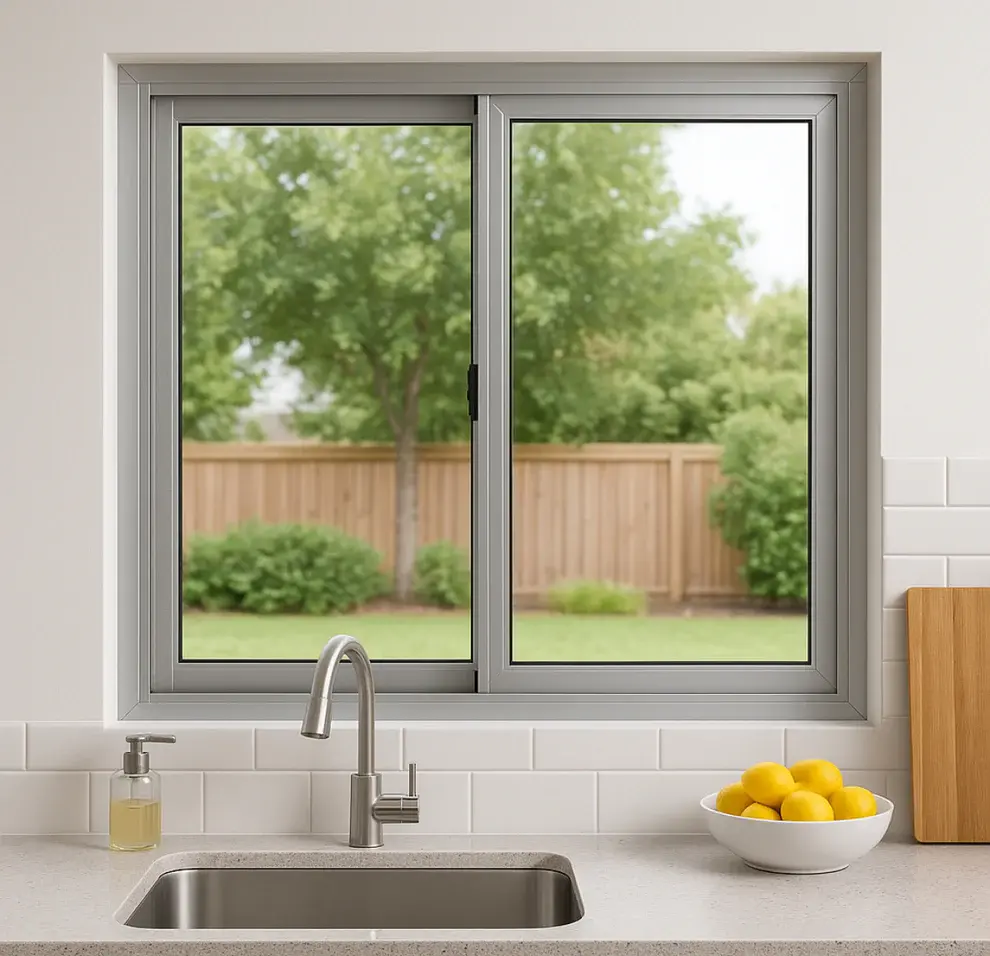
These windows have three separate stainless steel tracks that let the main sash, secondary sash, and insect screen all work at the same time. This gives you more ventilation options than traditional two-track systems. Because they are made of solid aluminium, they are very strong and don't cost as much to make. This makes them very popular for large-scale building upgrades, covered balconies, and low-rise residential projects in temperate regions.
Understanding Non Thermal Break Sliding Windows
What Defines This Window System
Non Thermal Break Sliding Windows don't have insulating walls that stop heat from moving like thermal break designs do. Instead, they have a continuous metal profile from the inside to the outside. This way of building uses 6063-T5 aluminium metal, which is known for having a high strength-to-weight ratio and being resistant to rust. The walls are usually extruded with a thickness of 1.2mm to 1.4mm. Since there are no nylon strips, heat moves directly through the frame. This changes how well the energy works, but it also makes the frame more rigid and gives you a better view.
When builders make a design choice, they often wonder what it means in real life. It is possible to install bigger glass panes without adding extra support because the continuous aluminium frame can hold more weight. When you put two profiles next to each other, non thermal break frames are usually 15-20% narrower than their thermal break counterparts. This means that more light can come through, which is something that many builders look for in business areas and store showrooms.
Technical Specifications That Matter
Our 3-track sliding system has functional benefits that directly solve problems that come up during installation. You can move the main window, the secondary window, and the screen all at the same time without any problems because the three separate stainless steel rails work on their own. One common problem for builders with standard two-track layouts is that one panel has to stay in place all the time. This design fixes that problem.
The hardware package comes with high-quality rollers that won't wear out and glide smoothly along precision-engineered tracks. It also comes with crescent locks for a secure closure and anti-derailment clips that keep the sash from moving while it's being used. The best way to seal against the weather is to use brush weather strips along with a stepped draining design. This keeps water out while still keeping the air tight enough for normal weather conditions. When paired with 5+12A+5mm double glazing, sound insulation usually runs from 25 to 30 decibels, which is good enough for most business and residential uses outside of areas with a lot of noise.
Performance Standards and Testing
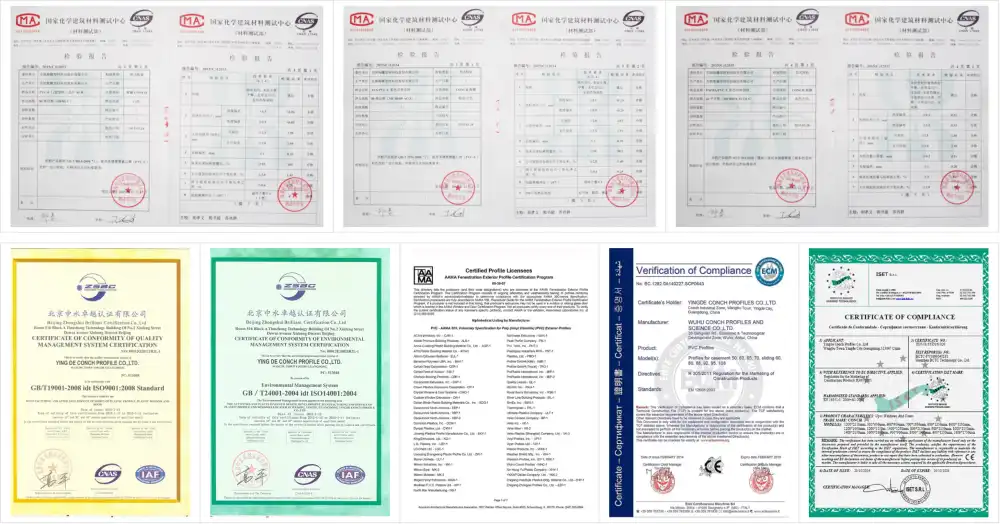
Most wind resistance grades are between 4 and 5, which means they meet the needs of low-rise and mid-rise buildings in most temperate zones. The level of water and air tightness meets modest standards, which are fine for normal weather conditions. However, areas that are very close to the coast or are prone to hurricanes may need higher standards. Our production process follows quality management guidelines that have been approved by ISO. If needed, CE compliance can be added to meet the legal needs of North American and European markets.
Disclaimer: Specific performance factors should always be checked against testing reports for each product and engineering calculations made just for that project.
Typical Applications of Non Thermal Break Sliding Windows in B2B Projects
Commercial and Industrial Environments
Warehouses and supply centers are great places to use this Non Thermal Break Sliding Window system. Distribution centers need strong, low-maintenance windows that let in natural light and air flow without putting the building's structure at risk or going over its operating budget. The continuous aluminium frame can handle the mechanical stress of high-frequency operation, which is important when warehouse workers open and close windows several times a day to control the temperature.
These windows are used as inner walls in retail stores and business shopfronts where thermal separation between zones is not needed. The thin profile makes it easier to see between rooms while also blocking noise and giving you more control over air flow. The horizontal sliding action saves room on enclosed balconies in office buildings and apartment complexes by getting rid of the inward or outward swing that would get in the way of placing furniture or walking.
Residential Construction Scenarios
These windows are often used in multi-story residential projects in mild climates, like social housing buildings in the southern US, because they are durable and don't cost too much to build. When you add up the savings on materials compared to other thermal break options for hundreds of units, developers on a tight budget will appreciate them. The savings can reach 20 to 30 percent.
Patios and sunrooms with walls around them can also be used strategically. Most of the time, these transitional areas don't need to be as thermally efficient as main living areas, but people still want them to work smoothly, last a long time, and require little maintenance. With the three-track system, homes can exactly control airflow by adjusting the main and secondary sashes separately, as well as the insect screen.
Climate Considerations
Temperate areas with mild winters and moderate summers are the best places for non thermal break systems to work. In places where heating and cooling needs are low all year, these windows work well because they don't have to deal with the condensation risks that come with high humidity and big temperature changes. Builders who work in tropical climates or places where the seasons don't change much often find that these windows meet their performance needs and save them money at the same time.
Non Thermal Break Sliding Windows vs Thermal Break: A Comparative Analysis
Construction Differences
Thermal break windows have polyamide strips, which are usually 15 to 30 mm wide and physically separate the aluminium parts on the inside and outside. This stops heat from moving through the window. This construction makes the materials and manufacturing steps more complicated, which has a direct effect on the unit cost. On the other hand, Non Thermal Break Sliding Window designs for continuous aluminium extrusions speed up production, cut down on material waste, and shorten the time it takes to make things.
The effects on structure go beyond cost. Solid aluminium profiles are stronger when they are bent, which is helpful when they need to span large openings or hold up heavy glass assemblies. Even though thermal break systems are better at keeping heat in, they can have weak spots at the polyamide joints that need to be carefully engineered to keep the same structural grades as continuous aluminium frames.
Thermal Performance and Energy Impact
The most important difference in efficiency is thermal transmission. Aluminium moves heat around at a rate of about 237 W/m·K, but polyamide barriers stop this transfer a lot. U-values for thermal break windows are usually between 1.8 and 2.5 W/m³K, while U-values for non thermal break systems are usually between 3.5 and 5.0 W/m³K. What your project actually means in the real world depends on the climate and the energy code.
In mild climates where HVAC loads stay low all year, projects may not see much of a difference in operational costs over the life of the window. Studies using energy modelling on warehouses in temperate areas show that the higher conductivity of non thermal break frames only adds about 5% to the total energy use of the building when the envelope area, air infiltration, and mechanical system efficiency are all taken into account.
Cost Analysis and ROI
The initial cost of the materials is much better for non thermal break methods. When purchasing managers ask for bulk pricing on 500 units or more, the prices usually go down by 25 to 35 percent compared to the same thermal break specs. This difference can save a lot of money on big projects, freeing up money for other building system changes or letting builders improve finishes while still staying within their total budget goals.
To figure out lifecycle costs, you have to be honest about things like weather, energy costs, and maintenance habits. When made and fitted correctly, both systems are about the same in terms of how long they last. With regular upkeep, they should both last 15 to 20 years. Lack of thermal break strips actually gets rid of one possible failure mode, since polyamide degradation over time can hurt both thermal performance and structural integrity in thermal break systems that were not made well.
Procurement Guide for Non Thermal Break Sliding Windows
Supplier Evaluation Criteria
When looking for trusted makers, you need to look at more than just unit price. The ability to manufacture a Non Thermal Break Sliding Window tells you if a seller can handle the size and time frame of your project. Look for factories that have automatic assembly systems, precision CNC cutting equipment, and aluminium extrusion lines. This kind of equipment makes sure that the quality stays the same during big production runs.
Haolv Building Materials has a fully integrated production facility that lets us control every step of the process, from extruding the raw materials to cutting, welding, and putting the whole thing together. This vertical unity lets us keep an eye on quality in a way that broken supply chains can't. Because we've been exporting for 18 years, we know how hard it can be with paperwork, shipping, and handling for business-to-business deals across borders.
Customization and Technical Support
The needs of each project are very different, and strict standard goods don't always meet all of them. Suppliers who can really help with complicated projects are different from those who only sell catalogue items because they can customise their products. Frame colours, glass setups, hardware styles, and changes to the size should all be possible without having to pay extra for longer lead times or larger minimum orders.
With every order, we include full technical parameter sheets, installation videos, and thorough assembly directions. This paperwork clears up any confusion in the field and speeds up installation schedules. We have a free technical consultation service where our engineers can help you match window specifications to the needs of your project, the weather, and your budget. This support keeps going through production with reports on the work's progress and quality checks that give you peace of mind about what you're getting.
Logistics Efficiency and Assembly Options
Transportation costs are a big part of the total landing cost that people often don't account for, especially for projects that need to ship goods across foreign borders. Frames, sashes, and hardware can be shipped as different parts that are put together by workers on-site thanks to knock-down packing. This method can cut shipping volume by 30 to 40 percent, which lowers freight costs and makes container optimisation much more effective.
Our packaging engineering team creates knock-down configurations that are perfect for long-distance shipping. These configurations come with assembly guides that cut down on the time needed by field workers. According to contractors, our method usually adds less than 10 minutes to the time it takes to assemble each window unit on-site. This small amount of time saves a lot of time and money when ordering in bulk. This flexibility is especially helpful when planning staged deliveries to fit building plans without using up all the storage space on site.
Lead Time Management
Standard bulk orders usually go from confirmation of the purchase order to leaving the factory gate in 25 to 30 days. This schedule is based on standard colours, standard glazing requirements, and hardware choices from our regular stock. Custom requests, like specific RAL colours, laminated glass parts, or unique dimension shapes, may add 7–10 days to the production time, but our manufacturing freedom usually lets us handle these requests without affecting the overall project timeline.
We keep enough stock of high-volume parts like standard profiles, common tool sets, and commonly requested glass measures so that we can act quickly when project deadlines get tight. Our ties in the supply chain, especially our long-term relationship with CONCH for aluminium materials, make sure that materials are always available. This keeps us from having to wait longer than planned because we don't have enough raw materials.
Why Choose Our Non Thermal Break Sliding Windows for Your B2B Projects
Product Quality and Certification
At every stage of production, our Non Thermal Break Sliding Windows are put through a lot of tests. Before extrusion, the aluminium alloy makeup must be checked against the 6063-T5 standards during the raw material review. To keep air from leaking, dimensional tolerance checks make sure that the curves of the frame and sash stay within +/- 0.5 mm. Coating bonding testing using ISO 2409 cross-cut standards proves that finishes like powder coating, anodising, or wood grain will not break down or wear down over time when exposed to UV light.
Cycle testing is done on the hardware to make sure that the wheels and stainless steel tracks can handle more than 20,000 opening and closing processes without losing their performance. According to ASTM E331 standards, testing for water tightness confirms that our stepped drainage design and weather strip configuration work well in heavy rain. These quality control methods are in line with AAMA standards and make sure that the product works well in a variety of installation settings.
We've been working on our engineering skills for almost twenty years, which lets us make standard goods quickly while still being able to adapt to the needs of any project. Whether you need custom RAL colours to match certain architectural themes, specific glass configurations for acoustic needs, or size changes to fit non-standard rough openings, our production systems can handle these changes without the delays and extra costs that come with working with less experienced manufacturers.
Market Reputation and Service Excellence
Our clients include real estate developers who run apartment complexes with multiple buildings, general contractors who do renovations for businesses, and distributors of building materials who serve regional markets across North America. We know what different types of clients want and need when it comes to everything from coordinating deliveries to meeting paperwork needs to providing help after the sale.
Project follow-up is still one of our main strengths. Our team keeps in touch with you throughout the whole process, from the initial question to technical advice, order processing, production tracking, quality inspection, shipping planning, and support after delivery. This ensures that your project stays on track. We know that windows are important parts of construction schedules and that delays affect other trades, which raises costs and causes frustration among stakeholders.
Sustainability and Innovation
Because aluminium can be recycled, it is a material that is good for the earth. Through precision cutting optimisation and scrap recycling programs, our production methods make the least amount of trash possible. When properly made, aluminium windows last longer and don't need to be replaced as often. This lowers their lifecycle environmental impact compared to shorter-lasting options that need to be thrown away and replaced more often.
As building rules change and market needs change, we remain committed to developing new products. We spend money on testing tools, professional training, and making process changes that let us meet new performance standards and customer needs. This forward-looking approach ensures the windows we manufacture today meet not only current specifications but also anticipate the regulatory and performance expectations that will define tomorrow's building projects.
Conclusion
Non Thermal Break Sliding Windows have been shown to be useful for builders, developers, and distributors who are in charge of projects with middling thermal performance needs and a focus on cost-effectiveness. The three-track system gives you more air options than standard two-track designs, and the continuous aluminium construction has structural benefits and lower costs that have a big impact on the project's economy.
Knowing that these windows work best in temperate climates, industrial facilities, enclosed balconies, and cost-effective residential developments lets you confidently specify them when needed, while also being aware of their limitations in harsh climates or high-performance building envelopes. You can tell if a seller can really help your project succeed beyond just giving you products at low prices by how reliable their manufacturing is, how well they handle shipping, and how much customisation they offer.
FAQ
Can non thermal break sliding windows perform adequately in coastal environments?
Due to salt spray, marine environments can cause corrosion, but this problem can be solved by properly treating the surface. Choose a marine-grade powder coating or a 25-micron anodised finish that meets the standards for salt spray protection set by ISO 9227. Using these treatments on Non Thermal Break Sliding Windows makes a barrier that keeps them looking good and stops oxidation over the course of their useful life. Regular care, like washing with mild soap every couple of months, gets rid of salt buildup and keeps the finish in good shape.
How do these windows compare to thermal break systems for soundproofing?
The frame's conductivity doesn't have much of an effect on the soundproofing; the glass piece is what blocks out sound. A non thermal break sliding window with 6mm+9A+6mm double glazing usually gets an STC value of 30 to 35 decibels, which is about the same as thermal break systems with the same glass specs. Instead of switching frame types, projects that need better soundproofing should focus on upgrading to laminated glass or adding more air space inside the insulated glass unit.
What maintenance do these windows require?
Cleaning the tracks every six months and lubricating the rollers on a regular basis keep the machine running smoothly. Use a vacuum or soft brush to get rid of any dirt or dust in the tracks, and then put a few drops of silicone-based lubricant on the roller assemblies. Every year, the weather strip should be inspected, and it's easy and cheap to get a new one when it starts to show signs of wear or tension. Property managers who are in charge of several buildings will like how little care is needed. This is because maintenance efficiency directly affects working costs.
Partner with Haolv Building Materials for Your Next Project
Purchasing managers, general contractors, and building material distributors looking for a reliable Non Thermal Break Sliding Window manufacturer will find that Haolv Building Materials has the quality products, customisation options, and efficient logistics that are needed for large projects. Our 18-year history of manufacturing gives us the technical know-how and process stability that get rid of common supplier problems like inconsistent quality, missed deadlines, and not enough technical support.
We ship samples to you for free (freight costs apply), so you can see for yourself how good the products are before you decide to buy a lot of them. You can email our team at kristin@haolvwindows.com to talk about your project needs, get full technical specs, or set up a meeting with one of our engineers. For approved distributors and contractors who manage ongoing buying needs, there are bulk purchase rewards and OEM partnership possibilities.
References
1. Smith, J.R. & Williams, T.K. (2021). Aluminum Window Systems: Design, Performance, and Application in Commercial Construction. Building Science Press.
2. National Fenestration Rating Council (2020). Technical Guidelines for Window Thermal Performance Assessment. NFRC Publication Series.
3. Harrison, M.D. (2019). "Comparative Analysis of Thermal Break and Non-Thermal Break Aluminum Profiles in Temperate Climates." Journal of Building Envelope Design, 15(3), 112-128.
4. American Architectural Manufacturers Association (2022). AAMA Standards for Aluminum Window and Door Performance. AAMA Technical Manual.
5. Chen, L. & Rodriguez, P. (2020). "Cost-Benefit Analysis of Window System Specifications in Multi-Family Residential Development." Construction Economics Review, 8(2), 45-61.
6. Thompson, R.A. (2018). Building Materials Selection for Commercial Projects: A Procurement Guide for Contractors and Developers. Construction Industry Institute.
Fast simple channel to send demands lock favorable price for building window door bulk purchases.