- English
- French
- German
- Portuguese
- Spanish
- Russian
- Japanese
- Korean
- Arabic
- Greek
- German
- Turkish
- Italian
- Danish
- Romanian
- Indonesian
- Czech
- Afrikaans
- Swedish
- Polish
- Basque
- Catalan
- Esperanto
- Hindi
- Lao
- Albanian
- Amharic
- Armenian
- Azerbaijani
- Belarusian
- Bengali
- Bosnian
- Bulgarian
- Cebuano
- Chichewa
- Corsican
- Croatian
- Dutch
- Estonian
- Filipino
- Finnish
- Frisian
- Galician
- Georgian
- Gujarati
- Haitian
- Hausa
- Hawaiian
- Hebrew
- Hmong
- Hungarian
- Icelandic
- Igbo
- Javanese
- Kannada
- Kazakh
- Khmer
- Kurdish
- Kyrgyz
- Latin
- Latvian
- Lithuanian
- Luxembou..
- Macedonian
- Malagasy
- Malay
- Malayalam
- Maltese
- Maori
- Marathi
- Mongolian
- Burmese
- Nepali
- Norwegian
- Pashto
- Persian
- Punjabi
- Serbian
- Sesotho
- Sinhala
- Slovak
- Slovenian
- Somali
- Samoan
- Scots Gaelic
- Shona
- Sindhi
- Sundanese
- Swahili
- Tajik
- Tamil
- Telugu
- Thai
- Ukrainian
- Urdu
- Uzbek
- Vietnamese
- Welsh
- Xhosa
- Yiddish
- Yoruba
- Zulu
What is the primary purpose of a thermal break in aluminum profiles?
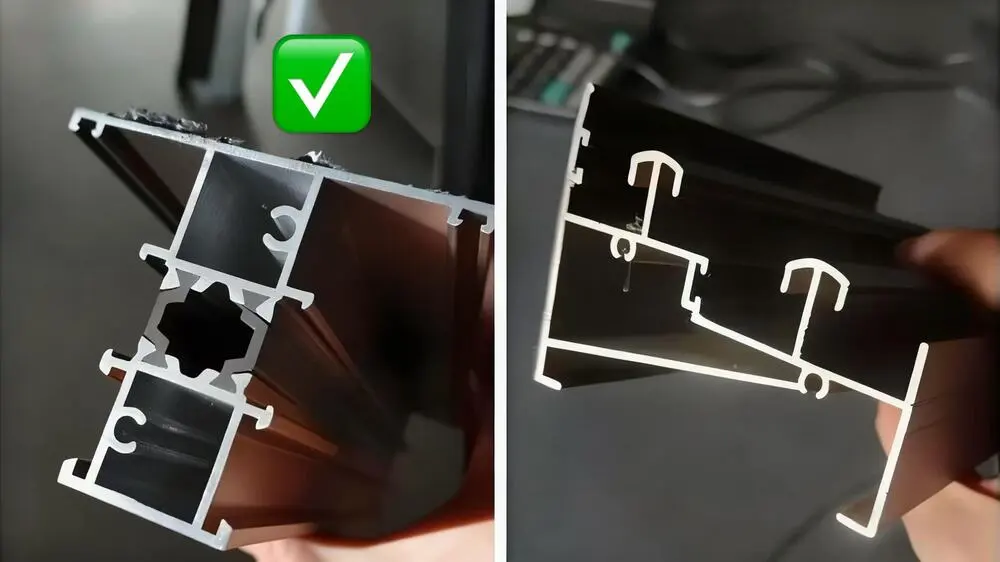
A thermal break in aluminum profiles stops heat from moving between the inside and outside aluminum sections. This makes it much harder for heat to move between window and door frames. Thermal Break Aluminum Profiles have a non-metallic polyamide barrier, which is usually PA66 GF25 nylon strips, put in the middle of two different aluminum pieces. This designed design stops thermal bridging, which lets conditioned air leave and raises energy costs while also causing condensation problems that harm the building's structure and make people uncomfortable.
Understanding Thermal Break Aluminum Profiles
What Defines a Thermal Break System?
An insulating strip made of high-performance polyamide materials divides the inner and outer aluminum parts of a window or door frame as part of a thermal break system. This insulating barrier makes a thermal resistance zone, which is different from regular aluminum profiles where metal quickly transfers heat from one side to the other. This polyamide strip, which is usually PA66 and has 25% glass fiber added to it, doesn't carry heat well but is strong enough to move loads between the aluminum parts inside and outside.
Standard aluminum shapes move heat at a rate of about 200 W/(m·K), but polyamide thermal breaks slow this down to about 0.3 W/(m·K). In residential, commercial, and institutional building projects, this 600-fold drop in conductivity directly leads to lower energy costs and more comfortable occupants.
How Thermal Break Technology Works
When the temperature outside is very different from the temperature inside, regular aluminum frames act as thermal bridges. Metal conducts heat quickly, raising the temperatures of the inside frame surfaces to levels similar to those outside. This makes the inside of the building cold in the winter, which makes it more likely for condensation, mold growth, and ice to form. In the summer, heat gain through frames makes cooling loads much higher.
This problem is fixed by thermal break technology, which uses precise roll-forming or pour-and-debridge methods to join two aluminum extrusions together with a polyamide strip. The final shape keeps the structure's full strength while making an insulating shield that:
- Raise the temperature of the inside surfaces above the dew point, which stops dampness.
- 50–70% less heat is lost through frames with thermal break patterns than without them.
- Lowers the overall U-values of the windows to meet strict energy codes.
- Reduces the difference in temperature between the inside and outside of the frame as much as possible.
Multi-Chamber Design and Material Specifications
Modern Thermal Break Aluminum Profiles have designs with multiple chambers that improve both thermal and structural performance. These chambers add more air pockets to the aluminum extrusion, which makes it even harder for heat to move. For residential applications, profile depths are usually between 50mm and 80mm. For commercial curtain wall systems, they can go beyond 100mm.
For long-term effectiveness, material requirements are very important. For window and door applications, aluminum alloy 6063-T5 or T6 is the best choice because it is easy to extrude, doesn't rust, and is strong. The thickness of a profile wall can be anywhere from 1.4 mm to 3.2 mm, based on the lengths and structural needs. The PA66 polyamide strip needs to have certain minimum mechanical properties in order to transfer wind loads and structural forces between aluminum sections without deforming after decades of going through different temperatures.
Custom shape designs can be made to fit the needs of any project, with options for glazing levels ranging from 20mm to 36mm, built-in drainage channels, and hardware mounting holes. This ability to customize is very useful for builders who have to deal with different design requirements for different types of buildings.
Benefits and Performance of Thermal Break Aluminum Profiles
Superior Energy Efficiency and Measurable Savings
The main reason why Thermal Break Aluminum Profiles are used in both commercial and residential construction is to save energy. When compared to normal aluminum frames, the insulating polyamide strip lowers the window's U-value by 30 to 50 percent. The U-value shows how fast heat moves through the whole system. Lower U-values mean that less energy is needed to keep the inside of a building comfortable.
The perks are especially great for buildings in cold places. About 25 to 30 percent of a building's heat can be lost through its windows and doors. This loss can be cut in half by switching from non-thermal break profiles to thermal break profiles. Depending on the temperature and building design, this can mean annual energy cost savings of 15 to 25 percent.
More and more, projects that want to get LEED certification, meet Passive House standards, or follow local energy codes need thermal break technology as standard. The thermal resistance values, which can be written as R-values or U-values, are used to get building permits, do energy modeling, and get green building certification.
Structural Integrity and Durability
An important question that engineers and builders often have is whether thermal break shapes keep the structure strong enough compared to solid aluminum frames. When built correctly, thermal break systems meet or go beyond the standards for structural performance in terms of wind load resistance, deflection limits, and metal connection strength.
The polyamide thermal strip screws onto both aluminum pieces by means of precisely cut grooves or knurled surfaces. This mechanical link moves shear forces, bending moments, and torsion loads from one frame part to another. The American Architectural Manufacturers Association (AAMA) sets the standards for testing that make sure the structure can handle the loads that were planned.
Profile systems from well-known brands go through a lot of tests, which include:
- Testing for static and moving wind loads up to 1.5 times the design pressure
- Measuring structural deflection under steady loads
- Hardware pull-out tests for locks, hinges, and operators
- Thermal cycling to make sure the dimensions stay the same over time
Acoustic Performance and Occupant Comfort
Aside from their thermal benefits, thermal break profiles also make a big difference in how well soundproofing works. The polyamide strip separates the vibrations that travel between the inside and outside frame sections. This makes it harder for sound to travel through the frame assembly. When the right glass and EPDM multi-layer sealing systems are used together, thermal break window and door systems can get sound transmission class (STC) values of 35 to 50 dB.
When buildings are close to roads, airports, or cities, they gain a lot from better sound isolation. Better sound insulation is directly linked to happier residents, higher property prices in home projects, and higher productivity in business settings.
Temperature uniformity on interior surfaces also makes people feel better by stopping cold drafts near windows and stopping people from losing heat through radiant transfer to cold surfaces. This better thermal comfort lets building managers keep people happy at slightly lower thermostat settings, which saves even more energy.
Performance Disclaimer: The actual thermal, structural, and acoustic performance values depend on the whole system design, such as the frame size, glazing requirements, quality of installation, and how it is used. For project-specific performance validation, look at test results and technical data that are specific to the maker.
Comparison: Thermal Break Aluminum Profiles vs. Other Materials
Thermal Break Aluminum vs. Standard Aluminum
For the majority of commercial and many residential applications, the cost premium for Thermal Break Aluminum Profiles is justified by the performance difference. U-values for standard aluminum frames are usually between 5 and 7 W/(m²·K), while U-values for thermal break systems range from 1.8 to 3.0 W/(m²·K), depending on the profile depth and level of design complexity.
This difference in performance affects both how much energy is used and how comfortable the inside is. In the winter, standard aluminum frames feel cold to the touch, and when the humidity inside hits average levels, condensation or frost often forms on the inside of the frames. Thermal break patterns keep the inside of surfaces 8–12°C warmer when all other conditions stay the same. This eliminates the risk of condensation and makes the room more comfortable.
Comparison with Alternative Frame Materials
When choosing a frame material, you have to think about how it will look, how well it will keep heat in, how long it will last, and how much it costs. Purchasing managers can make better choices about materials when they know how thermal break aluminum stacks up against uPVC, fiberglass, and wood.
- uPVC profiles are about as good at keeping heat out as thermal break aluminum, but they cost less. But uPVC has limits on how long it can last, how stable its colors are when exposed to UV light, and how easily it can be recycled.
- Fiberglass profiles work very well with heat, almost as well as thermal break aluminum, but they conduct heat less efficiently. Material prices for fiberglass are 40–60% higher than those for thermal break aluminum.
- Wood and wood-clad aluminum systems have traditional looks that are valued in home and historic remodeling projects. Depending on the type of wood and the design of the frame, thermal performance can be the same as or better than thermal break aluminum.
When Thermal Break Aluminum Profiles Represent the Optimal Choice
In certain project situations, choosing a thermal break aluminum profile is strongly recommended. Aluminum's strength-to-weight ratio makes it possible for commercial curtain walls to span big spaces while still staying within deflection limits. High-rise buildings need aluminum because it doesn't catch fire and has a proven wind load performance that has been proven over decades of field experience.
Aluminum is easy to shape, which makes it useful for projects that need a lot of design options. It can be used to make unique forms, shading systems that are built in, and architectural details that would not be possible with hard extrusion materials. Surface treatments like powder coating, anodizing, and PVDF finishes keep the color stable and prevent rust in a wide range of environments.
Aluminum's ability to be recycled in its entirety aligns with sustainable building goals. Aluminum frames that have reached the end of their useful life still have a lot of value. This makes it possible to use reverse logistics to get materials back to be used again without damaging the quality or recycling.
Procurement Considerations for Thermal Break Aluminum Profiles
Evaluating Manufacturer Capabilities and Quality Systems
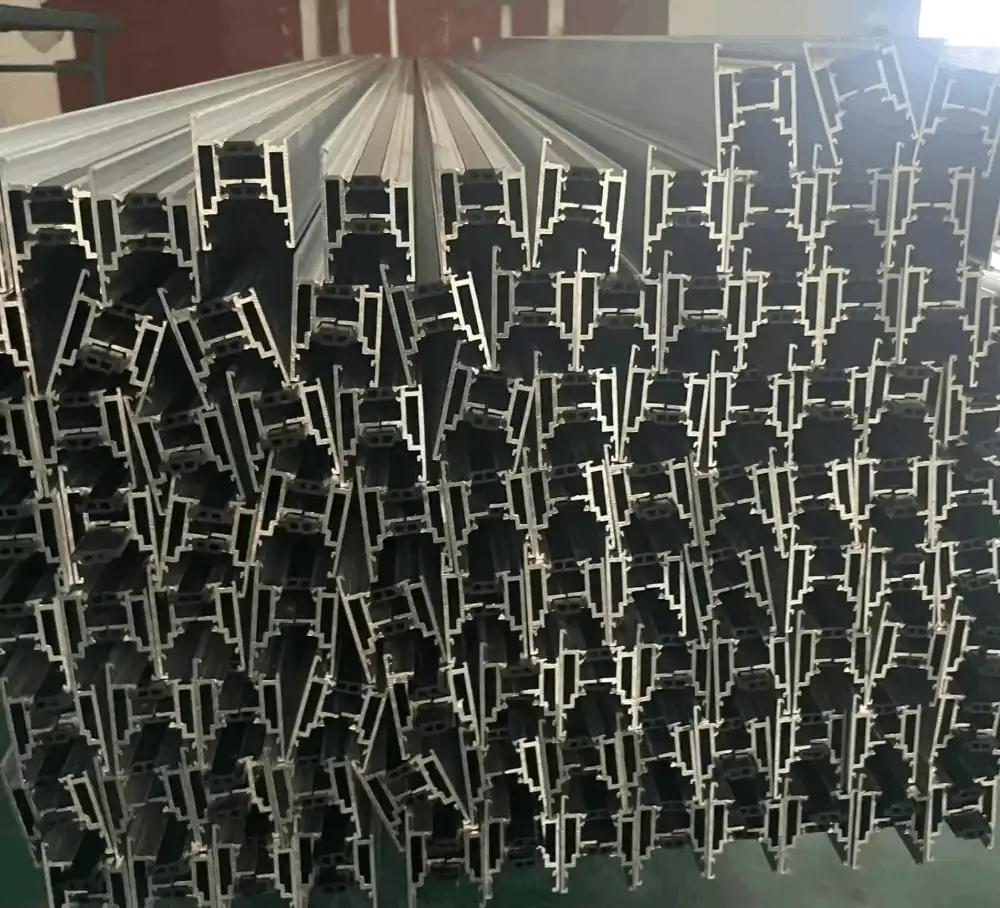
When buying Thermal Break Aluminum Profiles for big projects, people who work in procurement need to carefully check each supplier's skills to lower the risks of quality, delivery, and technical support. Different suppliers have very different levels of manufacturing sophistication, which has a direct effect on how consistent the products are, how easy they are to customize, and how reliable they are over time.
- Production equipment sophistication: Modern extrusion presses, precision CNC cutting and machining centers, automatic powder finishing lines, and quality control measurement systems indicate manufacturing maturity.
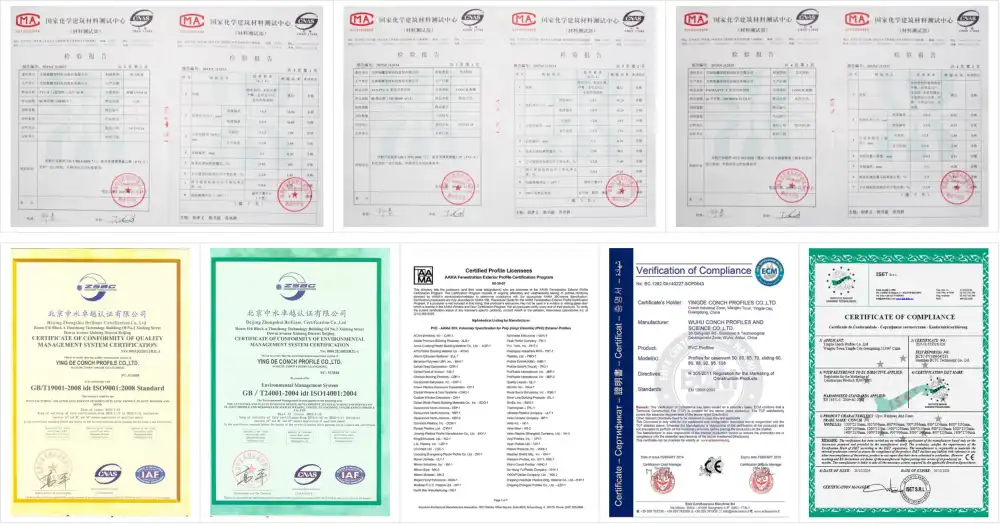
- Quality certification and compliance: ISO 9001 approval shows that quality management is done in a planned way. Performance claims are backed up by third-party certifications, such as CE marking for European markets and AAMA certification.
- Engineering and technical support: Suppliers who offer application engineering, custom profile design, thermal modeling, and fitting advice are very valuable in addition to offering basic extrusion.
- Customization and tooling capabilities: Standard profile catalogs cover common uses, but many projects need customized profiles. Suppliers who design and make tools themselves can respond faster to custom requirements.
Supply Chain Logistics and Order Management
Buying aluminum profiles from other countries can make logistics more difficult, so it's important to plan ahead and work with your suppliers. Understanding normal wait times, minimum order amounts, packing methods, and shipping choices can help you avoid project delays that cost a lot of money.
Usually, it takes 25 to 30 days from the time an order is confirmed until it is shipped from the factory for catalog profiles that are in stock. Lead times are increased to 35–45 days for custom shape orders that need new extrusion dies. International ocean freight takes 15 to 30 days longer to get from one port to another, plus the time it takes to clear customs.
Sample Testing and Quality Verification Protocols
Before placing a big order, B2B procurement processes should require testing a real sample. Sample testing makes sure that the supplier's skills match what they say they can do in their marketing materials and that certain profiles meet the performance needs of the project.
To get a good idea of the quality levels that are really expected, ask for samples that are made from the actual production material and not specially made sales samples. Check the accuracy of the dimensions using high-precision measuring tools to make sure that the shape tolerances meet the needs of the installation. Check the uniformity of the color, the quality of the finish, and the adhesion of the paint.
To prove thermal efficiency, tests must be done in a lab that follow established guidelines. Profile thermal transmittance is measured by independent test labs that give certified U-value data for energy code compliance documentation. Setting clear standards for quality acceptance before placing an order stops disagreements over how to judge quality subjectively.
Technical Specifications and Standards
Material Specifications and Alloy Selection
The choice of aluminum metal has a direct effect on how well shapes can be extruded, how smooth their surfaces are, how resistant they are to corrosion, and how strong they are. Alloy 6063 is the most popular choice for architectural extrusion because it has the best balance of being able to be shaped, having a good surface, and getting stronger after extrusion through heat treatment.
The designations T5 and T6 temper show the heat treatment steps that are used after extrusion. In the T5 temper, the material is cooled from the extrusion temperature and then aged artificially to give it mechanical properties. The specs for polyamide thermal strips are also very important for making sure that the thermal breaks stay intact over time. The standard in the industry is PA66 nylon reinforced with 25% glass fiber (PA66 GF25).
Dimensional Specifications and Glazing Compatibility
The measurements of a profile include many factors that affect both its thermal efficiency and its structural strength. Overall frame depth is usually between 50 mm and 150 mm for residential windows and more than 150 mm for commercial curtain walls. Deeper layers can hold thicker insulated glass units, make room for better multi-chamber designs, and boost the structural section modulus.
The measurements of the glazing pocket must match the specs for the insulated glass unit. These days, energy-efficient buildings usually have double-glazed units that are 20 mm to 28 mm thick or triple-glazed units that are 32 mm to 36 mm thick. As required by glazing standards, profile glazing pockets must have enough edge clearance for thermal expansion, setting blocks, and sealant application.
International Standards and Certification Requirements
Following well-known industry standards helps make sure the quality of the work and makes it easier for architects, engineers, and building officials to accept the specifications. Several groups that set standards put out performance guidelines for Thermal Break Aluminum Profiles.
- AAMA (American Architectural Manufacturers Association): North American fenestration goods must follow guidelines set by AAMA. AAMA 501 sets out how to test windows, doors, and curtain walls.
- ISO (International Organization for Standardization): ISO puts out standards for aluminum building products that are known all over the world. ISO 12567 describes how to measure how much heat windows and doors let through.
- CE marking: CE label means that the product meets the rules for building products in the European Union. A standard called EN 14351 sets performance standards for windows and doors sold in Europe.
Technical Note: The thermal, acoustic, and structural performance values shown are typical ranges seen in good thermal break systems. The exact performance depends on the whole system design, which includes the profile choice, the glazing specifications, the sealing systems, the hardware, and how well it was installed.
Conclusion
By stopping thermal conductivity while keeping the structure's integrity and design flexibility, thermal break technology completely changes aluminum's usefulness for energy-efficient building envelopes. By drastically lowering heat transfer, the polyamide barrier saves energy, eliminates the risk of condensation, and makes it possible to meet stricter building energy codes. Thermal Break Aluminum Profiles are the best choice for B2B procurement professionals looking at frame systems for home, industrial, and educational projects because they offer the best mix of performance, durability, lifetime cost-effectiveness, and architectural flexibility.
FAQ
How much can thermal break profiles cut down on energy costs?
Energy saves depend on the temperature zone, the type of building, and how well the windows are working now. However, studies have shown that switching from standard aluminum or older window systems to modern thermal break assemblies can cut heating and cooling costs by 15% to 40%. The biggest savings are seen in buildings in harsh heating climates with a lot of windows compared to walls. These buildings often recoup their extra material costs within five to seven years through lower utility bills.
Do thermal break profiles work well in places that are very cold?
In cold places, good thermal break systems work especially well because they stop condensation and frost from damaging standard aluminum frames. Even during very cold spells, the polyamide barrier keeps the inside surface temperatures above the dew point, which stops wetness from building up. Systems made for cold places have thicker profiles, can work with triple windows, and have continuous thermal breaks across all frame parts, even the ones that hold the hardware in place.
Can thermal break profiles be customized for specialized architectural requirements?
One of the best things about aluminum extrusion technology is that it can be customized. Companies that have their own tooling facilities can make profiles that are different to fit certain glazing thicknesses, odd forms, built-in shading elements, or their own hardware systems. Architectural color schemes can be met by custom color matching through powder finishing or anodizing. Talk about the customization needs early on in the planning process so that you can take into account the lead times for tools and minimum order quantities that come with custom profiles.
Partner with a Trusted Thermal Break Aluminum Profile Manufacturer
Haolv Building Materials brings 18 years of specialized manufacturing experience to thermal break aluminum profile production, serving contractors, developers, and distributors throughout North American markets. Our integrated manufacturing facility combines precision extrusion lines, automated cutting and machining centers, and advanced surface treatment systems under ISO and AAMA-certified quality management, ensuring consistent product quality across standard and custom profile orders.
We understand B2B procurement challenges including tight project schedules, budget constraints, and technical specification complexity. Our engineering team provides complimentary technical consultation, custom profile design services, and detailed performance documentation including certified test reports for energy code compliance.
Contact our team at kristin@haolvwindows.com to discuss your project requirements, request product samples, or access detailed technical datasheets. Discover how partnering with an experienced thermal break aluminum profile supplier delivers the quality, customization flexibility, and technical support your projects demand.
References
1. American Architectural Manufacturers Association. (2019). Thermal Performance of Fenestration Systems: Design Guidelines and Testing Protocols. AAMA Technical Information Report TIR-A8.
2. International Energy Agency. (2020). Energy Efficiency in Buildings: Window and Envelope Technologies for Reduced Heat Transfer. IEA Publications Division.
3. Passive House Institute. (2018). Component Certification Criteria: Thermal Bridge-Free Construction Details for Aluminum Fenestration Systems. PHI Darmstadt Technical Standards.
4. European Committee for Standardization. (2021). Windows and Doors: Product Standards and Performance Characteristics. EN 14351-1:2006+A2:2016 Implementation Guide.
5. National Fenestration Rating Council. (2022). Certified Products Directory: Thermal Transmittance Values for Aluminum Frame Systems. NFRC Annual Technical Report.
6. Construction Specifications Institute. (2023). MasterFormat Division 08: Openings—Aluminum-Framed Entrances and Storefronts Performance Specifications. CSI Practice Guides for Building Professionals.
Fast simple channel to send demands lock favorable price for building window door bulk purchases.