- English
- French
- German
- Portuguese
- Spanish
- Russian
- Japanese
- Korean
- Arabic
- Greek
- German
- Turkish
- Italian
- Danish
- Romanian
- Indonesian
- Czech
- Afrikaans
- Swedish
- Polish
- Basque
- Catalan
- Esperanto
- Hindi
- Lao
- Albanian
- Amharic
- Armenian
- Azerbaijani
- Belarusian
- Bengali
- Bosnian
- Bulgarian
- Cebuano
- Chichewa
- Corsican
- Croatian
- Dutch
- Estonian
- Filipino
- Finnish
- Frisian
- Galician
- Georgian
- Gujarati
- Haitian
- Hausa
- Hawaiian
- Hebrew
- Hmong
- Hungarian
- Icelandic
- Igbo
- Javanese
- Kannada
- Kazakh
- Khmer
- Kurdish
- Kyrgyz
- Latin
- Latvian
- Lithuanian
- Luxembou..
- Macedonian
- Malagasy
- Malay
- Malayalam
- Maltese
- Maori
- Marathi
- Mongolian
- Burmese
- Nepali
- Norwegian
- Pashto
- Persian
- Punjabi
- Serbian
- Sesotho
- Sinhala
- Slovak
- Slovenian
- Somali
- Samoan
- Scots Gaelic
- Shona
- Sindhi
- Sundanese
- Swahili
- Tajik
- Tamil
- Telugu
- Thai
- Ukrainian
- Urdu
- Uzbek
- Vietnamese
- Welsh
- Xhosa
- Yiddish
- Yoruba
- Zulu
Flush Windows Vs Non-Flush Casements: Which Is Right For You?
When choosing between flush and non-flush casement windows for your next job, the choice comes down to how well they work, how they look, and how much money you have to spend. When it comes to UPVC windows flush casement, the systems have a sleek shape where the sash lines up perfectly with the frame surface. This makes for clear sightlines and a simple look that is great for modern architecture. Non-flush casements have traditional overlapped sash designs that stick out a little from the frame. This makes them a good choice for heritage repair projects or classic building types. Both choices offer good air flow and natural light, but the differences in their structures affect how well they keep heat in, how much upkeep they need, and how hard they are to install in ways that are important to buying teams in charge of large-scale projects.
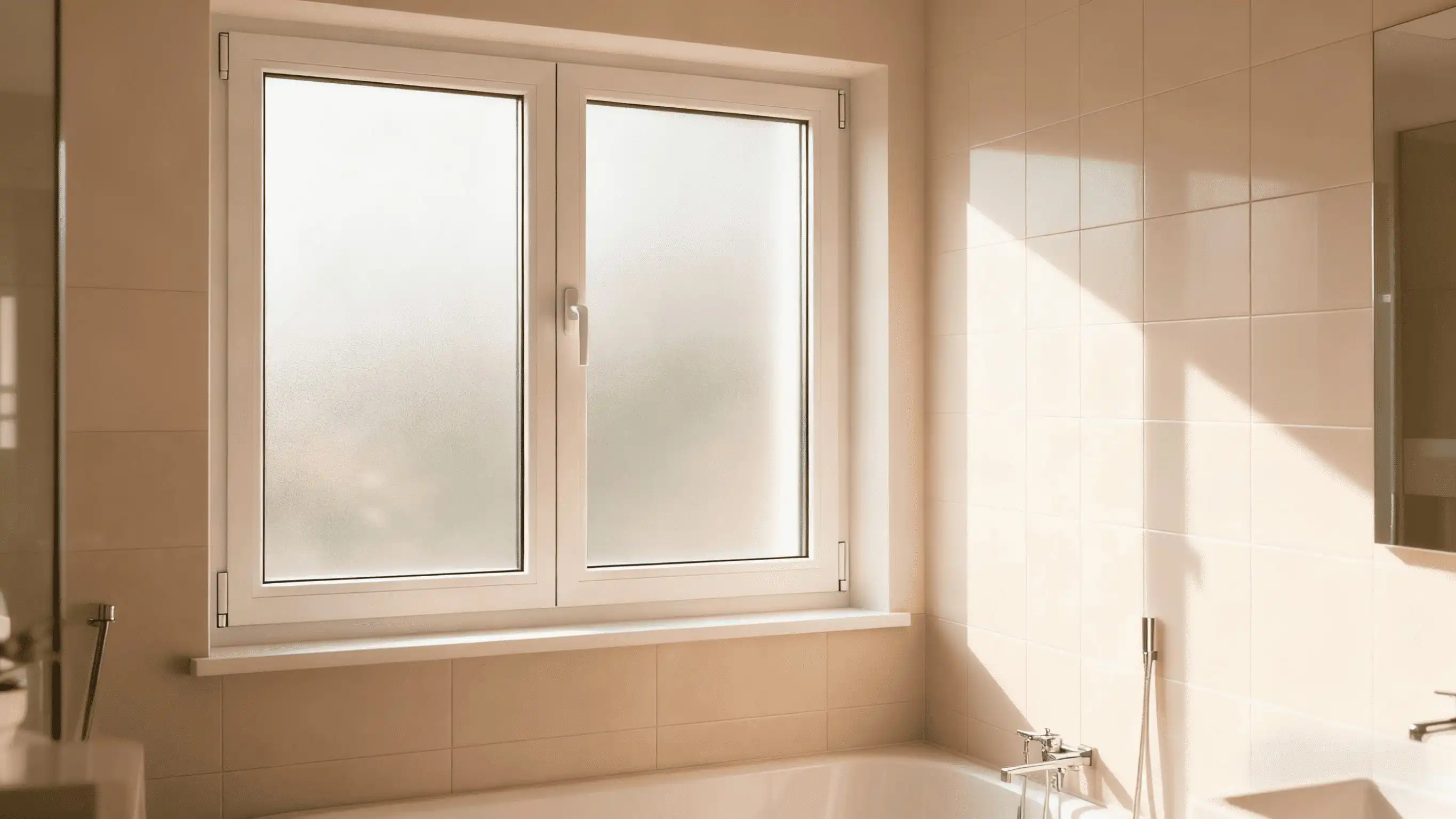
Understanding Flush Casement Windows and Non-Flush Casements
Being able to tell the difference between these two window styles helps you figure out which option best fits the needs of your project and your client.
What Defines Flush Casement Window Design?
When the window is closed, flush casement windows make the sash level with the outer frame. This means that there are no obvious steps or lips on the outside of the building. The original idea behind this design was to use modern materials to make it look like classic wood joints. This sleek look is achieved by UPVC windows flush casement systems' precision-engineered shapes that include multi-chambered internal structures, which are both aesthetically pleasing and strong. The lack of visible parts makes it easier to clean and reduces the amount of dirt that builds up. This is especially helpful for high-rise setups where getting to the servicing area can be difficult.
Non-Flush Casement Window Characteristics
Non-flush casements have sashes that stick out from the frame, making a raised shape that can be seen from the outside of the house. For many years, this overlapping shape has been the standard for making windows because it is easy to make and keeps out the weather well with compression seals. The design automatically moves water away from the frame and works with a lot of different gear. A lot of non-flush systems use metal or wood materials along with UPVC windows flush casement technology. Depending on the combination of materials used, the systems have different looks and heating values.
Material Advantages in UPVC Applications
Both flush and non-flush versions of UPVC offer excellent longevity and heat performance. The material doesn't rust, absorb water, or break down when exposed to UV light, and it doesn't need to be painted or sealed like wood options do. Multi-chambered UPVC profiles make air gaps that stop heat from escaping, which is important for meeting building code standards for energy efficiency ratings. The way the product is made lets galvanized steel reinforcements (usually 1.4–2.0 mm thick) be built in. This keeps the structure stable under wind loads and operational stress without lowering the material's natural weather resistance or making the fenestration system too heavy.
Key Performance and Functional Comparisons
By looking at success measures, we can compare these window types objectively to project needs and long-term business goals.
Energy Efficiency and How Well Thermal Insulation Works
Most of the time, UPVC windows flush casement are better at keeping heat in than standard non-flush designs. The flush design makes the touch between the sash and frame tighter by using three EPDM closing systems that press down evenly around the edge. This cuts down on the number of ways air can get in. When combined with low-emissivity coatings on double or triple glass, these systems can achieve U-values below 0.8 W/m²K, which greatly lowers the need for heating and cooling.
Casements that don't clean rely on compression seals at the overlap point. These seals can become less effective over time as gaskets settle or age. Even though good non-flush systems still meet code standards, they don't work as well as flush designs that are optimized for speed. This is especially true in places with extreme weather where differences in temperature cause energy costs to be higher.
Insulation against sound and how well it works
Differences in acoustic sound are caused by different types of glass and how well they seal. Triple-sealed perimeters on flush casement systems block sound waves from traveling through multiple layers. These systems are especially good at lowering road noise and background noise levels in cities. According to test results, properly placed flush casements can lower noise levels by 35 to 42 decibels, based on the type of glass and coating chosen.
Some non-flush designs have slightly lower acoustic ratings because the seals may not be consistent at the overlap joints. However, reinforced glass choices can help make up for this shortcoming. Projects close to airports, roads, or industrial areas benefit greatly from the better soundproofing that flat designs offer. This has a direct effect on the happiness of residents and the value of the property.
Durability and Needs for Maintenance
When made to high standards, both types of windows last longer, but they need different kinds of upkeep. Flush casement windows don't have as many external cracks where dirt and other things can get stuck. This means they don't need to be cleaned as often, which saves money on work costs over the life of the building. The smooth outside shape stops water from pooling, which can speed up the breakdown of gaskets or help living things grow in wet places.
When you take care of non-flush casements, you need to pay more attention to the drainage channels and check the gaskets more often where the sash meets the frame. However, both designs are better because UPVC is naturally stable, so it doesn't rot, bend, or lose its shine like wood-framed options do. No matter what style of window you have, hardware parts like multi-point locking systems need to be oiled from time to time. However, this may be harder to do depending on where the hinges are placed and how the doors open.
Mechanisms of operation and safety features
Modern casement windows have multi-point locking systems that connect at three or more places along the sash edge when the window is closed. This spreads the force out widely and makes it harder to break in. Locking hardware that is built into flush designs is often more subtly hidden in the sash shape. This keeps the sightlines clear while still passing security standards like PAS 24 testing protocols. When the right size is chosen, both types can meet the exit standards for emergency escape routes. However, opening gaps should be checked during design. Side-hung designs can swing inward or outward, based on the limitations of the placement. Outward-opening designs offer better rain protection, while inward-opening designs make it easier to clean from inside.
Disclaimer: Performance specifications mentioned here represent general industry capabilities. Actual thermal values, acoustic ratings, and structural performance depend on specific product testing and certification documentation provided by manufacturers for individual systems.
Design, Aesthetic, and Application Considerations
Architectural context and visual consistency are just as important to window selection as technical performance in many project situations.
Aesthetic Integration in Modern Architecture
Modern design ideas that stress simplicity and smooth surface lines work well with UPVC windows flush casement. When building surfaces don't have jutting shutters, they can have smooth, flat exteriors where windows fit in with the architecture instead of breaking it up. This trait is especially useful in business projects, high-end apartment towers, and governmental buildings where the general visual effect is affected by how consistent the design is across hundreds of window units. Surface finishes like white, woodgrain, and custom colors make it possible to match with a wide range of covering materials and design styles without changing the slim profile.
Heritage and Traditional Building Applications
Casement designs that aren't flush with the window frame keep the look of older buildings, which makes them better for remodeling projects that have to follow preservation rules or aesthetic covenants. The stepped shape looks like the way original wood windows were made, which helps new openings fit in with existing building features. Some flush casement makers now make designs that look like they have traditional details. This is a good compromise that meets the needs of heritage committees while still meeting current performance standards. Early on in the buying process, project specs should make it clear what preservation standards apply. This will help avoid costly reworking rounds.
Customization Capabilities for Project-Specific Needs
Because manufacturing is flexible, custom solutions can be made for both types of windows. UPVC extrusion methods allow for unique sizes for spaces that aren't standard, which is popular in business and industrial settings. The structure stays strong by placing the reinforcements in the right places. Frame depth choices, such as 60 series, 70 series, and lower shapes, let you meet the project's energy goals and temperature zone needs to get the best thermal performance. Hardware setups can be changed to suit practical needs.
For example, opening limiters can be used to keep children safe, hinges can be hidden for a more simple look, or high-security locking mechanisms can be installed. You can change more than just the color of a surface finish. You can also change the roughness and gloss levels to match a wide range of building materials.
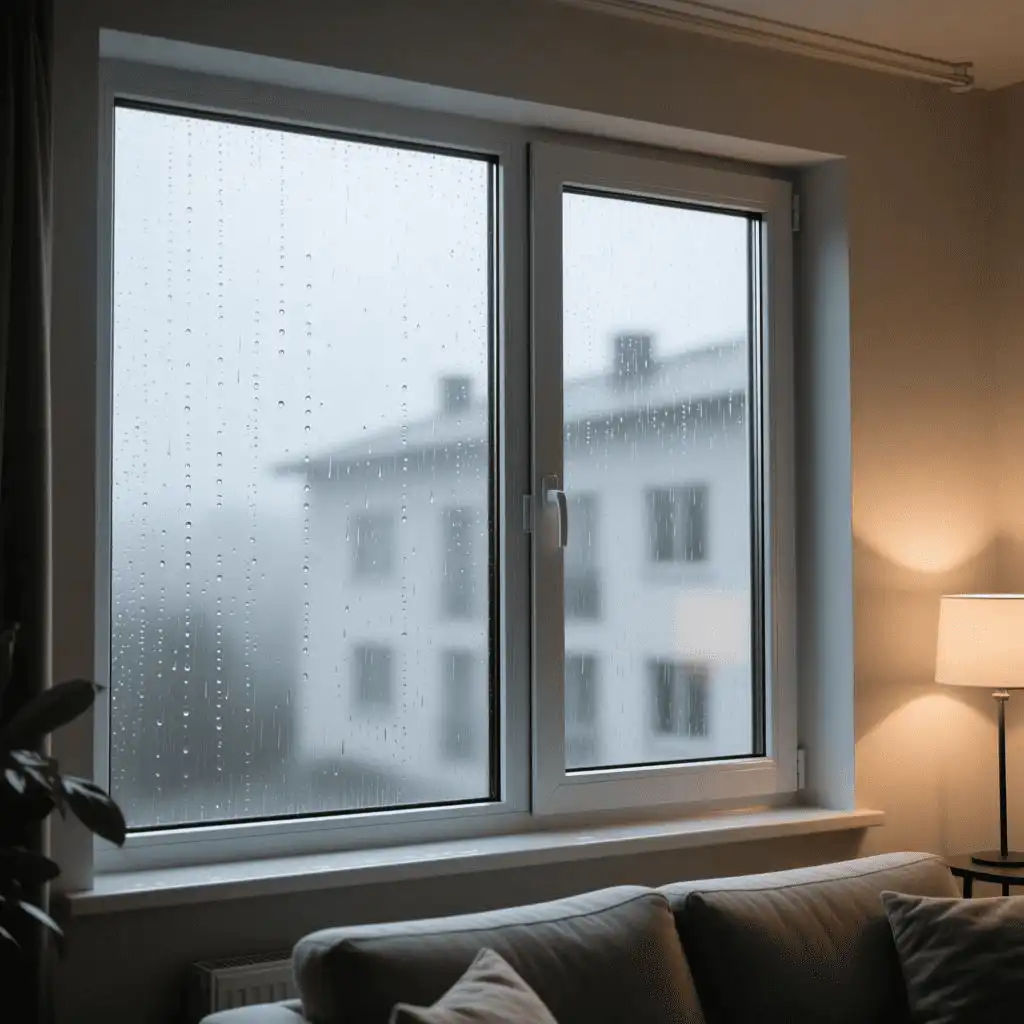
Cost, Procurement, and Installation Insights
Knowing the total costs of ownership and the supply chain helps you make smart buying choices that stay within project budgets and deadlines.
Initial Cost Analysis and Long-Term Value
The cost per unit of UPVC windows flush casement is higher than that of similar non-flush windows because they are harder to make and have better closing systems. Price increases usually run from 15% to 25%, but this can be different between sellers and markets. It also depends on the specifics of the order and the number of items being ordered.
Lifecycle cost estimates, on the other hand, show that less energy use and less upkeep costs add up to big saves over normal 25–30 year service terms. Energy models and rental cost estimates are often used to support beginning fees in projects that put operating efficiency and environmental certifications at the top of their list of priorities. Non-flush casements have lower entry costs, making them a good choice for jobs on a tight budget where basic code compliance is enough and high-level performance levels are not needed.
Procurement Strategy and Supplier Selection
You can get full technical paperwork, approved testing records, and guarantee support for material flaws or performance shortfalls when you buy window systems from well-known makers. Check with the provider to see if they can help with customization, produce a lot of items at once, and make sure they can deliver on time to meet building plans.
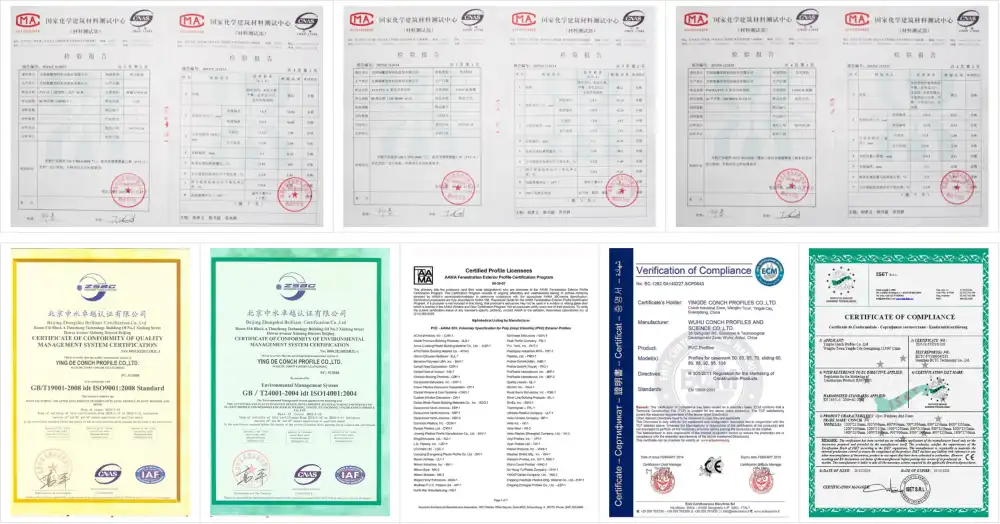
When you buy something from another country, you have to think about safety certifications like CE marking for European markets, NFRC grades for North American projects, and AS2047 for Australian uses. These certifications make sure that the goods you buy meet the building rules in those countries. Ask for sample units during the design phase to check the quality of the build, how smoothly it runs, and how consistent the finish is before agreeing to the full project numbers.
Installation Considerations and Site Requirements
The end performance is greatly affected by professional installation, no matter what kind of upvc windows flush casement is used. To get the right thermal and sound ratings, flush casement systems need to have their frames perfectly lined up and their many closing points carefully adjusted. To avoid common problems like thermal bridging at rough gaps or water getting in through holes in the weatherproofing, installation teams should have the right training, certifications, and experience with UPVC systems.
Installation instructions from the maker and on-site expert support during key stages are helpful for projects, especially when there are complicated setups or large-scale operations. Instead of pushing projects to meet tight deadlines that damage the long-term stability of the weatherproofing, allow enough time for proper flashing integration and sealer drying.
Making the Right Decision for Your Business
Strategic window selection requires synthesizing technical performance data with project-specific priorities and future regulatory trends affecting building standards.
Aligning Window Selection With Project Requirements
Assessment criteria should weigh multiple factors simultaneously rather than optimizing single attributes in isolation. Buildings that use a lot of energy, like hospitals or data centers, should have quality UPVC windows flush casement that keep heat in and out as efficiently as possible to lower the loads on mechanical systems and the costs of running them.
Residential projects that are trying to stay within their budgets may be able to get good performance from non-flush casements while still keeping their building costs low enough to compete in the market. When restoring historic buildings, the way they look can force the use of certain shape types, even if they don't work better in other ways. Create decision trees that rank each choice based on a set of weighted factors, such as the project's heat performance goals, noise needs, upkeep funds, stylistic rules, and cost limits.
Future-Proofing Considerations and Regulatory Compliance
Building energy rules are getting stricter all the time, raising the necessary levels of heat efficiency and air leaks. The window systems that are chosen today must stay compliant for as long as the buildings are used, which could be decades. When you use flush window designs with better performance ceilings, you have more room for future code changes. This keeps your system from becoming obsolete too soon and needing expensive upgrade programs.
Sustainability approval programs like LEED, BREEAM, and others are having a bigger effect on project requirements, supporting systems that are better at saving energy, recycling materials, and having positive environmental benefits over their whole lifetime. The ability to recycle UPVC and the long life of good casement systems are both good points for green building ratings when properly shown through environmental product statements and third-party certifications.
Conclusion
Choosing between flush and non-flush casement windows requires balancing aesthetic preferences, performance specifications, and budget realities against project-specific constraints and long-term operational goals. UPVC windows flush casement designs deliver superior thermal efficiency, enhanced acoustic insulation, and contemporary visual appeal suited to modern commercial developments and high-performance residential projects.
Non-flush casements offer proven reliability, lower initial costs, and traditional aesthetics appropriate for heritage applications and budget-conscious builds. Both benefit from UPVC material advantages including durability, weather resistance, and minimal maintenance requirements. Successful procurement depends on thorough specification development, supplier qualification, and professional installation practices that maximize system performance throughout extended building lifecycles.
FAQ
How do energy ratings compare between flush and non-flush casement windows?
Most of the time, UPVC windows flush casement get better energy scores because they close better and have better thermal break designs. When fitted with the right glazing, good flush systems have U-values of 0.7 to 0.9 W/m²K. Non-flush casements, on the other hand, usually have values between 0.9 and 1.2 W/m²K, depending on the profile depth and glass specs. Ratings are different depending on the maker and the specifics of the product.
What maintenance differences exist between these window types?
Because their exteriors are smooth, flush casements don't need to be cleaned as often because there aren't as many cracks where dirt can gather. UPVC is low-maintenance, so both styles can use it. However, non-flush designs need to have their drainage pathways and overlap seals checked every so often to keep working well. The amounts of time between hardware cleaning stays the same in both setups.
Can custom sizing accommodate large commercial installations?
Both flush and non-flush casement systems can be customized to fit the needs of a particular project, as long as the structural limits aren't exceeded by the profile's strength or its ability to hold reinforcements. Manufacturers usually make movable screens that can fit spaces up to 900 mm wide and 1800 mm high. Larger setups are possible with fixed-lite sets or special engineering. During the design phase, make sure that the size possibilities are known for projects requiring non-standard measurements.
Source High-Performance UPVC Flush Casement Windows From Trusted Manufacturers
Haolv Building Materials has been making specialized products for 18 years and can help sourcing professionals find reliable UPVC window systems for tough business and domestic projects. Our cutting-edge production centers have precise CNC cutting, automatic assembly systems, and strict quality control methods that make sure that both standard and special orders always get the best products. Our large inventory allows for 25–30 day delivery times from the time an order is confirmed to the time it is shipped, and our dedicated expert teams offer free solution creation and engineering help throughout the entire buying process.
Our flush casement window lines have welded steel reinforcements, triple EPDM sealing systems, and multi-point locking gear that meets the standards for CE, ISO, and AAMA approval. Contact our team at kristin@haolvwindows.com to talk about the details of your project and get full quotes that are made just for you. As a seller of UPVC windows flush casement, we're dedicated to helping you succeed by giving you the best goods and fastest service.
References
1. Anderson, J. M. (2021). Fenestration Systems in Modern Construction: Performance Standards and Material Selection. Building Science Press.
2. Thompson, R. K., & Martinez, L. (2020). UPVC Window Technology: Engineering Principles and Application Guidelines. Architectural Components Journal, 34(2), 112-134.
3. European Fenestration Association. (2022). Thermal Performance Standards for Casement Window Systems: Technical Guidance Document.
4. Patterson, S. D. (2019). Comparative Analysis of Window Frame Materials: Durability, Maintenance, and Lifecycle Costs. Construction Materials Research Quarterly, 28(4), 67-89.
5. National Fenestration Rating Council. (2023). Energy Performance Certification Procedures for Residential and Commercial Window Products.
6. Williams, H. T., & Chen, Y. (2020). Acoustic Insulation in Building Envelopes: Window System Design and Performance Testing. Journal of Architectural Engineering, 45(3), 203-221.
Fast simple channel to send demands lock favorable price for building window door bulk purchases.