- English
- French
- German
- Portuguese
- Spanish
- Russian
- Japanese
- Korean
- Arabic
- Greek
- German
- Turkish
- Italian
- Danish
- Romanian
- Indonesian
- Czech
- Afrikaans
- Swedish
- Polish
- Basque
- Catalan
- Esperanto
- Hindi
- Lao
- Albanian
- Amharic
- Armenian
- Azerbaijani
- Belarusian
- Bengali
- Bosnian
- Bulgarian
- Cebuano
- Chichewa
- Corsican
- Croatian
- Dutch
- Estonian
- Filipino
- Finnish
- Frisian
- Galician
- Georgian
- Gujarati
- Haitian
- Hausa
- Hawaiian
- Hebrew
- Hmong
- Hungarian
- Icelandic
- Igbo
- Javanese
- Kannada
- Kazakh
- Khmer
- Kurdish
- Kyrgyz
- Latin
- Latvian
- Lithuanian
- Luxembou..
- Macedonian
- Malagasy
- Malay
- Malayalam
- Maltese
- Maori
- Marathi
- Mongolian
- Burmese
- Nepali
- Norwegian
- Pashto
- Persian
- Punjabi
- Serbian
- Sesotho
- Sinhala
- Slovak
- Slovenian
- Somali
- Samoan
- Scots Gaelic
- Shona
- Sindhi
- Sundanese
- Swahili
- Tajik
- Tamil
- Telugu
- Thai
- Ukrainian
- Urdu
- Uzbek
- Vietnamese
- Welsh
- Xhosa
- Yiddish
- Yoruba
- Zulu
Which Window Wins? Tilt and Turn vs. Casement Explained
When picking window systems for business or home projects, it's usually a matter of how useful they are versus how easy they are to use. In North America, tilt and turn casement windows have become very popular. They have two working modes that let in air safely and let the window open all the way. On the other hand, traditional casement windows are still a good choice for simple outward-opening needs. When project managers and buying teams know about the technical differences, performance standards, and purchase issues, they can choose the best option for their building needs.
Understanding Tilt and Turn vs. Casement Windows
The main difference between these two types of windows is how they work and how their hardware is set up. The sash of a traditional casement window can swing outward like a door thanks to springs on one side. This simple plan has worked well for construction jobs in a range of temperatures and types of buildings.
Operational Mechanics of Dual-Function Systems
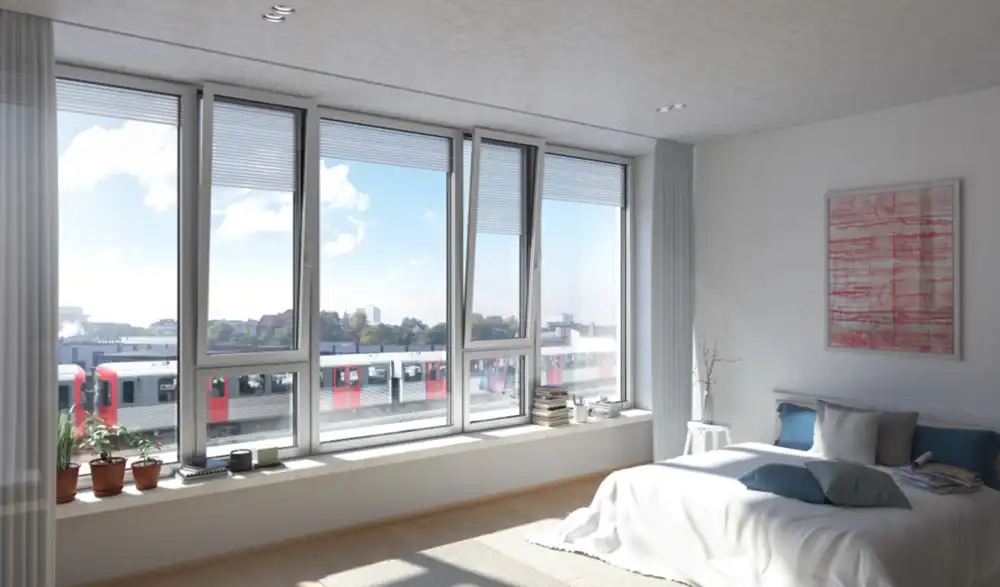
Tilt and turn casement windows have high-tech European gear that lets you open them in two different ways with just one turn of the handle. In the tilt position, the top of the sash opens inward by about 10 to 15 degrees. This lets air flow through while keeping the window safe and protected from the weather. In the turn position, side-mounted springs move the whole sash inward, making it easy to clean and maintain and letting the most air flow through.
This two-in-one feature solves some problems that come up in high-rise building and remodeling projects. The inward-opening design lets you clean the outside glass from inside the building when entry to the outside is limited or dangerous. In bad weather, the tilt mode is especially helpful because it lets fresh air flow without letting rain in, which is something that regular casements that open outward can't do.
Design Distinctions and Hardware Requirements
The tech behind these systems is very different in terms of how complicated it is and what parts it needs. Traditional casement windows have pretty basic hinge-and-operator systems, and the frame edge usually has one or two closing places. The hardware load requirements stay low because the sash opens easily and doesn't have to hold its own weight while it's working.
Multi-point locking mechanisms must be built into the frame boundaries of advanced dual-function systems. The hardware has to hold up the weight of the sash when it's in the turn position and keep the seal compressed when it's closed. High-quality European friction hinges make it easy to operate, even with big glass units, by spreading the weight evenly across the strengthened frame profiles.
Profile System Variations
Through designed shape lines, modern metal window systems can be used in either way. The numbers 70, 80, and 100 in a set usually mean the frame's depth in millimeters. Frames with deeper shapes can accommodate better thermal breaks and bigger glass units. The profile thickness can be anywhere from 1.4 mm to 2.0 mm, based on the size of the sash and the wind load needs. The high-strength 6063-T5 aluminum metal offers structural stability.
In designs with two functions, thermal break technology is especially useful because constant compression seals need to keep working in a variety of climates. Thermal breaks that can be added to the metal shapes can be used to make insulation walls that stop heat from moving. This helps meet stricter energy codes without lowering the strength of the structure or affecting its ability to do its job.
Key Performance Dimensions for B2B Procurement
Performance specs are very important when buying tilt and turn casement windows, especially when projects need to follow local building rules and energy standards. Long-term building performance, tenant happiness, and lifetime costs are all determined by technical parameters. These are factors that affect the success of a project beyond the initial purchase price.
Energy Efficiency and Thermal Performance
Inward-opening systems usually keep out more air than standard outward-opening ones because of the way the compression seal is built. With the right glass choices, these windows can have U-factors between 0.20 and 0.30 Btu/hr·ft²·°F if they are placed and described correctly. Triple EPDM gaskets and brush seals work together to make constant weatherstripping that stays in place even when the temperature changes with the seasons.
You can choose from double, triple, and reinforced glass to meet the temperature and auditory needs of your project. Triple glazing works especially well in northern areas where heating loads make up most of the yearly energy use. Insulated glass pieces up to 44 mm thick can fit in the frame depth of current profile systems. This means that high-performance window kits that meet NFRC and ENERGY STAR standards can be specified.
Security Features and Locking Systems
European hardware methods have multi-point locking devices that connect the sash to the frame anywhere from four to twelve points, based on the size of the window. When compared to single or double-point locks on many standard casement windows, this spread locking design makes it much harder to break in. The compression that these fixing points cause improves both the performance of the weatherstripping and its compliance with security standards.
The standard of hardware from different brands and price points changes a lot. When friction hinges are made to European standards, they are tested over and over again to make sure they stay in the right place and work smoothly. For the window's projected lifespan, the single-handle control system must be able to survive daily use. This makes hardware selection an important part of the buying process that goes beyond frame and glass specs.
Ventilation Efficiency and User Experience
The tilt mode allows managed natural air while keeping security and weather protection. This mode is especially useful in business buildings, healthcare facilities, and schools where window operation needs to be supervised or limited. People can get some fresh air without putting themselves in danger or being exposed to the weather, which is important for facility managers and building owners who want to avoid legal issues.
In turn mode, being able to fully open makes it easier to get out in case of an emergency, especially in places where building rules require accessible windows as backup escape paths. Because inward-opening designs allow for clear opening dimensions and low floor requirements, they often meet International Building Code escape requirements more easily than outward-opening designs, which may have problems with obstructions from the outside.
Disclaimer: The exact performance features rely on the product specs, the quality of the fitting, and the testing circumstances. Manufacturers should back up their stated performance data with approved test results.
Comparative Analysis and Decision-Making Criteria
When choosing between window systems, you have to think about a lot of things, like the temperature, the architecture, your budget, and your working needs. It's helpful for procurement teams to know how these things work together in certain project settings.
Durability and Maintenance Considerations
How long windows last relies on the quality of the materials used, how strong the hardware is, and how the windows are exposed to the elements. Aluminum systems last a long time in a wide range of conditions because they don't bend, rot, or break down in UV light like other materials do. Anodized or powder-coated finishes protect against rust and weathering for a long time. They also keep their look with little upkeep, just cleaning and lubricating the tools every so often.
Dual-function hardware is more complicated because it has more parts that need to be adjusted and maintained properly. This worry is lessened by quality systems that use tight manufacturing limits and strong component design. An annual check of the state of the seal and the operation of the gear helps ensure long-term performance. This is a small upkeep cost compared to the cost of replacing the windows.
Cost Structure and Value Proposition
Because tilt and turn casement windows need more complex gear and engineering, the initial costs of buying advanced window systems are usually higher than those of basic frame configurations. Instead of just looking at the purchase price, procurement research should look at the total costs of ownership, such as how well the building uses energy, how much upkeep it needs, how long it will last, and how happy the people who live there are with it.
When projects focus on long-term value, they can often explain the cost of higher-performance systems by showing that they save money on energy, require less upkeep, and make the building easier to sell. When you compare quality-level goods in both groups, the price difference gets smaller. This is especially true when you look at how long the products last and how often they need to be replaced.
Climate Suitability and Application Context
The best time to choose depends on the weather trends in your area. Better heat efficiency and weathertight building are very helpful for projects in cold climates. Being able to let air flow during rainstorms without letting water in solves certain problems in cool coastal areas that get a lot of rain. No matter the type of operation, projects in areas that are prone to hurricanes need to pay close attention to structure testing and impact protection. When properly designed, both types of windows can meet the required wind load and water entry rates. However, when the windows open inward, there is no need to worry about damage to the sash from high winds.
Procurement and Implementation Guidance
For window buying to go well, thorough specifications must be made, suppliers must be evaluated, and operations must be coordinated. Business-to-business buyers have to deal with long chains of decisions that include expert staff, buying teams, project managers, and executives.
Specification Development and Customization
To properly specify windows, you need to start with thorough building plans and performance standards. Some important factors are the rough opening sizes, window designs, glass requirements, paint choices, and hardware options. Manufacturers who offer customization options beyond stock goods are helpful for projects that need non-standard sizes or combinations.
Adding mosquito screens and kid safety locks are two common extras that can be added to meet the needs of a particular project. Retractable screen systems keep things looking nice while keeping bugs out during times of natural air. Safety restrictors limit the size of openings in places where preventing falls is important, like schools and hospitals.
Lead Times and Project Scheduling
Production and shipping plans have a big effect on project dates and how well contractors work together. Standard product options usually ship faster than fully personalized orders, which need to be reviewed by engineers and made in a special way. We've found that metal window systems can usually be delivered 25 to 30 days after an order is approved, though this time frame may be longer if there are a lot of customizations that need to be made.
There are benefits to buying in bulk besides lower unit costs. Consolidated production runs make manufacturing more efficient and consistent in quality. They also make the shipping and receiving processes easier. Getting suppliers involved early on in the planning process helps find problems before they affect the schedule for building.
Quality Assurance and Compliance Verification
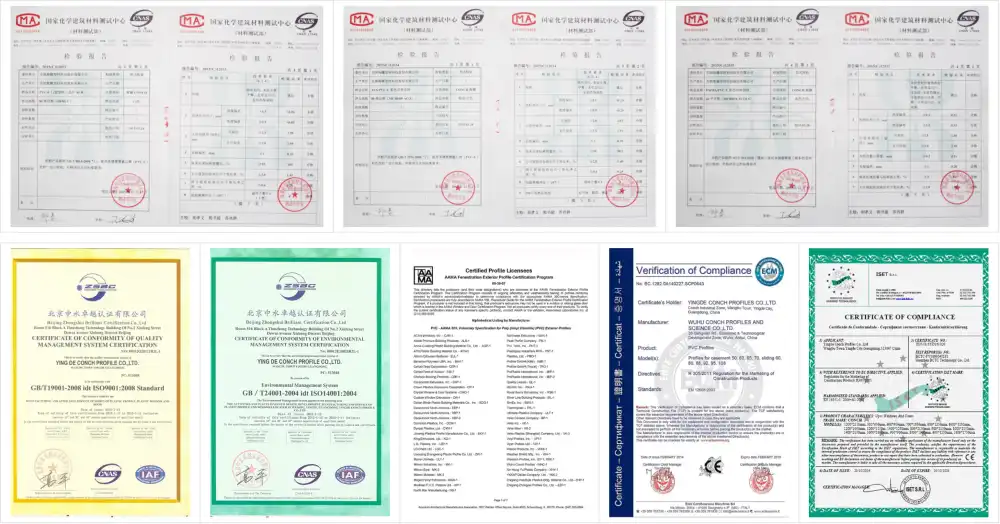
More and more, building projects need proof that they are meeting performance standards and government rules. When they are sold in North America, windows should meet AAMA standards, local building rules, and, if necessary, energy program standards. GB/T 8478-2020, CE marks, ISO approvals, and AAMA compliance all show that the maker is committed to quality standards that can be checked.
Manufacturers should have to provide approved test results that prove air leakage, water entry, structural performance, and temperature traits as part of the procurement requirements. Independent third-party testing is more reliable than maker claims that haven't been checked out. This helps with reducing risk and ensuring quality throughout the buying process.
Trusted Brands and Supplier Landscape
To find your way around the window provider market, you need to look at things like manufacturing capabilities, quality systems, expert help, and the dependability of the supply chain. B2B buying teams look for partners that can help them with big projects by providing regular product quality and quick service.
Manufacturer Evaluation Criteria
A manufacturer's ability to handle large project numbers for tilt and turn casement windows while keeping quality and delivery promises is directly related to how much equipment they have and how well it works. Automated building systems, precise CNC cutting tools, and extrusion features that are built in show that the production process is mature and efficient. Suppliers with modern facilities and a wide range of in-house skills usually have better control over wait times and product accuracy.
It's just as important to have the right technical support infrastructure, especially for projects that need unique setups or difficult design requirements. When manufacturers hire skilled engineering teams, they can help with things like choosing the right product, figuring out how it will work, and how to put it. These are services that add a lot of value beyond the product itself.
Supply Chain Reliability and Risk Mitigation
Established providers with a lot of export experience know how to handle foreign shipping processes, what paperwork is needed, and what quality standards are expected in each market. Companies that do business in North America should show that they know the local rules, codes, and industry norms that are different from those in other regions.
Case studies and client examples that show how well a seller really does their job go beyond what they say in their marketing. Procurement teams should ask for examples of finished projects that are similar to their own in terms of size and complexity. They should also ask for proof of delivery performance, product quality, and support after installation.
Certification and Compliance Standards
ISO-certified quality management systems use organized ways to keep processes under control, keep records, and keep making things better. Instead of self-certification or promises that can't be proven, product certifications that are special to target markets show that the product has been tried to make sure it meets the standards that apply.
As companies try to reach their sustainability goals, environmental duty plays a bigger role in their buying choices. Companies that use eco-friendly methods in their daily work usually produce better goods by paying more attention to process excellence and resource economy. These companies also support corporate responsibility programs.
Conclusion
Whether you choose standard casement windows or tilt and turn casement windows depends on the needs of the project, your performance goals, and your budget. Modern systems with tilt and turn features offer more options, safety, and weather protection thanks to high-tech European gear and designed metal shapes. Traditional casement windows are still useful in situations where they are easier to use and where cost is the main factor in the decision-making process. To be successful at procurement, you need to carefully build specifications, evaluate suppliers, and pay attention to the total ownership value rather than just the original price. Early interaction with qualified makers who can offer expert support, customizable options, and reliable shipping performance throughout the purchase and implementation process is good for projects.
FAQ
How do the prices of tilt and turn windows and regular casement windows compare?
Dual-function systems usually have higher start-up costs because they need more complex multi-point hardware and more precise manufacturing. The price difference changes based on size, specs, and order volume, but it usually goes down when you compare high-quality goods from both groups. Instead of just looking at the buying price, a total cost study should also look at how much energy it uses, how often it needs to be maintained, and how long it is expected to last.
What are the benefits of multi-point locking methods for security?
Traditional single- or double-point locks are much easier to break into than multi-point locks because they connect the sash to the frame in more than one place around the edge. This spread locking design makes it very hard to pry open doors and windows, and it also improves the compression and heating performance of weatherstripping. Hardware solutions that are of good quality and meet European security standards provide effective safety for both business and home use.
Are these window systems up to code for energy use in North America?
By choosing the right glass and building a thermally-broken frame, properly designed systems easily meet the standards of IECC, ASHRAE, and ENERGY STAR. If you use double or triple glass, you can easily get U-factors below 0.30 Btu/hr·ft²·°F. Instead of depending on general claims, manufacturers should provide NFRC-certified performance data that verifies the temperature properties of particular product setups.
Partner with Haolv Building Materials for Your Window Procurement Needs
If a purchasing manager is looking for a dependable company that sells tilt and turn casement windows, Haolv Building Materials has everything they need. With 18 years of experience making things, we can help business developers, general builders, and building material dealers all over North America with designed aluminum window systems that meet strict performance standards. We keep up-to-date production facilities with automatic assembly lines, precise CNC equipment, and built-in quality control systems that make sure both standard and special orders get the same high-quality products.
Our expert team offers free consultations, help with designing solutions, and thorough standard support that makes it easier to make decisions about buying. We can make changes to the sizes, styles, glass arrangements, and hardware to meet the needs of each individual job. Our ISO, CE, and AAMA certifications show that we follow international quality standards, and our well-established supply chain means that we can deliver within 25 to 30 days of receiving an order. Email our team at kristin@haolvwindows.com to talk about the needs of your project, get product specs, or set up a free review. We provide the tech help, output capability, and reliable service that B2B buyers need.
References
1. American Architectural Manufacturers Association (2021). AAMA/WDMA/CSA 101/I.S.2/A440-17: North American Fenestration Standard/Specification for Windows, Doors, and Skylights. Schaumburg: AAMA Publications.
2. Carmody, J., Selkowitz, S., Lee, E.S., Arasteh, D., and Willmert, T. (2004). Window Systems for High-Performance Buildings. New York: W.W. Norton & Company.
3. National Fenestration Rating Council (2020). NFRC 100-2020: Procedure for Determining Fenestration Product U-factors. Greenbelt: NFRC Technical Publications.
4. Straube, J. and Burnett, E. (2005). Building Science for Building Enclosures. Westford: Building Science Press.
5. Lstiburek, J. (2018). "Window Performance and Selection Criteria for Commercial Buildings," Journal of Building Enclosure Design, Vol. 14, No. 3, pp. 22-31.
6. European Committee for Standardization (2016). EN 14351-1:2016 Windows and Doors – Product Standard, Performance Characteristics. Brussels: CEN Publications.
Fast simple channel to send demands lock favorable price for building window door bulk purchases.