- English
- French
- German
- Portuguese
- Spanish
- Russian
- Japanese
- Korean
- Arabic
- Greek
- German
- Turkish
- Italian
- Danish
- Romanian
- Indonesian
- Czech
- Afrikaans
- Swedish
- Polish
- Basque
- Catalan
- Esperanto
- Hindi
- Lao
- Albanian
- Amharic
- Armenian
- Azerbaijani
- Belarusian
- Bengali
- Bosnian
- Bulgarian
- Cebuano
- Chichewa
- Corsican
- Croatian
- Dutch
- Estonian
- Filipino
- Finnish
- Frisian
- Galician
- Georgian
- Gujarati
- Haitian
- Hausa
- Hawaiian
- Hebrew
- Hmong
- Hungarian
- Icelandic
- Igbo
- Javanese
- Kannada
- Kazakh
- Khmer
- Kurdish
- Kyrgyz
- Latin
- Latvian
- Lithuanian
- Luxembou..
- Macedonian
- Malagasy
- Malay
- Malayalam
- Maltese
- Maori
- Marathi
- Mongolian
- Burmese
- Nepali
- Norwegian
- Pashto
- Persian
- Punjabi
- Serbian
- Sesotho
- Sinhala
- Slovak
- Slovenian
- Somali
- Samoan
- Scots Gaelic
- Shona
- Sindhi
- Sundanese
- Swahili
- Tajik
- Tamil
- Telugu
- Thai
- Ukrainian
- Urdu
- Uzbek
- Vietnamese
- Welsh
- Xhosa
- Yiddish
- Yoruba
- Zulu
Improve Your Home With a New Four-Season Sunroom
Adding a Four Season Enhanced Aluminum Sunroom to your home will make it more useful all year, even in hard winters and hot summers. Unlike traditional three-season buildings, this modern method uses thermal break metal frames and protected glass to keep the inside comfortable no matter how cold or hot it is outside. Whether you're adding on to a luxury building, improving a business hospitality space, or making a house bigger, these designed sunrooms provide consistent temperature control, long-lasting structure, and beautiful architecture.
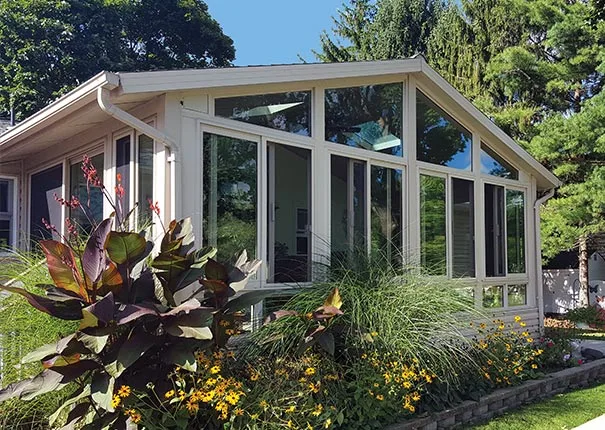
Introduction
Four Season Enhanced Aluminum Sunrooms are a flexible option that can be used all year because they are long-lasting, energy-efficient, and look good. More and more, modern business and household projects need weatherproof, movable spaces that can be used as extra living or work areas without sacrificing comfort or costs. These sunrooms are a great choice because they are based on tried-and-true building concepts and materials.
This guide is for procurement managers, general builders, real estate developers, building material sellers, and architecture companies that want to know more about how to find, evaluate, and include four-season sunrooms in their projects. Knowing the main benefits of these goods and how they fit into the market helps people make smart buying choices in competitive building markets where things like performance standards, certification compliance, and the stability of the supply chain all have a direct effect on the success of a project.
Understanding Four-Season Enhanced Aluminum Sunrooms
What Defines a Four-Season Insulated Sunroom System?
A Four Season Enhanced Aluminum Sunroom system is different from other seasonal buildings because it is designed to keep the inside comfortable even when the outside temperature changes throughout the year. High-performance thermal break aluminum frame is what makes it unique. Polyamide resin strips physically separate the metal surfaces on the inside and outside. This technology gets rid of thermal bridging, which is what makes fog, heat loss, and stress on the structure of regular metal containers. The method uses Low-E coats on double or triple windows and harmless gas fills to achieve heat resistance levels that are good for climate-controlled spaces.
Advanced Thermal Insulation and Weatherproof Construction
The best thing about a Four Season Enhanced Aluminum Sunroom is the heat break structure. Aluminum profiles have shapes with multiple chambers and thermally broken parts that stop heat from moving from inside to outside. Multi-layer EPDM sealing gaskets and structural sealing solutions work together to make walls that keep air and water out. The energy efficiency of this building method is about the same as that of traditional wall systems. It works well with HVAC equipment and keeps the inside temperature stable without using too much energy during peak heating or cooling seasons.
Material Composition and Structural Engineering
High-performance thermal break aluminum frames are made from 6063-T5 grade metal, which has the right amount of strength to weight to hold large glass gaps while keeping the framing as hidden as possible. Surface processes that follow the standards for powder coating or anodizing guard against UV damage, rust, and color loss over long periods of time. You can choose between insulated panel construction or laminated glass covering for the roof system. Both options are designed to handle snow loads, wind pressures, and thermal expansion needs that are specific to the project site and building code.
Comparing Four-Season Enhanced Aluminum Sunrooms with Other Options
Material Performance: Aluminum vs. Vinyl vs. Glass Systems
When looking at different types of materials, Four Season Enhanced Aluminum Sunrooms are stronger than plastic ones, especially when it comes to covering bigger spaces without extra support. Vinyl systems can expand and shrink with changes in temperature, which can weaken seals and make them less stable over time. Because the bolts and caulk joints are open to the weather, pure glass greenhouses need more frequent upkeep. Because aluminum is naturally strong, it can support heavier glass units that are needed for the best thermal and sound performance while still allowing for thinner sightlines.
Thermal Resistance and Energy Efficiency Metrics
Four-season metal systems with thermal breaks get U-factor values that are comparable to standard wall building. This means that the inside stays comfortable without having to spend too much on heating or cooling. Three-season sunrooms don't have enough protection to be used in the winter in northern areas, which limits their usefulness and return on investment. Thermal break designs improve insulation, which lowers the risk of condensation, which is a typical place where metal frames that aren't protected fail. This means lower upkeep costs and a longer useful life because it keeps indoor finishes and furniture from getting damaged by water.
Maintenance Requirements and Lifecycle Costs
Aluminum sunrooms don't need much upkeep other than being cleaned and having the hardware oiled every so often. Since the material doesn't rust and marine-grade powder coats pass long salt spray tests, these systems can be used in coastal settings where wood and steel options would break down quickly. Vinyl systems can change color or break if they are exposed to UV light for a long time, but metal stays strong and looks good for decades. Installation times are shorter for modular metal systems that come pre-made with precise CNC cutting, which means less time spent working on-site than with options that are built on-site.
Procurement experts can use these comparison benefits to weigh the pros and cons of initial investment and long-term value. Aluminum porch systems that meet modern building standards are usually best for projects that care a lot about longevity, heat performance, and architectural looks.
Design and Practical Considerations for Procurement
Insulation Technologies and Thermal Break Engineering
Thermal break technology is the key difference that makes year-round comfort possible for Four Season Enhanced Aluminum Sunrooms. By breaking up the metal line that runs from the inside to the outside, the polyamide strips inside the aluminum shapes lower heat conductivity. When these systems are combined with double or triple glass that has Low-E coatings, they keep the surfaces inside above the dew point limits, which stops condensation from forming that usually happens in designs that don't have insulation. The procurement team should check the thermal break standards and ask for test results to show that the U-factor performance meets the energy efficiency requirements of the project and the building rules in the area.
Roof System Options and Structural Considerations
The shape of the roof has a big effect on both how well it keeps heat in and how it looks. Insulated panel roofs are the most energy-efficient because they have continuous layers of insulation. They are good for places that need to keep the temperature stable. Laminated glass roofs lets in the most natural light while keeping the structure strong thanks to its toughened laminated construction. When engineers do math, they have to take into account things like snow loads, wind lifting forces, and thermal expansion. This is especially important in places that are open to the elements or where temperatures change a lot. Integrated draining systems with hidden drains stop ice dams and water from getting into the structure, which weakens it.
Wall Systems and Glass Configurations
Wall systems use a mix of fixed, sliding, folding, and window glass panels to make sure that air flow, accessibility, and heat performance are all balanced. Safety window standards can be met with tempered or laminated glass, which also offers sound separation levels range from 35 to 50 dB. Triple glass is the best way to insulate in harsh conditions, but it makes the building heavier and costs more. The performance of the glass should be in line with the temperature zone needs, building energy rules like IECC standards, and the project budget. Customization options let you adapt to non-standard sizes and building features that are unique to high-end home projects or business dining settings.
Ventilation Design and Indoor Air Quality
Built-in airflow through skylights that can be opened, casement windows, and integrated door systems keeps the air inside healthy and stops wetness from building up. During mild seasons, natural airflow lowers the need for artificial cooling, which makes operations more efficient. To make sure there are enough air exchange rates, procurement teams should look at ventilation area ratios compared to floor space. Automated air controls with temperature monitors improve comfort while reducing energy waste. This is especially important for business settings where running costs directly affect the project's viability.
Please note: To be sure of exact performance numbers, you should look at product testing results and certificates that are important to your project's location and needs.
Procurement and Transaction Guidance for Four-Season Aluminum Sunrooms
Identifying Qualified Manufacturers and Supply Partners
Verifying suppliers is the first step in lowering procurement risk when sourcing a Four Season Enhanced Aluminum Sunroom. Manufacturers should show that their quality control systems are ISO-certified, that they have enough production capacity for the project, and that they have exported to similar markets before. Ask the plant to check that they have automatic assembly systems, precise CNC cutting equipment, and combined molding skills that make sure the quality of the products is always the same. Established sellers keep relationships with top metal brands and glass suppliers, which has a direct effect on the guarantee coverage and stability of the parts. Case studies of successful setups in similar temperature zones and building types should be looked at by people who work in procurement.
Order Specifications and Customization Capabilities
Most of the time, four-season porch projects need to be customized to fit the building plans and the conditions of the site. Engineering help is available from qualified makers who look over structure formulas, heat performance modeling, and installation routines. The measurements of the metal shape, the type of thermal break, the arrangement of the glass, the hardware choices, and the surface styles that must be matched to the needs of the project should all be included in the order specs. Production wait times are usually between 25 and 30 days after an order is confirmed, but times may be longer if there are a lot of customizations. Clear communication about shipping plans, delivery dates, and installation planning keeps building goals from being missed due to delays in the project.
Certification Compliance and Building Code Requirements
There are a lot of approval guidelines that U.S. projects need to follow. NFRC grades check claims about temperature efficiency that are important for following energy codes. Based on where the project is located, structural engineering should use ASCE standards for wind loads and IBC standards for snow loads. In places that are prone to hurricanes and have been named High Velocity Hurricane Zones, impact-resistant glass may be required. To avoid problems with compliance during the approval or final review stages, the procurement specs must clearly state that they need certification documents, testing results, and engineering stamps as needed.
Warranty Terms and After-Sales Support
A full guarantee shows that the maker is sure that the product will last. Typical warranty structures cover the integrity of the metal frame, the performance of the thermal break, the operation of the hardware, and the lifetime of the finish over a number of time periods. The terms of the contract should make it clear how to file a guarantee claim, get a new part, and get in touch with expert help. Suppliers with established distribution networks in North America offer better customer service than makers from farther away who don't have local representatives. Check the guarantee terms along with signs of provider security like operating history, production capacity, and financial health to see if the relationship can last for a long time.
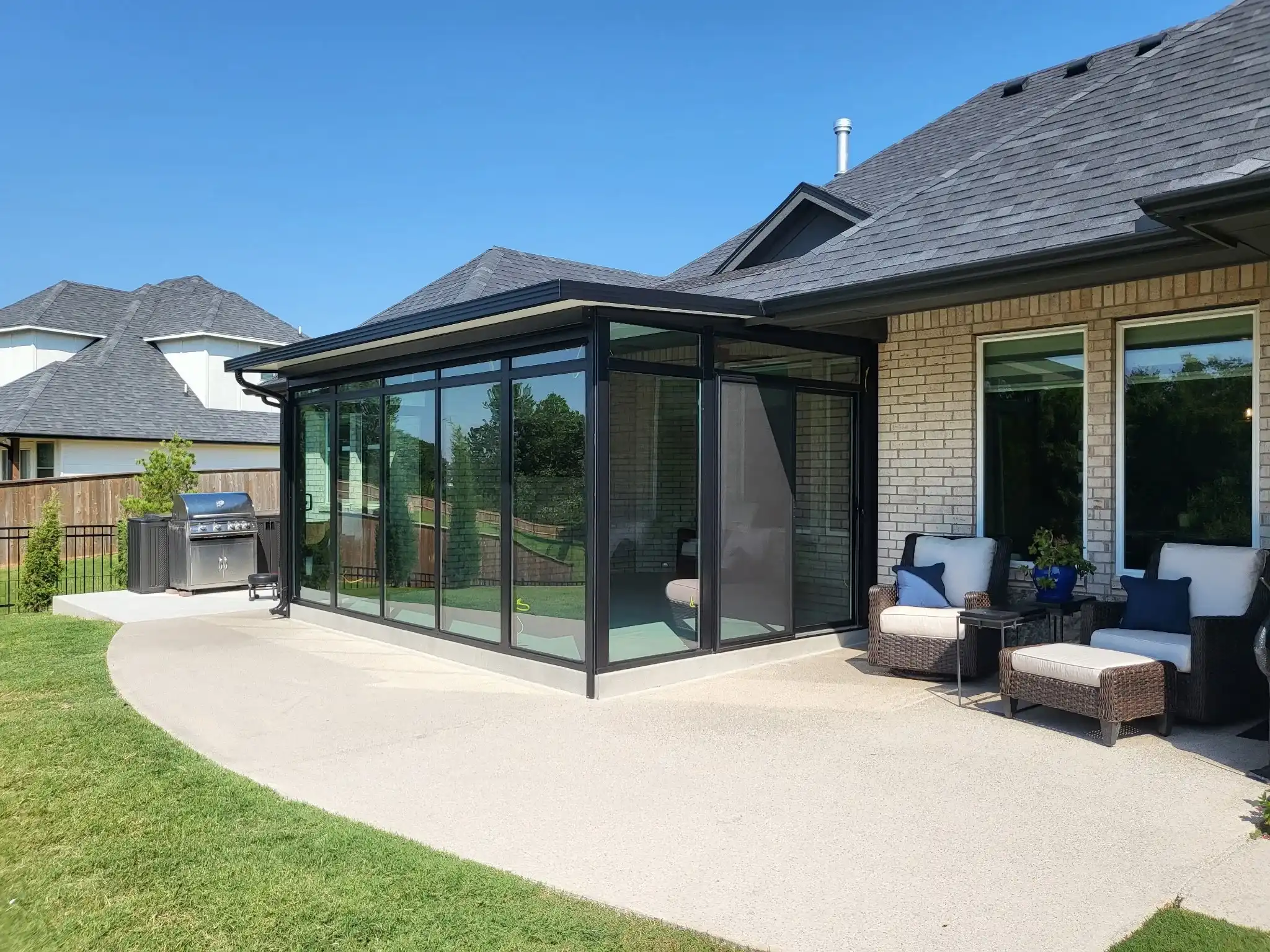
Why Choose Four-Season Enhanced Aluminum Sunrooms for Your Projects?
Validated Energy Efficiency and Operational Cost Reduction
The Four Season Enhanced Aluminum Sunroom running costs will be affected by its energy performance for the whole time it is used. When properly installed, thermal break metal systems and glass lower heating and cooling loads to the same level as standard wall building. This economy makes it possible to add on to a room without having to pay more for utilities or HVAC. Documented temperature performance data helps with energy modeling and certification paperwork for projects that want to get LEED approval or other green standards. The money spent on better insulation technology is recouped over the structure's many-decade life by lower operating costs.
Structural Durability and Corrosion Resistance
Aluminum's natural qualities make it effective in a wide range of climatic conditions. Marine-grade powder coats are resistant to salt spray and air pollution, and they don't need to be refinished as often as wood options do. The material doesn't break down at high or low temperatures like vinyl does in cold places, and it doesn't change shape like polymer-based systems do when heated. Testing for wind resistance shows that it is suitable for places that are open to bad weather. These qualities of longevity lower the need for repairs and replacements, which is especially helpful for business buildings where downtime hurts income.
Architectural Versatility and Design Integration
Panoramic glass walls let in the most light and let you see outside, and the thin metal shapes keep the sightlines clear. Powder finishing, wood grain patterns, and unique RAL colors are some of the surface styles that can be changed to match current building elements. The system works with a range of door and window layouts, so it can be used in a wide range of settings, from restaurants and home offices. This design freedom lets architects and developers make unique places that raise property values and improve the user experience without lowering the standards for technology performance.
Future-Proof Investment Aligned with Building Standards
Building rules are putting more and more emphasis on energy economy and require building assemblies to meet strict thermal performance standards. Four-season metal sunrooms that are built to current standards will still be legal as rules change, which protects the value of your investment over the long run. As the focus on environmentally friendly building grows, long-lasting materials like metal that can be recycled are increasingly sought after. Adding these systems to a project makes it better for future property sales, meeting the needs of tenants, and meeting operating efficiency standards that affect the value of commercial real estate.
Conclusion
Four Season Enhanced Aluminum Sunrooms offer designed solutions that meet the performance needs of year-round living space in a variety of conditions and situations. The thermal break technology, insulated glass systems, and structural metal frame work together to make places that are comfy and save energy. These places can be used for both private luxury additions and business dining spaces. Professionals in procurement can lower project risk and make sure specifications are met by learning about the performance features of materials, the standards for licensing, and the evaluation factors for suppliers. When it comes to longevity, upkeep needs, and heat efficiency, these systems are better than most others. This makes them smart investments that pay off over longer work lives than other options.
FAQ
Can four-season aluminum sunrooms withstand extreme weather conditions?
Yes, properly engineered Four Season Enhanced Aluminum Sunroom systems can handle wind loads for open areas and snow loads as required by local building rules. Impact-resistant glass choices are good for places that are prone to hurricanes, and thermal break construction stops freeze-thaw damage that can happen to designs that aren't sealed. Marine-grade paints don't rust in salt water.
What are typical lead times from order placement to installation completion?
Usually, it takes 25 to 30 days to make something after an order is confirmed with all the details. How long it takes to install depends on how big and complicated the job is. Schedules for purchases should include time for shipping, getting the spot ready, and working with other building trades. Orders placed in a hurry may cost more.
Are customization options available for specific project requirements?
Manufacturers who are skilled at custom manufacturing can work with odd sizes, special glass arrangements, and unique building features. Engineering help looks over estimates for structures and models of heat efficiency. Custom color matching, hardware choices, and built-in shade systems let designs fit the look and function needs of each project.
Partner with a Trusted Four Season Enhanced Aluminum Sunroom Manufacturer
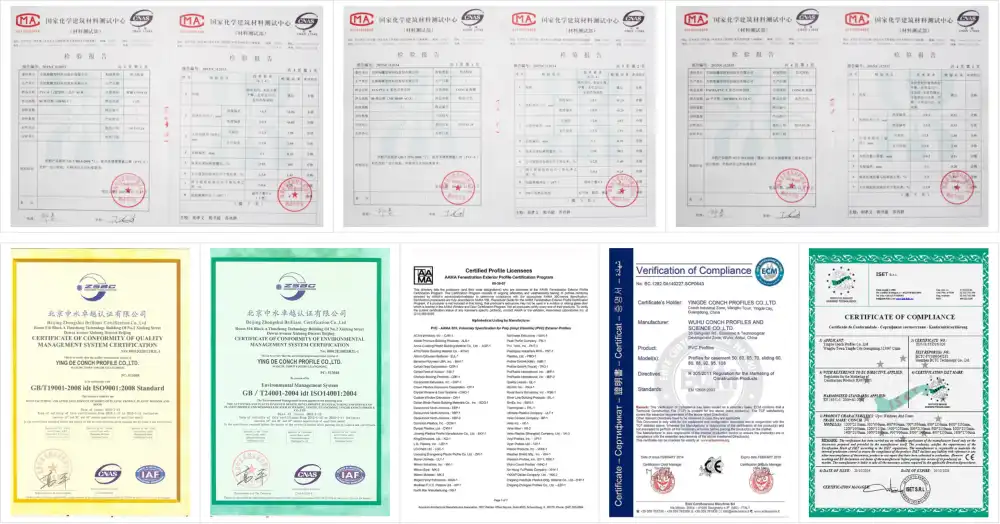
Haolv Building Materials has been making high-performance metal window and door systems for 18 years and sells them to builders, producers, and building material dealers all over North America. Our cutting-edge production facilities use both automatic building systems and precise CNC cutting tools to make sure that the quality of both standard and special orders is always the same. We have ISO and CE standards, as well as a lot of testing paperwork that helps us follow NFRC and building code rules.
For four seasons, our Four Season Enhanced Aluminum Sunroom systems have tried-and-true thermal break technology, premium hardware partnerships, and the ability to be customized in a variety of ways to fit house projects, business walls, and high-end home additions. As a dependable supplier, we offer full expert support, solution design services, and project follow-up assistance throughout the whole buying process. When there is enough material, shipping times of 25 to 30 days can be met to meet building plans. You can talk to our expert team about your project by emailing kristin@haolvwindows.com. To help you with your purchase evaluation process, we offer free technical advice, help with designing solutions, and organization of samples.
References
1. American Architectural Manufacturers Association. (2021). AAMA 2605: Voluntary Specification, Performance Requirements and Test Procedures for Superior Performing Organic Coatings on Aluminum Extrusions and Panels. Schaumburg: AAMA Publications.
2. International Code Council. (2021). International Building Code: Chapter 24 - Glass and Glazing. Washington, D.C.: ICC Publications.
3. National Fenestration Rating Council. (2020). NFRC 100: Procedure for Determining Fenestration Product U-factors. Silver Spring: NFRC Technical Documents.
4. Lawrence Berkeley National Laboratory. (2019). Thermal Performance of Residential Windows and Doors: Engineering Analysis and Design Guidelines. Berkeley: Building Technologies Department.
5. Aluminum Association. (2020). Aluminum Design Manual: Specifications and Guidelines for Aluminum Structures. Arlington: The Aluminum Association Technical Publications.
6. American Society of Civil Engineers. (2022). ASCE 7: Minimum Design Loads and Associated Criteria for Buildings and Other Structures. Reston: ASCE Press.
Fast simple channel to send demands lock favorable price for building window door bulk purchases.