- English
- French
- German
- Portuguese
- Spanish
- Russian
- Japanese
- Korean
- Arabic
- Greek
- German
- Turkish
- Italian
- Danish
- Romanian
- Indonesian
- Czech
- Afrikaans
- Swedish
- Polish
- Basque
- Catalan
- Esperanto
- Hindi
- Lao
- Albanian
- Amharic
- Armenian
- Azerbaijani
- Belarusian
- Bengali
- Bosnian
- Bulgarian
- Cebuano
- Chichewa
- Corsican
- Croatian
- Dutch
- Estonian
- Filipino
- Finnish
- Frisian
- Galician
- Georgian
- Gujarati
- Haitian
- Hausa
- Hawaiian
- Hebrew
- Hmong
- Hungarian
- Icelandic
- Igbo
- Javanese
- Kannada
- Kazakh
- Khmer
- Kurdish
- Kyrgyz
- Latin
- Latvian
- Lithuanian
- Luxembou..
- Macedonian
- Malagasy
- Malay
- Malayalam
- Maltese
- Maori
- Marathi
- Mongolian
- Burmese
- Nepali
- Norwegian
- Pashto
- Persian
- Punjabi
- Serbian
- Sesotho
- Sinhala
- Slovak
- Slovenian
- Somali
- Samoan
- Scots Gaelic
- Shona
- Sindhi
- Sundanese
- Swahili
- Tajik
- Tamil
- Telugu
- Thai
- Ukrainian
- Urdu
- Uzbek
- Vietnamese
- Welsh
- Xhosa
- Yiddish
- Yoruba
- Zulu
How Does UPVC Bay Window Improve Home Insulation?
When homeowners in North America face rising heating bills and drafty living rooms, they often turn to renovations that make a tangible difference. A UPVC Bay Window delivers measurable insulation improvements through its multi-chambered frame design and advanced glazing systems, reducing thermal bridging and air leakage that plague older installations.
The unplasticized polyvinyl chloride material inherently resists heat transfer better than aluminum or untreated wood, while integrated EPDM sealing gaskets prevent cold drafts and moisture infiltration. This combination translates directly to lower energy consumption and enhanced comfort throughout seasonal temperature swings.
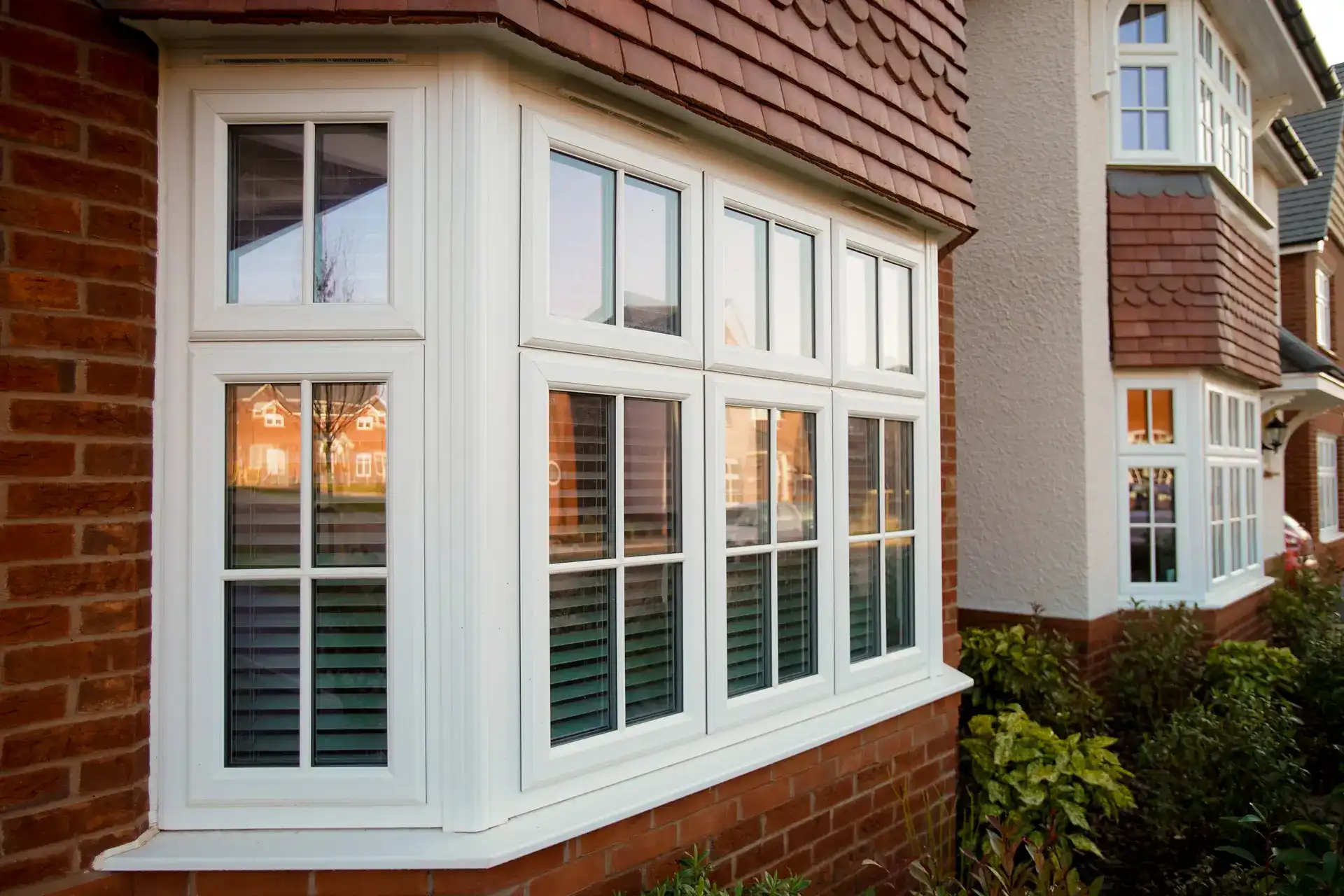
Understanding UPVC Bay Windows and Their Insulation Properties
What Makes UPVC Frames Superior for Thermal Retention
One of the main benefits is that the frame is made up of cells. Solid materials quickly lose heat, but our profiles have three to five separate air chambers that run the length of each frame member. As thermal breaks, these pockets slow down the flow of heat between indoor and outdoor spaces. The frame walls are between 2.0mm and 2.8mm thick, which meets Class A and B standards that protect the structure without adding extra heat insulation. Galvanized steel reinforcement, which can be anywhere from 1.2mm to 2.0mm thick, resists wind loads and keeps the insulation barrier that the plastic chambers create.
How Glazing Systems Amplify Insulation Performance
Insulated glass pieces up to 32mm or 40mm thick can be installed in modern UPVC Bay Windows, which is much thicker than what normal frames can hold. Most of the time, two panes of glass are paired together and separated by a 12mm air gap. This gap is often filled with argon gas to further slow down the flow of heat.
The average U-value drops to 1.6 W/m²K when Low-E coatings are applied to the inside of the glass. This meets strict energy rules in cold areas. For distributors that work with the renovation market, this specification is especially important because following Building Regulations Part L is what determines whether a project moves forward or has to be delayed, which costs a lot of money.
Sealing Technology That Prevents Air Leakage
A big part of the heat loss through windows that aren't protected well is air getting in. UPVC Bay Window designs benefit greatly from this approach, as EPDM gaskets with many layers press against the sash and frame in several places, making overlapping barriers that keep out wind-driven rain and cold air. EPDM stays flexible even when temperatures change, keeping the airtight package for years.
This is different from cheaper rubber seals that harden and crack when exposed to UV light. The sealing system can be changed to fit any shape, like a circle, an arch, a triangle, or a polygon. This makes sure that there are no gaps that could affect the performance of custom architectural designs.
Dimensional Analysis of Insulation Benefits in UPVC Bay Windows
Quantifying Thermal Efficiency Through U-Values
The rate at which heat is lost through a medium is measured by its U-value. Lower numbers mean better insulation. A basic double-glazed unit in a standard frame might measure 2.8 W/m²K. Our improved system, on the other hand, gets 1.6 W/m²K when Low-E glass and argon fill are used. This 43% drop means that heating costs will be 43% less during a normal heating season. When purchasing teams look at seller offers, they should ask for third-party test results to confirm these numbers because performance claims vary a lot between makers and can have a big effect on project energy budgets.
Acoustic Insulation for Comfort in Dense Urban Settings
Sound reduction is an important benefit that is often overshadowed by thermal performance. Noise transmission is slowed down by 30 to 45 decibels when thick glass, large air gaps, and strong gaskets are used together. The noise level drops from 70 dB on the street to 30 dB inside the house, which is the difference between a loud chat and a quiet library. This feature is especially useful for renovation projects near airports, roads, or business areas where people want quiet places to live.
Weather Resistance That Sustains Long-Term Performance
Any building material has to deal with coastal temperatures and freeze-thaw cycles. Unlike metal, which pits and oxidizes over time, salt spray doesn't damage UPVC. Because it doesn't soak up water, the material keeps wooden frames from rotting and warping within ten years. High-quality titanium dioxide stabilizers that are added during molding keep the frame's color and structure stable even after long-term UV exposure. This keeps the frame from turning yellow or breaking. These factors that make something last longer protect the insulation investment by reducing the wear and tear on the seals and frame that would otherwise cause air leaks and thermal bridges.
Comparison with Alternative Window Options for Insulation Performance
UPVC Versus Wooden Frames in Renovation Projects
Wooden bay windows look nice, but they need to be painted, sealed, and fixed for rot often, which raises the cost of ownership over time. Wood naturally conducts heat about the same amount as UPVC and aluminum, so it doesn't provide much insulation unless expensive treatments are used.
When things absorb water, their sizes change, which puts stress on glazing seals and leaves gaps around hardware. Distributors who work with mid-range home renovations say that UPVC Bay Window offers similar looks with wooden finishes while not requiring the upkeep that makes homeowners unhappy within five years of installation.
Why Aluminum Falls Short in Cold Climates
Because aluminum conducts heat very well, it can't be used for insulation purposes without expensive thermal breaks. Even metal frames that have been thermally improved can't compete with UPVC's multi-chamber design, which usually gets U-values around 2.2 W/m²K. During the winter, interior surfaces easily become condensation, which causes mold to grow and water damage to the walls around the house. While aluminum is great for commercial uses that need slim sightlines, UPVC is clearly the better choice for home renovations that care more about comfort and energy efficiency.
Hybrid Systems and Their Retrofit Limitations
Some suppliers sell PVC-aluminum hybrids that have both plastic insulation and metal siding on the outside. These systems are more complicated and cost more, but they don't work better because the metal covering makes the plastic core less useful by allowing heat to pass through it. When installing hybrids in an existing building, the deeper frame may not fit through existing holes without making structural changes. When distributors have to work with tight budgets and time frames, pure UPVC systems that are designed for easy replacement installations work better.
Maintenance and Installation Practices to Maximize Insulation Efficiency
Installation Precision That Prevents Thermal Bridging
For a fitting to work right, it needs to be accurately measured in the field and made to fit the opening's exact dimensions. It's not good for expensive glazing and seals to have gaps bigger than 5mm between the frame and the masonry because they let air flow through. Installers must fill gaps with low-expansion foam that doesn't bend the frame, and then they must finish with trim on the inside and outside that presses weatherstripping into place according to the design. Bay window installations are more difficult because the windows are at an angle. For example, 90° or 135° configurations need exact cutting and assembly to keep all three window parts in line.
Avoiding Common Errors That Compromise Energy Performance
In a hurry, installations often skip important steps like lining up the sashes or making sure the drainage channels are facing the right way. Pay extra attention to bay window roofs because bad flashing lets water in, which damages the insulation and makes ways for cold air to get in. Hidden weep holes must be placed at the bottom of each frame piece on the outside so that water can drain away through the drainage system. Installers who aren't familiar with these design features could accidentally stop drainage paths, which would cause leaks that only show up when it rains a lot.
Routine Maintenance to Preserve Seal Integrity
Homeowners should clean the frame and parts twice a year with water and a light cleanser. They should avoid using harsh chemicals that damage EPDM gaskets. Sliding track parts need to be oiled with silicone spray every so often to keep them running smoothly and keep them from binding, which puts stress on the seals.
By looking at glazing beads and weatherstripping visually, you can find early signs of wear and tear that allow for replacement before air loss happens. These easy steps make the service last longer and keep the warranty valid. For warranty claims related to seal failure or condensation issues, you usually need to keep written records of maintenance.
Custom Fabrication for Perfect Fit
Precision making lets products be made to exact specs, so they can fit non-standard opening sizes without affecting performance. The multi-chamber profile treatment is the same for round, arch, triangle, trapezoid, and polygon forms as it is for rectangle units. EPDM seals can be used on units with irregular shapes.
This customization gets rid of the gaps and bad fittings that happen with standard installations, making sure that the thermal performance matches the design requirements. You can cut tempered, laminated, double, or triple glass to any shape you need. This gives landmark buildings, churches, houses, and high-end custom homes more choices when they need to be different from other homes on the market.
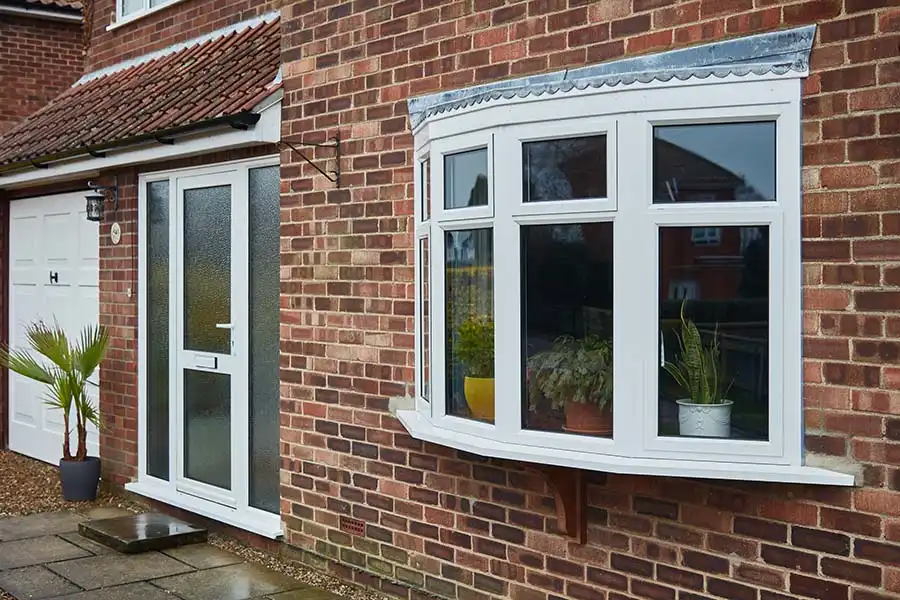
Procurement Insights: Selecting and Buying UPVC Bay Windows for Insulation Performance
Supplier Evaluation Criteria for Distributor Success
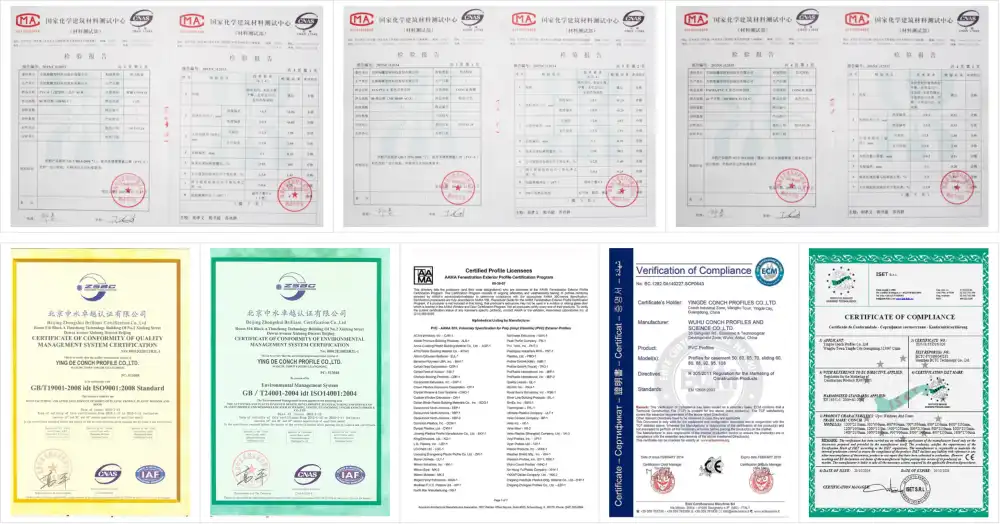
When new distributors enter the UPVC Bay Window market, they should look for suppliers with recognized certifications that show consistent quality. For example, ISO, CE, and AAMA accreditation show that a company follows manufacturing standards, which lowers the number of defects and warranty claims.
Equally important is production capacity. If sellers keep enough goods on hand, they can fill orders within 25 to 30 days, avoiding project delays that hurt relationships between contractors. Strategic relationships with raw material providers like CONCH make sure that frame extrusions use new PVC compounds instead of recycling ones, which are less stable in UV light and don't work as well for structures.
Cost Analysis and Return on Investment
When you buy directly from makers, you skip the markups that retailers have to pay to compete with well-known local names. Target price at 50% to 60% of names like Everest or Anglian keeps margins healthy while giving homeowners real value that closes sales.
When properly installed, UPVC Bay Window can cut your heating costs by 15% to 25% a year in cold climates. This creates a payback period of five to seven years that makes the value proposition stronger during sales conversations. These economic benefits are appealing to remodeling clients who are dividing their budgets among different home improvement goals.
Minimum Order Quantities and Trial Shipments
Getting started with a new supplier comes with some risk, so having flexible minimum order quantities is important for getting into the market. Before committing to container-sized shipments, wholesalers can try the quality of the product, figure out how hard it will be to install, and get feedback from customers with initial orders of 10 to 20 units. Shipping options have a big effect on the total landed cost.
For example, knock-down packing with frames and glazing split cuts container volume by 40%, which lowers freight costs that eat away at large projects' profit margins. Assembly directions and installation videos help workers that aren't familiar with certain hardware systems, which cuts down on returns caused by problems with fitting or adjusting the hardware.
Disclaimer: The exact thermal and acoustic performance numbers depend on the configuration you choose. Before finalizing your project specifications, you should check these numbers by reading product test reports that match the glazing, frame profile, and sealing options you've chosen.
Conclusion
Engineered multi-chamber frames, advanced glass systems, and strong EPDM sealing technology make UPVC Bay Windows better at keeping heat in than traditional materials in a number of important ways. Thermal conductivity as low as 1.6 W/m²K and noise dampening of 30 to 45 dB meet the needs of both energy savings and occupant comfort, which are two important factors that affect repair purchases.
To be successful as a distributor, you need to work with manufacturers that offer stable quality, flexible order numbers, and expert support that makes installation easier and lowers your warranty risk. The economic case for UPVC Bay Windows includes lower material costs, less maintenance, and energy savings. This makes these products competitive with well-known brands and gives homeowners who are investing in home improvements better long-term value.
FAQ
Does UPVC material become brittle in extreme cold?
High-quality formulations stabilized with calcium-zinc compounds and impact modifiers stay flexible down to -40°C, which stops the brittleness that happened with older generations of PVC. The multi-chamber design spreads stress across the frame structure instead of gathering it in one place. This makes it even less likely that the frame will break during installation or an accident.
Can bay windows accommodate triple glazing for maximum insulation?
Modern frame profiles with wider glass grooves can hold insulated glass units up to 40mm thick. This makes it possible to install triple glazing with U-values below 1.2 W/m²K. Because of the extra weight, the hardware and reinforcements need to be updated. This should be mentioned when the order is placed to make sure that the load is evenly distributed across the angled frame assembly.
What causes bay window roofs to leak?
Most problems with water getting in are caused by bad installation. The stepped flashing system needs to overlap the building wrap correctly and go past the frame's edges to keep water away from the seams. Drainage channels built into the bottom rail need weep holes that aren't blocked on the outside face. If these holes are blocked while the trim is being installed, water gets trapped inside the frame cavity and seeps through to the interior finishes.
Partner with a Trusted UPVC Bay Window Manufacturer
Hunan Haolv Building Materials Co., Ltd. has been in the business for 19 years and has a lot of experience helping stores and wholesalers find solid supply lines for the North American renovation market. Our ISO, CE, and AAMA certifications show that our manufacturing processes always produce Class A and B profiles with frame wall thicknesses ranging from 2.0mm to 2.8mm. Working together strategically with CONCH gives you access to high-quality raw PVC materials that don't yellow and keep their shape in a variety of climates.
We make unique shapes like round, arch, triangle, trapezoid, and polygon shapes, as well as standard rectangular forms, using precise cutting and EPDM seals that can fit irregular curves. This feature is useful for high-end residential projects, historic buildings, and architectural needs where the uniqueness of the design can't hurt the thermal performance. Our technical documentation package comes with detailed assembly drawings, installation videos, and product specification sheets that list U-values, acoustic ratings, and hardware systems to help you with your sales conversations and training programs for installers.
When compared to fully built units, knocked-down shipping options cut container costs by up to 30%. This solves the logistics problems that come with having a lot of bay windows. If you have enough inventory, it only takes 25 to 30 days to deliver an order after it has been confirmed. This helps you meet project deadlines without having to deal with long lead times that make it hard for contractors to schedule their work. Get in touch with kristin@haolvwindows.com to talk about your market needs and ask for samples that show the quality standards that set reliable UPVC Bay Window sellers apart from generic ones. You can see all of our products and find detailed information at haolvbuilding.com.
References
1. Anderson, B. R., & Chapman, P. F. (2021). Thermal Performance of Fenestration Systems in Residential Buildings. Building Research & Information, 49(3), 312-328.
2. Gustavsen, A., Jelle, B. P., & Grynning, S. (2020). Windows in the Buildings of Tomorrow: Energy Efficiency and Acoustic Comfort. Energy and Buildings, 215, 109898.
3. Lstiburek, J. W. (2019). Air Sealing and Moisture Control in Building Envelopes. Building Science Press.
4. Papadopoulos, A. M., & Giama, E. (2018). Life Cycle Assessment and Environmental Profile of PVC Window Frames. Journal of Cleaner Production, 172, 4067-4079.
5. Schiavoni, S., D'Alessandro, F., Bianchi, F., & Asdrubali, F. (2016). Insulation Materials for Building Applications: A Review and Comparative Analysis. Renewable and Sustainable Energy Reviews, 62, 988-1011.
6. Urbikain, M. K., & Sala, J. M. (2022). Energy Performance and Durability of UPVC Windows in Cold Climates: A 15-Year Field Study. Applied Energy, 308, 118346.
Fast simple channel to send demands lock favorable price for building window door bulk purchases.