- English
- French
- German
- Portuguese
- Spanish
- Russian
- Japanese
- Korean
- Arabic
- Greek
- German
- Turkish
- Italian
- Danish
- Romanian
- Indonesian
- Czech
- Afrikaans
- Swedish
- Polish
- Basque
- Catalan
- Esperanto
- Hindi
- Lao
- Albanian
- Amharic
- Armenian
- Azerbaijani
- Belarusian
- Bengali
- Bosnian
- Bulgarian
- Cebuano
- Chichewa
- Corsican
- Croatian
- Dutch
- Estonian
- Filipino
- Finnish
- Frisian
- Galician
- Georgian
- Gujarati
- Haitian
- Hausa
- Hawaiian
- Hebrew
- Hmong
- Hungarian
- Icelandic
- Igbo
- Javanese
- Kannada
- Kazakh
- Khmer
- Kurdish
- Kyrgyz
- Latin
- Latvian
- Lithuanian
- Luxembou..
- Macedonian
- Malagasy
- Malay
- Malayalam
- Maltese
- Maori
- Marathi
- Mongolian
- Burmese
- Nepali
- Norwegian
- Pashto
- Persian
- Punjabi
- Serbian
- Sesotho
- Sinhala
- Slovak
- Slovenian
- Somali
- Samoan
- Scots Gaelic
- Shona
- Sindhi
- Sundanese
- Swahili
- Tajik
- Tamil
- Telugu
- Thai
- Ukrainian
- Urdu
- Uzbek
- Vietnamese
- Welsh
- Xhosa
- Yiddish
- Yoruba
- Zulu
Thermal Break Aluminum Bifold Door Benefits for Architects
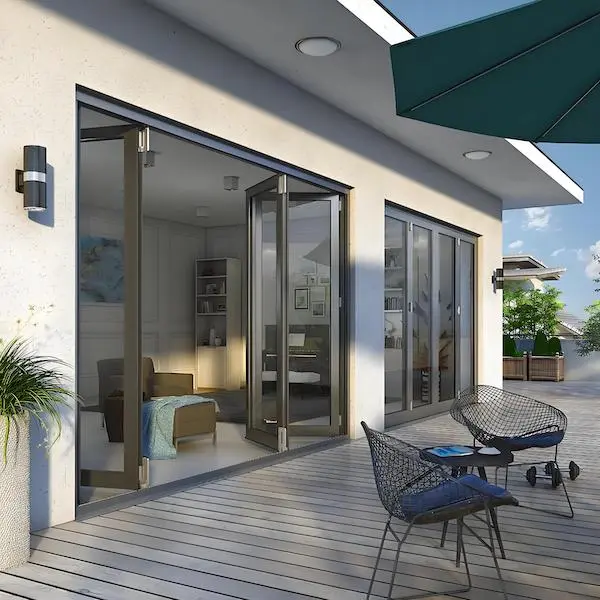
Thermal break aluminum bifold doors integrate an insulating polyamide barrier between interior and exterior aluminum profiles, drastically reducing thermal bridging and meeting stringent energy codes. These folding systems deliver U-values compliant with modern building regulations while offering architects expansive design flexibility through slim sightlines, customizable panel arrangements, and robust performance in demanding climates. With external-grade aluminum construction and multi-layer sealing, these doors solve critical challenges in high-end residential and commercial projects.
Understanding Thermal Break Aluminum Bifold Doors
Thermal Break Technology fixes a major problem with standard aluminum framing: metal's high thermal conductivity makes it easy for heat to move from one place to another. Manufacturers make two separate aluminum parts within a single shape by adding a non-metallic separator, which is usually PA66 GF25 Polyamide. This arrangement stops the flow of heat, which greatly improves insulation without compromising the structure's strength.
How Thermal Break Construction Works
The polyamide strip that is between the inner and outer metal pieces blocks heat. Heat that tries to move through the frame hits this low-conductivity barrier, which makes the transfer of energy much slower. This rule works for all parts of the frame, including the vertical stiles, horizontal rails, and reinforcing members. The result is U-values that are significantly lower than those of non-thermal-break aluminum. Depending on the glass standard and hollow width, these values are usually between 0.9 and 1.4 W/m²K.
Material Selection and Profile Engineering
Aluminum alloys made for the outside don't rust in coastal and humid places where other materials do. The strengthened thermal break profiles can hold up to 100–120 kg per panel and can fit double or triple glass units that are 20–32 mm thick. This structural strength lets you set up anything from a small two-panel wall to a large eight-panel wall, and the premium stainless steel rollers and hinges keep things running smoothly.
Integration with Insulated Glazing
Both the frame and the glass affect how well the insulation works. The insulated profiles are paired with Low-E coated glass units filled with argon gas to make a thermal envelope that sticks together. The multi-layer EPDM sealing system goes around edges and joints and stops air from getting in, which lowers the calculated U-values. Together, these parts reduce noise by 35–45 dB, which is important for both busy urban areas and quiet private areas.
Understanding these technical basics helps architects choose the right systems early on in the design process, making sure that the energy modeling matches the performance that can be achieved. For building permit applications, detailed temperature estimates and product data sheets are must-haves, especially in places where energy compliance must be checked.
Key Benefits of Thermal Break Aluminum Bifold Doors for Architects
When you specify bifold systems with Thermal Break Aluminum Bifold Door technology, you get benefits in a number of project dimensions. While energy efficiency is important, builders can also gain creative freedom, peace of mind about durability, and client happiness by carefully choosing materials.
Energy Efficiency and Regulatory Compliance
A lot of heat can be lost through standard metal frames because of thermal bridging, especially through big glass openings. This movement is slowed down by thermally broken shapes, which directly lowers the heating and cooling loads. Better energy modeling results help projects that want to get LEED or BREEAM ratings, which is good for them because they earn points toward their sustainability goals. Building codes are requiring maximum U-values for windows and doors more and more. Thermal break construction makes sure that codes are followed without using frames that are too big or compromising functionality.
Condensation Control and Occupant Comfort
When thermal transfer is kept to a minimum, the inside of the frame stays closer to room temperature. This temperature stability stops condensation from forming in cold weather, which is a common problem with regular metal that hurts finishes and helps mold grow. Keeping the inside dry and stable saves nearby materials and makes people feel more comfortable, which has a direct effect on how they experience the area.
Design Flexibility and Aesthetic Impact
The slim profile dimensions make the most of the glazing while still meeting structural needs. Narrow sightlines improve views and let in more natural light, which is important for high-end home projects that use indoor-outdoor living ideas. You can change the number of panels (2–8) to fit different opening widths, and you can stack them inwards or outwards to fit in limited space. Finishes on the surface, like powder-coating, fluorocarbon, or anodizing, match color schemes used in architecture. There are also two-color choices where the outside and inside of the object get different treatments.
Long-Term Durability and Low Maintenance
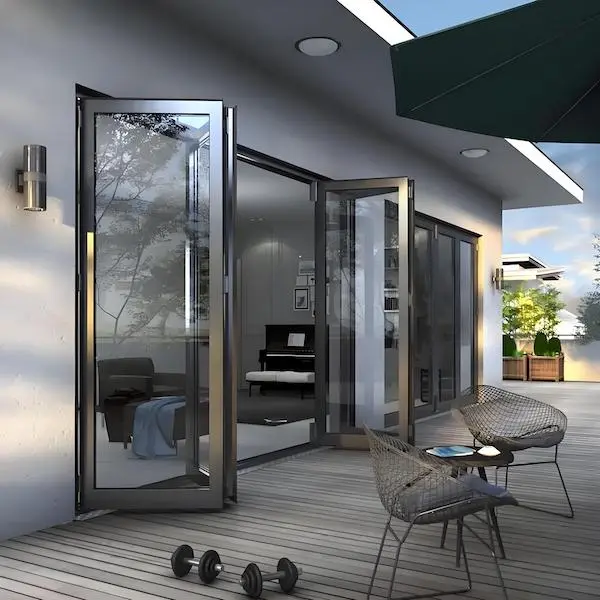
Aluminum is naturally resistant to rust, rot, and bug damage, so it will work well for many years. Unlike wood, which needs to be refinished every so often, or UPVC, which tends to fade, metal looks good and works well with little maintenance. Weight is spread out evenly by the top-hung heavy-duty track system, which keeps rollers and springs from wearing out. Multi-point locking with anti-theft features keeps things safe without adding to the look of the door's hardware.
These combined advantages position thermally broken bifold systems as solutions that satisfy both immediate project requirements and long-term ownership concerns. This makes it easier for architects to meet client standards.
Comparing Thermal Break Aluminum Bifold Doors with Other Door Types
How you choose materials affects project costs, upkeep plans, and how well the product works over its entire life. By comparing Thermal Break Aluminum Bifold Doors to other options, it becomes clear where this technology offers the most value.
Thermal Break Aluminum vs. Standard Aluminum
Non-Thermal-Break Aluminum has lower starting costs, but in most areas it doesn't meet modern energy standards. When there are no insulation barriers, U-values often go above 3.0 W/m²K, which is three times as much heat loss as when the barriers are thermally broken. This problem leads to higher operating costs, possible code violations, and uncomfortable conditions inside. When you look at how much energy a project uses over its lifetime, the small saves you see at the beginning quickly go away.
Thermal Break Aluminum vs. UPVC
With their multi-chamber profiles, UPVC bifolds keep heat in well, but they don't have the structural strength or slim sight lines of aluminum. Because the material isn't as stiff, wider frames decrease the amount of glass that can be seen. UPVC expands and contracts because of changes in temperature, which could affect its performance over time. Aluminum has a better strength-to-weight ratio than most metals, so it can have wider spans with narrower profiles. Its dimensional stability also makes sure that it works the same way at all temperatures.
Thermal Break Aluminum vs. Timber
Timber is naturally warm and has a classic look, but it needs to be sealed, painted, and checked for wet damage on a regular basis. Even treated hardwoods break down over time when left out in the elements. Thermal performance is very different depending on the species and the way it was built, which makes design difficult. These doubts are taken away by aluminum's consistency and longevity, which provides reliable performance without the need for ongoing maintenance costs.
Total cost of ownership, which includes the original price, energy savings, maintenance costs, and when to replace, always benefits Thermal Break Aluminum Bifold Doors in high-end residential and business settings where efficiency and dependability are most important.
Practical Guidance for Procurement and Installation
For a project to be successful, the specifications, suppliers, and construction must all be well thought out and done correctly. Architects and procurement teams can make better decisions if they know when to make important choices.
Technical Specification Essentials
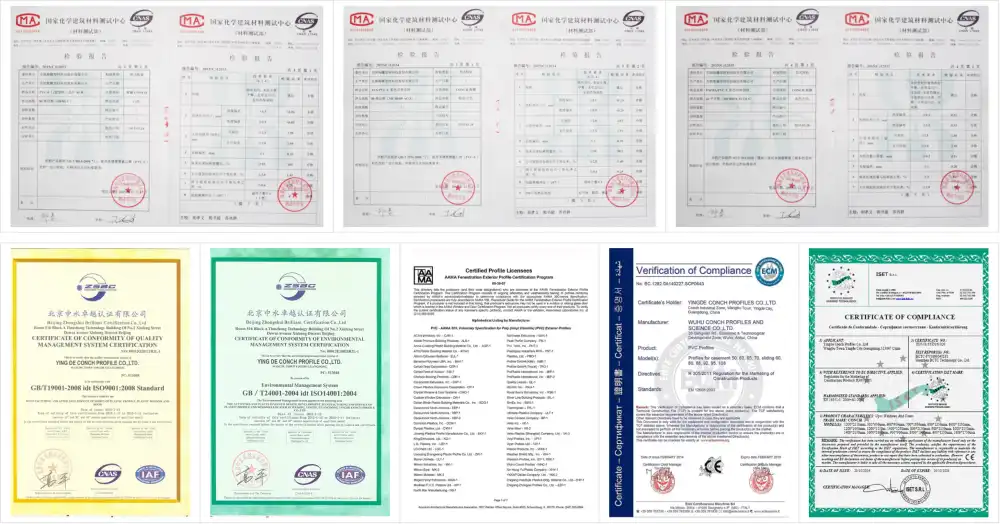
The full list of requirements includes U-value goals, panel layouts, load limits, glass types, and finish needs. Certification paperwork, like ISO, CE, and AAMA, proves that the product was tested and made to high standards. Performance claims can be backed up by asking for data on air infiltration, water penetration, and structure load tests. Ratings for wind resistance must match the type of exposure at the site, especially for high-rise or coastal installations. The multi-point locking specs cover the safety standards that apply to the type of project and its area.
Supplier Evaluation Criteria
The knowledge and production skills of the manufacturer have a direct effect on the quality of the product and the dependability of delivery. Facilities that have extrusion lines, CNC cutting machines, and automatic production systems all in one show that they can consistently produce a lot of goods. Thermal Break Aluminum Bifold Door systems, in particular, demand this level of integrated manufacturing precision to ensure thermal performance and structural integrity.
Strategic relationships for materials, like working together with well-known profile sources, make sure that high-quality raw materials are found. Because production schedules need to be coordinated with construction schedules every 25–30 days, suppliers must be reliable for projects that need to be done on time.
Installation Considerations and Tolerances
To make sure they work well and close properly, bifold systems need to be installed precisely, with limits of ±2 mm. Misalignment leads to binding, uneven gaps, and less protection from the weather. For large configurations, installing a track system requires a structural attachment that can hold the weight of all the panels put together, which can be 600 kg or more. Waterproofing solutions need to be combined with low-profile or weatherproof thresholds, especially in places where waste control stops water from getting in. Installation guidance documentation, such as video tutorials and detailed manuals, helps field teams get results that meet the requirements.
Logistics Optimization Through Knock-Down Shipping
Flat-pack or Knock-Down Shipping arrangements cut freight volumes by up to 30%, which saves a lot of money on international orders. Frames, glass, and hardware are shipped separately, and must be put together on-site according to the instructions given. This method works well for projects where logistics costs are a problem or where delivery of fully assembled units is limited by access issues. Technical support and detailed assembly instructions make sure that installations done by field teams meet performance standards.
Customization and Project-Specific Adaptations
When building a high-end home, the measurements, finishes, or glass treatments often need to be customized. These needs can be met by manufacturers who offer deep personalization without lowering quality or wait times. Technical consulting services help architects make the best use of specifications early on in the design process, so they don't have to make expensive changes during the construction documentation phases. Having access to parametric data and product models that work with BIM makes it easier to integrate into digital design processes.
Keeping the lines of communication open with suppliers during the purchasing and installation stages helps avoid common problems and makes sure that projects meet performance goals and schedule deadlines.
Conclusion
Thermal Break Aluminum Bifold Doors solve three important problems that builders face when designing high-performance buildings: meeting energy codes, keeping condensation under control, and making it easy to move from inside to outside. The technology behind thermally isolated profiles—polyamide barriers separating metal sections—achieves U-values that meet current standards while keeping the structural integrity of big panel arrangements. Slim sightlines, changeable finishes, and long-lasting building meet the needs of both aesthetic and useful needs in both home and business settings.
When you compare your options, you'll see that Thermal Break Aluminum Bifold Doors have a better lifecycle value because they require less maintenance and energy, even though it costs more at first. To be successful at procurement, you need to set clear performance standards, choose makers with a track record of doing good work, and make sure the installation is done correctly.
Performance specifications reflect typical ranges; actual values depend on product configuration and testing conditions. Consult manufacturer test reports for project-specific data.
FAQ
What lead time should architects expect for custom thermal break bifold doors?
Custom fabrication usually takes 25–30 days from the time an order is confirmed until it is ready to be shipped, as long as the specs and shop drawings are complete and accepted. Custom finishes or complicated layouts may make the process take longer. Getting suppliers involved early on in the planning process helps make sure that production schedules are in line with building goals. Some makers keep standard shapes and parts in stock, which could cut down on the time it takes to deliver non-custom projects.
How does thermal break technology affect door system costs?
Because they require more materials and are harder to make, thermally broken profiles usually add 15–25% to the base price of an aluminum bifold. Lifecycle analysis, on the other hand, pays for itself in lower energy costs, especially in climate-controlled buildings that need a lot of heating or cooling. Projects that want to get green certifications may be able to cover the fees through reward programs or higher property values that come from using less energy.
Can these systems integrate with building automation?
Modern hardware systems can work with motorized operators and smart locks, which lets building management systems or home automation platforms control the locks. Control systems that are centralized get information from sensors that track location and security state. During the early stages of planning, architects should make sure that the building is compatible with automation. This will help with power coordination and hardware selection.
Partner with a Trusted Thermal Break Aluminum Bifold Door Manufacturer
Haolv Building Materials has been making specialized doors for 19 years and works with high-end home builders and architecture firms all over the world on their folding door projects. Our thermally broken systems get verified U-values by using precision-engineered profiles that can hold 100–120 kg per panel. You can make any configuration from 2 to 8 panels, and they are completely customizable.
Our quality standards are backed up by ISO, CE, and AAMA certifications, and our multi-layer EPDM sealing has been tested and proven to block 35–45 dB of noise. We offer complete packages that include frames, 20–32mm insulated glass units, and high-quality stainless steel hardware. Our strategic relationship with CONCH ensures that the quality of our materials is always high.
Our Knock-Down Shipping method cuts down on logistics costs by a large amount, which makes buying things from other countries cheaper. Full technical support includes help with performance calculations, installation video lessons, and full assembly instructions to make sure that field teams get results that meet specifications. During the specification and procurement phases, our engineering team works together, no matter if your project needs standard configurations or solutions that are highly customized.
Find out how our Thermal Break Aluminum Bifold Door systems can make your next project better. You can email Haolv Building Materials at kristin@haolvwindows.com or go to haolvbuilding.com to see full technical specs, ask for samples, and talk to our architectural solutions team about your specific needs.
References
1. Anderson, J., & Chen, L. (2021). Thermal Performance of Contemporary Fenestration Systems. Journal of Building Physics, 45(3), 234-256.
2. British Standards Institution. (2020). Aluminum and PVC-U Windows and Doors: Material and Design Considerations. BSI Standards Publication.
3. Kaufmann, R. (2019). Energy-Efficient Building Envelopes: Materials, Performance, and Design. Architectural Press.
4. National Fenestration Rating Council. (2022). Certified Products Directory: Thermal Transmittance Standards. NFRC Technical Document 500.
5. Roberts, S., & Thompson, M. (2020). Sustainable Architecture: Materials Selection and Lifecycle Analysis. Construction Technology Review, 18(2), 112-129.
6. Wilson, P. (2021). Modern Bifold Door Systems: Engineering and Application in Residential Design. International Journal of Architectural Engineering, 7(4), 89-107.
Fast simple channel to send demands lock favorable price for building window door bulk purchases.