- English
- French
- German
- Portuguese
- Spanish
- Russian
- Japanese
- Korean
- Arabic
- Greek
- German
- Turkish
- Italian
- Danish
- Romanian
- Indonesian
- Czech
- Afrikaans
- Swedish
- Polish
- Basque
- Catalan
- Esperanto
- Hindi
- Lao
- Albanian
- Amharic
- Armenian
- Azerbaijani
- Belarusian
- Bengali
- Bosnian
- Bulgarian
- Cebuano
- Chichewa
- Corsican
- Croatian
- Dutch
- Estonian
- Filipino
- Finnish
- Frisian
- Galician
- Georgian
- Gujarati
- Haitian
- Hausa
- Hawaiian
- Hebrew
- Hmong
- Hungarian
- Icelandic
- Igbo
- Javanese
- Kannada
- Kazakh
- Khmer
- Kurdish
- Kyrgyz
- Latin
- Latvian
- Lithuanian
- Luxembou..
- Macedonian
- Malagasy
- Malay
- Malayalam
- Maltese
- Maori
- Marathi
- Mongolian
- Burmese
- Nepali
- Norwegian
- Pashto
- Persian
- Punjabi
- Serbian
- Sesotho
- Sinhala
- Slovak
- Slovenian
- Somali
- Samoan
- Scots Gaelic
- Shona
- Sindhi
- Sundanese
- Swahili
- Tajik
- Tamil
- Telugu
- Thai
- Ukrainian
- Urdu
- Uzbek
- Vietnamese
- Welsh
- Xhosa
- Yiddish
- Yoruba
- Zulu
What Certifications Do Thermal Break Aluminum Sliding Window Need?
When sourcing aluminum sliding windows with thermal breaks for commercial developments or OEM partnerships, certifications validate performance claims and ensure regulatory compliance. A properly certified thermal break aluminum sliding window must meet energy efficiency standards such as NFRC or ENERGY STAR ratings, structural safety benchmarks like AAMA or ASTM testing protocols, and environmental mandates including LEED or REACH compliance.
These credentials confirm that polyamide insulating strips, robust 6063-T5 aluminum profiles, and advanced sealing systems deliver measurable U-values, air infiltration resistance, and long-term durability—protecting your project from costly rework or specification disputes while satisfying building codes across the Middle East, Europe, Australia, and North America.
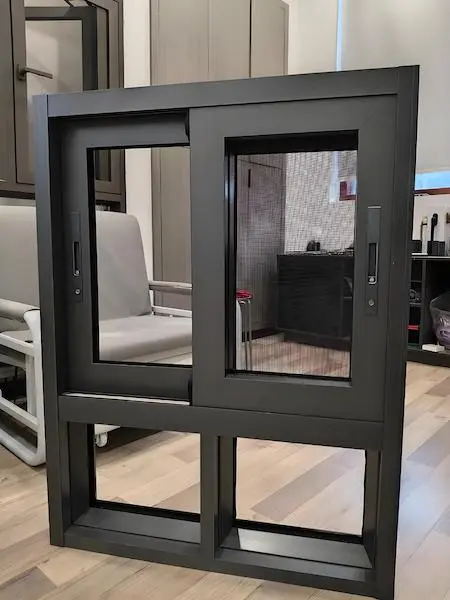
Understanding Thermal Break Aluminum Sliding Windows and Their Certification Needs
Aluminum fenestration was changed forever by thermal break technology, which took advantage of the metal's natural conductivity. In contrast to frames made of just one material, these windows have a polyamide or resin barrier with low conductivity that is usually 24 mm or bigger between the aluminum parts on the inside and outside. This thermal separation cuts heat transfer by a huge amount, bringing U-values down to 1.5 W/m²K or less and lowering HVAC loads in high-performance buildings.
The sliding mechanism is useful for more than just insulation. Horizontal operation saves space and works well in densely populated cities where swing room is limited. Precision-engineered stainless steel rollers make sure the door moves smoothly and quietly even when the sash is heavy. Large glass screens let in the most light, which is important for wellness-focused design and LEED daylighting points.
These technical claims are backed up by certifications that come from independent testing. Energy efficiency certificates show that the insulation values meet the requirements set by the designer. Standards for structural safety make sure that wall-thickness shapes with a thickness of 1.4 to 2.0 mm can withstand wind loads, impact forces, and multiple use cycles without deforming.
Environmental qualifications show that materials follow rules about dangerous substances and the concepts of the circular economy. Without the right paperwork, procurement teams run the risk of specification mismatches, failed inspections, or being sued if the Thermal Break Aluminum Sliding Windows don't work as expected.
Why Certifications Matter for B2B Procurement
There is a lot of responsibility on commercial producers and OEM names. Through third-party approvals, the performance risk is transferred from the buyer to the maker. If goods fail to meet stated standards, the buyer has legal remedy. They also make projects that involve more than one authority easier to handle. For example, a single CE mark makes it easier to sell goods in all 27 European Union member states without having to get separate licenses for each one.
Certifications speed up the prequalification process for vendors. When RFPs ask for "AAMA-certified window systems," decision makers can quickly narrow down the list of suppliers, which cuts the time it takes to evaluate by weeks. They also protect the brand's image; choosing approved parts shows project partners, like MEP experts and end-client legal teams, that you did your research.
Performance Claims vs. Verified Standards
Some marketing materials may say things like "excellent insulation" or "hurricane-resistant construction," but certifications are the only way to prove these claims. The exact U-factor, Solar Heat Gain Coefficient (SHGC), and Visible Transmittance (VT) numbers are shown on an NFRC label. This lets engineers exactly model how much energy a building uses. As part of ASTM E547 testing, real air leakage rates under controlled pressure differences are recorded, not just guesses. When performance guarantees or public procurement rules apply to a project, this neutrality can't be changed.
Key Certifications Required for Thermal Break Aluminum Sliding Windows
To find your way around the world of certifications, you need to know which badges cover which areas of success. Energy efficiency, structural integrity, and environmental sustainability are the three main categories for a Thermal Break Aluminum Sliding Window.
Energy Efficiency Certifications
NFRC (National Fenestration Rating Council): This is required in many places in North America and gives standard measurements for thermal transmittance (U-factor), solar heat gain, air leakage, and condensation resistance. Full-size window assemblies, not just material samples, are used in testing that is in line with ISO standards. NFRC labels help purchasing managers compare products fairly and make sure they follow energy standards such as IECC or California Title 24.
ENERGY STAR: The U.S. government runs the ENERGY STAR program. EPA, this voluntary program sets basic performance standards that change based on climate zone. For example, windows in cold northern areas need lower U-factors than windows in hot southern states. ENERGY STAR certification means that a product meets or exceeds government efficiency standards. This means that the project can get energy rebates and tax breaks that increase its return on investment (ROI).
Passive House Institute (PHI): For ultra-low-energy buildings to be certified by the Passive House Institute (PHI), U-values must be less than 0.8 W/m²K and airtightness must be better than 0.6 ACH50. To make this possible, the manufacturing process needs to be very precise, with tight tolerances needed for polyamide strip bonding, triple-pane glass setups, and continuous exterior seals. PHI credentials set luxury product lines that aim for net-zero developments apart, even though they are tougher than most standards.
Structural Safety and Durability Standards
AAMA (American Architectural Manufacturers Association): The American Architectural Manufacturers Association (AAMA) sets the standards for performance grades (CW, AW, or R ratings), which test things like how much weight something can hold, how well it stops water and air from getting in, and how well it stops forced entry. AAMA Gold Label confirms that the product has been tested by a third-party lab and is subject to regular quality checks. This lets buyers know that the production quality is the same as the approved samples. When order numbers hit 500 units or more per project, this is important because variation from batch to batch can throw off installation schedules.
ASTM International Standards: ASTM E283 checks for air leakage, E331 checks for water resistance in wind-driven rain, and E330 checks how well a structure works under steady static loads. These rules are based on real-life stresses. For example, coastal high-rises need wind ratings of at least ASTM E330 Class B3, and warm areas need E331 water penetration resistance ratings of at least 300 Pa. When manufacturers give ASTM test results, they show that they are serious about engineering, not just following the rules.
CE Marking (Europe): All building products sold in the EU must have this mark, which shows that they meet harmonized standards such as EN 14351-1 (windows and doors). The mechanical strength, weathertightness, thermal properties, and acoustic insulation are all tested. For the mark to be valid, a Declaration of Performance (DoP) paper must be checked by procurement teams. Fake CE logos are still a risk in global supply lines.
Environmental and Sustainability Credentials
LEED Compliance: For LEED Compliance: Leadership in Energy and Environmental Design points, products with low emissions, recycled content, and materials sourced locally are rewarded. For LEED v4 Material & Resources points, aluminum frames made with 30% or more post-consumer recycled material and low-VOC coatings sprayed at the plant are useful. Giving Environmental Product Declarations (EPDs) that measure carbon footprints over the course of a product's lifecycle is another way to support green building certification.
REACH and RoHS: European rules limit the use of dangerous materials in goods, like lead, cadmium, and some phthalates. Proof that polyamide strips, seals, and powder coats meet chemical safety standards can be found in REACH compliance documents. Not following the rules can lead to seizures by customs or legal penalties, so checking is very important for shipments going to the EU.
Green Building Certifications: Besides LEED, programs like BREEAM (UK), Green Star (Australia), and Estidama (UAE) have rules that are special to each area. Suppliers to these markets have to keep a stock of goods that are legal, which often means testing the products in different areas to make sure they meet the standards that are specific to each area.
Comparing Certifications: Thermal Break Aluminum Sliding Windows vs. Other Window Types
Which certifications apply and how easy it is for products to meet performance standards depend on the materials they are made of. Buying teams can weigh the pros and cons of aluminum, uPVC, and fiberglass systems better when they know these differences.
Aluminum vs. uPVC Certification Differences
Because aluminum is strong, it can have smaller curves and bigger glass areas, but because it conducts heat well, it needs good thermal breaks to match the insulation that comes with uPVC. A Thermal Break Aluminum Sliding Window with a U-factor of 0.30 needs polyamide strips and a thermally optimized frame shape. On the other hand, multi-chamber hollow profiles in uPVC naturally reach the same values. Because aluminum systems need more thermal bridge testing, they cost more to certify. This means that each unit costs 8–12% more than uPVC equivalents.
Aluminum is preferred for structural certifications because the 6063-T5 alloy keeps its shape under load, which is important for high-rise buildings with more than 15 stories where wind pressures reach 2,400 Pa or more. To get the same grades, uPVC frames need steel support, which makes them heavier and more difficult to install. AAMA AW ratings (commercial/architectural grade) are common for aluminum, but not so common for uPVC, which is usually made to meet R-class requirements for homes.
Certification Costs and Project Timelines
Depending on the scope, the costs of the first certification range from $15,000 to $50,000. These costs include lab fees, making a prototype, and third-party audits. Every year, surveillance checks cost an extra $3,000 to $8,000 per location. Manufacturers with a history of certifications can spread these costs across all of their products, but when they first come out on the market, newly certified products may have higher prices.
When special configurations need testing that is specific to the project, lead times get longer. Standard approved profiles ship in 25 to 30 days, but projects can be 8 to 12 weeks behind schedule if they need NFRC approval for custom thermal break designs. Procurement strategies should weigh the benefits of customization against the need to meet tight deadlines. For example, pre-certified systems could be used for quick builds, while design-critical applications should only use custom solutions.
Long-Term ROI Considerations
Certified windows cost more up front, but they save money over time. Lower U-values reduce the amount of energy used by HVAC systems in business buildings by 15–25% per year. This saves enough money over time to pay for the initial fees within 5–7 years. Durability certifications, like AAMA's 50,000-cycle operation testing, tell building managers how often to do upkeep, which helps them make budgets. Products that do not have certifications may need to be replaced too soon, which will wipe out any savings made in the beginning because they will not last as long.
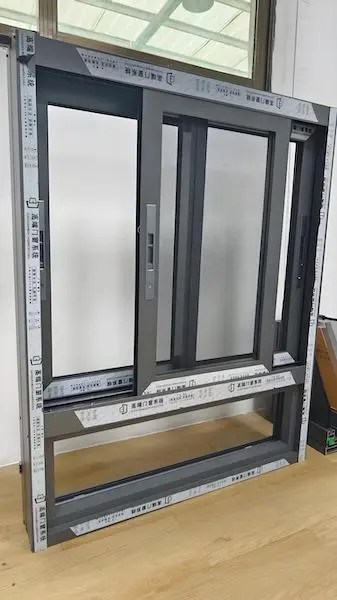
How to Verify and Choose Certified Thermal Break Aluminum Sliding Window Suppliers
Selecting a supplier involves more than just looking at certification claims. It also involves making sure that the paperwork is real and judging the supplier's working skills for producing a Thermal Break Aluminum Sliding Window.
Validating Certification Authenticity
Ask for full test records, not just copies of certificates. NFRC labels have unique Product Certification Numbers (CPNs) that can be checked in web systems. In order to be valid, CE Declarations of Performance need to include notified body numbers and a link to harmonized standard clauses. Compare these details to the public records of the organizations that issued the credentials. This five-minute check will protect you from fake credentials.
Check the test dates and descriptions of the specimens. Certifications from more than three years ago might not reflect how things are made now, especially if the company that made them changed the materials they use or the way they put things together. The test samples should be the same as the real products. For example, an approval for a fixed window doesn't instantly apply to moving models that use different hardware and gasket profiles.
Evaluating Supplier Quality Systems
ISO 9001 certification proves that quality management methods have been written down, but site checks show how well they have been put into place. Check proof that incoming materials have been inspected, such as polyamide strip tensile strength testing, aluminum alloy composition verification, and powder coating adhesion checks. When manufacturers work with top sources like CONCH (aluminum profiles) or Ensinger (thermal breaks), they show that their supply chain is stable, which lowers the risk of batch inconsistency.
Audits of production capacity are important for big projects. A factory that says it can make 500 units a month should have automatic extrusion lines, CNC manufacturing centers, and climate-controlled assembly areas. Problems with powder coating ovens or glass tempering furnaces can cause whole job lots to be late, and if delivery dates are missed, there are penalties that have to be paid.
Project-Specific Certification Requirements
Change the approval ranges to fit the needs of the project. For coastal projects, ASTM B117 salt spray testing (for at least 1,000 hours) and marine-grade anodizing or special powder coats are needed. Areas with a lot of earthquakes need to be tested for AAMA 910 storm impacts or get permission from Dade County. In cold places, condensation resistance factors (CRF) must be higher than 50 to keep inside moisture damage from happening.
Different areas have different rules. For example, projects in Australia may need to follow AS 2047 standards, while projects in the Middle East may need to follow GORD guidelines for hot regions. To avoid delays in the middle of a project, hire sources who have experience working with people from multiple jurisdictions and who keep up-to-date licensing portfolios that cover target markets.
Maintenance, Warranty, and After-Sales Support of Certified Thermal Break Aluminum Sliding Windows
Certifications affect the terms of warranties and long-term upkeep plans for performance, which protects purchase investments over the decades-long lifecycles of buildings. A Thermal Break Aluminum Sliding Window requires specific care to maintain its certified performance.
Warranty Coverage Linked to Certifications
The warranties on certified goods are usually longer. The hardware warranty lasts for 10 years, the metal finish warranty for 15 years, and the thermal break integrity warranty for 25 years. These guarantees show that the maker trusts the tried durability. Alternatives that aren't certified rarely offer comparable terms, leaving buyers with the cost of replacement if they break down too soon.
The warranty can only be enforced if the installation and upkeep are done correctly. Most manufacturers need licensed contractors and maintenance logs to keep track of regular inspections. If you don't clean the tracks every six months or let debris build up in the drainage holes, you could lose your coverage. That's why clear service procedures are important from the time the job is handed over.
Preventive Maintenance Best Practices
Routine care keeps performance at the level required for approval. Tracks made of stainless steel or aluminum should be cleaned every three months to keep grit from building up and speeding up roller wear. Every year, use dry silicone spray to grease tandem roller parts. Oils based on petroleum attract dust, which can cause them to get jammed. Check EPDM gaskets and brush pile seals for UV damage or compression set; repair any damaged parts right away to keep the weather out.
Coastal installations should be rinsed once a month to get rid of the salt residue that eats away at powder-coated finishes, even though they are compliant with ISO 9227. After a sandstorm, you should check the drainage weep holes in a desert because small particles can block the ports and trap water behind the frames. Keeping records of these activities helps with guarantee claims and keeps the value of assets high.
After-Sales Technical Support
Suppliers you can trust will give you installation training videos, shop drawings with measurements, and technical parameter sheets that explain the acceptable tolerances and how to fix the product. Having access to engineering staff who know English speeds up problem-solving, which is very important for projects that cover various time zones. Some manufacturers allow video chats from afar during the installation process, which lowers the cost of on-site supervision.
The supply of spare parts should be looked into. Hardware parts like rollers, locks, and handles should be kept in stock for at least 15 years after they are bought to help with long-term building management. When combined with clear assembly instructions and field-tested gaskets before installation, suppliers that offer knockdown shipping options (frames and glass packed separately) can cut freight costs by 30% or more. This improves the project's economics without lowering the quality.
Disclaimer: Specific performance metrics depend on individual product testing reports, glass specifications, and installation quality. Always consult certified technical documentation and conduct site-specific evaluations before finalizing procurement decisions.
Conclusion
In today's business world, certifications for Thermal Break Aluminum Sliding Windows are standards that can't be lowered. They prove energy efficiency with ENERGY STAR or NFRC certifications, make sure structures are safe with AAMA and ASTM tests, and show they care about the environment with LEED and REACH compliance. Knowing the differences in approval between aluminum and other materials helps you make smart buying choices that balance costs up front with long-term value.
Risks are kept to a minimum in multimillion-dollar projects by carefully checking suppliers by verifying test records, inspecting quality systems, and making sure that licenses are relevant to the project. As building codes get stricter and rules about sustainability grow, it's important to work with certified manufacturers who can meet global standards, meet tight delivery deadlines, and offer full technical support.
FAQ
Are the standards for getting certified the same in every country?
Certification requirements are very different from one area to another. In North America, projects that meet NFRC and AAMA standards are given priority. In Europe, projects must have CE marking in line with EN standards, and in Australia, projects must meet AS 2047 standards. Specs in the Middle East often combine international rules like ASTM with local changes, like GORD guidelines for harsh climates. So that suppliers can provide the right paperwork and avoid costly retesting or shipping delays, procurement teams need to be clear about which markets they want to target early on.
Do certifications make products more expensive or take longer to make?
Because of the costs of testing and quality control, certified products usually cost 5–15% more than similar products that aren't certified. Standard approved profiles usually ship in 25 to 30 days, but custom setups that need new testing can add 8 to 12 weeks to the time it takes to ship. This extra cost is worth it because it lowers energy costs, extends warranties, and makes sure that regulations are followed. These are all very important in business projects where poor performance can lead to lawsuits or penalties.
Can windows that aren't approved work well enough?
Some non-certified goods might work in low-stakes situations, but they don't have any independent checks or legal rights. Non-certified devices are usually not allowed in projects that have to follow building codes, green certifications, or state procurement rules. Even when the law allows it, not having a third party test the product makes it harder to maintain warranties and makes the company more responsible if there are performance issues.
Partner with a Trusted Thermal Break Aluminum Sliding Window Manufacturer
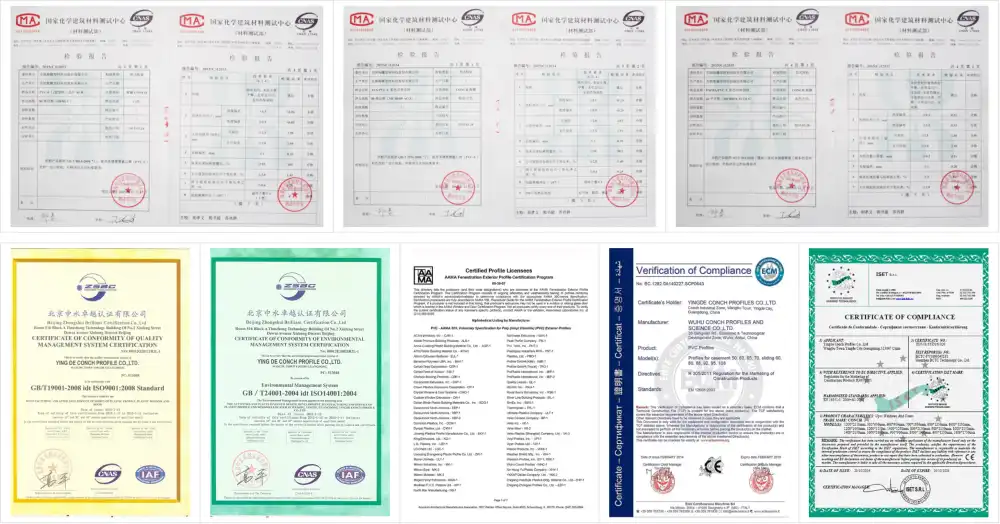
When it comes to commercial projects and OEM partnerships around the world, Haolv Building Materials offers certified solutions. With 19 years of experience making windows, we make sure that every one meets ISO, CE, and AAMA standards. We do this through strict quality control and strategic partnerships with top suppliers like CONCH. Automated extrusion lines and CNC precise cutting are used in production sites to make sure that output is consistent from prototypes to full-scale orders.
We make foreign buying easier by offering full technical support, including thorough parameter sheets, installation videos, and engineering consultations in multiple languages that answer questions quickly and across time zones. Logistics costs are cut by about 30% with knockdown shipping options, but the accuracy of the assembly is maintained by using factory-tested parts. Frame colors, hardware finishes, track configurations, and the addition of an insect screen can all be customized, and all of this can be done within 25–30 days to keep project schedules on track.
Contact kristin@haolvwindows.com to discuss your next development's requirements. Request certified product samples, technical documentation, or tailored quotations from a reliable Thermal Break Aluminum Sliding Window provider committed to safety, efficiency, and the success of long-term partnerships. Visit haolvbuilding.com to explore our complete product range.
References
1. American Architectural Manufacturers Association. Fenestration Performance Standards and Testing Protocols. AAMA Publication Series, 2021.
2. National Fenestration Rating Council. Certified Products Directory: Energy Performance Ratings for Windows and Doors. NFRC Technical Documents, 2022.
3. European Committee for Standardization. Windows and Doors: Product Standard, Performance Characteristics – Part 1: Windows and External Pedestrian Doorsets. EN 14351-1:2006+A2:2016.
4. U.S. Green Building Council. LEED v4.1 Building Design and Construction Guide. USGBC Reference Materials, 2020.
5. ASTM International. Standard Test Methods for Structural Performance of Exterior Windows, Doors, Skylights and Curtain Walls. ASTM E330/E330M-14, 2019.
6. Passive House Institute. Criteria for Energy Efficient Components: Transparent Building Components. PHI Component Certification Guidelines, 2021.
Fast simple channel to send demands lock favorable price for building window door bulk purchases.