- English
- French
- German
- Portuguese
- Spanish
- Russian
- Japanese
- Korean
- Arabic
- Greek
- German
- Turkish
- Italian
- Danish
- Romanian
- Indonesian
- Czech
- Afrikaans
- Swedish
- Polish
- Basque
- Catalan
- Esperanto
- Hindi
- Lao
- Albanian
- Amharic
- Armenian
- Azerbaijani
- Belarusian
- Bengali
- Bosnian
- Bulgarian
- Cebuano
- Chichewa
- Corsican
- Croatian
- Dutch
- Estonian
- Filipino
- Finnish
- Frisian
- Galician
- Georgian
- Gujarati
- Haitian
- Hausa
- Hawaiian
- Hebrew
- Hmong
- Hungarian
- Icelandic
- Igbo
- Javanese
- Kannada
- Kazakh
- Khmer
- Kurdish
- Kyrgyz
- Latin
- Latvian
- Lithuanian
- Luxembou..
- Macedonian
- Malagasy
- Malay
- Malayalam
- Maltese
- Maori
- Marathi
- Mongolian
- Burmese
- Nepali
- Norwegian
- Pashto
- Persian
- Punjabi
- Serbian
- Sesotho
- Sinhala
- Slovak
- Slovenian
- Somali
- Samoan
- Scots Gaelic
- Shona
- Sindhi
- Sundanese
- Swahili
- Tajik
- Tamil
- Telugu
- Thai
- Ukrainian
- Urdu
- Uzbek
- Vietnamese
- Welsh
- Xhosa
- Yiddish
- Yoruba
- Zulu
How Long Does a UPVC Bow Window Installation Take?
When you're managing a renovation project with multiple moving parts, understanding exactly how long a UPVC Bow Window installation will take can make the difference between meeting deadlines and facing costly delays. Based on our experience working with contractors and building material distributors across North America and the UK, the typical timeline from order confirmation to complete installation ranges from 6 to 10 weeks.
This includes manufacturing (25-30 days), international shipping (7-14 days), and on-site installation (1-3 days depending on complexity). The curved design of bow windows requires careful coordination between factory assembly, transportation logistics, and skilled installation teams to ensure proper sealing and structural integrity.
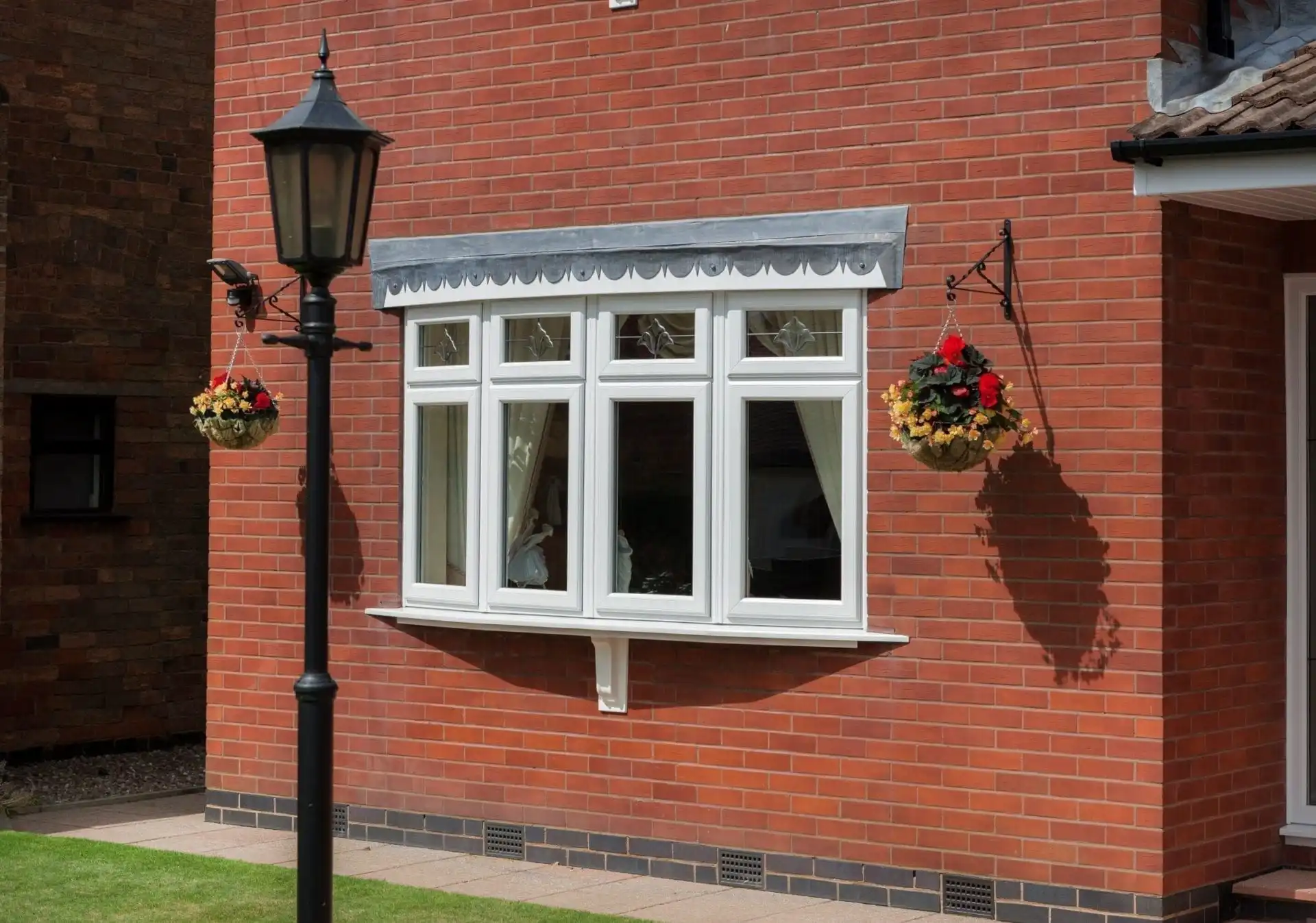
Introduction
UPVC Bow Windows have become a signature feature of both American and British home architecture. They are especially popular for renovations where people want to add character and natural light. These beautiful, curved window systems are usually made up of four to five panels grouped in a gentle arc. They give you more space inside and better views than regular flat windows.
For people who sell building materials and do renovations, figuring out the time frame correctly is very important. A homeowner who is remodeling their home wants to know exactly when the work will be done. If the installation of windows is delayed, it can slow down the finishing work inside, which can be frustrating and cause the budget to go over. By knowing the whole schedule—from making an order with your supplier to the final installation—you can better organize other trades, keep your clients' trust, and keep track of your cash flow.
Several interconnected factors affect the total time needed, including the difficulty of manufacturing due to custom dimensions and panel configuration, the international shipping routes and customs clearance processes, the conditions at the site that require structural changes, the skill level and availability of the installers, and even the seasonal weather patterns that affect work that needs to be done outside. We'll break down each phase in this guide so that you can confidently plan projects and spot possible problems before they become big issues.
Understanding UPVC Bow Window Installation
What Makes Bow Windows Distinct
UPVC Bow Windows are different from regular casement or sliding windows because they stick out from the building's front in a curved way. Bay windows usually have three flat panels joined together at right angles. Bow windows, on the other hand, have four or five window units grouped in a smooth curve, giving them a softer, more elegant look that goes well with traditional building styles.
The perks of the structure go beyond how it looks. The curvy shape spreads the wind load more evenly across several panels, and the extension makes a small alcove inside that's great for window seats or show areas. Technically, the multi-panel design needs exact angle estimates to be made during production to make sure that every joint lines up correctly. EPDM gasket sealing systems are used at every joint to keep it weatherproof.
Typical Installation Workflow
There is a logical order to the installation process that starts long before any work is done on the site. The first and most important step is to measure the site accurately so that you know the exact size of the hole that is already there, how much support the structure needs, and how good the siding is on the outside. Your supplier will use these measurements to make the custom parts that you need.
Manufacturing includes making each window panel, adding galvanized steel (usually 1.2mm to 2.0mm thick) to strengthen the multi-chambered UPVC profiles, putting in double or triple glazing units with Low-E coating, and either putting together the whole bow structure ahead of time or getting parts ready to be put together on-site. Usually, pre-assembly at the factory makes quality control better, but it also increases the amount of shipping and the cost of it.
Once the window gets to the job site, installation teams take out the old window, prepare and possibly reinforce the rough opening, place the bow window assembly or individual parts, attach the frame to the building using the right fasteners, seal all the joints and the head flashing to keep water out, and finish all the trim work on the inside and outside. For each phase, your installation crew and the other trades working on the project need to use different skills and work together.
Role Coordination in Large Projects
Bow window projects that go well depend on everyone being able to talk to each other clearly. The supplier is in charge of setting production schedules, making sure products are of high quality, packing them up for foreign shipping, and giving technical specs and installation instructions. Your installation team will look at the site, make any necessary changes to the structure, do the real fitting and sealing, and work with other workers to do the painting and trim carpentry.
As the project manager or procurement professional, it's your job to make sure that all of these moving parts work together. This means checking with suppliers about lead times, scheduling installation crews to work around delivery windows, giving end clients realistic timelines, and keeping backup plans in case of weather delays or other unplanned problems on the job site.
Factors Affecting UPVC Bow Window Installation Time
Project Complexity and Customization
Custom orders take longer to ship than standard UPVC Bow Window configurations with standard sizes and white finishes. When customers ask for specific arched top sections, wood grain color finishes in oak or cream tones, or panel numbers that aren't the normal 4-5 units, the manufacturing time goes up. Each customization needs its own set of tools, quality checks, and maybe even hand-finishing steps that add days to the production schedule.
The size of the window directly affects how it needs to be handled and how long it takes to place. A small bow window that's only 6 feet long can be put in faster than one that's 10 feet wide, which might need more workers and moving tools. Larger assemblies also have more problems when they are shipped; they may need to be partially disassembled to fit into the container, which means they need to be put together again on-site.
Site Conditions and Accessibility
Conditions of the building at the time of the event create important timeline variables. Many older homes have settled differently, leaving spaces that aren't square and need to be carefully shimmied and adjusted during installation. Finding rotting frame members means that fixes need to be made by a carpenter before the new window can be put in. These problems only become clear when the old window is taken out, which makes it hard to say how long the installation will take in advance.
Limits on access have a big effect on performance. Putting in a bow window on the second floor requires setting up scaffolding or renting lift equipment, which takes time and costs money. Material handling takes longer in cities with limited staging areas and tight spaces. When working on homes that are already occupied, weather protection is necessary, which means partial covering that adds to the installation time but keeps the inside from getting damaged.
Labor Availability and Skill Level
Installing a bow window takes more skill than replacing a regular window. The multiple panel layout requires knowing the right way to line up the angles, the curved shape makes installing the head flashing more difficult, and the heavy weight of the completed units requires multiple workers to work together. Contractors who have installed bow windows before can do the job a lot faster than teams who are working on their first bent window project.
Demand that changes with the seasons affects schedules in the building business. In North America and the UK, spring and summer are the busiest times for renovations. Skilled installation crews book up weeks or months in advance. When you plan works for the shoulder seasons (early spring or late fall), you can usually get faster schedule, but there are more weather risks.
Logistics Coordination
When goods are shipped internationally from factories, there are many factors that can't be controlled directly. It normally takes about 14 to 18 days for standard ocean freight to get from China to the West Coast of the US. This does not include the time it takes to get to its final destination on land. Deliveries to the East Coast or the UK may take 25 to 35 days. When problems with paperwork come up, customs clearance can take longer than thought.
The supply of containers changes based on the demand for shipping around the world. Getting container space and competitive freight rates can be hard during busy logistics times, which could push back shipment by one to two weeks past the planned date of completion of manufacturing. How reliable your supplier's arrival predictions are depends a lot on how much experience they have with export paperwork and working with freight forwarders.
Typical Installation Timeline: From Order to Completion
Manufacturing Lead Time
As soon as you confirm an order with all the necessary details, production starts according to the schedule. Standard UPVC Bow Windows with white UPVC frames, double glazing, and standard sizes usually take 25 to 30 days to finish from the time the order is confirmed. This time frame includes profile extrusion (if not using stock material), cutting frames to the right size, welding corners with precise equipment that makes sure the assemblies are square and true, installing glazing units with the right amount of edge clearance and setting blocks, checking the quality of the seals, hardware function, and dimensional accuracy, and packing for international shipping with protective wrapping and reinforced crating.
This deadline is longer because of custom requirements. For special color finishes, you need to use different amounts of profile extrusion or laminate after production. Some glass suppliers may need to be contacted in order to get triple glazing units with certain Low-E coatings. This will take more time to coordinate. Unusual sizes that aren't possible with normal tools need to be adjusted during setup. When planning custom projects, talk to your supplier early on about realistic lead times instead of assuming that standard timelines will work.
The multi-chambered UPVC profile construction (3 to 5 chambers with frame wall thickness from 2.0mm to 2.8mm) and built-in steel support system make the structure stable, which is important for bow window uses. This design makes sure that the curved unit keeps its shape while it's being shipped and while it's being used. This keeps the window from sagging, which can happen with wide-span windows that aren't properly strengthened.
International Logistics and Delivery
Shipping times depend a lot on where the goods are coming from and where they are going. For bow windows, ocean freight is the most cost-effective option, but it takes longer to get there than air freight, which is usually too expensive for such big, heavy things. Shipping choices are affected by the type of packaging used. Fully completed bow windows take up a lot of room in containers, while shipping parts saves space and makes packing easier, but the installation site is responsible for putting them together.
A full shipping schedule includes transporting goods from the factory to the port of origin (1-3 days), handling and loading containers at the port (2-4 days), shipping them across the ocean (14–35 days depending on route), clearing customs at the destination port (1–5 days, or longer if inspections happen), and transporting them to the job site or your warehouse (1-4 days). Uncertainty comes from things like bad weather, crowded ports, and problems with customs paperwork. To avoid this, it's best to include extra time in project plans instead of planning for the best-case scenario.
Modern freight systems have a lot better tracking features than older ones, so you can keep an eye on where containers are and get a good idea of when they will arrive. Staying in touch with your supplier's logistics coordinator will help you deal with any problems quickly if delays happen.
On-Site Installation Duration
Installation time varies a lot on how the parts are put together and how much work needs to be done to get them ready. A simple replacement in a structurally sound opening where a bow window used to be could be done by an experienced two-person crew in one full workday. This is based on the idea that the new unit comes already put together, the rough hole needs only minor adjustments, and the weather is nice.
Putting together parts on-site takes more time. When bow windows are shipped as separate panels with hardware for joining them together, it takes extra time for installation teams to put them together in the right way, making sure the angles between the panels are correct, installing and adjusting the joining mullions, making sure all the sealing surfaces line up correctly, and checking the structure's stability before securing it completely. This method usually adds one full day to the schedule for installation, but it cuts shipping costs by a lot, especially for foreign jobs where container space is a big cost.
Quality Assurance and Final Inspection
Professional installation includes testing all sash panels that can be opened and closed, making sure that multi-point locking systems work properly, checking the continuity of the sealant, and checking the interior and exterior trim. The right way to install the product is just as important for its thermal performance and soundproofing (30–45 dB with proper installation).
Giving customers care tips makes windows last longer and cuts down on service calls in the future. UPVC Bow Windows don't need much maintenance. The glass and frames should be cleaned and oiled every so often, and the weatherstripping should be checked for damage. The fact that UPVC doesn't corrode makes these windows perfect for coastal areas where salt air would damage metal or wood options.
Disclaimer: Specific product testing records and certificates should be used to confirm actual performance qualities, such as thermal values, sound reduction ratings, and structural ratings. The listed specs are typical ranges for high-quality UPVC Bow Windows, but they may be different depending on the configuration and glazing options chosen.
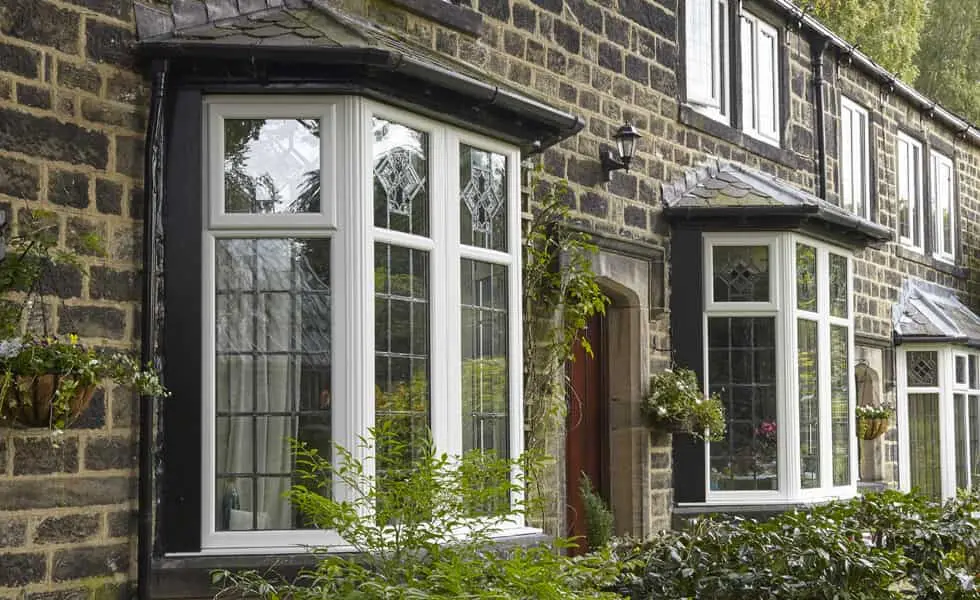
Comparison of Installation Time: UPVC Bow Window vs Other Window Types
Wooden Bow Windows
Traditional wooden bow windows look warm and inviting, which is appealing to people who want their homes to have real period character. Because of the way the material is made, installation is more difficult than with UPVC Bow Window systems. Wood needs to be carefully moved and installed so that it doesn't get damaged. Adding custom finishing or painting to the job adds days to the schedule after installation, and putting it together often requires more precise building skills to make sure it fits right. Skilled trim builders might need two to three days to install a wooden bow window, but only one to two days to install UPVC parts.
Maintenance requirements over time also differ substantially. While wooden frames develop an attractive patina, they demand regular painting or staining, inspection for rot in water-exposed areas, and eventual repair or replacement of deteriorated sections. UPVC maintains its appearance and structural integrity throughout its service life without periodic refinishing.
Aluminum Bow Windows
Aluminum is stronger than UPVC, which lets frame shapes be smaller. This could mean that glass areas are a little bigger than with UPVC designs. Because it is lighter, it is easier to handle during installation, which could cut the time needed by a few hours compared to UPVC. But aluminum's higher thermal conductivity makes it harder to use energy efficiently unless the frames have thermal breaks, which makes making more difficult and costs more.
Precision during installation becomes more critical with aluminum frames. The material's rigidity means it accommodates less adjustment for out-of-square openings compared to the slight flexibility of UPVC frames. Installers may spend additional time shimming and adjusting to achieve proper fit, partially offsetting the handling time savings.
Casement and Sliding Windows
Bow-shaped windows take a lot longer to install than standard flat casement or sliding windows. A skilled contractor can change a simple casement window in one to two hours, but it can take a whole day or more to change a bow window. Because flat windows are structurally simple, they don't need angle calculations or multi-panel planning like curved systems do.
Bay windows fall between standard flat windows and bow windows in installation complexity. The typical three-panel bay uses flat windows joined at angles, simplifying manufacturing and installation compared to the continuous curve of bow windows. A skilled crew can usually install a bay window in four to six hours, making them a faster alternative when the style of the building allows it.
Conclusion
Understanding the complete timeline for UPVC Bow Window projects, from the first order to the final installation, helps project managers do their jobs better, communicate with clients more clearly, and make more money for remodeling contractors and building material sellers. The usual 6–10 week timeframe is made up of manufacturing (25–30 days), international shipping (7–14 days), and installation (1-3 days), but these times can change depending on a lot of factors. Actual length depends on how complicated the project is, how much customization is needed, the site conditions, the shipping method, and the experience of the worker.
Making smart choices about standardization when it makes sense, sending parts to cut down on handling costs, involving suppliers early on, and getting the site ready properly all help meet deadlines while keeping quality standards high. Bow windows' curved beauty continues to appeal to homeowners in North America and the UK who are remodeling traditional-style homes. This makes these projects a valuable service offering when handled with reasonable timeline expectations and careful attention to coordination details.
FAQ
How long does the complete process take from ordering to installation?
The whole process usually takes between 6 and 10 weeks. After the order is confirmed, it takes 25 to 30 days to manufacture, 7 to 14 days for foreign shipping (longer for East Coast US or UK destinations), and 1 to 3 days for on-site installation, based on how complicated it is and if any structural changes need to be made.
What happens if installation takes longer than estimated?
Longer assembly times mostly affect the cost of workers and the schedule of the project. Since most window suppliers charge different prices for products and installation services, delays in production usually don't make material costs go up. Longer installation times, on the other hand, mean higher labor costs and maybe schedule problems with other trades. The most common reason for longer schedules is delays caused by bad weather. Adding extra time to your project plan, especially for work that needs to be done outside when the weather is uncertain, helps you keep your clients' expectations in check and stops delays from spreading to other parts of the project.
Do UPVC bow windows require special maintenance after installation?
When compared to wood or metal options, UPVC Bow Windows require less upkeep. Cleaning the glass and frames on a regular basis keeps them looking good, lubricating the hardware every once in a while makes sure that the movable panels work smoothly, and checking the weatherstripping condition once a year can help you find any seals that need to be replaced. The material doesn't rot, rust, or break down in UV light, so frames keep their shape and appearance for a long time without needing to be painted or refinished. This lowers the long-term costs of ownership by a large amount.
Partner with Haolv Building Materials for Reliable UPVC Bow Window Supply
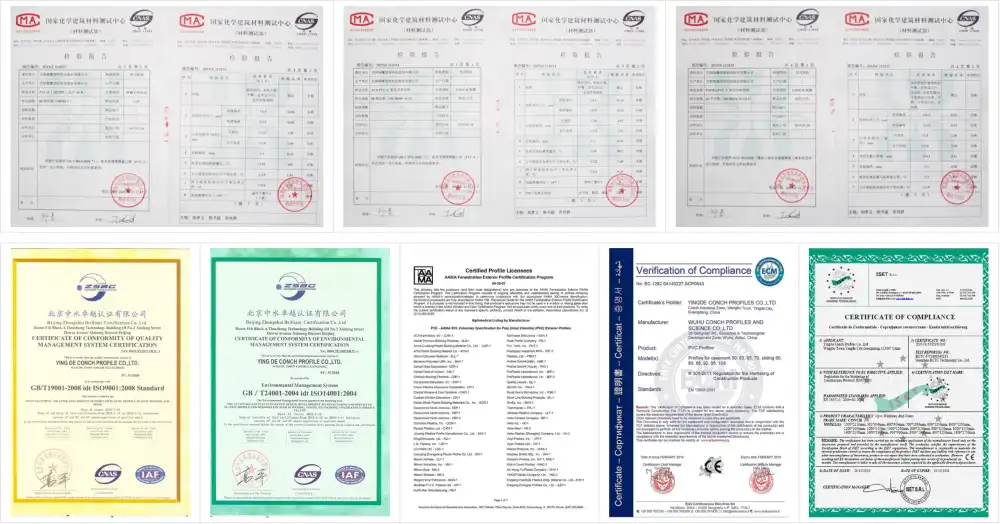
Navigating the complexities of international window procurement requires a supplier who understands both product quality and the practical realities of renovation project timelines. Haolv Building Materials brings 19 years of manufacturing expertise specifically to UPVC Bow Window production, holding ISO, CE, and AAMA certifications that verify our commitment to international quality standards.
Our bow window systems feature multi-chambered profiles (3-5 chambers) with frame wall thickness from 2.0mm to 2.8mm, reinforced with 1.2mm to 2.0mm galvanized steel for superior wind load resistance and structural stability. The thermal performance reaches U-values as low as 1.6 W/m²K when configured with Low-E glazing, while acoustic properties deliver 30-45 dB sound reduction—specifications that satisfy demanding residential renovation requirements across North America and European markets.
We understand the economic pressures facing building material distributors and renovation contractors. That's why we offer flexible assembly options including factory pre-assembly for fast installation and component shipping that reduces international freight costs by 30% or more. Our technical support package includes detailed specification sheets, installation video demonstrations, and step-by-step assembly manuals to ensure your installation crews work efficiently even when assembling multi-panel configurations on site.
Contact our team at kristin@haolvwindows.com to discuss your specific project requirements. As an experienced UPVC bow window manufacturer, we can provide technical consultation on optimal configurations, customization options, and logistics strategies that balance your timeline and budget priorities.
References
1. Anderson, M. & Roberts, J. (2021). Residential Window Installation: Technical Standards and Best Practices. Building Trades Publishing, pp. 156-178.
2. British Standards Institution (2019). BS 6375-1:2015: Performance of Windows and Doors - Part 1: Classification for Weathertightness and Guidance on Selection and Specification. BSI Standards Publication.
3. National Fenestration Rating Council (2022). NFRC Technical Document 100-2022: Procedure for Determining Fenestration Product U-factors. NFRC Technical Committee.
4. Patterson, R. (2020). "Logistics Optimization in International Building Material Supply Chains." Journal of Construction Procurement, Vol. 26, No. 3, pp. 89-107.
5. Thompson, K. & Williams, L. (2023). UPVC Window Systems: Engineering, Manufacturing and Installation. Construction Technology Press, pp. 234-267.
6. Window & Door Manufacturers Association (2021). WDMA I.S.2-14: Industry Standard for Thermal Transmittance Values of Fenestration Systems. WDMA Standards Publication.
Fast simple channel to send demands lock favorable price for building window door bulk purchases.