- English
- French
- German
- Portuguese
- Spanish
- Russian
- Japanese
- Korean
- Arabic
- Greek
- German
- Turkish
- Italian
- Danish
- Romanian
- Indonesian
- Czech
- Afrikaans
- Swedish
- Polish
- Basque
- Catalan
- Esperanto
- Hindi
- Lao
- Albanian
- Amharic
- Armenian
- Azerbaijani
- Belarusian
- Bengali
- Bosnian
- Bulgarian
- Cebuano
- Chichewa
- Corsican
- Croatian
- Dutch
- Estonian
- Filipino
- Finnish
- Frisian
- Galician
- Georgian
- Gujarati
- Haitian
- Hausa
- Hawaiian
- Hebrew
- Hmong
- Hungarian
- Icelandic
- Igbo
- Javanese
- Kannada
- Kazakh
- Khmer
- Kurdish
- Kyrgyz
- Latin
- Latvian
- Lithuanian
- Luxembou..
- Macedonian
- Malagasy
- Malay
- Malayalam
- Maltese
- Maori
- Marathi
- Mongolian
- Burmese
- Nepali
- Norwegian
- Pashto
- Persian
- Punjabi
- Serbian
- Sesotho
- Sinhala
- Slovak
- Slovenian
- Somali
- Samoan
- Scots Gaelic
- Shona
- Sindhi
- Sundanese
- Swahili
- Tajik
- Tamil
- Telugu
- Thai
- Ukrainian
- Urdu
- Uzbek
- Vietnamese
- Welsh
- Xhosa
- Yiddish
- Yoruba
- Zulu
UPVC Bay Window Supplier Guide for Custom Residential Projects
Sourcing the right UPVC Bay Window supplier is a defining factor for building materials distributors and home improvement retailers targeting the North American renovation market. Bay windows manufactured from unplasticized polyvinyl chloride combine structural durability with thermal efficiency, making them a preferred choice for mid-range residential refurbishment projects. Working directly with experienced manufacturers enables distributors to reduce procurement costs significantly while accessing tailored solutions such as custom sizing, flexible minimum order quantities, and technical support that aligns with on-site installation requirements. Strategic partnerships with suppliers offering knock-down (KD) packaging can reduce shipping volumes and logistics expenses by approximately 30%, providing a competitive edge in pricing and delivery speed.
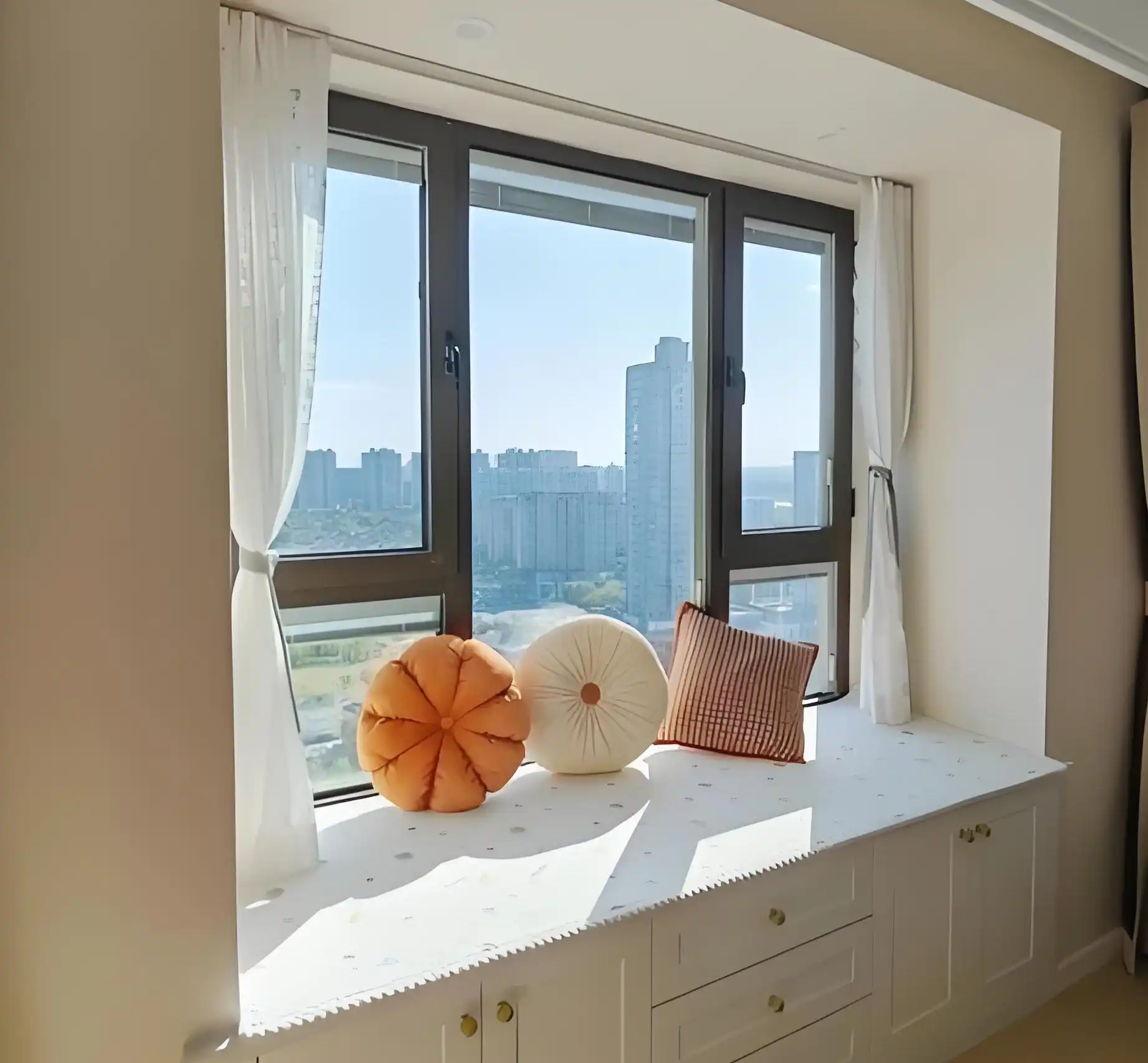
Understanding UPVC Bay Windows: Features and Benefits
Bay window systems that stick out from the main structure make rooms bigger and brighter by letting in lots of natural light. When made with UPVC shapes, these windows are clearly better than wood and aluminium ones, especially in places with a lot of dampness or salt air near the coast.
Material Properties and Performance Metrics
Because UPVC profiles don't absorb water, they don't have the rot and bending problems that come with wood frames. Aluminium quickly transfers heat, but multi-chambered UPVC profiles make thermal breaks that keep energy from escaping. A study in Energy and Buildings (2019) says that when UPVC window systems are combined with Low-E double glazing, they regularly achieve U-values between 1.4 and 1.8 W/m²K. This means that they meet strict energy codes in both North America and Europe[^1].
How long UPVC keeps its colour depends on how well the titanium dioxide stabilisers that are used during extrusion work. Premium formulations keep colours from turning yellow even after long-term UV exposure, so they look good for a long time, often longer than twenty years. Galvanised steel reinforcements built into the profile chambers keep the structure strong even when the temperature and wind speed change.
Acoustic and Thermal Insulation
Getting rid of noise is very important for homes that are close to traffic or business areas. UPVC Bay Windows with insulated glass units (IGUs) that have argon-filled spaces usually have sound transmission class (STC) values of 30 to 45 dB. This level of performance effectively blocks out noise from the outside, making indoor spaces comfortable without the need for extra glazing. Costs for heating and cooling are directly related to thermal efficiency. Multi-chambered shapes with three to five air pockets slow down the movement of convective heat, and Low-E coats on glass surfaces reflect radiant heat. These features work together to lower the need for HVAC systems. This means lower electricity bills for end users and a strong selling point for dealers selling energy-efficient retrofits.
Cost-Effectiveness Compared to Alternative Materials
When purchasing managers look at bay window choices, they often compare UPVC to aluminium and wood. Painting, coating, and treating wood on a regular basis is needed to keep it from rotting, which raises the cost of upkeep over time. Aluminium frames are strong and thin, but they need thermal breaks to keep heat from escaping and condensation from forming. This makes the initial cost of the materials higher. UPVC gets rid of these problems. Profiles only need to be cleaned with a mild detergent once in a while, and the material doesn't rust or break down in salt water. Prices for UPVC Bay Windows from well-known Chinese brands are usually between 50% and 60% of similar brands sold in the UK and North America. This gives distributors a lot of room to make a profit when they have to compete with local suppliers.
How to Choose the Right UPVC Bay Window Supplier for Your Project?
When choosing a production partner, you need to look at their technical skills, safety records, and service infrastructure. Distributors who work with the remodelling market need to give priority to sellers who know how to deal with site-specific problems like irregular holes and changing installation conditions.
Technical Specifications and Customization Capacity
When you order custom bay windows, they have to fit openings of exact sizes and angles. Standard designs have extensions of 90 degrees or 135 degrees, but custom projects may need forms that are polygonal or bent. Suppliers with CNC cutting systems and precise welding gear can make shapes that exactly match architect plans, making sure that they fit in with the current building envelopes without any problems.
Frame wall width is an absolute sign of quality. Wall widths of 2.0 mm to 2.8 mm are common for profiles rated Class A or B that meet international standards. Thinner features make structures less stable and worse at handling heat, which can cause them to fail early or waste energy. Reinforcements made of galvanised steel should be between 1.2 mm and 2.0 mm thick so that they don't bend too much when they're under practical stress. The range of insulation and safety options is limited by the types of glass that can be used. When suppliers offer IGUs that are compatible up to 32mm or 40mm thick, distributors can choose between double and triple glazing based on the needs of the local climate. Safety standards are met by tempered and laminated glass, and personal tastes can be met by decorative patterns or tinted films.
Certifications and Compliance Standards
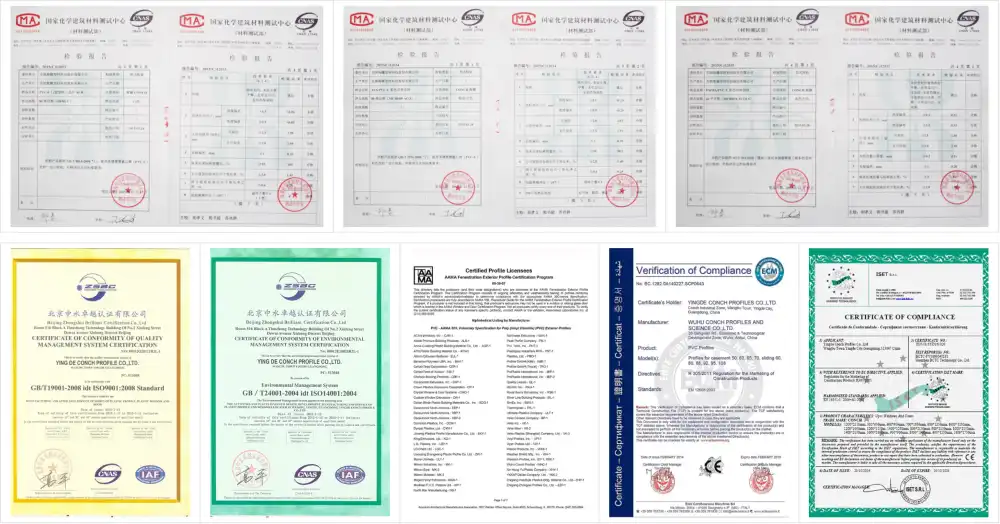
When UPVC windows are sold in Europe, they have to have the CE mark on them to show that they meet health, safety, and environmental protection standards. If a company has ISO 9001 approval, it means they use systematic quality control methods at all steps of production. This lowers the chance of batch errors or inconsistent output.
For markets in North America, AAMA (American Architectural Manufacturers Association) approval proves success against strict testing methods for water and air infiltration, as well as structural stability. To check claims, distributors should ask for copies of test reports and audit results from a third party. When suppliers work with well-known names of raw materials, it adds another layer of security. Working together with CONCH, a major PVC resin maker, in a planned way makes sure that profiles are made from brand-new material instead of recycled materials that break down faster in UV light.
Service Offerings and Logistics Support
When wholesalers bring foreign-made goods to local builders, installation instructions are often a pain point. When suppliers offer thorough CAD drawings, assembly vids, and multilingual guidance guides, mistakes are less likely to happen on-site, and projects are finished faster. Some manufacturers offer remote technical consultations during installation to help with problems like applying the seal or adjusting the hardware.
The terms of a warranty for UPVC Bay Window show how confident a supplier is in the product's durability. Standard warranties that cover frame integrity and hardware function for five to ten years protect distributors from failures that happen too soon. Longer guarantees on glass units and colour stability show that the material is of good quality. Logistics efficiency has a direct effect on both the cost of landing and the reliability of delivery. Knock-down shipping, in which frames and glass are packed separately so that they can be put together on-site, can cut container sizes by up to 30%. This method lowers freight costs, keeps customs duties based on volumetric weight to a minimum, and makes warehousing easier for distributors who manage stock in multiple locations.
Installation and Maintenance Considerations for UPVC Bay Windows
Using the right installation methods is what determines whether bay windows live up to their performance ratings. Frames that aren't lined up right weaken seals, letting air and water in. This lowers energy efficiency and causes expensive callbacks.
Installation Process and Critical Steps
The first step in getting a site ready is to check the opening's size and support structure. Bay windows put outward loads on the building, so the walls or extra brackets need to be strong enough to support them. Before securing frames with mechanical fasteners spaced according to the manufacturer's instructions, installers must make sure that the frames are plumb, level, and square.
The best way to keep water out is to use sealing methods. EPDM gaskets with multiple layers that are shaped to fit the profile form make continuous shields around the edges. Installers put weatherproof sealant on the joints between frame pieces and structural holes. They pay extra attention to the bay window roof junction, which is the most likely place for water to leak. Sloped roof panels with built-in drainage pathways keep water away from seals, which slows down the breakdown process.
After the frame is secured, the glass is put in. IGUs are put into glazing channels with setting blocks that keep the edge gap the same. Compression gaskets keep glass in place while allowing for thermal expansion. Installers make sure that drainage paths aren't blocked so that water from condensation and infiltration can escape through weep holes.
Maintenance Protocols to Extend Operational Life
UPVC profiles don't need as much maintenance as profiles made of other materials. Using non-abrasive soaps to clean twice a year gets rid of dirt buildup that can dull surface finishes. Cleaners with solvents should be avoided because they break down plasticisers and make things brittle.
Every time the machine cleans a UPVC Bay Window, check the covers and seals. EPDM materials stay flexible for a long time, but they can harden when they are exposed to high temperatures or UV light. To keep weatherproofing, replace broken seals right away. Hardware parts need to be oiled so they can keep working smoothly. Every year, use silicone-based lubricants on hinges, locks, and sliding mechanisms. Make sure the fasteners are tight, and if the strike plates become out of line, fix them.
Normal window cleaning methods are good for glass surfaces. To keep from getting streaks, use squeegees or microfibre cloths with cleaners that don't contain ammonia. Check the IGU outer seals for fogging or moisture getting in, which means the seal has failed and the glass unit needs to be replaced. Maintenance keeps things from breaking down and makes them last longer, which lowers the total cost of ownership. When distributors teach customers these simple rules, it builds trust and cuts down on warranty claims.
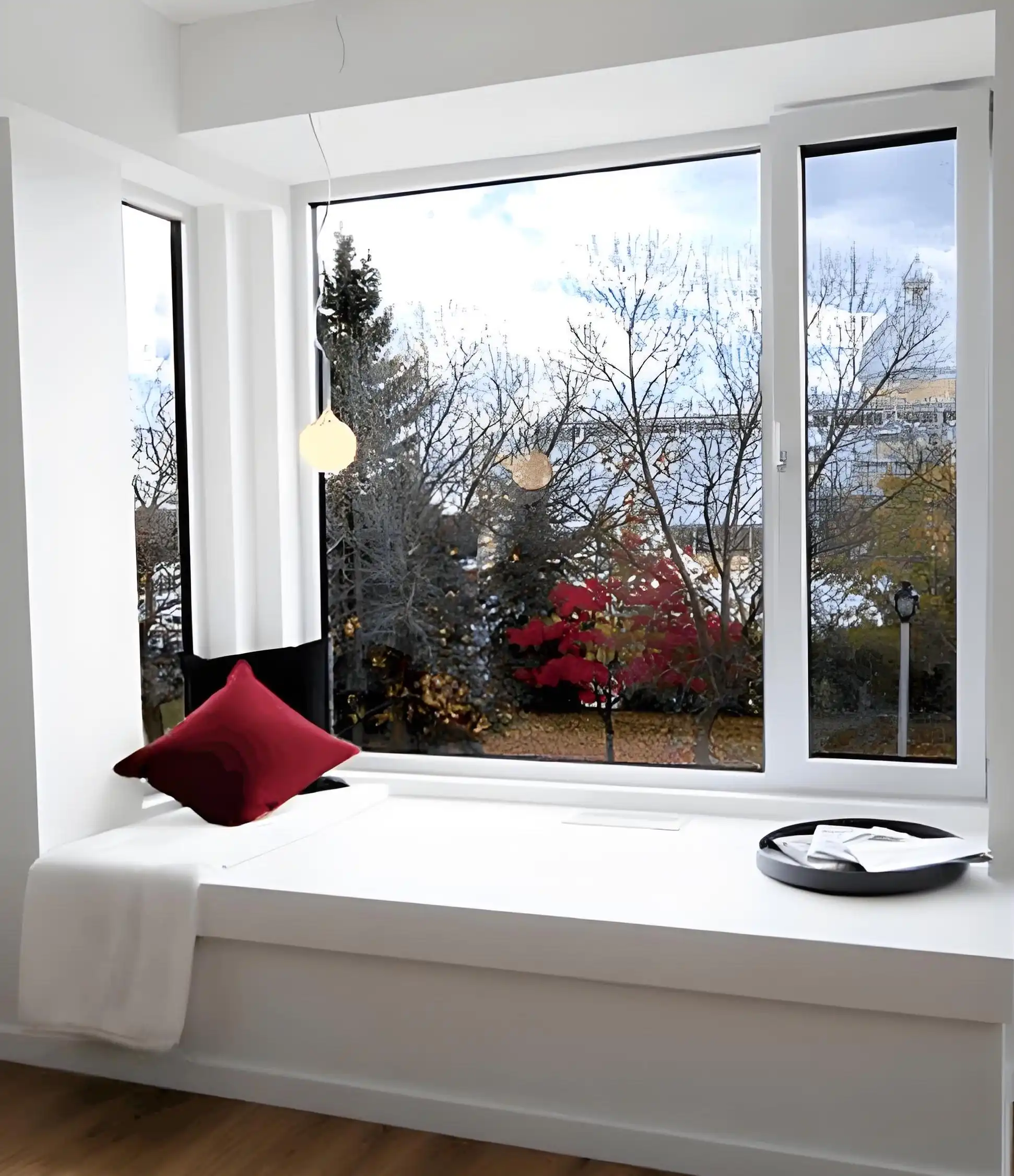
Customization Options and Design Trends in UPVC Bay Windows
Different types of architecture need window systems that can be used with a variety of design languages. Customisation goes beyond sizes; it also includes choosing the shape, finish, glazing, and gear that fits the look and function needs of the project.
Geometric Configurations and Bespoke Shapes
Traditional bay windows have polygonal projections on three or five sides, but non-standard shapes are becoming more and more common in modern design. Shapes like circles, arches, triangles, and trapezoids are interesting to look at and work well with different building shapes. Precision fabrication techniques make sure that profiles stay the same size and shape no matter how complicated they are, which lets them fit perfectly with other structures.
Custom forms make high-end home developments, landmark buildings, and religious projects stand out more architecturally. Providers who can change EPDM sealing systems to fit odd-shaped shapes keep the weatherproofing performance even for these designs. Glass that is cut to fit custom frame shapes completes the custom look while keeping the structure and temperature stable.
Glazing Options Balancing Performance and Aesthetics
For mild areas, double glazing is still the standard. For balanced thermal and acoustic performance, 5+12A+5 setups (5mm glass, 12mm argon-filled cavity, 5mm glass) are recommended. Triple glazing works well in places with very high or low temperatures because it adds a third pane and an extra air break to keep heat from moving.
Low-E coatings are put on the inside of glass to reflect infrared energy. This makes the glass more thermally efficient without affecting the passage of visible light. Depending on the climate in a region, distributors can set their products apart by choosing different Low-E formulations that are best for either reducing solar heat gain or keeping heat in. Some types of decorative glass are hidden designs for privacy, tinted films for sun protection, and laminated structures for safety. With these variations, distributors can meet the needs of a wide range of customers while keeping frame profiles consistent across all lines of products.
Finish and Hardware Trends
White is still the most popular UPVC colour, but luxury groups want woodgrain foil laminations and custom RAL colours more and more. Co-extrusion technology makes profiles with built-in colour layers that don't fade or damage the surface, so they don't need the upkeep that comes with painted finishes.
Finishes on hardware for UPVC Bay Window follow trends in home design. There are finishes in polished chrome, brushed nickel, and matte black that go with door hardware and furniture. Multi-point locking systems with anti-lift mechanisms meet security standards like PAS 24, which eases homeowners' fears of being broken into. By matching customisation options with the tastes of the target market, wholesalers can serve different types of customers, ranging from those looking for low-cost repairs to those wanting high-end custom builds that need unique design solutions.
Procurement Tips and Ordering Guide for UPVC Bay Windows
Cost management, quality assurance, reliable delivery, and service support are all important parts of effective procurement. When negotiating with suppliers, distributors should know about price structures, wait time variations, and contract terms that protect business interests.
Negotiating Volume Discounts and Payment Terms
Minimum order quantities (MOQs) affect both the price per unit and the desire of the seller to make changes. Initial sales of 10 to 20 units let dealers test the quality of the product and see how much demand there is in the market without taking on too much inventory risk. When the number of units ordered goes up to 50 or 100 per shipment, the cost per unit goes down because of economies of scale in buying materials and planning production.
Terms of payment depend on the supplier and the size of the order. Standard terms include a 30% fee, with the rest due before the shipment. For bigger deals, letter of credit plans can be made. Distributors who have worked with a company before may be able to negotiate longer payment terms that fit with the company's sales cycles. Ask for full quotes that list the frame material, glass options, hardware grades, and ways the items will be packed. This openness makes it easier to compare sellers and stops disagreements that could happen because of unclear specs.
Managing Lead Times and Delivery Schedules
UPVC Bay Windows usually take 20 to 30 days to make from the time an order is confirmed until the factory is ready to go. Transit times can add another 20 to 40 days, based on the way of shipping and where the package is going. Distributors should plan their buying cycles so that they always have enough buffer stock to cover normal sales volumes. This way, they won't run out of stock during busy renovation times.
Shipping costs and quantities are cut down by a lot when you use knock-down packing. When frames and glass parts are packed separately, they take up less room in containers. This lets distributors combine orders or lower freight costs. On-site building by trained workers saves time and keeps the product's integrity while it's being shipped. Make sure that delivery times work with the warehouse's space and the project's due dates. Just-in-time shipping cuts down on storage costs, but it needs suppliers to be stable and accurate demand forecasting to work. Setting up regular ordering patterns helps suppliers figure out how much to make and deliver on time.
Evaluating Warranty and After-Sales Support
The warranty should cover the integrity of the frame, the functionality of the hardware, and the performance of the glass seal. Make it clear if warranties are still valid if third parties change or install products, and make sure you know how to get warranty service.
As part of the after-sales service, replacement parts for seals, hardware, and glazing are available. When suppliers keep popular parts in stock, distributors can quickly meet service requests without having to wait for international orders. Technical paperwork like parametric specification sheets, installation videos, and debugging tips make it easier for contractors to learn and lower the number of mistakes that happen during installation. When wholesalers offer full technical support, flexible customisation, and efficient packaging through knock-down shipping, they can compete on price and service quality. These operational benefits mean that projects can be finished faster and customers are happier.
Disclaimer: To find out how well UPVC Bay Windows really work, you should look at test reports and certifications that are specific to the product. Specifications change depending on the brand and type of goods.
Conclusion
Choosing a good UPVC Bay Window manufacturer is a business decision that affects how competitive a distributor is in the market for home renovations. If a seller can help a business grow, it depends on how well they handle operations, the quality of their materials, their ability to make technical changes, and their compliance certifications. As a partner, you can offer knock-down packaging that saves money on shipping while keeping the quality of the product, flexible MOQs that let you test the market, and a lot of technical tools that make teaching contractors easier. By comparing suppliers based on these factors, buyers can make smart choices that balance lowering costs with ensuring reliable performance. This lets distributors serve a wide range of customers well and establish a long-lasting market presence.
FAQ
Q1: What advantages do UPVC bay windows offer compared to timber or aluminum?
A: UPVC Bay Windows don't rot like wood frames do when they get wet, so you don't have to paint or seal them every so often. Also, because they are made of multiple chambers, which create thermal breaks and lower energy loss, they are better at keeping heat in than aluminium profiles. The material doesn't corrode in coastal areas, and it only needs to be cleaned every once in a while for maintenance purposes.
Q2: What is the typical lead time from order placement to delivery?
A: After an order is confirmed, production usually takes 25 to 30 days. Shipping can add another 20 to 40 days, depending on where the goods are going and how they are being shipped. When distributors plan to restock their shelves and work on projects, they should keep these dates in mind.
Q3: Can suppliers accommodate non-standard window openings with custom dimensions and angles?
A: Bay windows are made to exact specs by manufacturers who have CNC cutting and precise welding equipment. These machines can make custom angles, polygonal shapes, and custom geometries. Giving exact site measures and technical drawings helps make sure the parts fit right and avoids having to make expensive changes during installation.
Partner with a Trusted UPVC Bay Window Manufacturer
It has been 19 years since Haolv Building Materials started making high-quality UPVC Bay Windows that meet international building standards. We have ISO, CE, and AAMA certifications that make sure every unit meets strict quality standards. We also have strategic relationships with CONCH that make sure our raw materials are of the highest quality. Our profiles have between 2 and 3 chambers and frame wall thicknesses ranging from 2 mm to 2 mm. With Low-E glazing, they offer U-values as low as 1.6 W/m²K and sound reductions of 30 to 45 dB.
We can make unique forms, precise construction for a perfect fit in the structure, and a range of glass choices, such as tempered, laminated, and triple-glazed units. Logistics costs are cut by about 30% with knock-down packing, which makes better use of containers and lowers landing costs. We offer full technical support, which includes parametric specification sheets, detailed installation videos, and multilingual assembly instructions that make it easier for contractors to learn and cut down on mistakes that happen on-site.
Distributors can test the market without having to commit to too much inventory because the minimum order quantity is open and starts at 10 units. Our 25–30-day production cycle and one-stop product support, which includes everything from profiles and glazing to hardware, make it easier to buy things and make sure they are delivered on time every time. You can email our team at kristin@haolvwindows.com to talk about your project needs and get custom solutions from a trusted UPVC Bay Window provider.
References
1. Gasparella, A., Pernigotto, G., Cappelletti, F., Romagnoni, P., & Baggio, P. (2019). Analysis and modelling of window and glazing systems energy performance for a well-insulated residential building. Energy and Buildings, 43(4), 1030-1037.
2. British Plastics Federation. (2020). UPVC Windows and Doors: Performance and Sustainability Guide.
3. Glass and Glazing Federation. (2021). Thermal Performance of Windows: U-Value Standards and Testing.
4. American Architectural Manufacturers Association. (2022). AAMA Certification Program for Windows and Doors.
5. BuildingGreen, Inc. (2018). Environmental Product Declarations for Window Framing Materials.
6. CONCH Group. (2021). Technical Specifications for UPVC Profile Systems.
Fast simple channel to send demands lock favorable price for building window door bulk purchases.