- English
- French
- German
- Portuguese
- Spanish
- Russian
- Japanese
- Korean
- Arabic
- Greek
- German
- Turkish
- Italian
- Danish
- Romanian
- Indonesian
- Czech
- Afrikaans
- Swedish
- Polish
- Basque
- Catalan
- Esperanto
- Hindi
- Lao
- Albanian
- Amharic
- Armenian
- Azerbaijani
- Belarusian
- Bengali
- Bosnian
- Bulgarian
- Cebuano
- Chichewa
- Corsican
- Croatian
- Dutch
- Estonian
- Filipino
- Finnish
- Frisian
- Galician
- Georgian
- Gujarati
- Haitian
- Hausa
- Hawaiian
- Hebrew
- Hmong
- Hungarian
- Icelandic
- Igbo
- Javanese
- Kannada
- Kazakh
- Khmer
- Kurdish
- Kyrgyz
- Latin
- Latvian
- Lithuanian
- Luxembou..
- Macedonian
- Malagasy
- Malay
- Malayalam
- Maltese
- Maori
- Marathi
- Mongolian
- Burmese
- Nepali
- Norwegian
- Pashto
- Persian
- Punjabi
- Serbian
- Sesotho
- Sinhala
- Slovak
- Slovenian
- Somali
- Samoan
- Scots Gaelic
- Shona
- Sindhi
- Sundanese
- Swahili
- Tajik
- Tamil
- Telugu
- Thai
- Ukrainian
- Urdu
- Uzbek
- Vietnamese
- Welsh
- Xhosa
- Yiddish
- Yoruba
- Zulu
How Thermal Break Aluminium Profiles Can Improve Energy Efficiency in Buildings?
Thermal Break Aluminum Profiles are a revolutionary way to improve the energy efficiency of current buildings. A polyamide barrier is built between the inside and outside aluminum parts of these special frame systems. This stops the metal from naturally conducting heat. These shapes can cut heat flow by more than half compared to regular aluminum frames. They do this by reducing thermal bridging, which is a main way that traditional aluminum window systems lose energy. This technology directly meets the growing need for environmentally friendly building while keeping the structural benefits that make aluminum a popular choice for both business and domestic projects around the world.
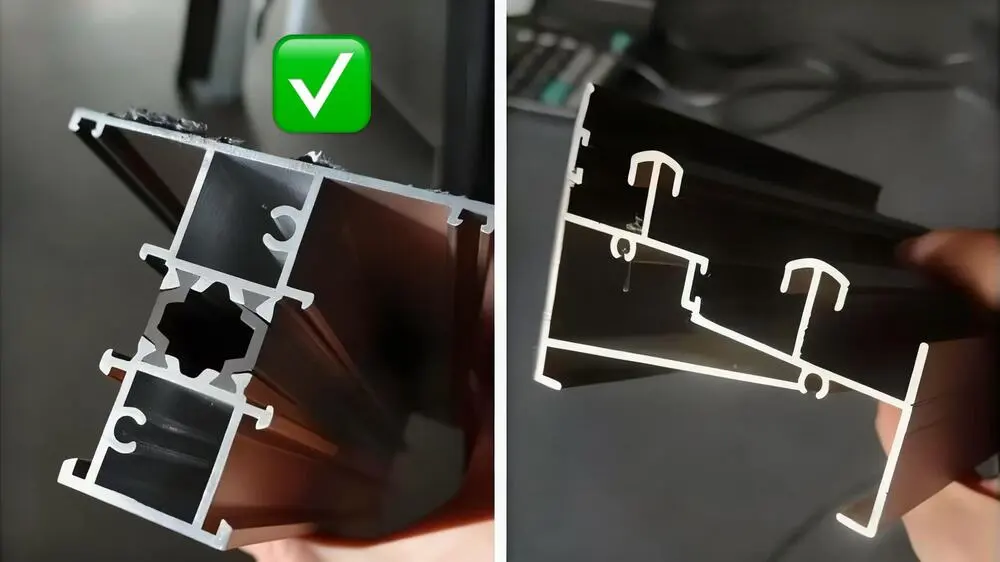
Understanding Thermal Break Aluminium Profiles
What Makes These Profiles Different?
A low-conductivity material is used to physically join two metal extrusions together in Thermal Break Aluminum Profiles systems. Haolv Building Materials uses PA66 GF25 polyamide strips in our manufacturing process. These strips don't conduct heat as well as aluminum—about 500 times less so. In this designed separation, an insulating zone is created within the profile itself. This stops temperature movement between the inside and outside of the building.
The aluminum metal 6063-T5 and T6 types used in our profiles were chosen because they have the best mix of strength, resistance to corrosion, and extrudability. The profile thickness runs from 1.4 mm to 3.2 mm, so it can meet the structural needs of a wide range of building types. The multi-chamber design makes the insulation even better by making air gaps that make it harder for heat to flow through.
Manufacturing Precision and Quality Standards
High-precision extrusion technology makes sure that the dimensions are correct, which is important for assembly and heat performance. Our automatic CNC cutting tools keep the limits needed for glazing systems and hardware parts to fit together perfectly. Powder coating, anodizing, and PVDF finishes are some surface treatments. Each one gives you a different look and different safe properties that work well in a range of climates.
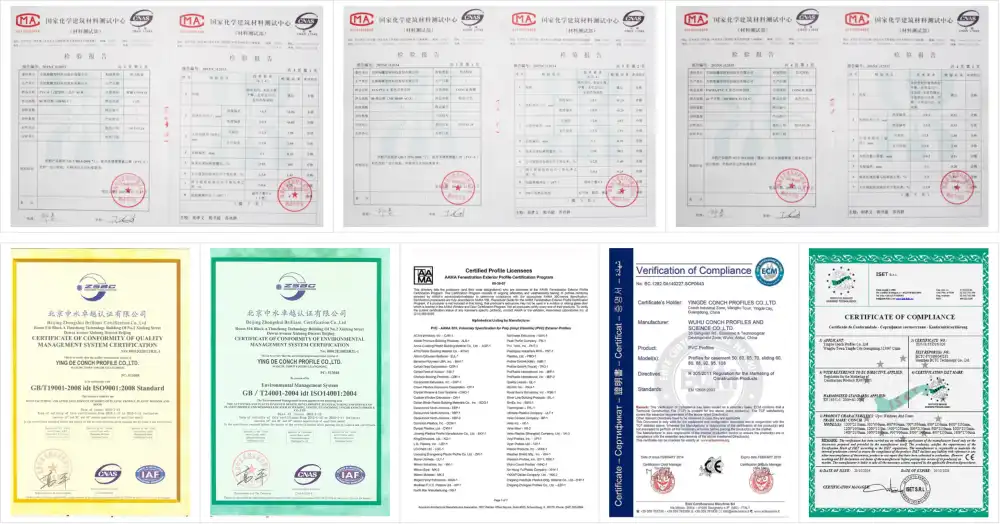
Quality checking is done at every stage of the production process. First, recognized aluminum sources are used to choose the materials. Then, they are constantly watched during extrusion, the placement of the thermal break, and the final assembly. Protocols for testing make sure that the structure is sound, that it meets CE, ISO, and AAMA standards, and that it meets thermal performance measures. These approvals are accepted in markets across North America and around the world.
The Role of Thermal Break Aluminium Profiles in Enhancing Energy Efficiency
Reducing Heat Transfer in Building Envelopes
Traditional metal frames quickly conduct heat, making ways for energy to escape that lower the performance of the building surface. Windows and doors with Thermal Break Aluminum Profiles technology create a barrier that keeps the temperature inside better controlled. When these shapes are paired with the right glazing, the U-value—a measure of how much heat is transferred—improves a lot. Often, they get rates below 1.6 W/m²K.
This heat insulation means that the HVAC system doesn't have to work as hard. Buildings keep their inner temperatures more stable by not heating or cooling too often. When you add up the effects of all the windows and doors in a business building or private development, they add up to big savings in running costs over the life of the building.
Compatibility with Advanced Glazing Systems
Our shapes can hold insulated glass units with thicknesses between 20 mm and 36 mm, and they can be used in both double and triple window arrangements. Because of this, project teams can get the best temperature performance based on climate zones and energy code standards. When you put together low-conductivity frames and high-performance glass, you get a complete system that handles conductive, convective, and radiative heat transfer.
We made sure that our profile design includes an EPDM multi-layer closing system that keeps air out and stops insulation from working as well. Proper sealing also helps keep wetness out, which gets rid of humidity problems that can damage buildings and make the air inside unhealthy in hot or cold places.
Measurable Energy Savings and ROI
Studies that use energy modeling regularly show that buildings with Thermal Break Aluminum Profiles systems use 15–30% less energy to keep the temperature inside than buildings with regular metal frames. The exact savings rely on things like the direction of the building, the weather trends in the area, and the general design of the envelope. These cuts have a direct effect on energy costs. In fact, many business projects pay for their material premiums within three to five years just through operating savings.
In addition to lowering energy costs, better thermal performance helps buildings meet green building standards like LEED and Passive House. These qualifications raise the value and marketability of a property, which is especially important for developers in competitive real estate markets who want to attract buyers and renters who care about the environment.
Comparing Thermal Break Aluminium Profiles with Other Frame Materials
Structural Performance and Durability
In addition to thermal efficiency, builders and architects look at other performance factors when choosing frame materials. Thermal Break Aluminum Profiles give structures a lot of strength and can support the big glass lengths that are popular in modern architecture. The material doesn't warp, grow, or break down when exposed to water, which are problems that wood frames can have in some areas.
While PVC frames offer similar thermal performance at a lower starting cost, they are not strong enough for business uses or domestic projects with complex architectural needs. Wood naturally insulates, but it needs to be maintained regularly and doesn't last as long as project managers hope for business and multifamily buildings. Fiberglass is a middle ground, but it is harder to find, comes in fewer colors, and isn't as well known in the business as metal systems.
Climate Adaptability and Long-Term Value
Because aluminum doesn't rust naturally, Thermal Break Aluminum Profiles are perfect for seaside areas and industrial zones where air pollutants speed up the breakdown of materials. The anodized and PVDF coatings we offer make this natural resilience even better by protecting against UV rays, acid rain, and salt spray without the need to restore often.
In places with very high or very low temperatures, like the desert or the arctic, aluminum's physical stability keeps it from having problems that happen with less hard materials. Frames keep their alignment and gear working even when they go through thermal cycles that would damage other materials. This dependability means less upkeep costs and a longer service life, both of which are factors that affect lifetime cost analyses for big purchases.
Performance features change depending on how the product is set up and how it is installed. You can find exact specs that apply to your project needs in the testing results for each product.
Integration with Building Systems
System integration is a big deal in modern construction. For example, window and curtain wall parts need to work with HVAC, lighting control, and building management systems. These needs are easily met by Thermal Break Aluminum Profiles, which can be used for sensor integration, automatic cooling devices, and ventilation hardware without affecting the structure or thermal performance. This adaptability helps the smart building technologies that are being asked for more and more in business and government projects.
Procurement and Customization of Thermal Break Aluminium Profiles
Evaluating Supplier Capabilities
When choosing a production partner for project-specific Thermal Break Aluminum Profiles, you need to look at more than just the unit price. One of the most important factors is the ability to provide technical support. Our engineering team helps with coordinating drawings, doing structure calculations, and writing specifications, all of which speed up the project completion process. This way of working together lowers the risk of buying and stops expensive changes from being made in the field.
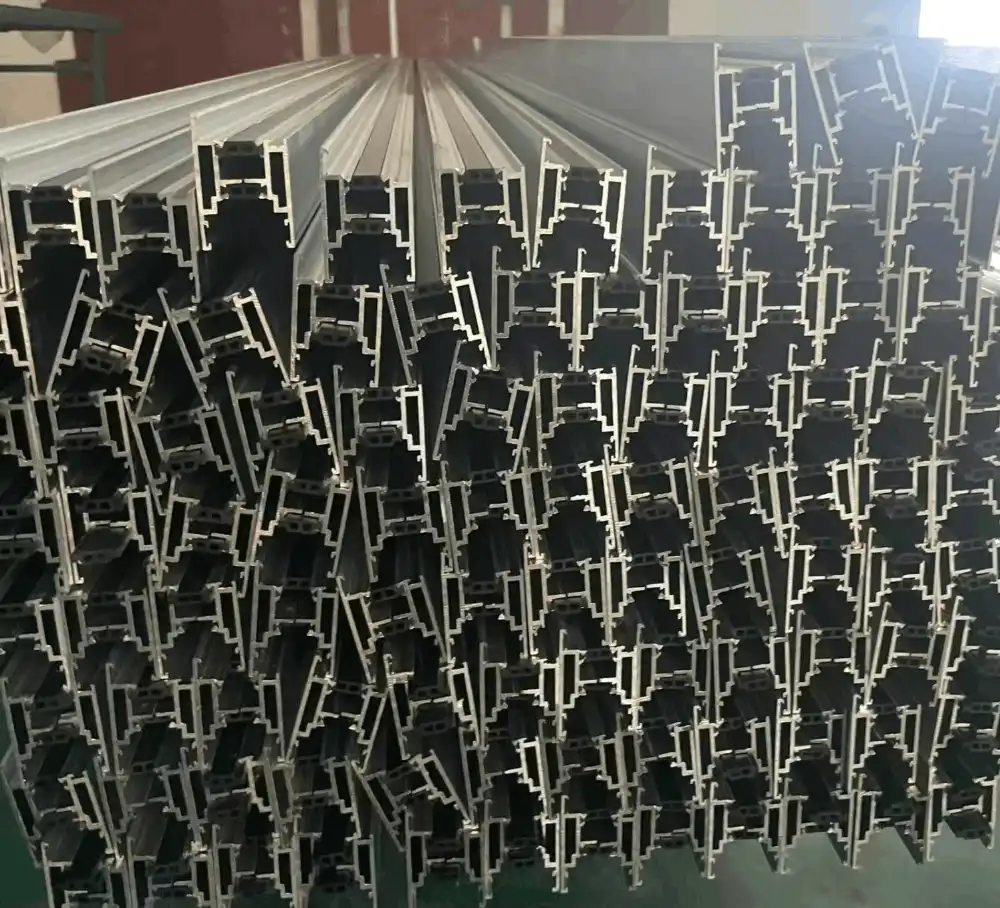
The reliability of a plan depends on how much can be made, especially for phased building projects with set delivery dates. Our plant keeps a stock of standard profile systems and can make modifications for non-standard uses. Lead times are usually between 25 and 30 days from when an order is confirmed to when it is shipped, but faster choices are available for jobs that need to be done quickly.
Customization Options and Technical Specifications
Profile systems can be changed in a number of ways to fit the needs of the architecture and the speed. You can choose from standard RAL colors or have colors custom-matched for brand-specific themes or to keep the design consistent across walls made of different materials. Profile lengths can be adjusted to fit the needs of the field. Standard extrusions come in lengths of Thermal Break Aluminum Profiles at 5.8m and 6m, or they can be cut to length to reduce waste and installation time.
Understanding Certification Requirements
There are different rules that buildings in North America have to follow based on where they are and what kind of building they are. For AAMA approval, performance tests are done on air infiltration, water entry, and structural loads. These tests help choose the right Thermal Break Aluminum Profiles for high-rise buildings on the coast versus low-rise buildings in the middle of the country. Our CE marking makes projects easier that need to meet European standards. This is useful for foreign developers or institutional clients that use standard global buying processes.
Transparency in documentation tells the difference between dependable and unreliable sellers. We keep detailed test records, material certifications, and paperwork of the manufacturing process on file so that they can be looked at during the procurement evaluation. Purchasing managers and project managers need to do their research before committing to big orders, and this openness helps them do that.
Practical Considerations and Implementation Tips
Installation Best Practices
To get the desired heat performance, you need to use the right fitting methods and choose high-quality Thermal Break Aluminum Profiles. Aligning the profiles, compressing the gaskets, and applying sealants all have an effect on how well the end assembly works. Even though our technical documentation has full installation instructions, we still suggest that contractors who aren't familiar with thermal break systems get approved installer training to avoid making common mistakes that waste energy.
Paying attention to how the flashing is integrated and how the rough hole is prepared stops thermal escapes around the frame's edges, which is a common mistake that hurts the performance of the profile. When window installers and envelope builders work together, they can make sure that there are constant air and thermal barriers from the base to the roof. This is what high-performance building walls need.
Maintenance and Longevity
Regular care protects both the way something looks and how well it works for many years. To protect surface finishes without damaging coats, cleaning procedures use gentle detergents and non-abrasive tools. A simple check every three months that greatly increases the system's life span is drainage weep hole checking, which stops water from building up and damaging seals or internal finishes.
Lubricating and adjusting the hardware keeps it running smoothly and makes sure the gaskets connect properly. These small fixes, which are usually done once a year, keep window systems from breaking down too soon and costing a lot to repair. Setting up preventive repair plans can save facility managers who are in charge of a lot of buildings a lot of money over time.
Future Trends in Thermal Performance Technology
Material science is still improving Thermal Break Aluminum Profiles strip formulas, and new composites promise even lower conductivity while keeping the mechanical qualities needed for connecting structures. Manufacturers are looking into bio-based polyamide options that lower carbon footprint without lowering performance. These changes are important for projects that want to go above and beyond the current code minimums for sustainability.
The rules for building energy efficiency are getting stricter, and some places have set performance goals that are harder to meet than usual ways of building. Knowing about these changes in regulations lets you make proactive changes to specifications, which makes sure that current buying choices stay legal as standards change up to the dates that the project is supposed to be finished.
Conclusion
Thermal Break Aluminum Profiles make buildings more energy efficient in ways that can be measured and are needed to meet today's performance standards. The technology stops heat from moving through window and door frames. This lowers the load on HVAC systems and their running costs, and it also helps green building certification goals. The long-lasting materials, strong structures, and adaptable design make these systems very useful for business developments, multifamily housing projects, and institutional buildings where the long-term value supports the initial investment.
The big benefits of this tried-and-true technology can be fully realized by choosing the right provider, paying close attention to every detail during installation, and doing regular upkeep. As energy rules continue to get stricter and standards for sustainability rise, Thermal Break Aluminum Profiles are not only the best way to build now, but also in the future.
FAQ
Q1: How much can Thermal Break Aluminum Profiles lower the cost of cooling and heating?
A: Savings on energy depend on where you live, how the building is designed, and how the envelope is currently set up. Studies show that changing normal metal frames with Thermal Break Aluminum Profiles systems can cut HVAC-related energy use by 15 to 30 percent. Due to bigger temperature differences, commercial buildings in harsh conditions, like hot deserts or cold continental regions, usually save a higher percentage of their energy costs. Integrated analysis is important for planning projects because the final performance depends on the full envelope design.
Q2: Are these shapes good for places that get very cold?
A: Thermal Break Aluminum Profiles work really well in cold places. The polyamide barrier keeps the surface temperatures inside from falling to levels that would normally cause condensation and frost to form on metal frames in subzero temperatures. Our PA66 nylon strips stay structurally sound and don't melt at temperatures between -40°C and +80°C, making them perfect for building projects in places like northern Canada and the southwestern desert. The profiles' ability to keep their shape through heat cycles keeps them from having problems that happen with less rigid materials.
Q3: How do Thermal Break Aluminum Profiles stack up against PVC when it comes to the environment?
A: Both materials help buildings use less energy while they're being used, but there are differences between them when it comes to their lifespan. A lot of energy is needed to make aluminum in the first place, but the material can be recycled over and over again without losing any of its quality. In fact, about 75% of all the aluminum that has ever been made is still used today. The energy used to make PVC is cheaper, but it can be hard to get rid of when it's no longer useful.
Partner with Haolv Building Materials for Superior Thermal Break Solutions
Haolv Building Materials has high-performance Thermal Break Aluminum Profiles systems ready to help you with your next job. These systems are made for tough situations. With 18 years of experience in production, cutting-edge extrusion technology, strict quality control, and quick technical help, we can provide solutions that exactly meet the needs of your project. We can customize everything, from the size of the profiles to the finishes on the surfaces and the colors that match. Our CE, ISO, and AAMA certifications are accepted in all North American countries.
Our team can help you get the high-quality products and trusted suppliers that your projects need, whether you're a general builder in charge of business building, a curtain wall fabricator looking for engineered systems, or a distributor looking for a Thermal Break Aluminum Profiles producer. Email us at kristin@haolvwindows.com right now to talk about your unique needs and get full technical specifications that are made just for your application.
References
1. Anderson, B. & Chapman, R. (2021). Thermal Performance of Modern Window Systems: Comparative Analysis of Frame Materials. Building Science Press.
2. International Energy Agency. (2020). Energy Efficiency in Buildings: Technology Roadmap 2020-2030. IEA Publications.
3. National Fenestration Rating Council. (2022). Technical Guidelines for Thermal Transmittance Calculations in Fenestration Products. NFRC Technical Document Series.
4. Patterson, M. (2019). Aluminum Building Products: Engineering, Performance, and Sustainability. Construction Materials Journal, 45(3), 178-195.
5. Straube, J. & Burnett, E. (2021). Building Science for Building Enclosures: Principles and Applications. Building Science Corporation.
6. Thompson, L., Chen, Y., & Martinez, D. (2020). Life Cycle Assessment of Window Frame Materials in Commercial Construction. Journal of Sustainable Architecture, 12(2), 88-107.
Fast simple channel to send demands lock favorable price for building window door bulk purchases.