- English
- French
- German
- Portuguese
- Spanish
- Russian
- Japanese
- Korean
- Arabic
- Greek
- German
- Turkish
- Italian
- Danish
- Romanian
- Indonesian
- Czech
- Afrikaans
- Swedish
- Polish
- Basque
- Catalan
- Esperanto
- Hindi
- Lao
- Albanian
- Amharic
- Armenian
- Azerbaijani
- Belarusian
- Bengali
- Bosnian
- Bulgarian
- Cebuano
- Chichewa
- Corsican
- Croatian
- Dutch
- Estonian
- Filipino
- Finnish
- Frisian
- Galician
- Georgian
- Gujarati
- Haitian
- Hausa
- Hawaiian
- Hebrew
- Hmong
- Hungarian
- Icelandic
- Igbo
- Javanese
- Kannada
- Kazakh
- Khmer
- Kurdish
- Kyrgyz
- Latin
- Latvian
- Lithuanian
- Luxembou..
- Macedonian
- Malagasy
- Malay
- Malayalam
- Maltese
- Maori
- Marathi
- Mongolian
- Burmese
- Nepali
- Norwegian
- Pashto
- Persian
- Punjabi
- Serbian
- Sesotho
- Sinhala
- Slovak
- Slovenian
- Somali
- Samoan
- Scots Gaelic
- Shona
- Sindhi
- Sundanese
- Swahili
- Tajik
- Tamil
- Telugu
- Thai
- Ukrainian
- Urdu
- Uzbek
- Vietnamese
- Welsh
- Xhosa
- Yiddish
- Yoruba
- Zulu
How to Compare Bay Windows Double Glazed Suppliers Online?
When comparing bay windows double glazed suppliers online, start by evaluating customization capabilities, certification credentials, and delivery timelines that align with renovation project schedules. Verify suppliers offer precise angle configurations (90°, 135°, 150°), proven waterproofing solutions for vulnerable roof joints, and transparent technical specifications including U-values and air tightness ratings. Prioritize manufacturers demonstrating installation support through detailed assembly guides and responsive technical consultation, as these factors directly impact project completion speed and client satisfaction in the competitive home improvement sector.
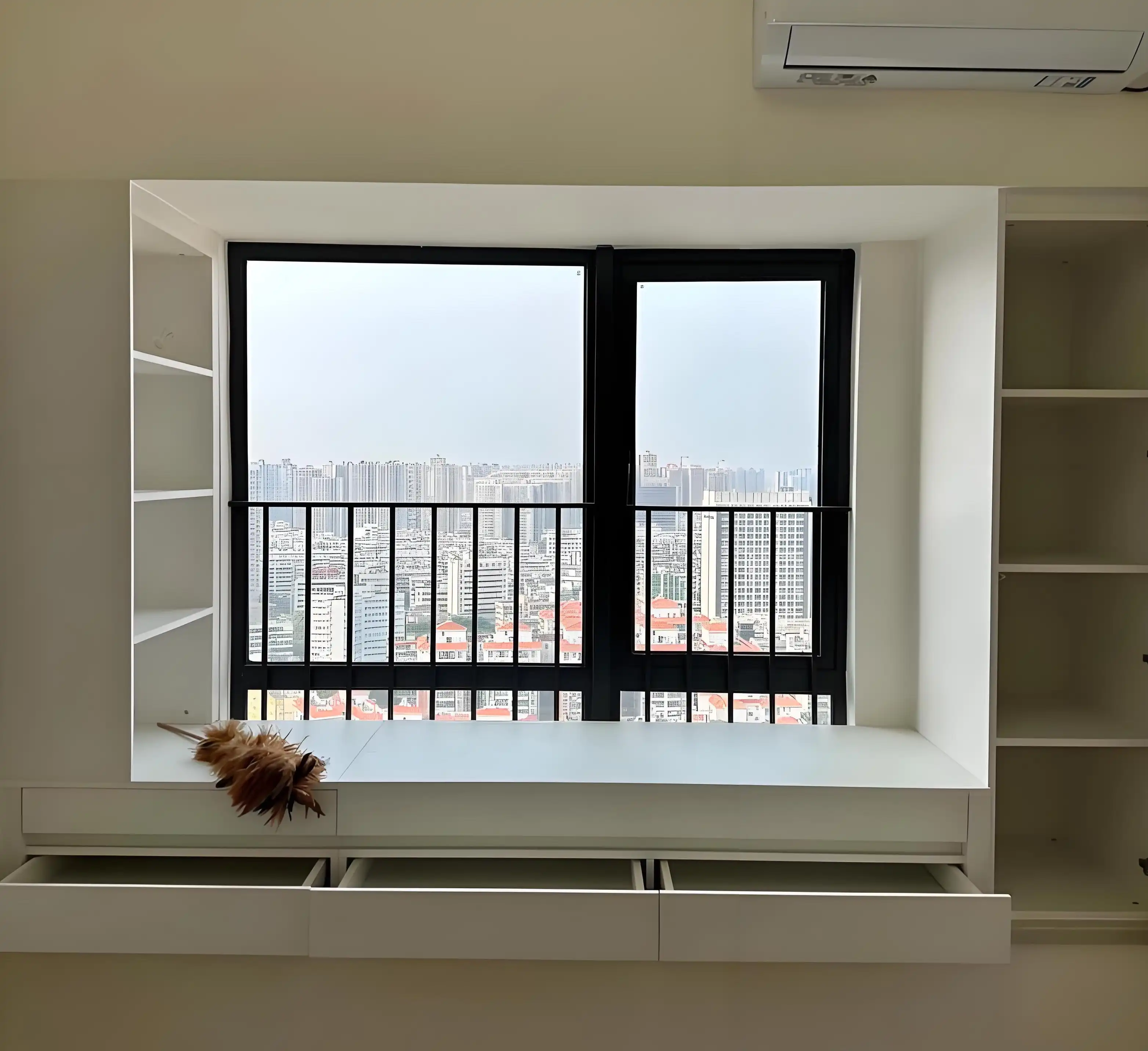
Introduction
With measurable improvements in thermal retention, acoustic comfort, and property value, double-glazed bay windows have become essential parts of home renovation projects across North America and Europe. When home repair contractors and window stores are working with tight project deadlines, choosing the right supplier is more than just a buying decision. It has a direct effect on how quickly the work is done, how happy the customers are, and the business's image. The National Fenestration Rating Council said in 2022 that properly installed double-glazed units can cut heating costs by 18–24% in moderate climates. This makes them a good choice for homeowners who want to improve their homes[1].
This guide talks about the specific problems that renovation professionals face when they need to buy bay window systems, such as meeting clients' specific size needs, making sure that the structures they're working on are waterproof, coordinating delivery times with the different stages of construction, and staying profitable even though clients are watching their budgets. We look at useful ways to compare suppliers that go beyond just browsing and focus on things like manufacturing capabilities, quality assurance protocols, and technical support after the sale that small to medium-sized contractors need.
Understanding Double Glazed Bay Windows
Double-glazed bay windows have two panes of glass that are separated by a spacer cavity that is usually 12mm to 20mm wide and filled with insulating gas or dry air. This building method works much better than single-pane options because it makes a thermal shield that stops heat from moving through conductors. Bay windows have a projecting shape that goes beyond the building's front. This gives the building character while also adding more floor space and natural light. However, this same extension adds structural and weatherproofing challenges that require careful choice of provider.
Thermal and Acoustic Performance Metrics
U-values, which measure heat transfer in watts per square meter per Kelvin (W/m²K), are used to rate how well double-glazed units insulate. U-values for standard configurations are between 1.4 and 2.0 W/m²K. Lower values mean better insulation. According to research from the Lawrence Berkeley National Laboratory, switching from single-glazed bay windows to double-glazed ones can cut heating energy use by around 30% in cold places (Berkeley Lab, 2021). The amount of sound that can be blocked, in decibels (dB), is usually between 32 and 38 dB for good double-glazed assemblies. This successfully blocks out road noise and other outside noises, which is an important thing to think about for urban renovation projects.
Material Options and Structural Considerations
Frame materials for Bay Windows Double Glazed directly affect lifespan, maintenance needs, and aesthetic integration. UPVC (unplasticized polyvinyl chloride) is the most common material used in homes because it is cheap, doesn't need much upkeep, and doesn't break down when it gets wet. White UPVC is still the standard, but wooden laminates can be used for makeovers that care about how the windows look. Aluminium frames, especially those with thermal break technology, are good for projects that need stronger structures with thinner sightlines.
Reinforced aluminium extrusions made from 6063-T5 alloy can withstand wind loads of more than 2400 Pa and still allow for bigger glass areas. Care must be taken when choosing the glass itself. Tempered glass can withstand impacts, laminated options improve security and soundproofing, and Low-E (low-emissivity) coatings reflect infrared radiation to improve thermal performance without affecting the transmission of visible light.
Note: The exact performance values will depend on testing the whole system, which includes the frame, glass, spacer, and sealant all working together. Instead of depending only on claims made at the component level, you should ask for certified test results that are specific to the configuration that is being asked for.
Core Criteria to Compare Double Glazed Bay Window Suppliers Online
Comparing suppliers effectively takes a thorough look at a number of factors that have a direct impact on the final result of the project. The following criteria take into account the specific operational issues that contractors face when trying to meet client expectations and renovation timelines.
Customization Capabilities and Manufacturing Flexibility
Standardised measurements are rarely used in renovation jobs. Existing wall holes are very different, and bay window shapes must match the lines of the original openings to keep the architecture intact. Capable suppliers offer accurate custom manufacturing based on site measurements, and they can accommodate common bay angles like 90-degree box bays, 135-degree angled bays, and 150-degree splayed configurations without charging more or taking longer to deliver.
As you evaluate suppliers, make sure that the ones you're interested in accept field measurements with reasonable error margins (usually 2mm) and that their production systems can handle one-off specifications well. Custom units are usually delivered within 25 to 35 days by suppliers with automated CNC cutting systems and flexible assembly lines. On the other hand, it may take 6 to 8 weeks for suppliers who only use manual processes. Ask about the minimum order quantity. Suppliers that focus on renovations should be able to handle single-unit orders without charging too much, since buying for one project at a time is very different from buying in bulk for a lot of projects.
Certifications and Quality Assurance Protocols
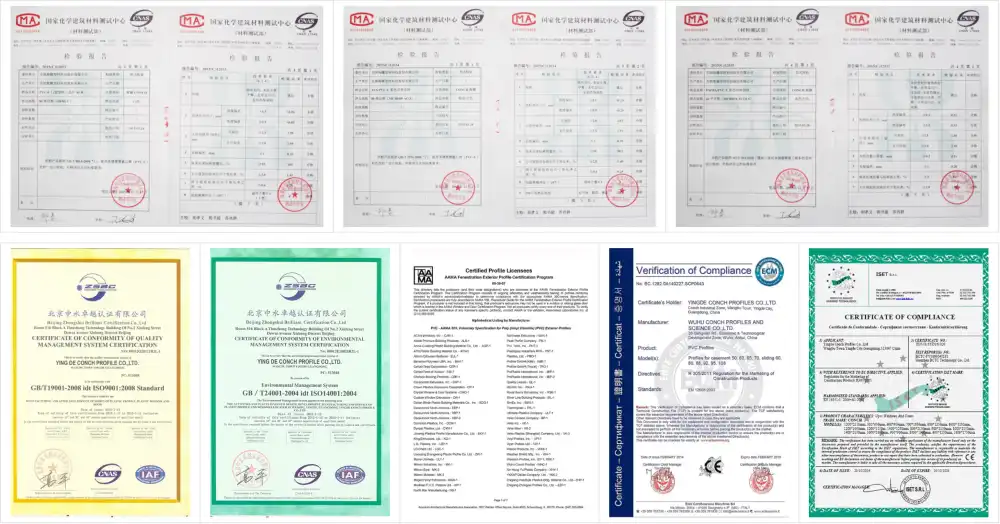
Third-party certificates are an objective way to back up claims of success. Having ISO 9001 certification means that all of your production processes use systematic quality management processes. For goods going to be sold in North America, proof that they meet AAMA (American Architectural Manufacturers Association) standards shows that they are suitable for the temperature and building codes there. For European markets, it's important that products have the CE mark and meet EN standards for air leakage (EN 12207), water tightness (EN 12208), and wind load protection (EN 12210).
Check the supplier's quality control methods in addition to their licenses. Manufacturers who show thorough inspection protocols, such as checking dimensions, weld integrity, hardware cycling tests, and water spray chamber validation, lower the chances of installation problems and callbacks. When you first talk to the seller, ask for proof of the inspection stages and accepted tolerance ranges. Hunan Haolv Building Materials Co., Ltd. has been making building materials for 19 years and has ISO, CE, and AAMA certifications for all of their products. Before being shipped, each bay window unit goes through several stages of quality checks.
Waterproofing Engineering and Technical Support
The most common and expensive problem with Bay Windows Double Glazed installations is that the waterproofing fails at the point where the roof meets the bay window. The structure of the roof that sticks out makes weak spots where water can get in and damage the finishes inside and the framing of the building. Competent providers take a proactive engineering approach to this problem by designing their systems with drainage pathways, compression seals, and flashing integration details.
When comparing providers, make sure you get detailed information about how the roof will be built, the sealant materials that will be used, and how the roof will drain. Manufacturers who provide detailed installation instructions, such as CAD drawings showing flashing sequences, video demonstrations of important waterproofing steps, and access to a technical hotline during installation, greatly lower the risk for contractors working on complicated bay window retrofits.
Suppliers should provide clear and thorough directions for putting things together, keeping in mind that installation teams may have people with different levels of experience. It's important to know about shipping choices that don't include the whole thing. This is because knocked-down parts save a lot on freight costs (often by 25–35%) and allow for phased delivery that works with building plans.
Step-by-Step Process to Compare and Select Suppliers Online
Systematic supplier evaluation speeds up the buying process and lowers the risk of expensive mistakes in the specifications or unplanned delays in the project.
Define Project-Specific Requirements
Start by writing down all the exact project details, like the opening's width, projection depth, and height, as well as the frame's colour and finish, the type of glass (such as Low-E coatings or laminated safety options), and any hardware needs, like locking mechanisms and opening configurations. As part of renovation projects, pictures should be taken of the current state of things, paying special attention to any structural or entry issues that make shipping and installation more difficult.
Based on local building rules, set clear performance goals. Most places in North America now have minimum standards for thermal performance. For example, the International Energy Conservation Code (IECC) 2021 says that maximum U-factors should be between 0.27 and 0.40, depending on the climate zone (IECC, 2021)[3]. Making sure that potential suppliers can meet these standards before asking for a detailed quote saves time that would have been spent on evaluating goods that don't meet the standards.
Conduct Focused Supplier Research and Data Collection
Targeted search tactics can help you find makers that make custom bay windows instead of generic fenestration providers. It's easier to find what you're looking for when you combine search terms like "bay window manufacturer," "custom double glazed," and your choice of material (UPVC or aluminium). Online business-to-business sites, like Alibaba International, let you narrow down your search results by certification, production capacity, and export experience.
Once possible suppliers are chosen, collect similar information in a planned way. This includes technical specification sheets with U-values, air and water tightness ratings, frame profiles, glass options, and hardware standards; certification paperwork to back up claims of compliance; lead time estimates for custom orders; shipping methods (assembled vs. knocked-down); and pricing structures that include tooling fees for custom configurations. To make the evaluation more objective, make a standard comparison spreadsheet that keeps track of this information for all suppliers.
Verify Manufacturing Capability and Supply Chain Reliability
Websites and marketing tools for suppliers show things in a very positive light. Check actual skills by asking questions directly and checking references. Ask about the facility's production capacity, especially how it handles custom orders along with regular production runs. Suppliers who work with well-known material providers, like profile extrusion experts like CONCH or glass makers like Pilkington, tend to have more consistent quality and material supply than those who use secret sources.
Ask for client references from contractors or stores that work with similar types of customers. Talking to peers who have completed multiple orders gives you an idea of how well the company really does in the real world in terms of giving accurate quotes, delivering on time, producing consistent quality products, answering technical questions quickly, and handling warranty claims. It's also important how close the supplier's previous export markets are geographically. Manufacturers with more experience in North America or Europe understand legal requirements, shipping logistics, and communication standards better than those who are new to these markets.
Request Samples and Competitive Quotations
Photographs and specifications can't give you the same chance to evaluate something in real life as physical samples for Bay Windows Double Glazed. Ask for corner samples or cross-sections that show how the frame is put together, the quality of the welds, the sealing systems, and the consistency of the finish. Handle metal parts to check how smoothly they work and how solidly they are built. Look at the quality of the glass edges and how well the spacer bars were installed.
When asking for quotes, make sure that each seller has the same information so that you can compare prices accurately. Ask for detailed breakdowns that show the unit cost, shipping costs, insurance costs, and any tooling charges that apply. Make the payment terms, deposit conditions, and when work can start clear. Check to see if the prices given include professional help, installation instructions, and a warranty. To really compare suppliers economically, you need to know their total landed cost, not just their ex-factory price.
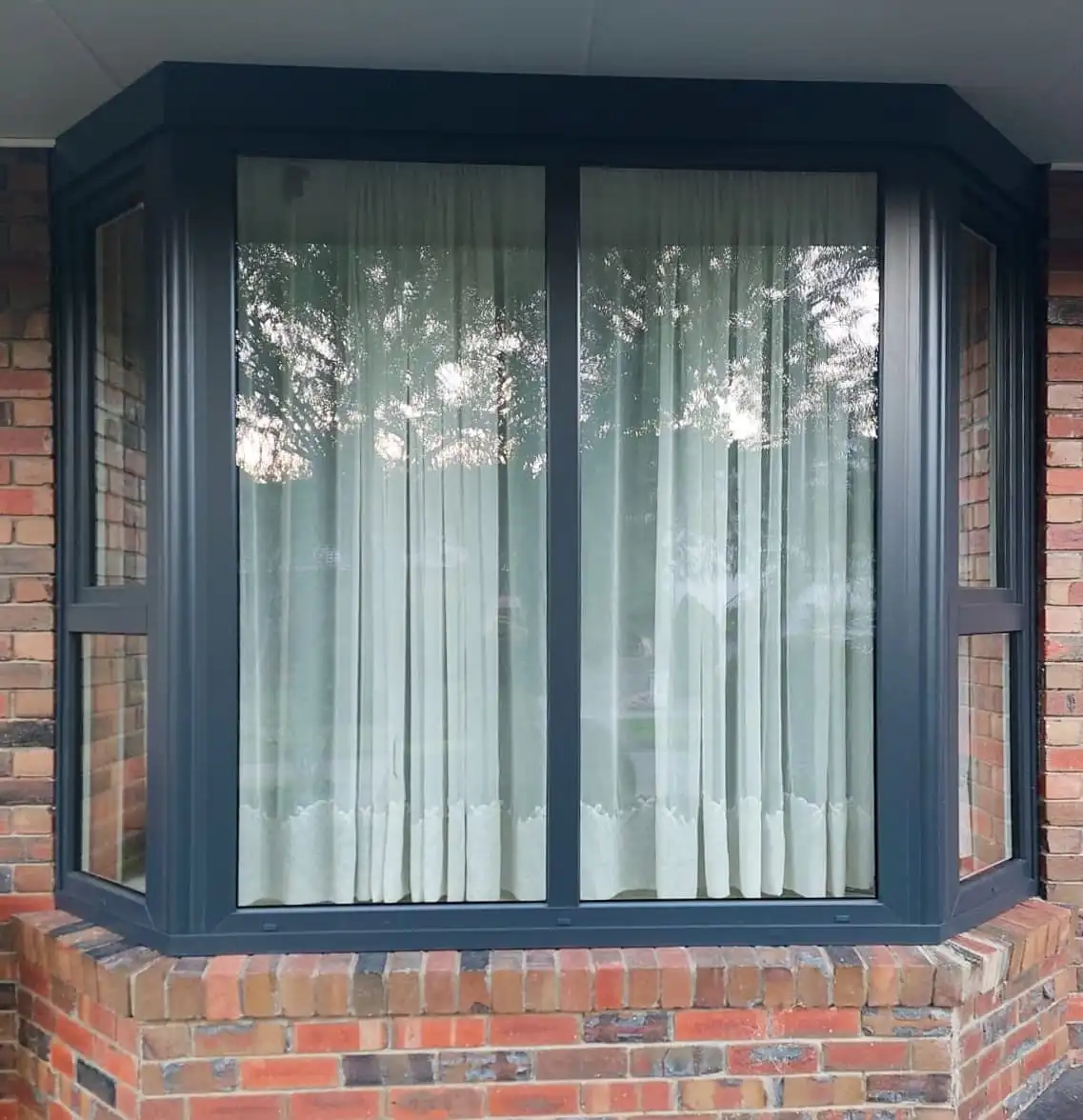
Comparing Double Glazed Bay Windows: Technical and Financial Considerations
To find the best balance between technical performance and budget, you need to know how different specification choices affect both the initial cost of the project and its running costs over time.
Frame Material Performance and Cost Analysis
UPVC frames are a great way to save money when remodelling your home. They are usually priced 20–35% less than similar aluminium systems and offer the same level of heat performance thanks to their multi-chamber profile designs. Because the material itself doesn't conduct heat well, it doesn't need the thermal break technology that is needed in aluminium frames. Although UPVC isn't as good as aluminium at keeping its shape when temperatures change quickly, it still doesn't need much maintenance. Even though colour choices are getting better, white and light colours are still preferred to keep dark finishes from breaking from heat.
Aluminium frames, especially those made of reinforced 6063-T5 alloy with polyamide thermal breaks, are stronger and can hold more glass. This lets modern designers use larger glass areas and thinner sightlines. The material's natural resilience makes it last longer, and the powder coating or anodising finish choices can be used to achieve almost any colour without affecting performance. Costs are higher than UPVC by about 25 to 40 percent, which is due to the higher cost of materials and the more complicated way they have to be made. Aluminum's benefits usually make the extra cost worth it for renovation projects that are aimed at high-end customers or need to have a certain architectural style.
Knowing about these trade-offs helps contractors help clients come up with standards that meet the needs of their customers' budgets, performance needs, and aesthetic goals. In places that care about the environment or want to get green building certifications, small differences in how well different materials work may affect how much they are worth in the long run, even if they cost different at first.
Glazing Configurations and Energy Performance
Double glazing is the best balance between performance and cost on the market. It is more efficient than single-pane glazing and doesn't have the diminishing returns and extra cost of triple glazing. The spacer cavity width directly affects how well it insulates against heat: 12 mm cavities offer basic insulation, 16 mm gaps provide the best thermal protection in most areas, and 20 mm gaps are best for places that are very cold. When argon (the most common gas) or krypton (the best gas) is used to fill cavities, it lowers conductivity even more than when air is used.
When low-E coatings are put on glass, they block long-wave infrared radiation but let visible light through. This makes U-values 25–35% better than with uncoated glass. There are several places where the Low-E covering can go, including surface 2 (the inside of the outer pane) or surface 3 (the outside of the inner pane). The best place depends on the temperature and the amount of sun the area gets. Contractors who work in cold climates should ask for surface 3 coatings to keep heat inside, while contractors who work in hot climates should ask for surface 2 coatings to return sun gain from the outside.
These technology choices have a direct effect on the project's costs. According to research from the Efficient Windows Collaborative (2020)[4], upgrading bay windows from single glazing to double glazing with Low-E coating usually pays for itself in energy savings within 6 to 10 years in moderate climates. Giving clients estimates based on energy modelling builds your value proposition and sets you apart from competitors who only offer cost-based proposals.
Installation Complexity and Labor Implications
Installing Bay Windows Double Glazed is more difficult than replacing a regular flat window because the structure needs to be supported, the roof assembly is more complicated, and drainage is more important. The weight of the glass, frames, and hardware together—often more than 150 kg for a normal home unit—means that the structure's framing needs to be properly loaded and supported during installation. Clear installation instructions from suppliers cut down on workers' time and mistakes, especially those who aren't very familiar with bay windows.
Knocked-down shipping choices should be given extra thought because they offer two benefits: lower freight costs and more fitting options. Receiving frame parts, glazing units, and roof sections separately lets deliveries be timed to match building stages. This cuts down on the need for handling tools and makes it possible for one person to move things to higher floors. While the assembly process requires more work to be done on-site, it allows for precise fit adjustments that can't be made with pre-assembled units. Even though it costs more to ship fully assembled units, contractors should think about whether their crews have the right skills to put together units or whether fully assembled units would be better for their operations.
It's easier to see how much something costs when you look at the total installation cost, which includes the price of the product, the freight, the labour hours, the hire of tools, and the chance of a callback. Total cost of ownership goes down for suppliers who offer full technical support, even if their unit prices are a little higher than those of competitors who don't offer the same level of support.
Ensuring a Trusted Purchase: Brand and Supplier Spotlight
Being able to rely on a supplier goes beyond just getting good products. It also includes being able to communicate quickly, deliver on time, and build long-term partnerships that help your business grow.
Partnership Indicators and Supply Chain Transparency
Manufacturers that have been around for a while usually show that they can be trusted by having partnerships with well-known material suppliers and industry groups. Working with profile system developers like CONCH or Deceuninck means you can get access to extrusion designs that have been used before and technical support. Joining trade groups like the British Fenestration Rating Council or the Window and Door Manufacturers Association (WDMA) shows that you care about professional growth and industry standards.
Supply chain openness is important, especially for workers who want to make sure that materials are the same across multiple orders. Suppliers who are willing to talk about where their materials come from, how they manage their inventory, and the standards they follow show that they trust their business and care about what their customers want. This clearness is very important for making sure that colours match across different stages of a project or for making sure that new parts are available years after the original installation.
Hunan Haolv Building Materials Co., Ltd. is a reliable supply chain example because it has smart partnerships with top material sources, such as CONCH for profile extrusions. Their factory is fully automated and has CNC precise cutting, welding stations, and assembly systems that make sure all special orders are the same size. The company has been in business for 19 years and has a wide range of certifications, including ISO, CE, and AAMA. This is clear proof of their long-term dedication to quality and producing skills.
Warranty Coverage and After-Sales Support
The warranty terms show that the company is sure that the product will last and is ready to back up claims of performance. Full coverage should include things like frame structural integrity, broken glass seals, hardware that works, and finish durability, with clear terms and a reasonable amount of time to cover them. Be wary of warranties that require unnecessary paperwork or unreasonable maintenance requirements before you can file a claim.
Technical help after the sale is also a useful way for a supplier to stand out, but it is often ignored. Having access to experienced expert staff who can troubleshoot installation problems, suggest solutions for non-standard situations, or help identify replacement parts keeps projects on schedule and keeps contractors from getting frustrated. Suppliers who offer multiple ways to communicate (phone, email, video consultation) and reasonable response times show that they care about their customers after the sale is over.
Check to see if suppliers offer ongoing resources like updated installation guides, notices of product improvements, or training opportunities for installation crews. These services that add value help contractors improve their skills and make their businesses more professional. This creates relationship benefits that go beyond just selling products.
Conclusion
When you compare Bay Windows Double Glazed suppliers online, you need to carefully look at how they handle customisation, quality certifications, expert help, and open communication. Competitive pricing, reliable manufacturing, on-time delivery, and support after the sale are all important parts of good source relationships that lower project risk. When contractors prioritise suppliers who can show them tried-and-true custom production systems, detailed installation documentation like technical parameter sheets and assembly videos, and efficient logistics solutions like knocked-down shipping options, they can complete better projects while keeping their profit margins healthy. Because of how important it is to stick to deadlines and be reliable in the waterproofing market, choosing a supplier is a strategic business decision that needs to be carefully thought out and managed on an ongoing basis. Instead of using standard solutions, decisions about frame materials, glazing arrangements, and hardware systems should be based on the performance needs of the specific project and the client's budget. Energy performance calculations should be used to make value propositions stronger for picky homeowners who are investing in home improvements.
FAQ
Q1: How can I verify the energy efficiency claims of bay windows double glazed units from online suppliers?
A: Ask official test results from approved labs that show U-values, Solar Heat Gain Coefficients (SHGC), and Visible Transmittance (VT) for the whole unit, not just individual parts. Legitimate suppliers give you paperwork with report numbers that can be tracked and specific testing standards (NFRC in North America and BS EN in Europe). Compare the claimed performance to what you can actually expect. For example, standard double-glazed units usually get U-values between 1.4 and 2.0 W/m²K. Claims that these values are much higher should be looked into more closely.
Q2: What lead times should I expect for custom bay window orders from overseas manufacturers?
A: Reliable makers usually need 25 to 35 days from the time they confirm an order until they finish making a unique configuration. After that, it takes 20 to 30 days for ocean freight to get to a port in North America or Europe. Usually, it takes between 7 and 9 weeks from the time of deposit to the time of delivery. Check to see if the lead times given only include production time or also include shipping time. Also, add extra time to project schedules to account for clearing customs and transporting goods to their end location.
Q3: Can suppliers provide bay windows in knocked-down format to reduce shipping costs?
A: A lot of experienced makers offer shipping choices where the frames, glass pieces, hardware, and roof assemblies are taken apart and packed into small boxes. When compared to fully assembled units, this method usually cuts freight costs by 25–35%. It also makes loading containers easier and lowers the risk of damage during transport. Make sure that the suppliers you work with include detailed instructions for putting the parts together, systems for labelling them, and access to technical support so that your installation crews can do it easily on-site.
Partner with Haolv Building Materials for Your Bay Window Projects
Contractors and window stores looking for reliable Bay Windows Double Glazed suppliers can turn to Haolv Building Materials Co., Ltd., which has been making specialised building materials for 19 years. Our factory has high-tech CNC cutting systems and automatic assembly lines that allow us to make unique configurations that exactly match your needs. These can include angles of 90°, 135°, and 150°, and the dimensions are accurate to within ±1.5mm. Before it is shipped, every unit goes through a strict quality check. ISO, CE, and AAMA certifications back up the performance claims.
We take care of the important waterproofing issues that come up with installing bay windows by giving you designed draining systems and detailed installation instructions. Our technical support package comes with detailed parameter specification sheets, step-by-step assembly videos, and illustrated installation manuals that will help your teams do perfect installations. Your logistics costs will go down a lot with our knocked-down shipping choices, and we guarantee delivery within 25 to 30 days of order confirmation thanks to our efficient supply chain and partnerships with top material providers like CONCH. Contact our team at kristin@haolvwindows.com to talk about your project needs, get unique quotes, or set up product samples that show how committed we are to quality and contractor success.
References
1. National Fenestration Rating Council. (2022). Energy Performance Ratings for Windows, Doors, and Skylights.
2. Lawrence Berkeley National Laboratory. (2021). Residential Windows and Window Coverings: A Detailed View of Energy Performance. Berkeley Lab.
3. International Code Council. (2021). International Energy Conservation Code (IECC).
4. Efficient Windows Collaborative. (2020). Window Selection Tool: Energy Performance Analysis. Alliance to Save Energy.
Disclaimer: Performance specifications and cost-recovery calculations presented reflect typical conditions and may vary based on specific project parameters, climate zones, usage patterns, and installation quality. Contractors should request certified product testing reports and conduct site-specific energy modeling before making final specification decisions or presenting performance projections to clients.
Fast simple channel to send demands lock favorable price for building window door bulk purchases.