- English
- French
- German
- Portuguese
- Spanish
- Russian
- Japanese
- Korean
- Arabic
- Greek
- German
- Turkish
- Italian
- Danish
- Romanian
- Indonesian
- Czech
- Afrikaans
- Swedish
- Polish
- Basque
- Catalan
- Esperanto
- Hindi
- Lao
- Albanian
- Amharic
- Armenian
- Azerbaijani
- Belarusian
- Bengali
- Bosnian
- Bulgarian
- Cebuano
- Chichewa
- Corsican
- Croatian
- Dutch
- Estonian
- Filipino
- Finnish
- Frisian
- Galician
- Georgian
- Gujarati
- Haitian
- Hausa
- Hawaiian
- Hebrew
- Hmong
- Hungarian
- Icelandic
- Igbo
- Javanese
- Kannada
- Kazakh
- Khmer
- Kurdish
- Kyrgyz
- Latin
- Latvian
- Lithuanian
- Luxembou..
- Macedonian
- Malagasy
- Malay
- Malayalam
- Maltese
- Maori
- Marathi
- Mongolian
- Burmese
- Nepali
- Norwegian
- Pashto
- Persian
- Punjabi
- Serbian
- Sesotho
- Sinhala
- Slovak
- Slovenian
- Somali
- Samoan
- Scots Gaelic
- Shona
- Sindhi
- Sundanese
- Swahili
- Tajik
- Tamil
- Telugu
- Thai
- Ukrainian
- Urdu
- Uzbek
- Vietnamese
- Welsh
- Xhosa
- Yiddish
- Yoruba
- Zulu
How to Select Aluminum Casement Doors for Energy Efficiency
Selecting the right aluminum casement doors for energy efficiency requires balancing thermal performance, structural integrity, and procurement flexibility. An Aluminum Casement Door features a hinged, side-swing operation that creates superior compression seals when closed, dramatically reducing air infiltration compared to sliding alternatives.
The integration of thermal break technology—typically PA66 GF25 polyamide strips between interior and exterior aluminum sections—blocks conductive heat transfer while maintaining the frame's structural strength. When combined with double or triple glazing and EPDM multi-cavity gaskets, these doors achieve U-values as low as 1.2 W/m²K, meeting stringent energy codes across North America and Europe while delivering measurable reductions in HVAC operating costs for commercial and residential projects.
Understanding Aluminum Casement Doors and Energy Efficiency
Hinged metal door systems that save energy are based on how different design elements work together to control the flow of air and heat. Aluminum Casement Doors compress the weatherstripping as they close, making consistent contact around the whole perimeter. This is different from fixed or sliding doors. This mechanical advantage is very important in places where the weather changes quickly or where there is a lot of wind.
How Thermal Breaks Control Heat Transfer
Thermal breaks are walls inside metal profiles that don't conduct electricity. Standard 6063-T5 aluminum alloy quickly transfers heat, but adding polyamide strips reinforced with glass fibers makes a thermal dam. Profile depths between 50 mm and 125 mm allow for wider thermal break cavities, which directly leads to better insulation values. According to AAMA standards, lab tests show that doors with 24mm thermal breaks can cut heat loss by 40% compared to frames that aren't thermally broken. This means that you'll pay less for heating in the winter and less for cooling in the summer.
Glazing Configurations That Maximize Insulation
Since 70–80% of a door's surface is made up of glass, choosing the right glazing is very important. The center-of-glass U-values for double glazing with low-emissivity films and argon gas fill are close to 1.1 W/m³K, and they can reach 0.7 W/m³K for triple glazing with two low-E surfaces. Both temperature and acoustic efficiency are affected by the depth of the air or gas-filled cavity, which is usually between 12mm and 16mm. Sound Transmission Class ratings are also better with glass assemblies that are 20 mm to 28 mm thicker. These can reach 35 to 45 dB attenuation, which is necessary for office buildings in cities or hotels near transportation corridors.
Sealing Systems and Air Leakage Prevention
EPDM rubber seals stay flexible at temperatures ranging from -40°C to +120°C and don't break down when exposed to UV light or ozone. Multi-chamber gasket shapes make two seals in one; if the main contact pinches unevenly, the secondary chambers keep the air and water out. If you put it right, the weatherstripping will work evenly when the hardware pulls the sash close to the frame. Energy Star Version 7.0 requires air loss rates of less than 0.3 m³/h·m² at 50 Pa pressure difference. This stops drafts that damage insulation investments.
Core Criteria for Selecting Energy-Efficient Aluminum Casement Doors
When compared to private buyers, B2B procurement teams face different problems. Orders cover hundreds of openings, specs must match architectural standards, and shipping times affect building plans. Using a methodical approach to look at doors makes sure that choices meet the needs of both the current project and the company's long-term operations.
Thermal Performance Metrics You Can Measure
The U-value, which is given in W/m³K, measures how much heat moves through the whole door system. Values below 1.4 W/m²K are required for many green building certifications; lower numbers mean better insulation. Aluminum Casement Door systems, in particular, benefit from thermal-break frames to achieve these low U-values. Solar Heat Gain Coefficient is a way to figure out how much solar radiation gets through glass.
Coefficients between 0.25 and 0.40 are good for balancing the amount of light coming in with the extra cooling that needs to be done. Visible Transmittance tells designers how much natural light comes in and how much heat the sun is able to transfer. Putting these numbers in tender documents clears up any confusion and lets buyers compare manufacturers in an unbiased way.
Structural Durability and Maintenance Considerations
Doors that serve business entrances or hotel rooms with a lot of foot traffic must be able to handle more than 500,000 operations without breaking down. Frame wall thickness—which ranges from 1.4 mm for home projects to 2.0 mm for business projects—affects both the structure's strength and how long it lasts.
Corrosion resistance is very important near the coast, where salt spray speeds up the breakdown of materials. Anodized or fluorocarbon-coated finishes are better at protecting than normal powder coating. Looking at the warranty terms shows how confident the maker is: full covering for 10 years on hardware and 25 years on finishes shows that the product has been tested in the field and worked well.
Security Features That Complement Energy Goals
Multi-point locking systems engage the door in three to five places at the same time. This spreads the force and stops lever attacks. High-quality mechanisms have shoot bolts made of stainless steel and strikers made of hardened steel that can't be forced in and keep their compression against weatherstripping. Laminated glass choices offer both safety and protection. If the glass breaks, the PVB interlayers keep the pieces together, preventing entry while keeping the soundproofing. These features work well with thermal design, showing that safety and efficiency don't have to be at odds with each other.
Comparing Aluminum Casement Doors With Alternative Materials
Choice of material has a big effect on performance over time, upkeep times, and the impact on the environment. Vinyl and wood doors each have their own market groups, but aluminum's special qualities meet the needs of OEM buyers and engineering builders in certain ways.
Aluminum Versus Vinyl and uPVC Performance
Through multi-chamber extrusions, vinyl frames do a good job of keeping heat in, but they aren't as strong as metal frames. To cover big spaces or hold up heavy triple-glazed units, vinyl needs to be reinforced with steel or metal cores, which takes away any weight benefits. Aluminum frames don't change size when the temperature does, but vinyl frames expand 5 to 7 times more per degree Celsius, which can be a problem in places where the seasons change a lot. Over 90% of metal building goods are recycled and used again, while vinyl recycling is still limited because of problems with contamination.
Cost-Benefit Analysis Over Project Lifespans
Aluminum doors usually cost 15–25% more than vinyl doors at first, but when you look at the total cost of ownership, things look different. Maintenance-free finishes on aluminum don't need to be painted like wood does or cleaned every so often like vinyl does. Energy savings add up over time. For example, in areas where heating is the main source of energy use, a business office that switches to doors with U-values of 1.2 W/m²K instead of 2.0 W/m²K saves about 8 to 12 kWh per square meter per year. Over the life of a building, which is 30 years, these saves often outweigh the extra cost of better doors.
Environmental Impact and Sustainability Credentials
Making aluminum requires a lot of energy, but the fact that it can be recycled over and over again makes up for this. Only 5% of the energy needed for primary production is used when recycled aluminum is used. Environmental Product Declarations give third-party checked information on embodied carbon, resource extraction effects, and end-of-life situations. LEED and BREEAM certifications award material transparency. Green building goals can be met by choosing doors with high percentages of recycled content. These doors also meet performance standards that are hard for wood or composite materials to meet in commercial settings.
Practical Procurement and Installation Insights for Energy-Efficient Aluminum Casement Doors
Successful projects find a balance between the needs of the product and the facts of the supply chain. OEM relationships, the ability to customize, and the quality of the installation all play a role in whether doors meet the design purpose or cause problems that lead to warranty claims and callbacks. Aluminum Casement Door choices, in particular, add another layer of consideration, as their thermal performance, hardware integration, and frame tolerances demand close coordination between design intent and fabrication capabilities to avoid field issues.
Customization Options That Influence Thermal Outcomes
Solar reflection and heat gain are affected by the finish on the surface. Powder-coated colors in lighter RAL tones (9010 Pure White, 1015 Light Ivory) scatter more energy than dark colors. This means that when the sun is directly shining on the surface, it cools it down by 10 to 15°C. Anodized finishes are more resistant to UV light, so their look and heating qualities will last for decades.
You can choose glass based on more than just U-values. For example, putting low-E coatings on surface #2 (the inside of the outside pane) helps keep heat in during the winter, and placing them on surface #3 helps block the sun during the summer. Choosing between finishes for hardware—stainless steel or zinc alloy—affects how well it resists rust in coastal areas and how smoothly it works after years of use.
OEM Sourcing and Bulk Order Advantages
When you work with well-known manufacturers, you can customize your brand, get access to exclusive product lines, and get better prices when you commit to buying in bulk. Intellectual property protection should be a part of OEM agreements, making sure that secret designs or branding stay secret. For unique setups, the minimum order quantity is usually between 100 and 300 units. At 500, 1000, and 2500 units or more, prices start to drop. For big projects, it's common to pay 30% up front, 60% when the work is done, and 10% after proof of delivery. This way, both the buyer and the seller can control their cash flow and risk.
Knock-down (KD) packing is a smart way to buy things because it cuts the cost of containers by 25–30% compared to fully built units. Frames, sashes, and hardware all come as different parts that come with full directions and video lessons on how to put them together. This way, buyers can store small packages efficiently and put together doors on-site or at regional distribution centers, which keeps damage to a minimum while the packages are being shipped. This method works especially well for projects with long timelines or building plans that are spread out over time. It gives you more options than pre-assembled units.
Installation Best Practices for Achieving Rated Performance
If installed wrong, even high-end doors don't work as well as they should. Aligning the frame within ±2mm makes sure that the sashes close evenly and that the hardware fits correctly. Continuous sealer beads between frames and rough holes stop air currents that hurt thermal performance from going around them.
Shimming at recommended intervals—usually every 300 mm up and down and every 600 mm side to side—keeps the frame from warping when it's under working loads. Before the final acceptance, testing the air sealing after installation using blower door equipment or smoke pencil diagnostics makes sure it works. Contractors who have been certified by manufacturer training programs have shown they know how to do these important steps, which lowers the number of callbacks and keeps the warranty coverage.
Real-World Case Studies and ROI Analysis
By writing down project results, abstract specifications become clearer. The following examples show how choosing an Aluminum Casement Door can affect energy costs, project timelines, and the building's performance over time.
Commercial Retrofit Delivering Measurable Savings
In Chicago, a 12-story office building got new metal doors in the 1980s that didn't have thermal breaks. The new doors have 70mm profiles, PA66 thermal barriers, and argon-filled double glass. Before the retrofit, thermal imaging showed that the surface was 8°C colder than the walls next to it in the winter, which means that a lot of heat was being lost.
After the construction, tracking showed that the demand for heating in the perimeter zone went down by 22%, which saved $18,000 a year in energy costs. The $125,000 investment in new doors paid for itself in 7.2 years, and there were other perks as well, like fewer complaints from tenants about comfort and higher ENERGY STAR building scores, which made the property easier to sell.
New Construction in Extreme Climates
In Alberta, a resort development needed triple-glazed doors with U-values of 0.9 W/m²K and frames that could withstand temperatures as low as -40°C. The buying group chose inward-opening designs so that ice wouldn't build up on the outside hinges and heated barrier systems to keep water from building up during freeze-thaw cycles.
Even though it was cold and windy, the doors worked perfectly through three winters without any hardware changes or seal problems. Guest satisfaction surveys showed that draft-free rooms and better noise isolation from outdoor mechanical equipment were key factors in higher nightly rates, which directly supported the 18% price increase over standard double-glazed options.
Industrial Facility Integrating Security and Efficiency
A plant that makes medicines needed doors to separate climate-controlled clean rooms from warehouses. To keep positive pressure differentials while adding card-access integration and panic exit hardware, the specifications said that air loss had to be less than 0.15 m³/h·m². The chosen doors had triple weatherstripping systems, laminated security glass, and hidden multi-point locks.
During its two years of operation, the building kept ISO 14644 cleanroom ratings without upgrading its HVAC system. This saved $200,000 that would have been spent on planned changes to the way air moves through the building. The project showed that procurement teams can work with manufacturers who have experience with technical applications and still meet specific functional requirements while also saving energy.
Disclaimer: The performance numbers and energy savings mentioned are normal results from field tests and lab tests in the business. The actual results rely on how the products are configured, how well they are installed, the form of the building, the weather, and how they are used. Before finalizing specifications, buyers should make sure they get approved test results that meet AAMA/NFRC standards and check with a third party for mission-critical uses.
Conclusion
Thermodynamic performance metrics, material durability, and purchase procedures must all be carefully considered when choosing Aluminum Casement Doors for energy economy. Getting U-values below 1.2 W/m²K with thermal breaks and advanced glazing will save you a lot of energy and pay for themselves over time through lower operating costs.
Comparing materials shows that aluminum is better at holding its shape, being recycled, and lasting a long time without any upkeep. This is especially true for commercial and OEM uses that need uniform quality across large order numbers. Practical buying methods, like knock-down packing, customization options, and approved installation processes, help projects stay on schedule and meet performance goals, which supports long-term client happiness and sustainable building goals.
FAQ
What U-value should I target for aluminum casement doors in commercial buildings?
To meet basic energy codes, commercial projects in moderate climates usually need U-values of 1.4 to 1.8 W/m³K. High-performance buildings, on the other hand, aim for 1.0 to 1.2 W/m³K. Values below 1.3 W/m²K are good for cold climate zones (IECC Climate Zones 5-8) because they lower heating loads and make people more comfortable. The extra cost of better thermal performance usually adds 8–12% to the price of a door, but in most cases, the energy savings pay for the cost within 6–10 years. For Aluminum Casement Doors in business buildings, achieving these targets is essential for long-term ROI.
How does knock-down packaging affect installation labor costs?
Knock-down packaging usually cuts freight costs by 25–30%, but it takes an extra 15–25 minutes to put together each door unit, depending on the experience of the crew and the complexity of the hardware. Net costs go down on projects with skilled construction teams and enough staging room, especially when shipping containers costs a lot of money. When shipping goods internationally, placing large orders, or working on projects with long building schedules that need open inventory management, this method works best.
Can aluminum casement doors meet hurricane impact requirements?
Aluminum Casement Doors are rated for hurricanes because they have laminated impact-resistant glazing, reinforced frame profiles (usually 2.0 mm wall thickness), and heavy-duty multi-point locking that stops pressure from building up inside the door. Products that have been tried according to ASTM E1996 and E1886 can handle being hit by big missiles and cyclic pressure loads that are the same as Category 4-5 wind events. These options raise the base door price by 30 to 45 percent, but they are necessary for safety in coastal areas that have to follow building codes, like the Florida Building Code High-Velocity Hurricane Zones.
What warranty terms indicate a reliable manufacturer?
Full warranties that cover 10+ years of hardware operation, 15+ years of thermal break integrity, and 25+ years of finish durability show that the manufacturer is confident in the product's performance in the field. Carefully read the exclusion terms. Some warranties won't cover doors that aren't installed by qualified professionals or that don't get serviced at certain times. For long-term customer relationships, how responsive the manufacturer is during warranty claims, such as how easy it is to get replacement parts and technical support, is often more important than the length of the warranty itself.
Partner With Haolv Building Materials for Your Next Project
Hunan Haolv Building Materials Co., Ltd. makes industrial-grade side-hinged door systems that meet the strict needs of engineering contractors, OEM partners, and door brand distributors all over the world. Our ISO, CE, and AAMA certifications show that we have been making thermal break aluminum solutions for 19 years. We offer doors with U-values as low as 1.2 W/m³K and soundproofing levels between 35 and 45 dB. These doors are made with frames made of 6063-T5 aluminum alloy, thermal barriers made of PA66 GF25 polyamide, and EPDM multi-seal seals. There are 8mm to 28mm layers of tempered, laminated, double, or triple glazing choices. These can be used for a wide range of projects, from home openings to business office buildings and leisure projects.
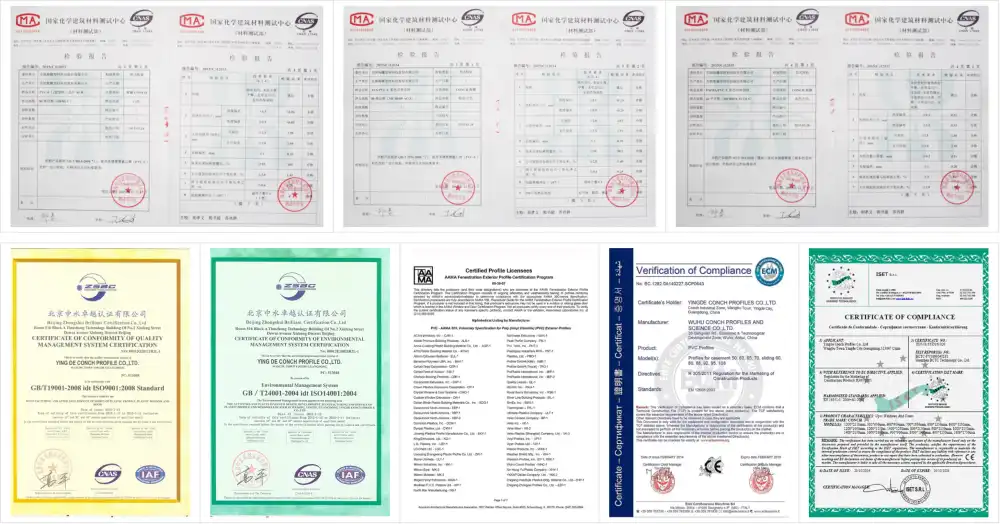
Working with CONCH, a top aluminum profile supplier, we make sure that the materials are the same from one production run to the next. This is very important for OEM clients whose brands depend on quality and reliability. Our knock-down packaging cuts the size of containers by about 30%, which lowers your transportation costs and makes it easier to handle your goods at regional distribution points. Each shipment comes with full technical parameter sheets, assembly directions, and video tutorials that show how to put the products in a way that makes sure they work as well as the manufacturers say they will.
There are many ways to customize your order, such as powder-coating or anodizing finishes in any RAL color, multi-point locking systems with certain hardware names, and private labeling that protects your brand identity under strong confidentiality agreements. Standard lead times are 25 to 30 days from when you confirm the order to when you receive it. This will help you stick to your project schedules.
Email our technical team at kristin@haolvwindows.com to talk about your needs, get certified test results, or set up visits to the plant for inspections. We offer the engineering support, production capacity, and supply chain stability that your business needs, whether you're looking for an Aluminum Casement Door supplier for current projects or an OEM manufacturing partner.
References
1. American Architectural Manufacturers Association. (2021). AAMA/WDMA/CSA 101/I.S.2/A440-17: North American Fenestration Standard/Specification for Windows, Doors, and Skylights. Schaumburg: AAMA Publications.
2. Department of Energy, United States. (2020). Technical Support Document: Energy Efficiency Program for Consumer Products and Commercial and Industrial Equipment – Residential Windows, Doors, and Skylights. Washington: DOE Building Technologies Office.
3. Lawrence Berkeley National Laboratory. (2019). THERM 7.6 / WINDOW 7.6 Research Version: Documentation and Applications for Fenestration Thermal Performance Calculation. Berkeley: Windows and Daylighting Group.
4. National Fenestration Rating Council. (2022). NFRC 100-2020: Procedure for Determining Fenestration Product U-factors. Greenbelt: NFRC Technical Standards.
5. Passive House Institute. (2018). Criteria for Energy-Efficient Certified Components: Transparent Building Elements (Windows, Curtain Walls, Doors). Darmstadt: PHI Component Database Documentation.
6. Whole Building Design Guide, National Institute of Building Sciences. (2021). Fenestration Systems: Selection Criteria for Energy Performance in Commercial Buildings. Washington: Low-Impact Development Center.
Fast simple channel to send demands lock favorable price for building window door bulk purchases.