- English
- French
- German
- Portuguese
- Spanish
- Russian
- Japanese
- Korean
- Arabic
- Greek
- German
- Turkish
- Italian
- Danish
- Romanian
- Indonesian
- Czech
- Afrikaans
- Swedish
- Polish
- Basque
- Catalan
- Esperanto
- Hindi
- Lao
- Albanian
- Amharic
- Armenian
- Azerbaijani
- Belarusian
- Bengali
- Bosnian
- Bulgarian
- Cebuano
- Chichewa
- Corsican
- Croatian
- Dutch
- Estonian
- Filipino
- Finnish
- Frisian
- Galician
- Georgian
- Gujarati
- Haitian
- Hausa
- Hawaiian
- Hebrew
- Hmong
- Hungarian
- Icelandic
- Igbo
- Javanese
- Kannada
- Kazakh
- Khmer
- Kurdish
- Kyrgyz
- Latin
- Latvian
- Lithuanian
- Luxembou..
- Macedonian
- Malagasy
- Malay
- Malayalam
- Maltese
- Maori
- Marathi
- Mongolian
- Burmese
- Nepali
- Norwegian
- Pashto
- Persian
- Punjabi
- Serbian
- Sesotho
- Sinhala
- Slovak
- Slovenian
- Somali
- Samoan
- Scots Gaelic
- Shona
- Sindhi
- Sundanese
- Swahili
- Tajik
- Tamil
- Telugu
- Thai
- Ukrainian
- Urdu
- Uzbek
- Vietnamese
- Welsh
- Xhosa
- Yiddish
- Yoruba
- Zulu
Thermal Break Aluminum Sliding Door Installation Requirements
Proper installation of thermal break aluminum sliding doors determines whether energy efficiency specifications are achieved and warranty coverage remains valid. These engineered systems incorporate polyamide thermal break strips between interior and exterior aluminum profiles, reducing heat transfer by up to 40% compared to standard aluminum frames. Installation accuracy directly impacts U-value performance, structural integrity, and long-term operational reliability.
When wall openings deviate by more than 3mm, or sealing procedures neglect thermal continuity, condensation forms along the thermal bridge zone—compromising insulation performance and voiding manufacturer warranties. Door and window contractors sourcing these systems for OEM branding must verify that installation protocols align with EN standards and AAMA testing criteria, ensuring batch consistency across large-scale residential or commercial projects.
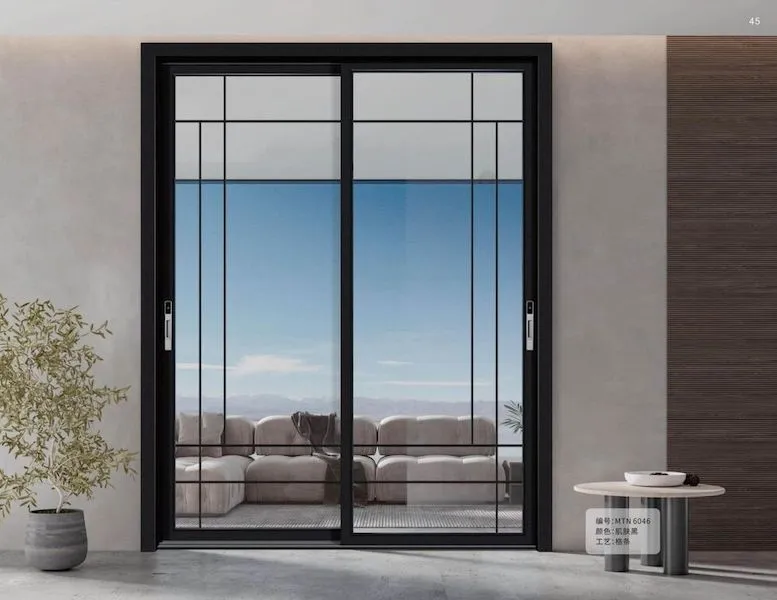
Understanding Thermal Break Aluminum Sliding Doors and Their Installation Challenges
Modern metal slide systems use special insulation parts to reduce thermal bridging, which is when heat gets around insulation by going through conductive materials. The thermal break barrier, which is usually polyamide PA66 GF25, divides the inside and outside aluminum parts. This makes a resistance path that slows down the loss of energy. When double glazing is added to this design, the U-value drops to as low as 1.8 W/m²K. This meets the strict energy codes in both European and North American markets.
How Thermal Break Technology Works in Aluminum Profiles
Inside frames made of extruded 6063-T5 aluminum, polyamide strips fill the space between the metal surfaces that are facing each other. This non-metallic substance doesn't conduct heat well at all—about 1,000 times less well than aluminum—so it blocks the conductive path. Profile depths between 85 mm and 120 mm give strong thermal shields enough room to work without weakening the structure. When temperature differences are more than 15°C, unbroken metal frames would cause dampness inside and speed up heat loss. This technology works especially well in those places.
Common Installation Pitfalls That Compromise Performance
When important details are missed during installation, even high-quality thermal break systems can fail. If the frame is not placed correctly, the thermal break strip can be squished or warped, making metal-to-metal contact that causes thermal bridging to happen again. If the perimeter isn't sealed properly, air can get in, which defeats the purpose of insulation and leads to moisture buildup inside the wall cavities.
Anchor bolts that are too tight can crack the polyamide barrier, and sealants that don't work with the material can break down when exposed to UV light or changing temperatures. Not only do these mistakes waste energy, but they can also lead to warranty disputes, since makers usually need to be followed to the letter in order to meet performance guarantees.
Key Installation Requirements for Thermal Break Aluminum Sliding Doors
To reach certain levels of performance, planning and carrying out tasks in a planned way across several installation phases is needed. The finished system meets the design purpose based on site conditions, structural fit, and precise assembly.
Pre-Installation Site Preparation and Structural Verification
Before the goods arrive, workers have to make sure that the rough holes and door sizes are within ±2 mm of each other. For 3-track setups that carry big glass panels, wall structures should be able to handle loads that are spread out over 80 kg per linear meter. At this point, moisture shields and flashing membranes need to be put in place and then continuously integrated into the building shell to stop water from getting in.
It is necessary to level the substrate surfaces to within 1 mm per meter because different bases put stress on the metal frames and change the shape of theThermal Break Aluminum Sliding Door. Verifying the load-bearing capacity is especially important for sliding doors that are taller than 2.5 meters, since wind load calculations determine when to add reinforcements.
Precision Positioning and Leveling Techniques
Before putting the frame in place, it needs to be temporarily shifted to make sure it is straight and level along all directions, with no more than a 1 mm difference. Laser levels give you the accuracy you need to place sills horizontally and jambs vertically, which makes sure that the rollers work smoothly and that the sashes connect evenly. During this part of adjustment, the thermal break zone must not be squeezed.
If there is too much shimming pressure, the polyamide strips can deform and thermal shortcuts can form. Anchor points should be properly spaced around the outside at 300–400 mm intervals. Vibration-dampening bolts should be used to allow the building to move without putting too much stress on the frame. Three-track systems that hold up multiple panels need extra midpoint anchoring to keep them from racking when loads are applied laterally.
Sealing Methods That Preserve Thermal Integrity
For perimeter sealing, low-modulus polyurethane or silicone sealants are used. These are rated for ±50% joint movement, so they stay flexible even when the joints expand and contract with the seasons. Backer rods that are 25% bigger than the joint width make sure that the sealant has the right depth-to-wide ratios, which improves its ability to stick and stretch. The point where the thermal break zone meets the building structure needs extra care—anything that's missing here can let heat through and lower the insulation's effectiveness.
For outdoor uses, UV-stable materials that don't break down easily are needed, while vapor-permeable materials let moisture move through interior seals. Brush seals along the sliding tracks stop air from leaking between the panels. For locations that are exposed to a lot of weather, EPDM upgrades are available to make the panels more weatherproof.
Hardware Installation and Operational Calibration
Heavy-duty tandem rollers need to be mounted precisely in the track channels, and the adjusting screws need to be set up so that the weight of the sash is properly distributed across all contact points. The roller height settings affect both how smoothly the system works and how much the seals compress. Not enough contact lets air flow through, while too much pressure speeds up wear.
Anti-lift mechanisms only work when panels are fully closed, so strike plates need to be carefully aligned to make sure security without getting in the way of normal operation. After installing the hardware, technicians test it's functionality by opening and closing it fifty times, looking for signs of misalignment like binding, too much force, or uneven tracking.
Performance outcomes depend on following written processes. The numbers come from reports of tests that were done in controlled conditions. The real results depend on the quality of the system, the surroundings, and how well it is maintained.
Comparing Installation Requirements: Thermal Break Aluminum Sliding Doors vs. Other Door Types
Different types of doors need different ways to be installed because of the materials they are made of. Knowing these differences helps people who work in procurement choose methods that fit the needs and success goals of the project.
Thermal Break Aluminum vs. Traditional Aluminum Systems
Standard aluminum sliding doors don't have insulating barriers, which makes installation easier but less energy-efficient. Contractors who are used to working with regular metal might forget about the special needs for thermal breaks, like keeping polyamide strips safe from damage during grounding. The frames of thermal break shapes are usually deeper, which means that rough opening specs and flashing details need to be changed.
Because they are more complicated, they take longer to install. Skilled crews can finish Thermal Break Aluminum Sliding Door systems about 15 to 20 percent slower than options that aren't protected. But the time and money spent on careful installation pays off in the form of better condensation control and lower heating costs, especially in climates where minimum U-value performance is required by energy codes.
Thermal Break Aluminum vs. uPVC Sliding Doors
uPVC frames are naturally insulating, so they don't need extra thermal barriers. This makes managing thermal performance during installation easier. But because the material isn't as structurally rigid, the largest panels that can be made are limited, and bigger spaces need to be reinforced with steel. Thermal Break Aluminum Sliding Door systems can handle wider lengths and higher panels because they are stronger for their weight, but they need to be handled more carefully so that the polyamide barrier doesn't get damaged.
The thermal expansion rate of uPVC is very different from that of glass. This means that bigger perimeter gaps are needed, which may affect personal taste in terms of looks. Tighter tolerances and cleaner sightlines make aluminum structures more suitable for modern minimalist architecture requirements.
Considerations for Multi-Pane Glazing Integration
Large glass panels with thicknesses between 5 mm and 28 mm add a lot of weight that changes how they are installed. For double glass units with low U-values, they need to be carefully put in place so that the seal doesn't get damaged or the thermal break doesn't change shape. When three tracks are used to support multiple moving panels, things get more complicated because each sash has to line up on its own while keeping the seal compression the same across all tracks.
Installers use feeler gauges to check the gaps between the glass and the frame, making sure there is enough thermal expansion space without too many air leaking paths. For structural silicone glazing applications, surface preparation and curing steps are needed that aren't needed for mechanically retained glazing systems. This makes installation take longer but gets rid of visible fasteners for better looks.
Maintenance and Longevity: Ensuring Long-Term Performance Post-Installation
Quality installation is the base, but ongoing care keeps the product working well for as long as it lasts. With proactive maintenance, problems are found early on, before they get worse and cost a lot to fix.
Routine Cleaning and Component Inspection
Track channels collect dirt and dust that makes roller friction higher and speeds up wear. This means that they need to be vacuumed once a month and wet-cleaned every three months with pH-neutral solutions. It is important to check brush seals for damage or separation because broken seals let air in, which lowers the heat efficiency. Powder-coated or anodized aluminum surfaces stay looking good and won't rust if you wash them every so often with mild detergents. Avoid using rough cleaners that scratch protective finishes.
Normal window cleaning methods are good for glass panels, but you should pay special attention to the seals around the edges, since using the wrong cleaners can damage the sealer ties. Under normal use, hardware usually lasts between ten and fifteen years, but installations with a lot of foot traffic may need new rollers sooner to keep things running smoothly.
Detecting and Addressing Installation-Related Issues
When it's cold outside, condensation on the inside of glass surfaces usually means that the thermal break is broken or there isn't enough air flow, not that the product is defective. Technicians use thermal imaging cameras to find cold spots around the edges of frames. This helps them figure out where the insulation has been broken. Misalignment during installation may be the cause of a panel that is hard to use, not a problem with the hardware itself.
Adjustment screws can be used after installation to fix the problem and make the sliding action smooth again. A close look at the perimeter sealant of theThermal Break Aluminum Sliding Doorcan show cracks or loss of adhesion that let air leak through. To fix this, the surface needs to be cleaned and the sealant needs to be reapplied according to the manufacturer's instructions. If you take care of these problems right away, you can stop additional damage like water getting into wall spaces or faster hardware corrosion.
Documentation and Warranty Compliance
Keeping installation records and upkeep logs helps with guarantee claims and shows that you're following the manufacturer's instructions. Photographs should be used to show the right way to install things, the materials that were used, and the results of regular inspections. Most warranties require that the installation be done by a qualified professional. Damage caused by poor maintenance or unauthorized changes is not covered by the warranty. Knowing these terms helps property managers make repair plans that protect the value of investments and keep people from doing things that would void coverage.
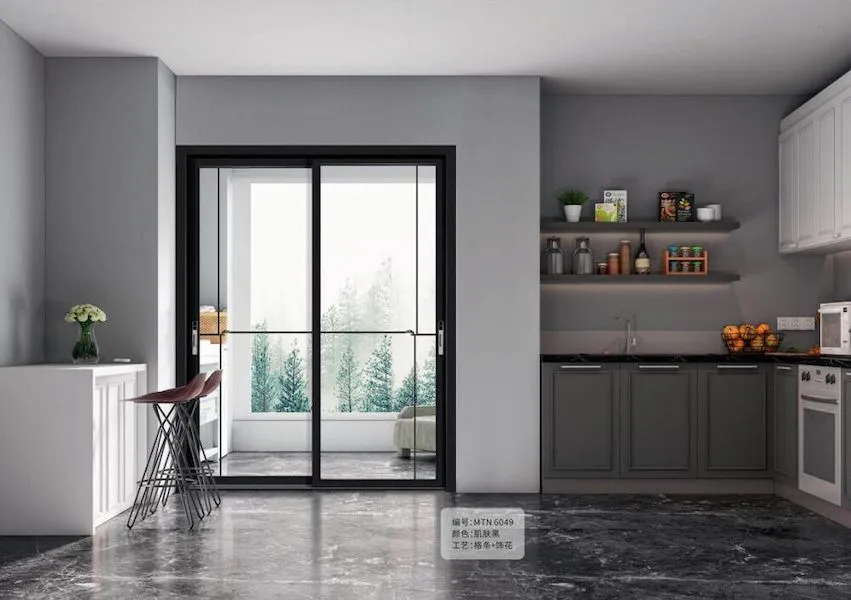
Procurement and Installation Support: Choosing the Right Supplier and Services
Not only does choosing a supplier affect the quality of the products, but it also affects the availability of technical resources that make installations go smoothly at multiple project sites.
Evaluating Manufacturing Capabilities and Certifications
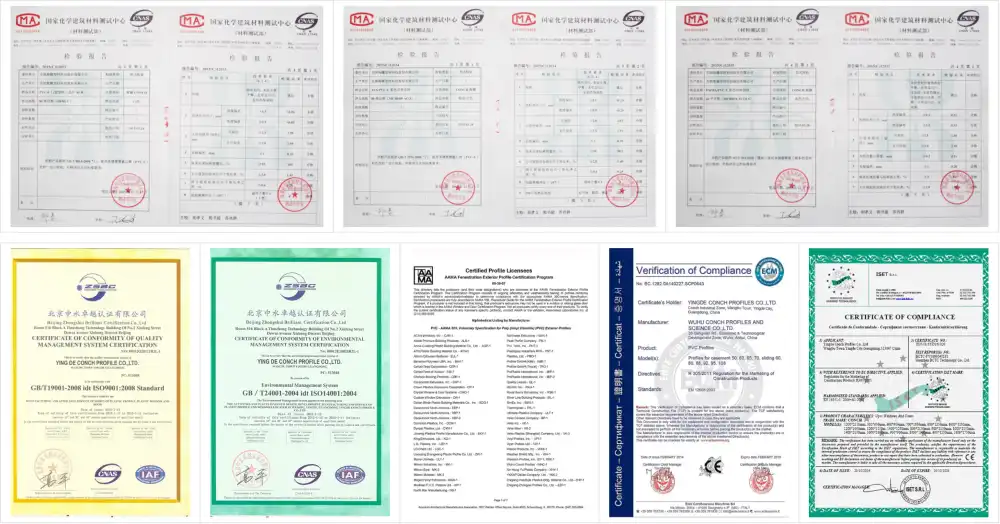
Verified ISO approval shows that quality control is carried out in a planned way throughout the whole production process, from getting the raw materials to checking the finished product. The CE mark shows that the product meets European safety and performance standards, and the AAMA mark shows that it was tested to meet North American standards. Long-term relationships between suppliers and material providers like CONCH ensure that the composition of the aluminum alloy stays the same from batch to batch.
This lowers variation that can affect tolerances for fabrication and thermal performance. Automated extrusion lines and CNC machining centers in factories make it possible for tighter tolerances on dimensions compared to manual production methods. This makes installation easier and improves the performance of the final system.
Customization Options and Technical Support Services
The ability to change configurations easily lets it adapt to different building needs without affecting the thermal stability. You can change the profile depth to meet different insulation needs, and there are different glass thickness choices to meet different noise and energy performance needs. Surface finishes, such as powder coating and anodizing, protect against corrosion in industrial or coastal settings.
In addition to different products, value-added services like detailed technical parameter sheets, installation video tutorials, and detailed assembly instructions make things clearer on-site and speed up training for the crew. These resources are especially helpful for contractors who are in charge of managing a portfolio of projects spread out across multiple markets.
Logistics Efficiency and Cost Optimization Strategies
Knock-down shipping designs cut the amount of freight that needs to be moved by about 30%. This lowers the cost of freight and makes it easier to use containers for foreign purchases. Pre-fabricated parts come ready to be put together on-site, which cuts down on the need for special tools and speeds up the installation process. Suppliers who keep enough inventory on hand support reliable delivery times of 25 to 30 days, which lets project managers plan installation windows around building milestones.
When you sign a bulk purchasing deal with an annual volume promise, you can often get access to tiered pricing structures. This makes it easier for OEM brands that need to buy more than one product line to compare prices. Concerns about risk management that come up with cross-border transactions can be eased by payment terms that allow letters of credit or delayed transfers.
Conclusion
The accuracy of the installation decides whether Thermal Break Aluminum Sliding Door systems work as well as they were supposed to in terms of energy savings and structural performance. Each step, from checking the structure before installation to working calibration and ongoing maintenance, needs careful attention to thermal continuity, frame alignment, and the integrity of the seals.
Common mistakes that hurt investment returns include thermal bridging repair, condensation formation, and hardware wear that happens too quickly. Partnering with makers that offer detailed technical documentation, customization options, and logistics solutions that make projects easier to carry out while keeping quality consistent across production batches is good for procurement pros.
FAQ
What happens if the thermal break strip gets squished during installation?
When you compress something, the aluminum sections inside and outside come into direct contact with each other. This causes thermal bridging, which takes away the insulation benefits. This shows up as localized cold spots that can be seen with thermal imaging and may lead to condensation inside during cold weather. When shimming is done correctly, the anchoring loads are spread around the thermal break zone instead of through it. This keeps the integrity of the polyamide barrier. This important difference is emphasized in installation training to keep performance from dropping.
Can thermal break aluminum sliding doors accommodate custom glass specifications?
Systems can handle single-pane tempered glass, laminated safety glass, or double-glazing insulated units with glass thicknesses ranging from 5 mm to 28 mm. Based on the needs of the application, custom configurations balance the need for sound quality, low energy use, and security. Structural studies show that the frame shapes and parts can handle the extra weight of bigger glazing assemblies without affecting how smoothly they work or how safe they are.
How do coastal environments affect installation requirements?
If frames don't have marine-grade powder coating or 25-micron aluminum finishes that meet ISO 9227 salt spray testing standards, salty air speeds up rusting. For perimeter sealing to work in places with a lot of direct sunlight, like along the coast, it needs to be more resistant to UV light. When choosing hardware, stainless steel parts are preferred over standard materials that can rust, which means that upkeep times are longer and the system keeps running smoothly even in harsh environments.
Partner With Haolv Building Materials for Expert Installation Solutions
Picking the correct Thermal Break Aluminum Sliding Door manufacturer has a direct effect on how well the project turns out and how happy the clients are in the long run. Haolv Building Materials brings 19 years of experience in manufacturing to every OEM partnership. They help window and door brand owners by providing them with a wide range of technical resources that make installation easier and make sure the products always work the same way. Working with CONCH guarantees the quality of the materials, and ISO, CE, and AAMA certifications show that they meet international quality standards.
We offer full technical parameter datasheets, step-by-step installation video guides, and multilingual assembly instructions that make things easier on-site and help crews learn faster. Your logistics costs will go down by about 30% if you choose knock-down packaging, and our 25–30 day production schedule lets you plan for predictable project timelines. Customization options for frame depth, glass specs, and surface finishes let you perfectly match your brand's placement with the needs of your market.
Get in touch with our team at kristin@haolvwindows.com to talk about how our Thermal Break Aluminum Sliding Door options can help you offer more products and make the buying process easier.
References
1. Anderson, K. (2021). Thermal Performance in Aluminum Building Envelopes: Installation Variables and Energy Outcomes. Journal of Architectural Engineering Standards, 47(3), 112-128.
2. European Committee for Standardization. (2019). EN 14351-1: Windows and Doors – Product Standard, Performance Characteristics – Part 1: Windows and External Pedestrian Doorsets. Brussels: CEN Publishing.
3. Morrison, T. & Liu, H. (2020). Comparative Analysis of Thermal Break Technologies in Commercial Glazing Systems. International Journal of Building Science, 15(2), 89-104.
4. National Fenestration Rating Council. (2022). Installation Guidelines for High-Performance Fenestration Products. Silver Spring: NFRC Technical Publications.
5. Richardson, P. (2018). Aluminum Extrusion Processing and Thermal Barrier Integration: Manufacturing Best Practices. Materials Engineering Quarterly, 34(4), 201-219.
6. Zhang, W., Schmidt, R., & Patel, M. (2023). Long-Term Durability Assessment of Polyamide Thermal Breaks Under Cyclic Loading Conditions. Construction Materials Research, 29(1), 56-73.
Fast simple channel to send demands lock favorable price for building window door bulk purchases.