- English
- French
- German
- Portuguese
- Spanish
- Russian
- Japanese
- Korean
- Arabic
- Greek
- German
- Turkish
- Italian
- Danish
- Romanian
- Indonesian
- Czech
- Afrikaans
- Swedish
- Polish
- Basque
- Catalan
- Esperanto
- Hindi
- Lao
- Albanian
- Amharic
- Armenian
- Azerbaijani
- Belarusian
- Bengali
- Bosnian
- Bulgarian
- Cebuano
- Chichewa
- Corsican
- Croatian
- Dutch
- Estonian
- Filipino
- Finnish
- Frisian
- Galician
- Georgian
- Gujarati
- Haitian
- Hausa
- Hawaiian
- Hebrew
- Hmong
- Hungarian
- Icelandic
- Igbo
- Javanese
- Kannada
- Kazakh
- Khmer
- Kurdish
- Kyrgyz
- Latin
- Latvian
- Lithuanian
- Luxembou..
- Macedonian
- Malagasy
- Malay
- Malayalam
- Maltese
- Maori
- Marathi
- Mongolian
- Burmese
- Nepali
- Norwegian
- Pashto
- Persian
- Punjabi
- Serbian
- Sesotho
- Sinhala
- Slovak
- Slovenian
- Somali
- Samoan
- Scots Gaelic
- Shona
- Sindhi
- Sundanese
- Swahili
- Tajik
- Tamil
- Telugu
- Thai
- Ukrainian
- Urdu
- Uzbek
- Vietnamese
- Welsh
- Xhosa
- Yiddish
- Yoruba
- Zulu
Key technologies in UPVC windows and doors manufacturing
When developers and general builders look at window and door providers, they do more than just look at the products they offer. Your project's ability to stay on budget, meet energy codes, and ship without damage is all based on the engineering behind UPVC door & window profiles. We've learned that manufacturing accuracy has a direct effect on your procurement outcomes, from freight costs to installation timelines, after working with curtain wall integrators for almost 20 years and supporting commercial projects across North America.
Modern UPVC door & window profile systems use material science, thermal engineering, and modular design strategies to meet strict NFRC standards while lowering the overall cost of the project. This guide breaks down the main technologies that make the market work better and cost less these days.
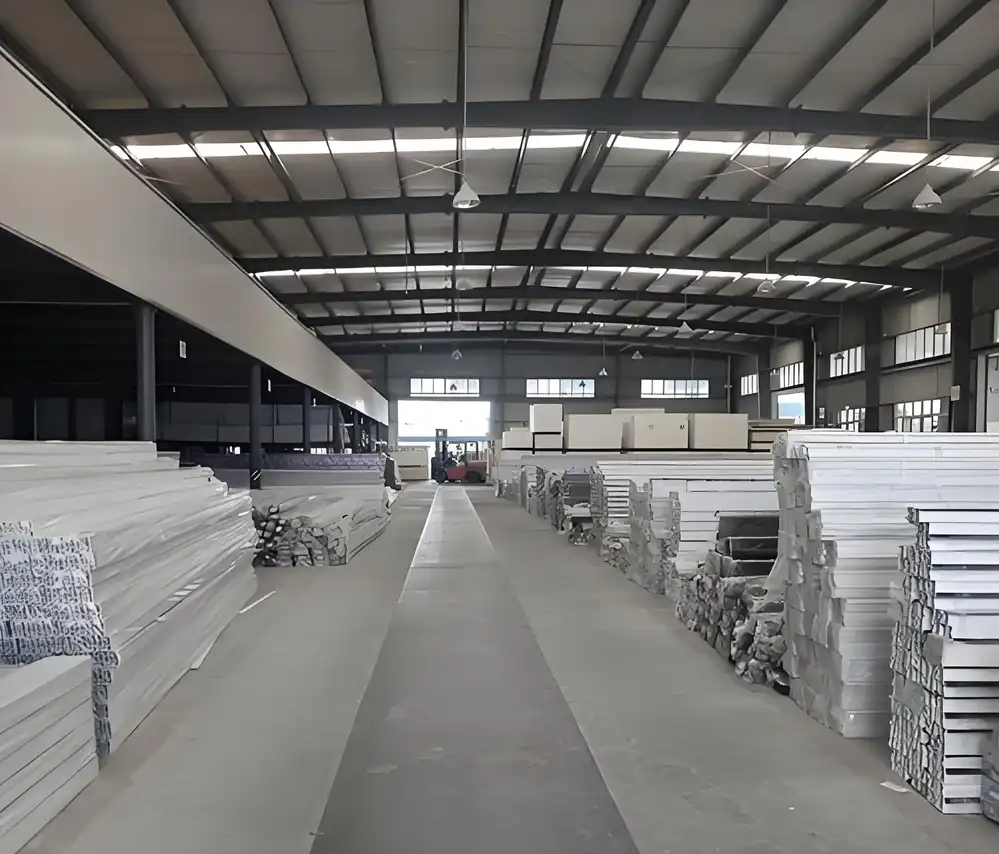
Understanding UPVC Profiles: Materials, Design, and Manufacturing Processes
Core Material Composition and Polymer Engineering
High-performance UPVC door & window profiles start with polyvinyl chloride compounds that have not been plasticised. These are rigid polymers that are stabilised with calcium-zinc additives instead of lead, which is legal in the US because it doesn't harm the environment. The molecular structure of the base resin doesn't let water or chemicals break down, which is why these profiles stay the same size when the temperature changes from -40°F to 140°F.
Our relationship with top resin providers at Haolv Building Materials guarantees stability from batch to batch, which is important when you're planning residential projects with 500 units. The thickness of the outside wall is between 2.0 mm and 3.0 mm, which is the right amount of material economy and structural integrity for profiles that range from home windows to commercial entrance systems.
Multi-Chamber Architecture for Thermal Performance
Modern shapes are different from old single-chamber models because of the cross-sectional design. Our systems have between 3 and 7 internal chambers, which are hollow spaces separated by precisely extruded walls that keep air in and stop heat from moving. As more chambers are added, the U-value goes down, and when the right glazing is used, the thermal performance drops below 0.30 Btu/(h·ft²·°F).
This architecture isn't just about how much insulation it has. Multi-chamber designs keep things rigid without being too heavy, which lowers the cost of shipping per linear foot. The walls of the chamber also act as drainage channels, moving condensation away from weak spots. This feature makes the product last longer in humid places like coastal areas.
Reinforcement Integration and Structural Capacity
Standard UPVC door & window profiles can handle normal wind loads for low-rise buildings, but commercial projects and areas that are prone to hurricanes need more strength. During building, galvanised steel reinforcement channels slide into specific spaces and turn the shape into a composite structure. This extra reinforcement makes the structure more resistant to side forces without adding any obvious bulk, which is what builders like because it keeps the sightlines clear.
It's very important that the steel assembly is done with very small errors—even a 1mm difference in alignment can cause heat bridges or welding problems. Modern production lines use automated insertion systems to keep the quality of thousands of units consistent. This is something that you should check when you are looking at potential suppliers.
Precision Extrusion and Surface Finishing Technologies
Profile extrusion works at temperatures close to 400°F by forcing molten UPVC through specially designed dies to make shapes with complex cross-sections. Cooling baths stabilise measurements right away, stopping bending that could make later weathertight assembly less reliable. Some post-extrusion methods are co-extrusion, which adds a coloured or textured cap layer during the main extrusion, and foil lamination, which uses heat and pressure to connect decorative films to cooled profiles.
Co-extruded finishes are better at blocking UV rays than painted surfaces, so the colour will stay the same after 20 years of direct sunlight. Woodgrain laminates look like the curves of oak, walnut, or mahogany. They give you a lot of style options and let your projects match local building styles without the upkeep of real wood frames.
Innovations Enhancing Thermal and Acoustic Insulation Performance
How Multi-Chamber Geometry Reduces Heat Loss
When heat goes around insulation and through conductive materials, this is called thermal bridging. This makes badly made profiles less energy efficient. Modern chamber layouts break up these paths by making heat transfer routes that wind around and around. UPVC door & window profiles with 5 or more rooms place the inside walls so that there are as many air holes as possible between the outside and inside surfaces. This forces heat through many resistive barriers.
When specifying profiles for California Title 24 compliance or LEED-certified projects, it is necessary to ask for chamber count specifications and U-value test reports. These values are measured by independent labs according to NFRC guidelines. This gives procurement teams statistics that can be used to compare manufacturers.
Glazing System Compatibility and Energy Optimization
Profile systems can handle single glazing (5 mm) up to triple-insulated units (36 mm total thickness), but double and triple configurations are becoming more popular in North America. The glazing rebate, which is the profile tube that holds the glass, needs to be the same width as the IGU (insulated glass unit) while still having enough bite depth for structural safety.
Triple glazing has U-values of about 0.20, but it makes the building heavier, which puts stress on the hinges and operators. To reach thermal goals while also making sure hardware lasts as long as possible, profile makers, glass cutters, and hardware sellers need to work together. This is easier to do when working with suppliers that offer complete system solutions instead of just selling parts.
Acoustic Insulation Through Sealing and Geometry
UPVC door & window profiles can be used for domestic projects in cities near airports or traffic corridors because they have sound transmission class (STC) scores between 30 and 45 dB. Sealing continuity and profile mass are the two things that determine acoustic performance. Double or triple EPDM gaskets press against sashes to close off air gaps. Thick profile walls and laminated glazing reduce the transfer of vibrations.
In a strange way, UPVC's lower density makes it better at blocking sound than aluminium profiles because it absorbs vibrating energy instead of reverberating like metal frames do. Concerns about noise that come up during project planning can be eased by choosing shapes with specific acoustic chambers and compression seals. These features can raise STC ratings without making the project much more expensive.
Durability, Maintenance, and Color Options – Meeting Diverse Client Needs
Material Additives Extending Service Life
UV stabilisers and impact modifiers that are built into UPVC door & window profile compounds protect against the two main ways that things age: photodegradation and mechanical stress. Titanium dioxide absorbs UV light, which stops the breaking down of polymer chains that leads to yellowing and weakening. Impact stabilisers, which are acrylic elastomers spread out in the material, cushion shock from hail or accidents and stop cracks from spreading.
These additives make performance possible in harsh conditions. Formulations that have been tested under accelerated weathering protocols (ASTM G154), which simulate decades of exposure in weeks, are useful for projects that will be used in the Arizona desert or the winters of Minnesota. UPVC door & window profiles that have passed such rigorous testing give extra confidence, because asking for proof of weathering tests helps buying teams stay away from profiles made for mild areas when your project needs more.
Maintenance Protocols and Lifecycle Cost Considerations
UPVC is known for being low upkeep because it doesn't rot, rust, or get damaged by insects, which are problems that wood and even powder-coated aluminium have over time. As part of regular maintenance, wash the item with water and a mild detergent. Stay away from rough cleaners that damage the protective layers on the surface. Every two to three years, the gaskets may need to be oiled, and regular adjustments to the hardware keep everything running smoothly.
For profile integrity, warranties usually last between 10 and 15 years, and separate warranties are often given for laminated finishes. Knowing the warranty terms, especially the ones that don't cover things like improper installation or exposure to chemical solvents, will keep your business from having to pay for replacements that you didn't expect. Note: The actual performance characteristics depend on the testing reports that manufacturers give us.
Aesthetic Flexibility Through Color and Finish Options
Standard white UPVC door & window profiles are still a good deal for business and residential buildings, but custom colours and woodgrain finishes give you more design options. Thermal bonding methods make foil lamination solid and come in hundreds of colours, from architectural bronze to custom RAL matches. Woodgrain films imitate the grain patterns of different types of wood, which makes them appealing to places where natural looks are important.
Colour consistency across large orders is important. Check with suppliers to see if they make their own films or buy them from other companies. Having the ability to laminate in-house usually means better batch matching. This is something to talk about when your project needs 200 or more matching units delivered over several phases of construction.
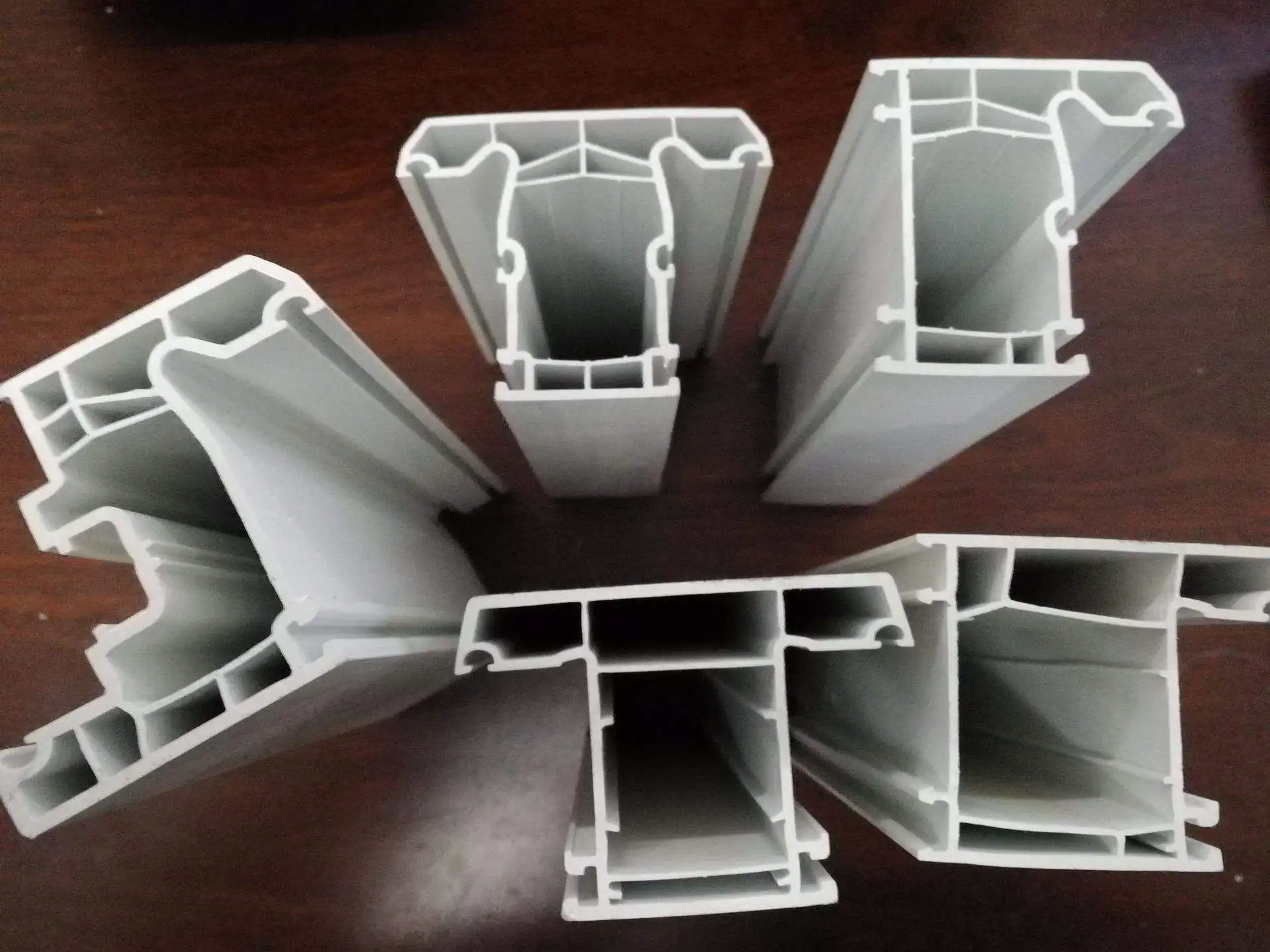
Comparing UPVC Profiles with Alternative Materials for Informed Procurement Decisions
Thermal Efficiency and Energy Cost Implications
When it comes to insulation, UPVC door & window profiles work better than normal aluminium frames. They can get U-values that are 40–50% lower without thermal breaks. Aluminium is very good at conducting heat (205 W/m·K vs. 0.17 W/m·K), so polyamide thermal breaks are needed to stop the flow of heat. This makes things more expensive and complicated. UPVC systems meet performance standards and are easier to build, which is good for developers who want to make net-zero energy buildings or take advantage of utility refund programs.
Wood frames are just as good at insulation as UPVC frames, but they need to be sealed, painted, and kept from rotting over time, which raises the costs over the life of the product. Over the 30-year life of a building, UPVC's low maintenance often makes up for its higher initial costs compared to basic wood windows. This is especially true in rental properties where quick maintenance response affects tenant satisfaction.
Durability and Climate Resilience Comparison
In high-traffic areas like shopfronts, aluminium frames are better at resisting impact than UPVC. However, UPVC's flexibility keeps it from breaking completely when fast loads are applied. Impact testing (ASTM E1996) shows that UPVC features bend a little and then straighten out, but aluminium dents forever. Neither metal rusts, which is a benefit over steel frames in seaside settings.
Because wood is easily damaged by water and living things, it can't be used in humid areas unless it is treated and cared for in a thorough way. If the right steps are taken for anchoring and draining, UPVC systems in storm zones along the Gulf Coast can stand up to wind-driven rain and salt spray. In the end, choosing the right material comes down to matching the needs of the structure, the weather, and the ability to be maintained.
Market-Leading Profile Systems and Supplier Reliability
Brands like VEKA, Rehau, and Deceuninck have built their reputations over many years of performance data and certifications from a lot of tests. These companies spend money on researching materials and coming up with their own special compounds and extrusion methods that younger makers might not have. But UPVC door & window profiles from new providers who work with well-known plastic makers and put money into quality systems that are ISO-certified can offer similar performance at lower prices.
When looking at different providers, you should ask for thermal performance, structural strength, and weatherability test results from a third party. When you visit production facilities, you can see how advanced the equipment is and how strict the quality control is. These are all things that have a direct effect on the success of your project. A lot less risk is involved in the procurement process when the supplier has worked on projects similar to yours in terms of scope and climate.
Procurement Guide: Sourcing, Customization, and Logistics of UPVC Profiles
Selecting Suppliers and Understanding Order Parameters
Suppliers with a good reputation can be told apart by their certifications (ISO 9001, CE marking), production capacity, and technical support. Different manufacturers have different minimum order quantities. Some need full container loads (1,500 to 3,000 linear meters), while others can handle smaller project volumes through consolidated shipping programs. Making MOQs clear early on keeps project costing from being a surprise.
Check to see if the sellers offer full systems that include UPVC door & window profiles, glazing, hardware and weatherstripping, or if they only offer profiles. Integrated system sources make it easier to coordinate, making sure that all of the parts work together and giving one person responsibility for the guarantee. This method helps general builders who are in charge of many trades, but it might limit the choice of hardware brands compared to getting parts separately.
Customization Capabilities and Technical Coordination
Standard UPVC door & window profile sizes work for most uses, but business projects often need special extrusions with different chamber numbers, different ways of arranging the reinforcements, or specific colour matches. Custom tooling has lead times of 6 to 12 weeks, plus production time. This means that getting involved early is very important for keeping to project deadlines.
When a supplier has its own engineering team, it can change profiles to fit architectural plans and check for any problems with structure penetrations or flashing features before the fabrication process starts. By working together, changes made in the field and delays in installation are cut down, which protects project schedules. Ask for sample cross-sections early on in the design process to make sure that the profile sizes match up with the wall assemblies and rough openings.
Optimizing Logistics Through Component Assembly Strategies
Shipping fully assembled window units costs more because there is empty space inside the frames and fragile glass needs to be packed in protective materials. Delivering UPVC door & window profiles, glazing and hardware as different parts that can be put together on-site or in a nearby area cuts down on transportation costs by 25–35% for foreign shipping. Profiles stack well in containers, which increases the product density.
This method needs clear installation instructions and training. To make sure that units are put together properly by field workers, leading providers offer detailed assembly guides, training videos and technical hotlines. Talking about assembly workflows during procurement keeps everyone clear on who is responsible for installing the glazing, hardware, and final adjustments.
For standard configurations, production lead times are usually 25 to 30 days from the confirmation of the order. For custom projects, they can be up to 50 days. Adding extra time to construction schedules for delays caused by things like traffic at the port, customs checks, or bad weather doesn't put project milestones at risk. Setting clear rules for how to talk to suppliers and give them updates on progress keeps procurement managers informed throughout the production cycle.
In addition to shipping, after-sales support includes help with installation, handling guarantee claims, and getting new parts. When urgent needs arise, suppliers with distribution centers in North America respond faster than those who only ship from facilities overseas. By learning about support infrastructure before placing large orders, you can keep your business from having to deal with long periods of downtime if problems happen.
For projects that need extra help, we keep detailed technical specification sheets for all profile systems, full installation videos that show how to put them together correctly, and detailed manuals that cover everything from adjusting hardware to keeping it out of the weather. We customise more than just the sizes; we also change the schedules for reinforcements, the way the drainage is set up, and the finish options to fit the needs of your project.
Component-based shipping strategies help transport teams get the most out of the space inside containers, which cuts down on freight costs while keeping arrival times reliable. Our engineering staff works directly with general builders and curtain wall companies to make sure that profiles work well with other systems that make up the building shell.
Conclusion
Material science, precision engineering, and a well-thought-out supply chain are what make UPVC door & window profile systems so well made. The technologies we talked about—multi-chamber thermal design, reinforcement integration, improved surface finishing, and flexible logistics—have a direct effect on the costs of projects, how well they use energy, and how long they last.
When evaluating suppliers, people in charge of buying things should put test documentation, production capacity, customisation options, and support after delivery at the top of their lists. By understanding these technical basics, you can make smart choices that balance the costs of the initial investment with the value that the asset will have over its lifetime. This way, you can meet both performance requirements and financial goals for residential, commercial, and institutional projects.
FAQ
What UPVC profile specifications best suit cold climate installations?
In places where it stays below zero for a long time, UPVC door & window profiles with 5 to 7 chambers and outer walls that are 2.5 to 3 mm thick offer the best heat protection. Putting these together with triple glazing (U-values ≤0.22) and galvanised steel reinforcement keeps the structure strong even when snow is on top of it and keeps heat from escaping. UV-stabilized chemicals stop the brittleness that comes with cold weather that makes seals less reliable over time.
How does manufacturing precision affect profile performance and durability?
Tolerances for extrusion within ±0.2mm keep the wall thickness and chamber alignment consistent, which is important for good gasket seating and thermal efficiency. Automated cutting and welding systems make corners that are square and have full fusion zones that stop air and water from getting in. Long-term weathertightness and lower callback rates are directly linked to precision.
What customization options are available, and what are typical lead times?
It takes 25 to 30 days to ship standard UPVC door & window profiles, but 40 to 50 days for custom extrusions that need new tools. Customisation includes changing the number of chambers, creating custom reinforcement patterns, matching colours, and making changes to the size for glazing thicknesses that aren't standard. Giving architectural drawings early on in the procurement process speeds up the review process for engineers and the making of tools.
Partner with a UPVC Door & Window Profiles Manufacturer You Can Trust
We at Haolv Building Materials have spent 18 years perfecting UPVC door & window profile systems for demanding B2B customers like general builders, developers and curtain wall installers who need to know for sure how well they will work and how to get it done quickly. Our ISO-certified factory uses both automated extrusion lines and CNC precision cutting to make sure that all of our large-volume orders get profiles that meet NFRC and AAMA standards.
We know that it's hard for procurement managers to meet both cost goals and quality standards. Before you place a full order, our expert team will give you free advice on choosing the right profile, custom engineering sketches, and sample packages (freight charges apply) so you can make sure they will work together. We keep a 25–30 day turnaround from order to delivery by keeping enough inventory on hand and streamlining production. This helps us meet tight construction schedules. Get in touch to talk about the details of your project and ask for detailed product datasheets. Visit haolvbuilding.com or email kristin@haolvwindows.com to learn more about how our UPVC door & window profiles supplier services can help your next project.
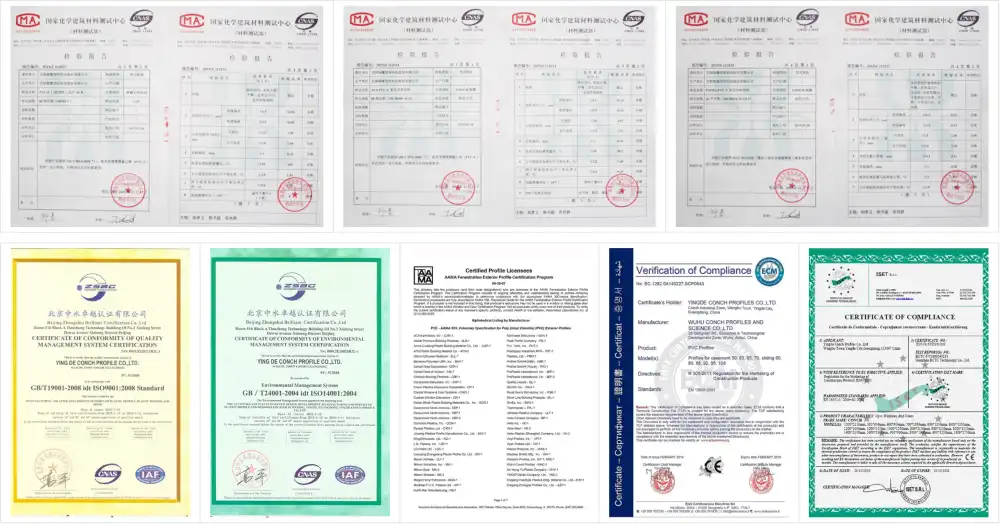
References
1. Smith, J. and Collins, R. (2021). Thermal Performance of Multi-Chamber UPVC Window Systems in Commercial Construction. Journal of Building Envelope Design, 15(3), 142-159.
2. National Fenestration Rating Council. (2022). Technical Certification Standards for Residential Window and Door Products. NFRC Publication 200-2022.
3. Anderson, M. (2020). Polymer Science in Building Materials: UPVC Formulation and Weatherability. Construction Materials Quarterly, 8(2), 78-94.
4. International Organization for Standardization. (2019). Quality Management Systems for Building Products Manufacturing. ISO 9001:2015 Guidelines.
5. Harper, T. and Zhang, L. (2023). Comparative Life Cycle Cost Analysis of Window Frame Materials in North American Markets. Building Economics Review, 29(1), 56-73.
6. Williams, K. (2022). Logistics Optimization in International Building Materials Procurement: Component vs. Assembled Unit Shipping. Supply Chain Management in Construction, 11(4), 201-218.
Fast simple channel to send demands lock favorable price for building window door bulk purchases.