- English
- French
- German
- Portuguese
- Spanish
- Russian
- Japanese
- Korean
- Arabic
- Greek
- German
- Turkish
- Italian
- Danish
- Romanian
- Indonesian
- Czech
- Afrikaans
- Swedish
- Polish
- Basque
- Catalan
- Esperanto
- Hindi
- Lao
- Albanian
- Amharic
- Armenian
- Azerbaijani
- Belarusian
- Bengali
- Bosnian
- Bulgarian
- Cebuano
- Chichewa
- Corsican
- Croatian
- Dutch
- Estonian
- Filipino
- Finnish
- Frisian
- Galician
- Georgian
- Gujarati
- Haitian
- Hausa
- Hawaiian
- Hebrew
- Hmong
- Hungarian
- Icelandic
- Igbo
- Javanese
- Kannada
- Kazakh
- Khmer
- Kurdish
- Kyrgyz
- Latin
- Latvian
- Lithuanian
- Luxembou..
- Macedonian
- Malagasy
- Malay
- Malayalam
- Maltese
- Maori
- Marathi
- Mongolian
- Burmese
- Nepali
- Norwegian
- Pashto
- Persian
- Punjabi
- Serbian
- Sesotho
- Sinhala
- Slovak
- Slovenian
- Somali
- Samoan
- Scots Gaelic
- Shona
- Sindhi
- Sundanese
- Swahili
- Tajik
- Tamil
- Telugu
- Thai
- Ukrainian
- Urdu
- Uzbek
- Vietnamese
- Welsh
- Xhosa
- Yiddish
- Yoruba
- Zulu
Top-Hung Aluminium Windows with Features for Modern Buildings
When builders, contractors, and distributors are looking for reliable ventilation and weather protection in modern business or home projects, the aluminum top hung window has become a popular choice. This type of window has a sash that opens outward from the bottom and is fixed at the top. It keeps rain out and lets air flow freely, making it perfect for high-rise buildings, healthcare facilities, and school sites in a range of climates. Aluminum top hung window systems, in particular, offer added durability and low maintenance, which further strengthens their appeal for large-scale or repeated installations.
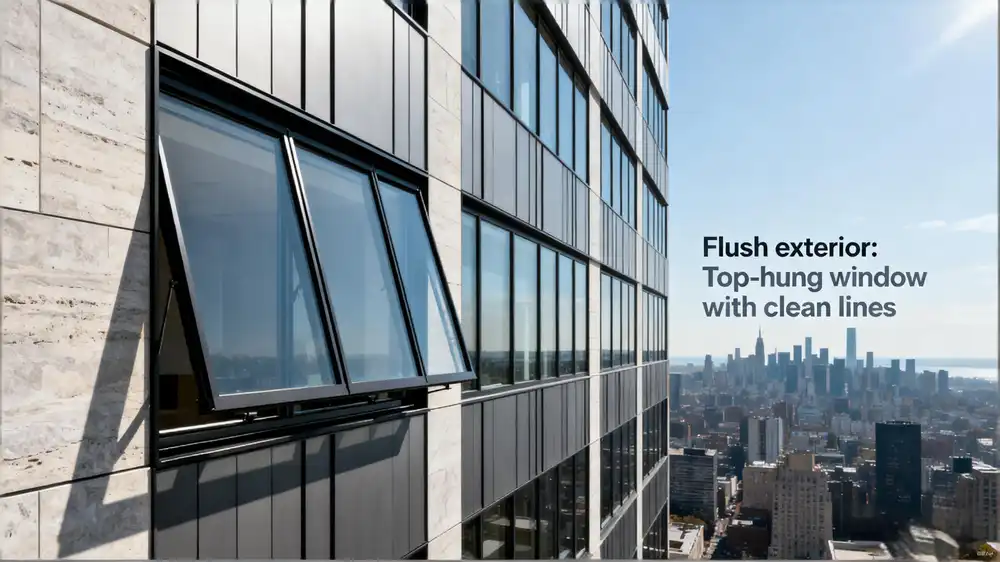
Understanding Top-Hung Aluminium Windows: Features & Benefits
Aluminium windows that are hung from the top have a unique hinge system at the upper frame rail that lets the sash tilt outward from the bottom edge. This design makes a natural awning effect that keeps rain off while letting air flow—a huge benefit for projects that need to be ventilated when the weather is unpredictable.
Core Structural Advantages
The tech behind these windows meets a number of important buying goals. These frames are made from 6063-T5 grade aluminium metal and have profile wall thicknesses that range from 1.4mm to 2.0mm. They are very strong without being too heavy. The alloy's makeup naturally protects against rust, which is especially useful in seaside areas or industrial areas where chemicals and salt spray make materials break down faster. In contrast to ferrous materials, aluminium doesn't warp or expand when the temperature changes. It keeps its shape.
Ventilation Performance in Mixed-Use Buildings
Controlled air flow is needed in modern office buildings and hospital settings without putting safety at risk. When the window opens outward, the sash sticks outward instead of taking up space inside. This is helpful in small bathrooms, hallways, or kitchenettes where furniture placement limits the amount of space available for moving around. The friction stay hinge hardware, which is usually made of 304-grade stainless steel, keeps the sash precisely in place at certain angles, so the window doesn't close all of a sudden when the wind blows.
Weather Sealing and Drainage Systems
Effective water management tells the difference between systems that work and ones that don't. Quality top-hung systems have EPDM rubber gaskets around the edges, which means they meet Class 4 air tightness ratings according to AAMA testing rules. At the meeting rails, complementary brush seals keep dust out when the doors are only partially open. Frame profiles have hidden drainage channels that direct mist and other moisture toward weep holes. This gets rid of the need for drip channels that are obvious and ruin the look of the facade.
Using polyamide strips inside aluminium profiles to prevent thermal bridges lowers the coefficients of heat transfer, which helps meet NFRC standards for energy-efficient envelope design. When paired with low-E double- or triple-glazed units, these windows help lower HVAC loads in a way that can be measured. This is a benefit that can be used in lifecycle cost analysis.
Comparing Top-Hung Aluminium Windows with Other Window Types
When procurement teams are looking at fenestration options, it's helpful to know how performance varies across common configurations. This comparison looks at factors that affect project costs, upkeep plans, and how long a system works.
Operational Efficiency Versus Casement Windows
Casement windows that have been around for a long time hinge on vertical jambs and swing horizontally in or out. Casement windows have large, clear spaces, but they can be hard to use in windy places because sudden gusts of wind can damage hinges or break glass if the sashes are at unsafe angles. Top-hung configurations stay stable in bad weather because they are placed at an outward angle, which directs wind pressure against the closed frame instead of opening the sashes.
Maintenance Requirements Compared to uPVC Systems
uPVC profiles are cheaper to buy at first, but they don't work as well after being exposed to UV light for a long time. This is especially true in places with a lot of sun, like the Southwest of the United States or markets in the Middle East. Within 10 to 15 years, discolouration, brittleness, and lower thermal performance show up, forcing an early replacement. Aluminium shapes that have been coated with PVDF or finished with powder keep their colour and mechanical qualities for decades, which lowers the total cost of ownership even though the initial investment is higher.
Security Advantages Over Awning Windows
When it comes to weather protection, awning windows—which open outward and are hinged at the top—are similar, but they can be hard to get to. By removing the hinge pin, an externally exposed hinge can be used to force entry. Aluminum top hung window designs, however, address this vulnerability directly: top-hung versions put the locking devices along the bottom rail, where they are safe inside the frame cavity and can only be reached from the inside. Multi-point locking systems work better than single-point latches because they engage at three or more frame points, spreading out the stress and making it harder to break in.
Environmental Considerations and Lifecycle Assessment
The fact that aluminium can be recycled at the end of its useful life is a clear environmental benefit. The material keeps its structural properties after being recycled many times without losing any quality, which helps LEED certification goals for reducing waste. Responsible providers use closed-loop production methods where extrusion scrap goes back into production right away, reducing the need to remove raw materials. When comparing foreign metal profiles to local ones, the carbon footprint should take into account how they are made and how far they have to be shipped.
Procurement Guide: How to Buy Top-Hung Aluminium Windows for Your Projects
To find fenestration systems for big projects, you have to coordinate technical specs, delivery logistics, and the abilities of suppliers. This part talks about decision models that are made with general builders, distributors, and curtain wall integrators in mind who are in charge of project-based buying.
Certification Verification and Compliance Documentation
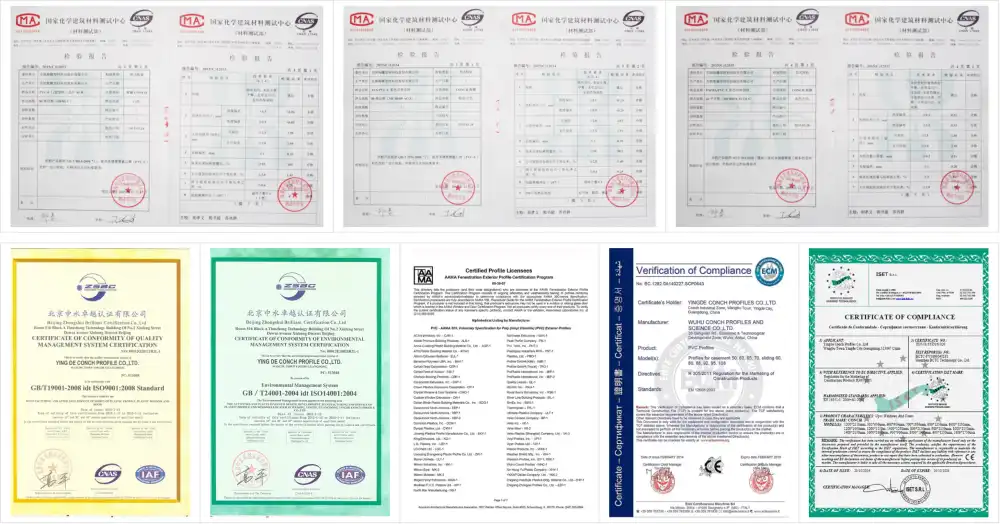
Building rules in the United States require that structures meet AAMA standards for efficiency, resistance to water entry, and air infiltration rates. When looking at different suppliers, make sure they get test results from approved labs that show they meet AAMA 101 for normal window performance or AAMA 450 for curtain wall assemblies. ISO 9001 certification shows a strict quality management system, and CE marking shows that European regulations are being followed. This is important for multinational developers who have to coordinate specifications across borders.
Evaluating Supplier Production Capacity
When projects are due depends on how well makers can increase production numbers without lowering quality. Facilities with automated extrusion lines, CNC precision cutting equipment, and robotic welding stations can make sure that all batch runs are the same, which lowers the chance of mistakes during installation. During source audits, check to see if the production process includes surface treatment tools like powder coating ovens or anodising tanks. If it does, you won't have to rely on outside finishers and wait times will be shortened.
Customization Flexibility and Engineering Support
Standard catalogue sizes don't always match up perfectly with what an architect wants. Suppliers who offer engineering consulting services can help with changing profiles to fit different glazing thicknesses, adding motorised actuators for automatic ventilation, or making sure that everything works with building management systems. Drawing coordination tools make sure that the units built exactly match the shop drawings. This is very important for curtain wall projects that need millimeter-level accuracy for weather sealing.
Knock-Down Shipping Solutions for Cost Optimization
Requesting packages of parts that have been taken apart is a strategy that is becoming more popular among experienced buyers. Instead of shipping window units that are already put together, manufacturers send cut profiles, hardware kits, glass panels, and gaskets in small packages. This knock-down method cuts the size of containers by about 30%, which greatly lowers the cost of shipping across oceans or across country. Local assembly partnerships or in-house technical teams use installation manuals and instructional videos to put units back together on-site. Logistics costs are a big part of many projects' budgets, so this plan works especially well for those.
Lead Time Management and Inventory Strategies
Customised metal windows usually take 25 to 30 days to make, from the time the order is confirmed to the time the windows leave the plant. Project managers should plan the ordering process so that window delivery and rough opening completion happen at the same time. This way, there are no extra costs or damage on-site. Aluminum top hung window models, in particular, are among the most frequently specified for commercial and residential mid-rise projects, so distributors who work on multiple projects at the same time can quickly respond to change orders or project speedups by keeping a buffer stock of common configurations in neutral colours like white, black, or grey.
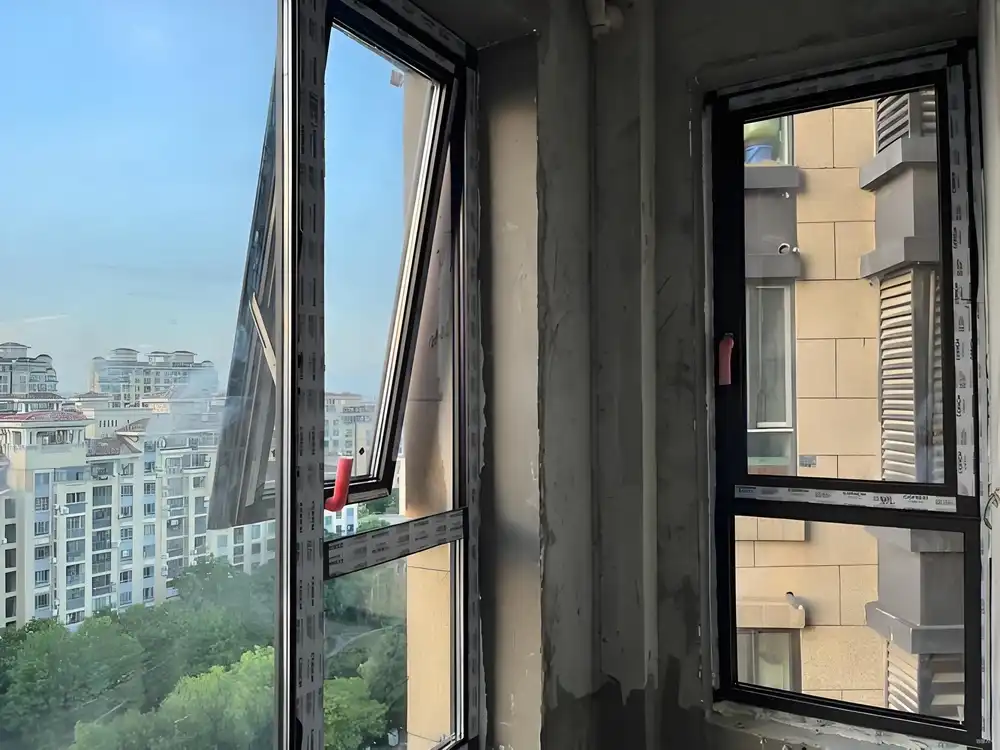
Maintenance and Performance Optimization for Aluminium Top-Hung Windows
For performance to last for decades, upkeep plans need to be proactive and tailored to the climate and the amount of use. These methods keep repair costs low and make things last longer than the usual warranty time.
Routine Cleaning and Component Inspection
Every three months, the condition of the gasket should be checked for cracks or loss of compression, which would make weather sealing less effective. Use soft cloths and pH-neutral detergents to clean metal frames. Do not use rough cleaners that scratch protected coatings. Check the drainage weep holes for clogs caused by bug nests or built-up debris. Clogged drainage channels send water into wall cavities, which does damage that you might not notice.
Hardware Lubrication and Adjustment
When silicone-based lubricants are used every six months to grease the pivot points of friction stay hinges, they work easily. Oils made from petroleum attract dust, which speeds up wear. Every year, multi-point locking mechanisms should be adjusted to make sure that all of the lock points are engaged evenly. If the pressure isn't spread out evenly, it builds up on a few points, which can cause them to fail early.
Glass Package Selection for Climate Adaptation
Optimising thermal efficiency starts with choosing the right glass. Triple-glazed units filled with argon or krypton gas work best for projects in cold climates because they keep U-values below 0.20 BTU/hr·ft²·°F. In hot climates, lowering the solar heat gain coefficient is important. This can be done by putting low-E coatings on surface #2 of double-glazed units, which block infrared radiation but let visible light through. The sound quality in cities is better with laminated glass because the polyvinyl butyral interlayers reduce the transfer of sound.
Installation Precision and Flashing Integration
When installed wrong, even high-end window systems don't work. Rough openings need to be perfectly square—differences of more than 3 mm across diagonal measurements cause frame stress that makes weather sealing less effective. When water-resistant barriers are built into continuous sill pan flashing, they keep moisture from getting into the wall assemblies. Anchoring should be done according to the manufacturer's instructions for bolt spacing and shimming places so that the frame doesn't warp when the temperature changes.
Performance Disclaimer: Actual field performance depends on the conditions at the site, the quality of the installation, and how well the maintenance is done. Instead of depending only on nominal scores when making decisions about what to buy, check the specs with certified test reports.
Future Trends and Innovations in Aluminium Top-Hung Windows
The fenestration business is always changing because of new materials and the use of technology. This affects how project teams plan their purchases in the future.
Smart Integration and Building Automation
Motorised actuator systems can now connect to BACnet or Modbus protocols, which lets building management tools handle everything from one place. When CO₂ levels are high, occupancy sensors set off automatic opening sequences that improve the air quality inside without any help from a person. Aluminum top hung window units are particularly well-suited for such automation because their top-hinged design allows smooth and reliable actuation, and weather stations connect to window controllers so that when rain is detected, the sashes close immediately. This balances air flow with property safety.
Advanced Alloy Development and Surface Treatments
New aluminium alloys have scandium or lithium added to them, which makes them stronger while also making them lighter, which is good for large openings in modern curtain wall designs. Nano-ceramic coating technologies make surfaces less likely to scratch and better at cleaning themselves by repelling water. This lowers the cost of maintenance over the life of a building.
Energy Code Evolution and Compliance Strategies
Title 24 in California and changes to the IECC standards require lower U-factors and higher performance metrics as the rules get stricter. In response, manufacturers have improved thermal break geometries and formed more advanced glass relationships, but the cost of these improvements goes up. To keep systems from becoming obsolete too soon, procurement strategies should try to predict how regulations will change and choose systems with performance margins above the current minimums.
Supply Chain Resilience and Local Sourcing
Recent problems have shown how weak long-term supply lines can be. Diversifying supply networks across several areas lowers the risk of production interruptions in one region. Some developers now give more weight to suppliers with spread-out manufacturing footprints, weighing the benefits of lower costs against the dependability of delivery. The move toward regional manufacturing hubs lowers carbon emissions and makes it easier to meet the unique needs of each project.
Conclusion
Aluminum top-hung windows are an established technology that helps with ventilation, weather protection and making the best use of space in modern building envelopes. Their engineering combines tried-and-true building principles with the latest research in materials, which gives them performance that can be measured in a wide range of demanding situations.
For procurement to go well, technical specifications must match project needs, suppliers must be checked out using real proof instead of marketing promises, and upkeep procedures must be put in place to protect operating integrity. Aluminum top hung window systems exemplify this principle, as their performance depends on precise fabrication, durable hardware, and regular maintenance of hinges and seals. Knock-down shipping, early supplier involvement, and lifetime cost analysis are all strategic methods that help people make smart choices that balance short-term budget needs with long-term value preservation.
FAQ
What advantages do top-hung windows provide compared to sliding configurations?
When compared to sliding windows, which can only open up to half of their frame, aluminum top-hung windows let air flow through the whole width of the sash. The tilting outward causes pressure differences that help air flow naturally. This works especially well in stack ventilation systems for buildings with more than one floor. Sliding mechanisms collect dirt in their bottom tracks and need to be cleaned often to keep running smoothly. Top-hung hinges, on the other hand, stay above areas where dust collects.
How do I select appropriate suppliers for bulk project orders?
Check the amount of stuff that can be made by doing building checks and writing down how much of the equipment is automated and how quality control is done. Ask for case studies that show similar project sizes and have sources that can be checked. Make sure that technical support resources are available, such as engineering advice, CAD coordination services, and troubleshooting after the sale. Check the vendor's financial stability with credit reports or bank references to make sure they can keep up with long project timelines that span multiple phases.
Can these window systems withstand hurricane-prone coastal environments?
Aluminium top-hung windows work well in hurricane zones as long as they are engineered to meet the right design pressure ratings and impact resistance classifications. Specific systems that have been tested according to ASTM E1886 and E1996 for their ability to withstand large missile impacts, along with structural tests that prove they can withstand positive and negative pressures that are higher than what the local code requires. Anchoring properly into strengthened rough openings and combining with storm-rated curtain wall kits guarantees that the whole system will work well during severe weather events.
Partner With a Reliable Aluminum Top Hung Window Manufacturer
Haolv Building Materials can help you with your business and private window and door projects because they have 18 years of experience in specialised manufacturing. Our vertically integrated production center has both automated extrusion lines and precise fabrication equipment. This makes sure that the quality is the same for both standard and unique designs. We work with buying managers, general builders, and curtain wall installers all over North America. We provide full technical data, such as performance test results, installation videos, and detailed directions on how to put the panels together.
Our engineering team is happy to help you come up with the best window specifications for your project, whether it's working with architectural drawings or changing profiles to fit specific glazing needs. We keep a ready supply of common combinations on hand, and we can also accommodate fully customised orders with production times of 25 to 30 days. In addition to supplying products, we also offer knock-down component packing that cuts your shipping costs by a large amount. By making the best use of containers, our clients usually achieve 30% lower freight costs.
Email our expert sales team at kristin@haolvwindows.com to talk about the projects you have coming up. We'll give you detailed specification sheets, competitive quotes for large orders, and samples of our powder coating finishes and hardware to show how good they are. Regarding aluminum top-hung windows, Haolv Building Materials is ready to be your reliable partner throughout the whole project. They are dedicated to providing performance, value, and partnership reliability at all times.
References
1. American Architectural Manufacturers Association. (2017). AAMA 101: Voluntary Performance Specification for Windows, Skylights and Glass Doors. Schaumburg, IL: AAMA Publications.
2. Carmody, J., Selkowitz, S., Lee, E. S., Arasteh, D., & Willmert, T. (2004). Window Systems for High-Performance Buildings. New York: W.W. Norton & Company.
3. Lstiburek, J. W. (2011). Builder's Guide to Cold Climates: Details for Design and Construction (5th ed.). Westford, MA: Building Science Press.
4. National Fenestration Rating Council. (2020). NFRC 100: Procedure for Determining Fenestration Product U-factors (2020 Edition). Silver Spring, MD: NFRC Technical Documents.
5. Straube, J. F., & Burnett, E. F. P. (2005). Building Science for Building Enclosures. Westford, MA: Building Science Press.
6. Wigginton, M., & Harris, J. (2002). Intelligent Skins: Architecture and Technology. Oxford: Butterworth-Heinemann.
Fast simple channel to send demands lock favorable price for building window door bulk purchases.