- English
- French
- German
- Portuguese
- Spanish
- Russian
- Japanese
- Korean
- Arabic
- Greek
- German
- Turkish
- Italian
- Danish
- Romanian
- Indonesian
- Czech
- Afrikaans
- Swedish
- Polish
- Basque
- Catalan
- Esperanto
- Hindi
- Lao
- Albanian
- Amharic
- Armenian
- Azerbaijani
- Belarusian
- Bengali
- Bosnian
- Bulgarian
- Cebuano
- Chichewa
- Corsican
- Croatian
- Dutch
- Estonian
- Filipino
- Finnish
- Frisian
- Galician
- Georgian
- Gujarati
- Haitian
- Hausa
- Hawaiian
- Hebrew
- Hmong
- Hungarian
- Icelandic
- Igbo
- Javanese
- Kannada
- Kazakh
- Khmer
- Kurdish
- Kyrgyz
- Latin
- Latvian
- Lithuanian
- Luxembou..
- Macedonian
- Malagasy
- Malay
- Malayalam
- Maltese
- Maori
- Marathi
- Mongolian
- Burmese
- Nepali
- Norwegian
- Pashto
- Persian
- Punjabi
- Serbian
- Sesotho
- Sinhala
- Slovak
- Slovenian
- Somali
- Samoan
- Scots Gaelic
- Shona
- Sindhi
- Sundanese
- Swahili
- Tajik
- Tamil
- Telugu
- Thai
- Ukrainian
- Urdu
- Uzbek
- Vietnamese
- Welsh
- Xhosa
- Yiddish
- Yoruba
- Zulu
UPVC Balcony Door Supplier Guide for Property Developers
When you're managing a 200-unit residential development in Vietnam or the Philippines, choosing the right balcony door supplier isn't just about price per unit. The decision impacts your project timeline, on-site installation efficiency, and ultimately, your bottom line. UPVC balcony doors have become the preferred fenestration solution for property developers across Southeast Asia and beyond, offering an optimal balance between performance, cost, and durability.
This guide walks you through the essential considerations for sourcing UPVC balcony door systems that align with your project's technical requirements and budget constraints, while revealing procurement strategies that experienced developers use to cut logistics expenses significantly.
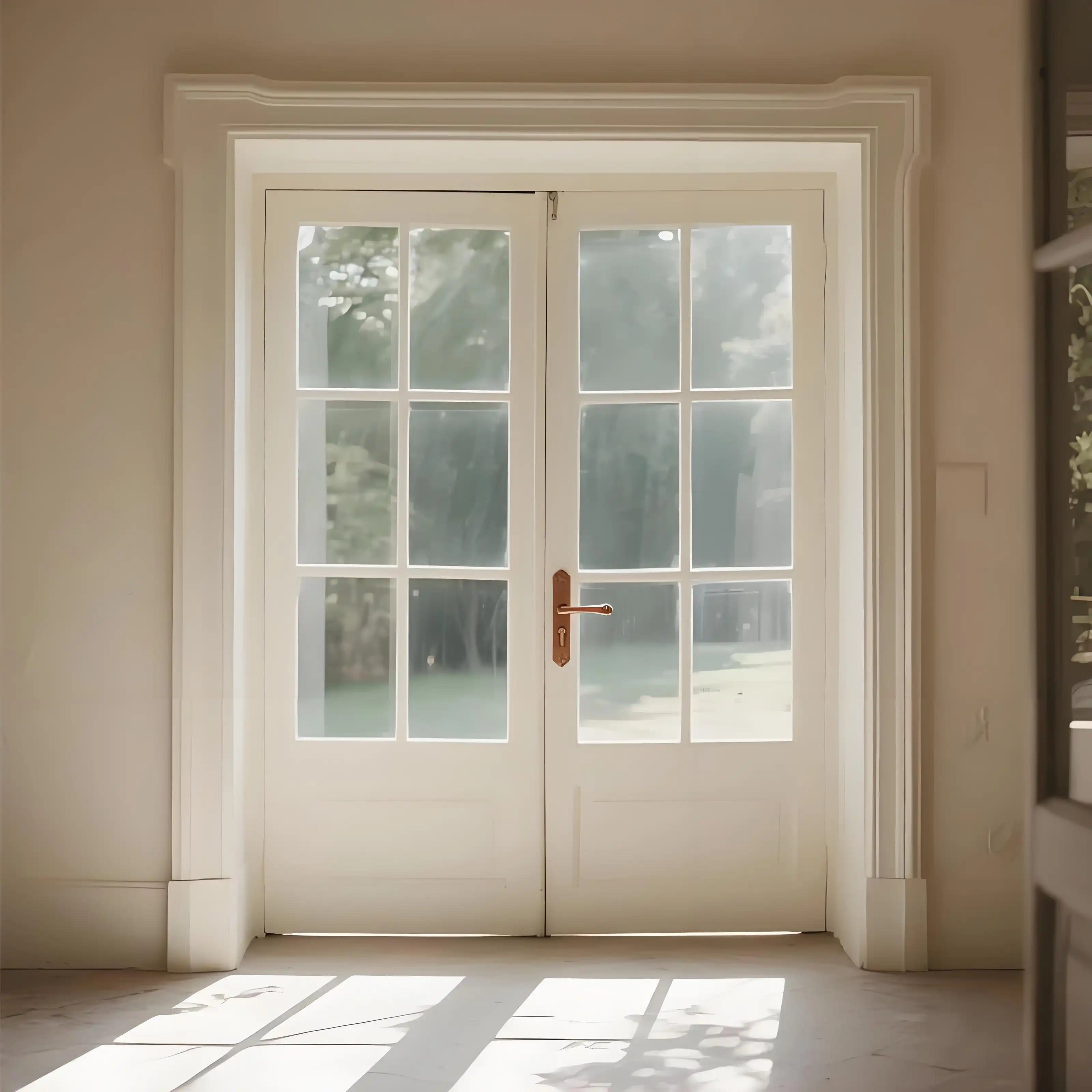
Understanding UPVC Balcony Doors: Features and Benefits
The use of unplasticized polyvinyl chloride changes the way we make doors for multi-unit projects in a basic way. This designed polymer doesn't have any plasticizers that break down over time like other materials do. It keeps its structural integrity.
Core Material Properties That Matter for Developers
UPVC Balcony Doors have thermal barriers that aluminum just can't match because they are made of multiple chambers. When you look at a cross-section, you'll see that there are internal walls that keep air in and stop heat from moving between the inside and outside. Inside these rooms are reinforced steel cores that give the structure the strength it needs for big door panels that span balcony openings.
Depending on the profile width and glazing configuration, this mix provides thermal insulation values between 1.1 and 1.8 W/m²K. When compared to regular aluminum frames, this means that substantial energy savings are achieved in tropical climates where air conditioning is a major operational cost for residents.
Weather resistance is more than just keeping water out. UPVC formulas have UV protectors, which are usually high-quality titanium dioxide and keep colors from fading in direct sunlight. This is very important in places near the equator where the sun shines directly on the facades all year. The material doesn't rust, rot, or need to be painted over and over again, so property management companies don't have to do as much long-term upkeep.
Comparing Performance Against Alternative Materials
Aluminum frames easily conduct heat, which makes thermal bridges that lower the efficiency of the building envelope. Wood needs to be treated regularly to keep it from getting damaged by water and bugs, especially in humid places. With UPVC, you don't have to do any of these maintenance cycles. Over the course of a building's 20-year lifetime, UPVC systems usually have a lower total cost of ownership, even if they may cost more at first. With the right glazing combinations, sound attenuation can reach up to 40dB, which helps with noise problems in urban areas near traffic areas or business districts.
UPVC structure and security features work together perfectly. Multi-point locking mechanisms work at five to seven points around the outside of the door. This spreads out the force and makes it harder to break in than single-point locks. This meets the needs of insurance companies and gives real value to end users who are worried about the safety of their homes.
Choosing the Right UPVC Balcony Door: Criteria and Considerations
When making your choice, you should start with technical specs rather than personal tastes in terms of looks, though modern UPVC Balcony Doors can meet both needs well.
Technical Standards and Certification Requirements
Benchmarks for checking performance are set by international norms. The EN 12207 classifications show how permeable something is to air. Class 4 means that very little air leaks when the pressures are different. According to EN 12208, the levels of watertightness are Class 1A through 9A. Class 9A systems can handle 600 Pa of pressure, making them ideal for high-rise uses in rainy areas. These certifications aren't just pieces of paper; they show that the product has been tried and will protect your project from liability problems caused by water getting in or the structure breaking down.
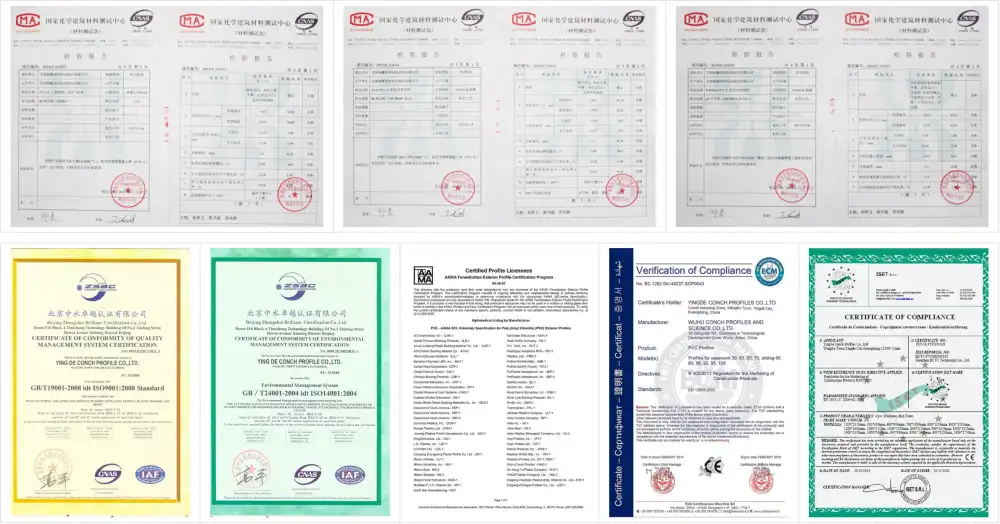
ISO approval means that the manufacturing process is controlled, and CE marking means that the product meets European safety standards. The AAMA standards that are used in North American markets set higher expectations for efficiency. When looking for suppliers for international projects, make sure that the ones you choose have the most up-to-date certifications that meet the needs of your target market.
Profile Dimensions and Structural Considerations
Frame widths usually come in sizes between 60mm and 90mm. Narrow profiles work well in standard home settings where moderate thermal performance is enough. For projects that want to get green building approvals or work in areas with extreme weather, 80mm or 90mm profiles that can fit triple glazing and better insulation rooms are helpful. A wall width of 2.5 mm to 3 mm keeps the structure strong while keeping the material efficient.
The choice affects the rough size of your opening and how well it works with other building systems. Wide profiles use more wall thickness, which could make it harder to plan the internal area of small units. But they have better thermal breaks that make it easier to figure out how much HVAC load there is. This could mean that mechanical systems can be smaller, which would balance out the minor cost increase.
Glazing Configurations for Various Project Types
Modern building codes don't usually allow single-glazed windows, except in mild climates or rooms that don't need air conditioning. For most residential developments, double glazing with air gaps of 4mm to 24mm is the standard. Low-E coatings stop heat from transferring through radiation, and argon filling makes thermal resistance higher than in air-filled units. Laminated glass makes the building safer and more resistant to damage from impacts. This is especially important for units on the ground floor or in places where bad weather is common. When it comes to safety, tempered glass meets the needs for large panels that are bigger than certain sizes set by local building codes.
When making a budget, it's important to compare the initial cost of glazing to the amount of energy used by the building over its lifetime. During the planning process, a thermal imaging study can help you figure out how much heat is lost through different types of windows. This information can help you choose high-quality windows where they will pay for themselves.
Color and Finish Options for Design Integration
White is still the most common color because it is the cheapest raw material, but modern projects often need a different look. Wood grain finishes made with lamination or co-extrusion techniques make UPVC look like natural wood while keeping its performance qualities. Custom RAL color matching lets business developments or design-focused domestic projects use brand-specific exterior color palettes. These changes usually add 10 to 15 percent to the base price, but they get rid of the need to paint or cover after installation.
Note: Specific performance parameters should be checked against the testing reports for each product and the building codes in the area.
Procuring UPVC Balcony Doors: Supplier Selection and Transaction Guide
Finding producers who understand the needs of project-based buying sets apart supply chains that work well from those that don't. Your evaluation criteria should include more than just unit price. They should also include the reliability of the supply chain and the ability to provide technical support for your UPVC Balcony Doors.
Evaluating Manufacturer Capabilities and Credentials
Production ability tells you if a supplier can handle the amount of your project and finish it on time. Taking into account stairs, patios, and entrances, a 200-unit building might need more than 300 door sets. Automatic extrusion lines, CNC precision cutting tools, and dedicated assembly stations help manufacturers keep the quality that's needed for large orders. Dimensional tolerances of ±0.5mm make sure that everything fits correctly during installation, which cuts down on the time needed for field adjustments.
Having partnerships with trustworthy material suppliers shows that the supply chain is stable. CONCH is one of several large companies that make PVC plastic whose materials meet world standards for quality. Suppliers who keep these relationships show that they are committed to providing regular high-quality raw materials instead of cutting costs by using cheaper alternatives that don't last as long.
Understanding Pricing Structures and Customization Costs
Base prices usually include standard features like white frames, standard sizes, and double glazing with clear glass. Customization fees are charged for sizes that aren't standard, color changes, unique tools, or better glazing. Volume savings start at different levels for each maker, but they usually start at around 100 units and go up in 250- and 500-unit increments. Ask for quotes that break down the costs of the frame, the glass, the hardware, and the finishing in separate items. Value engineering can be done during the design refinement phase thanks to this transparency.
The terms of payment for project orders are often different from those for retail sales. Manufacturers who work with developers often base their terms on a payment, a production milestone, and a shipping or delivery stage. A normal agreement might include a 30% deposit when the order is confirmed, a 40% deposit when production is finished, and a 30% deposit when delivery is confirmed. Lessening the pressure to get financing means negotiating terms that work with your project's cash flow.
Logistics Solutions That Reduce Shipping Costs by 30%
When figuring out container freight, traditional shipping of "complete assembly" costs a lot more because of the extra volume. With knockdown designs, frames, glazing, and tools are shipped separately so they can be put together on-site, which greatly reduces the need for cubic volume. When parts are nested efficiently, a standard 40-foot container can hold about 60% more units than when doors are fully assembled. This directly leads to 25–35% lower freight costs per unit, depending on the route from origin to destination.
Lead Time Management and Delivery Coordination
It gets a little harder to put together, so installation teams need to know how to use the specific joinery system your supplier uses. This learning curve can be sped up by using detailed installation instructions with step-by-step pictures. Video paperwork that shows the right way to put together UPVC systems, seal them, and install hardware is very helpful for teaching local workers who aren't familiar with them. By asking for these tools during the supplier review process, you can see which companies help developer clients and which ones only serve retail markets.
Customized orders usually take 25 to 30 days to make from the time the specifications are confirmed to the time the order is shipped. Shipping takes an extra two to four weeks, depending on the port of destination and how quickly customs processes the goods. Adding enough time to these dates to your building plan will keep you from having to rush at the last minute. When you schedule phased delivery to match your floor-by-floor building schedule, you don't have to store as much on-site, which is especially helpful on tight urban job sites. Work with your seller to set up shipping times that work with your estimated dates for opening and finishing.
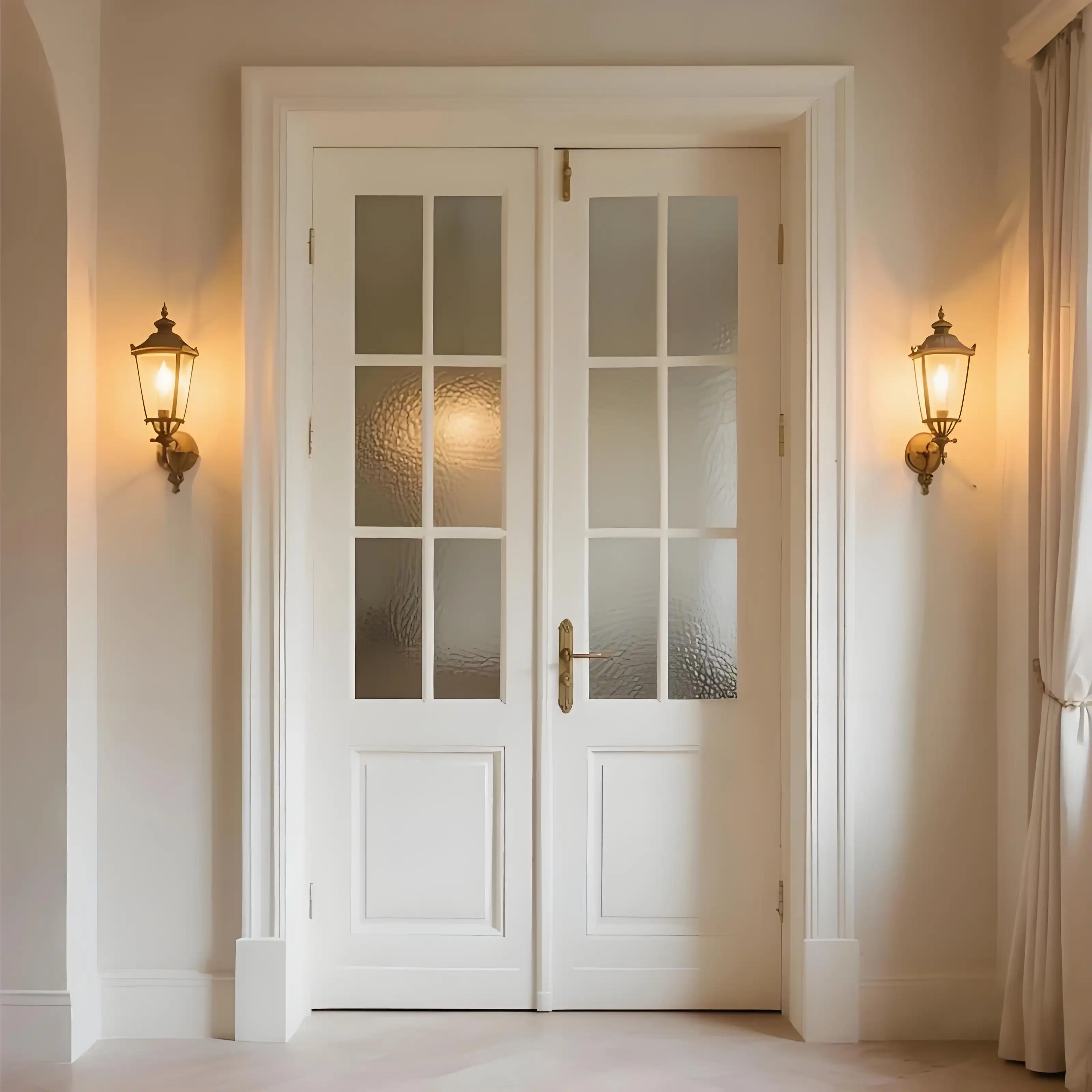
Installation and Maintenance Best Practices for UPVC Balcony Doors
Your carefully chosen UPVC Balcony Doors will either work as expected or cause callbacks that cut into project margins if they are not installed correctly.
Site Preparation and Rough Opening Requirements
Accurate measurements in rough openings keep installation problems from happening. Make sure that the holes meet the supplier's requirements and have enough space for installing and adjusting the frame. Plumb, level, and square conditions must be met—openings that are out of range cause field changes that weaken weatherproofing and structure integrity. These problems are found during pre-installation inspections before delivery, which saves money on rework.
The substrate must be able to hold the weight of the fasteners and make links that can withstand the weather. For concrete or brick substrates, the right anchor systems are needed. For wood or steel framing, corrosion-resistant fasteners that work with both the frame material and the structural base are needed. Waterproofing built into the rough hole edge stops water from getting in, which could damage wall systems over time.
Professional Installation versus In-House Capabilities
Installation teams with experience working with UPVC systems finish units faster and with fewer mistakes than general workers who are just starting out on your project. Manufacturer-provided installation licensing programs teach your staff the right way to do things if your growth schedule allows for the investment in training. Usually, these programs last for two to three days and include setting the frame, installing the glass, adjusting the hardware, and checking the weatherstripping. Hiring expert subcontractors as an option raises the cost of installation but guarantees quality right away.
Maintenance Protocols for Long-Term Performance
Long-term performance depends on how well the weatherseal is sealed. Continuous sealant beads that don't have any holes or gaps stop air and water from getting in. Testing individual units with hose spray or smoke pencils before applying the exterior finish shows where problems are and how easy it is to fix them.
UPVC systems don't need much upkeep, but regular care makes them last longer and keep their good looks. Cleaning surfaces once a year with a light solution gets rid of built-up dirt without hurting the finish. Moving hardware parts, like hinges, locking points, and weatherstrip channels, need to be oiled to keep them working smoothly and stop them from wearing out too quickly. These tasks only take minutes per unit and stop the wear and tear that forces replacement before it's time. Fixing common problems usually involves making adjustments instead of replacing parts.
Advanced UPVC Balcony Door Solutions: Innovations and Market Trends
The UPVC Balcony Door market is always changing as makers try to meet developers' needs for better performance and easier purchasing.
Contemporary Design Trends and Aesthetic Innovations
The practical look of older UPVC systems has been lost in modern ones. Slim sightlines make the most of the glazing area and create modern shapes that look like metal while keeping the heating benefits of UPVC. Sculptured frame features make the outside of a building more interesting to look at without affecting how well it works. Because of these changes to the design, architects can now choose UPVC systems for design-forward projects that only had aluminum or steel framing before.
As color technology improves, finishes become more lasting and can stand up to UV light without fading or chalking. Instead of just using surface coats, co-extruded color layers add coloring all the way through the surface, making it last longer. This is especially important in places where the way a building looks affects property values and the happiness of residents.
Integration with Green Building Standards
LEED, BREEAM, and area green building programs are putting more and more focus on how much energy buildings use for operations. UPVC door systems earn points because they improve temperature performance, which lowers the load on the HVAC system. Environmental Product Declarations (EPDs) from manufacturers list the environmental effects of a product over its whole lifetime. These are needed for approval and are supported by supporting documents. Recyclability of materials at the end of their useful lives—UPVC can be recycled completely through mechanical or fuel recycling methods—addresses circular economy issues that are becoming more important in building standards around the world.
Digital Procurement Tools and Supply Chain Transparency
UPVC's contribution to whole-building performance goals can be measured during the design phase through energy modeling. This information backs up specification choices to value-engineering reviews and shows dedication to green goals that buyers who care about the environment will like.
Online configurators let builders choose the size, color, glazing, and hardware, and they get quotes right away, without having to send a lot of emails. These tools speed up the first budgeting phase of feasibility studies and make it possible to make quick changes to the design as the project's parameters change. When door specifications are integrated with BIM workflows, they can go straight from architectural models to manufacturing systems. This cuts down on transcription mistakes and coordination gaps. Supply chain visibility tools let you know about the state of production in real time, track shipments, and coordinate deliveries.
Conclusion
To choose the right UPVC Balcony Door solutions, you have to balance technical performance, aesthetic needs, and business needs. The material's natural benefits—its ability to keep heat in, its resistance to weather, its low care, and its security features—make it ideal for multi-unit projects in harsh climates. Partnering with makers who can show they can produce, have quality certifications, and offer service models that focus on developers is key to successful buying.
Making smart choices about knockdown shipping configurations and coordinating phased deliveries can cut project costs by a lot while still meeting quality standards. Knowing the construction requirements and upkeep schedules will help make sure that the performance goals are met and that the occupants are happy for a long time. As the market changes with better designs and digital purchasing tools, UPVC balcony doors continue to offer great value for property developers who need to meet cost, schedule, and performance goals for a wide range of project types.
FAQ
How does UPVC performance compare to aluminum or wood over extended timeframes?
UPVC keeps its structural and aesthetic qualities for decades without rusting like aluminum does or getting damaged by water like wood does. All materials can do a good job if they are properly chosen and kept, but UPVC Balcony Doors don't need to be refinished as often and don't deteriorate from water like wood does. It also doesn't have the thermal bridging problems that come with aluminum frames. The quality of the original making and proper fitting are more important than the type of material itself when it comes to performance longevity.
Can UPVC door systems accommodate diverse architectural styles and project requirements?
Modern UPVC manufacturing allows for a lot of customization, such as changing the size, matching colors to specific palettes, choosing hardware from a number of suppliers, and glazing configurations that are specific to performance needs. There are a lot of different profile designs, from classic to modern. This adaptability lets specifications be used in mixed-use, industrial, and residential projects with different design styles.
What warranty coverage and after-sales support should developers expect?
Reputable makers usually offer 10-year guarantees on the integrity of the profile and the functionality of the hardware, though the exact terms change from supplier to supplier. After-sales support should include technical help for questions about installation, access to replacement parts during the warranty period, and quick ways to get in touch. When choosing a supplier, be sure to carefully read the warranty terms. Full coverage shows that the manufacturer is confident in the product's durability and wants to help customers.
Partner with Haolv Building Materials for Your Next Development Project
Haolv Building Materials has been making UPVC Balcony Doors for 19 years and has helped property companies with projects in a wide range of markets. When compared to other materials, our multi-chamber profile systems with strengthened steel cores save up to 40% of energy and have thermal insulation values of up to 1.3 W/m²K. We keep our ISO, CE, and AAMA certifications up to date so that we can meet international building standards.
Our one-stop purchasing method streamlines your supply chain by giving you the option of custom frames made to your exact specs, multi-point locking hardware from reliable suppliers, and double or triple glazing choices set up to meet your climate needs. Different performance goals can be met with profile widths ranging from 60mm to 90mm, wall thicknesses ranging from 2.5mm to 3.0mm, and measurement accuracy within ±0.5mm. We work with CONCH to make sure we always have enough raw materials, which is important for big project orders where stability from batch to batch is important.
When compared to fully built units, our knockdown shipping options can cut your container freight costs by up to 30%. To help your local installation teams, we provide complete installation videos and detailed assembly manuals. Production cycles take 25 to 30 days to finish, and you can choose phased delivery options that work with the order of your construction. As a well-known manufacturer, we can fully customize our products for companies who need to make them fit their own brand. You can talk to our team by emailing kristin@haolvwindows.com or going to haolvbuilding.com.
References
1. Chen, W., & Zhang, L. (2021). Thermal Performance Evaluation of UPVC Window Systems in Tropical Climate Zones. Journal of Building Engineering and Construction Materials, 15(3), 112-128.
2. International Energy Agency. (2022). Building Envelope Technologies for Energy Efficiency: Comparative Analysis of Fenestration Materials. Paris: IEA Publications.
3. Kumar, R., & Patel, S. (2020). Life Cycle Assessment of Window Frame Materials: Environmental Impact Comparison. Sustainable Construction and Building Materials Review, 8(2), 67-84.
4. National Fenestration Rating Council. (2023). Certification Standards for UPVC Door and Window Systems: Technical Guidelines for Manufacturers and Specifiers. Silver Spring, MD: NFRC Press.
5. Thompson, M. (2022). Supply Chain Optimization in Construction Materials Procurement: Case Studies from Southeast Asian Development Projects. International Journal of Construction Management, 22(5), 891-907.
6. Williams, J., & Rodriguez, A. (2023). Advanced UPVC Profile Design: Engineering Innovations for Enhanced Thermal and Structural Performance. London: Construction Technology Publishing.
Fast simple channel to send demands lock favorable price for building window door bulk purchases.