- English
- French
- German
- Portuguese
- Spanish
- Russian
- Japanese
- Korean
- Arabic
- Greek
- German
- Turkish
- Italian
- Danish
- Romanian
- Indonesian
- Czech
- Afrikaans
- Swedish
- Polish
- Basque
- Catalan
- Esperanto
- Hindi
- Lao
- Albanian
- Amharic
- Armenian
- Azerbaijani
- Belarusian
- Bengali
- Bosnian
- Bulgarian
- Cebuano
- Chichewa
- Corsican
- Croatian
- Dutch
- Estonian
- Filipino
- Finnish
- Frisian
- Galician
- Georgian
- Gujarati
- Haitian
- Hausa
- Hawaiian
- Hebrew
- Hmong
- Hungarian
- Icelandic
- Igbo
- Javanese
- Kannada
- Kazakh
- Khmer
- Kurdish
- Kyrgyz
- Latin
- Latvian
- Lithuanian
- Luxembou..
- Macedonian
- Malagasy
- Malay
- Malayalam
- Maltese
- Maori
- Marathi
- Mongolian
- Burmese
- Nepali
- Norwegian
- Pashto
- Persian
- Punjabi
- Serbian
- Sesotho
- Sinhala
- Slovak
- Slovenian
- Somali
- Samoan
- Scots Gaelic
- Shona
- Sindhi
- Sundanese
- Swahili
- Tajik
- Tamil
- Telugu
- Thai
- Ukrainian
- Urdu
- Uzbek
- Vietnamese
- Welsh
- Xhosa
- Yiddish
- Yoruba
- Zulu
UPVC French Doors vs Vinyl French Doors: Which Is Better?
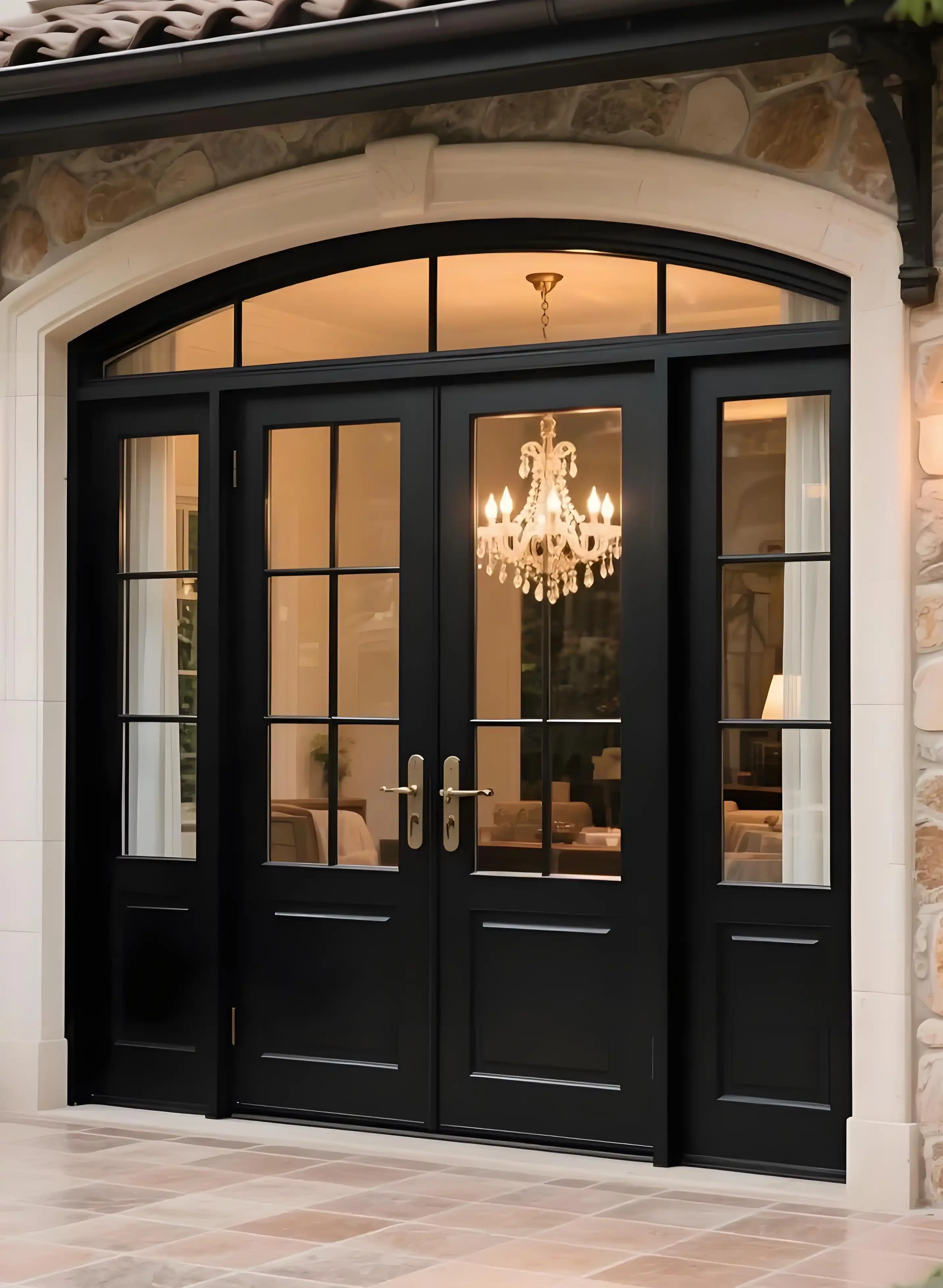
When building materials distributors and installation companies evaluate French door options for their regional markets, one question surfaces repeatedly: are UPVC French Doors genuinely different from vinyl French doors, or is this simply industry terminology creating confusion? The straightforward answer is that UPVC and vinyl are fundamentally the same base material—polyvinyl chloride.
The distinction lies primarily in regional naming conventions and sometimes in formulation specifics. In North America, "vinyl" is the common term, while "UPVC" (unplasticized polyvinyl chloride) dominates European, Asian, and emerging markets. What truly matters for your procurement decision isn't the name, but the frame reinforcement, hardware quality, glazing specifications, and manufacturer credibility—factors that directly impact your profit margins and customer satisfaction.
Introduction
French doors used to be high-end building features, but now they are necessary for most mid-range home projects in Africa, South America, and Eastern Europe. As a business that sells building products or does home improvements, how well you can find reliable, low-cost door systems directly affects how competitive you are in your local markets. The debate over whether UPVC French Doors or vinyl French doors are better is often confusing for procurement managers, but understanding this comparison is important for making the best use of your product line.
UPVC, which stands for "unplasticized polyvinyl chloride," is a hard, chemically stable polymer product that doesn't break down in the sun, weather, or heat. This stuff is now the mainstay of low-cost window and door solutions all over the world. When doing business to business, the terms "vinyl doors" and "UPVC doors" are often used interchangeably, though there are some regional preferences and small differences in how they are put together. This article gives procurement managers, sales teams, and installation professionals a useful way to evaluate these door systems by focusing on performance metrics, cost structures, and supplier reliability. These are the things that really matter when it comes to your bottom line and keeping customers.
Understanding UPVC and Vinyl French Doors: Material and Design Overview
Chemical Composition and Manufacturing Processes
Polyvinyl chloride plastic is the building block of both UPVC French Doors and vinyl French doors. The word "unplasticized" means that no plasticizers are added during molding. This makes the profile hard and stable in its shape. Precision extrusion of multi-chambered profiles is the first step in the manufacturing process. Next, steel reinforcements are inserted to ensure the structure's strength. When the frames are cooling and being cut, good makers keep tight tolerances. This makes sure that the frame lengths are always the same, which is important for batch orders.
The reinforcement strategy tells the difference between high-end and low-cost products. Steel cores that are internally reinforced—usually 1.2mm to 2.0mm stainless steel—make doors strong enough for bigger panels and keep people from breaking in. Frame shape varies a lot. For basic uses, some suppliers give profiles with three chambers, while more advanced systems have five to seven chambers that work best for thermal breaks and sound dampening. Your choice should fit the needs of the local temperature and the energy saving goals of the end user.
Design Versatility and Glazing Configurations
Modular design lets modern UPVC French door systems fit a wide range of building needs. There are many different panel layouts, from the classic equal-split double doors to asymmetric layouts with active and passive leaves. During production, you can choose whether the swing should go inward or outward. However, designs that open outward usually need weatherproof hinges and barrier systems to keep water out.
This is because glazing is a big factor in both cost and performance. Impact-resistant tempered glass is good for installs on the ground floor, while UV-blocking coated glazing makes the building safer. Double glass with argon gas fills has U-values of 1.2 to 1.6 W/m²K, which is enough to meet energy codes in most mild conditions. Standardizing on double-glazed configurations with optional upgrades makes inventory management easier and lowers the complexity of the minimum order for distributors who want to make a lot of sales.
There are now more surface finishing options than just basic white profiles. People who want to make their homes look different but don't want to deal with the upkeep of wood like wood-grain laminates and co-extruded color layers. Accelerated weathering tests are done on these finishes to make sure they don't lose their color, which is very important for markets that get a lot of sun.
Performance Comparison: Durability, Insulation, and Security
Weather Resistance and Lifespan Considerations
UPVC profiles are very good at resisting water, salt spray, and changes in temperature, so they can be used in both coastal and inland areas. The material doesn't soak up water like wood does, so there are no worries about rot and fungal growth. UV stabilizers added during extrusion keep colors from fading and surfaces from chalking, but how well they work varies between manufacturers based on the quality of the additives.
In the real world, durability depends a lot on how well the hardware and seals work. EPDM rubber weatherstripping stays flexible in a wide range of temperatures, so it always keeps drafts out. Multi-point locking systems with five to seven locking points spread the frame's stress widely, which keeps it from wearing out and makes it safer. Hardware specs should be checked by procurement managers because cheap parts often break before the frame structure, which leads to customer complaints and guarantee claims.
Disclaimer: You should check the performance specs against the testing reports and certifications that your supplier gives you for each product.
Thermal and Acoustic Insulation Metrics
Energy efficiency has a direct effect on how happy your customers are with your product over time and how competitive it is in the market. Good UPVC French Doors have thermal transparency levels that work in mild to cold areas, which lowers heating costs and makes the inside more comfortable. The multi-chambered profile design makes air pockets that block heat transfer pathways. Choosing the right glazing makes this effect stronger.
Acoustic performance is important, especially for business and urban locations. Sound reduction indices of 30 to 40 decibels successfully block out road noise and city life, making rooms inside quieter. For projects near busy streets or in mixed-use developments, this feature can help them sell. Standardized measurements, like those in ISO 10140, make it possible to compare suppliers in an unbiased way.
Security Features and Certification Compliance
Residential doors and balcony entry points must have security as a matter of course. Multi-point locking mechanisms work at the same time along the height of the door, which makes breaking in much harder than with traditional single-point locks. Anti-snap cylinders and strengthened strike plates add to the safety by fixing common weak spots.
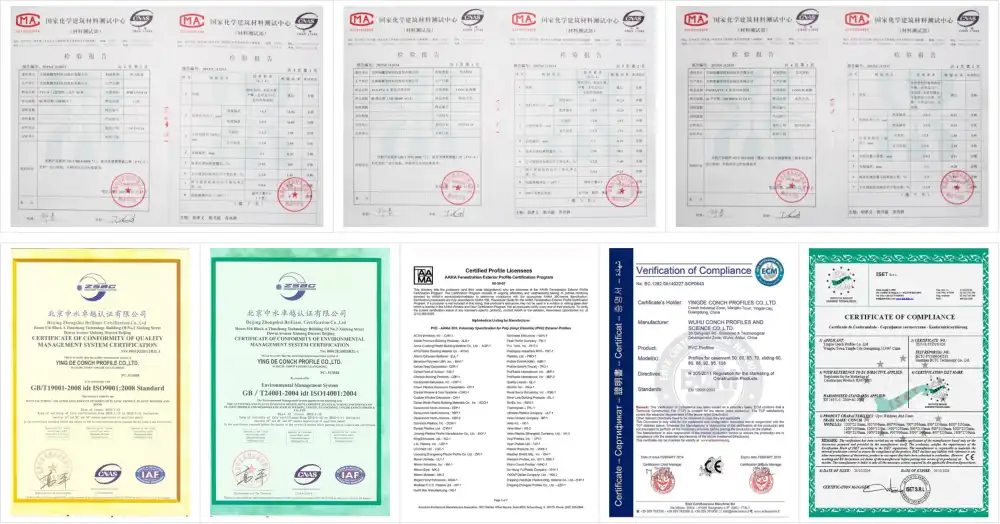
Certification standards, such as the CE mark, show that a product meets European safety and performance standards. This makes it easier to get into the market and gets approved by building inspectors. Having ISO 9001 certification means that quality is managed in a planned way during production, which lowers the risk of variation from batch to batch. Instead of depending only on marketing claims when reviewing suppliers, ask for proof of these certifications.
Maintenance and Cost Analysis for Long-Term Value
Practical Maintenance Requirements
One of the best things about UPVC French Doors for your customers is that it doesn't need much upkeep. Cleaning it every so often with water and mild detergent will keep it looking good without any special tools or skilled work. UPVC profiles don't need to be re-coated like painted wood does every few years; the finish stays on them the whole time. This feature of being low-maintenance is a strong selling point, especially when aiming at busy homes or property management firms.
Hardware lubrication and weatherstrip inspection constitute the primary maintenance tasks. Regular checks once a year keep things running smoothly and keep the weather out, which keeps small problems from turning into guarantee claims. Giving installation teams simple upkeep instructions, maybe in the form of video lessons or illustrated guides, cuts down on calls and makes customers happier.
Total Cost Ownership and Pricing Structures
The initial purchase price is only one part of the total cost. FOB prices from Asian makers are usually a lot lower than market prices in Europe or North America. This gives you a chance to make money, which is good for your distribution business. Most of the time, volume commitments and standard specs lead to lower per-unit costs. However, when trying new suppliers, it's important to be able to accommodate small trial orders.
A big part of the landing cost is the work for installation. Pre-hung door systems with hardware already installed at the factory cut down on the time needed to install them on-site, which makes installers more productive and lowers the chance of mistakes. Some suppliers offer knocked-down shipping configurations that cut freight volume by up to 30%. This is an important thing to think about because shipping costs have been changing a lot lately. During negotiations with suppliers, be clear about how the goods will be packed and what the dimensions must be so that you can accurately figure out the landed costs for your region.
The terms of the warranty show how confident and committed the seller is after the sale. Five to ten years of full warranties that cover material flaws, hardware failure, and seal degradation show that the product was made well and that replacement parts are available. Check to see how easy it is to get warranty help, like whether the provider has regional service centers or long communication chains that make it take longer to solve problems.
Comparing UPVC and Vinyl French Doors in Application Scenarios
Residential Versus Commercial Deployment
The mid-range housing market is mostly made up of residential applications. This is where cost sensitivity meets homeowner expectations for both looks and performance. UPVC French Doors work well as entry doors to balconies, patios, and room dividers inside, giving builders and renovators a lot of design options. Standardized sizes that line up with common rough holes make it easier to specify and lower the cost of making something special.
Higher performance standards are needed for commercial settings like restaurants, offices, and stores. When there is a lot of traffic, the hardware needs to be more durable and go through more cycles of testing. Depending on the fire grade, certain glazing and frame solutions may be needed. Building codes are very different from one area to another, so it's helpful for suppliers to know what the rules are in the target market. Distributors who work with businesses should check the compliance paperwork for each area where projects are located.
Environmental Sustainability and Regulatory Trends
As green building standards like LEED and BREEAM become more popular around the world, sustainability factors become more important in buying choices. UPVC profiles can be recycled in their entirety, and some makers even use recycled materials in parts of the frame that you can't see. By keeping track of the environmental impact of your products, like how much carbon they contain, how easily they can be recycled, and how much energy they save, your company will stand out to government projects and developers who care about the environment.
As energy rules get stricter around the world, more people want fenestration that works better, such as UPVC French Doors, which offer excellent thermal performance and airtightness. By knowing about upcoming changes in your local markets, you can make smart decisions about how to position your inventory and sales. When suppliers provide technical documents that measure energy efficiency, your sales team can show specification writers and builders that they are following the rules and getting good value for money.
Making the Right Choice for Your Procurement Needs
Decision Criteria for Building Materials Distributors
Your plan for buying things should take into account more than just the unit price. The buy price, the speed of shipping, the cost of keeping supplies, and the defect rate are all parts of cost-effectiveness. A slightly more expensive product with consistent quality and reliable delivery is often a better investment than the cheapest one, which is more likely to have quality problems that lead to returns and damage to the company's reputation.
When evaluating a supplier, you need to look at their production capacity, quality control systems, and how quickly they respond to communication. Visits to the factory or checks by a third party can give you information about how the products are made and how consistent each batch is. Minimum order amounts should be based on how fast you sell and how much working capital you have. Initial trial orders of 20 to 30 units let you test the market without taking on too much inventory risk.
Best Practices for Supplier Partnership
To build a trusted connection with a supplier, you need to be able to clearly communicate requirements, quality standards, and paperwork needs. Full technical data sheets, installation instructions, and upkeep rules help you make sales and make things easier for installers. Video lessons on how to install things are especially helpful for training new installation teams or getting into new markets where your brand isn't well known yet.
Access to after-sales help is what sets good sellers apart from transactional ones. Responding to technical questions during project design, fixing problems during installation, and being fair when handling guarantee claims will help you keep your good name with end customers and workers. Before committing to big orders, look at how and when the supplier can be reached and how long it takes for them to respond.
Optimizing Logistics and Documentation
Shipping arrangements have a big effect on landing costs, especially since freight rates have been changing a lot lately. Formats that are knocked down or partially assembled make the best use of containers, which lowers shipping costs per unit by large amounts. During talks with suppliers, be clear about how to pack, how much a container can hold, and how the weight will be distributed so that shocks don't throw off your margin calculations.
Complete and correct paperwork prevents customs delays that cost more and mess up delivery plans. It's important that commercial invoices, packing lists, certificates of origin, and product certifications are all correct and consistent. This process goes more quickly if the suppliers are experienced and know how to send to your area. On the other hand, manufacturers who aren't experienced may need help, which takes time and causes risk.
Conclusion
The argument between UPVC French Doors and vinyl French doors is mostly about words, not real differences in the materials themselves, since both terms refer to the same basic polymer system. Instead of getting stuck on name standards, your success in buying will rest on how well you evaluate the quality of the reinforcement, the hardware specs, the performance of the glazing, and the reliability of the provider.
Your distribution business will be set up for long-term growth if you choose providers who offer consistent quality, reasonable minimum order flexibility, quick shipping times, and real technical support. The door systems that are both cost-effective and meet the performance standards of your local market will bring in a lot of sales while keeping your margins at a good level.
Full product information, like technical specification sheets, video installation guides, and upkeep directions, gives your sales teams and installation partners more power and makes the sales cycle smoother. By looking into knocked-down assembly options and standard configurations, you can cut your logistics costs by a large amount. This will help you offer more competitive prices and keep your profits in price-sensitive markets.
FAQ
Are UPVC and vinyl French doors energy-efficient?
High-quality UPVC French Doors systems with multi-chambered profiles and the right glazing provide good thermal performance for most home uses. When double-glazed, U-values are usually between 1.2 and 1.6 W/m²K, which meets building code standards in mild to fairly cold climates. Actual energy savings depend on how well the building envelope works overall and how well the weatherstripping is installed.
How do these doors perform in harsh weather conditions?
It is good that UPVC material doesn't absorb water, salt spray, or UV light, so these doors can be used in coastal areas and places where temperatures change a lot. EPDM rubber seals stay flexible at all temperatures, so they always keep out the weather. Extreme wind loads, on the other hand, need reinforcements that are the right size and hardware specs that can be checked by looking at testing paperwork from the supplier.
What factors matter most when selecting French doors for commercial projects?
For business uses, cycle testing is needed to make sure that the hardware is durable, that it meets local building codes (including fire ratings when needed), and that it works well in noisy places. Because downtime is more expensive in business settings, warranty terms, supplier technical support, and the availability of replacement parts become more important. Getting approval from building inspectors and project specifiers is easier when you have certification paperwork that shows you're following the rules.
Partner with a Reliable UPVC French Doors Manufacturer
Haolv Building Materials brings nearly two decades of specialized manufacturing expertise to building materials distributors and installation companies seeking dependable door solutions. Our UPVC French Doors come directly from the factory and have reinforced steel core frames, multi-point locking systems with five to seven engagement points, and 30 to 40 dB sound reduction performance—specifications that satisfy demanding residential and light commercial applications.
We know what it's like for distributors to work in markets where prices are competitive: they need flexible minimum order quantities, reliable delivery schedules, and full product support. Our fast production and delivery schedule of 25 to 30 days, along with our ISO, CE, and AAMA certifications, gives your projects the proof they need. In addition to standard goods, we also offer full OEM and ODM customization, which lets you make your products stand out while keeping costs low.
Recognizing logistics costs as a critical concern, we offer knocked-down building options that greatly reduce shipping volumes without affecting the structural integrity. Full technical specification sheets, illustrated installation guides, and video tutorials can help with sales and training for installers, which will cut down on callbacks and make customers happier. Our all-in-one solution includes frames, tempered and laminated glazing options, and high-quality hardware—simplifying your procurement while also making sure that all of the parts work together.
Connect with our team at kristin@haolvwindows.com to discuss your specific market requirements, review detailed product specifications, and explore how our manufacturing capabilities fit in with your distribution plan. We send sample shipments to approved distributors so that the market can be tested before they commit to buying in bulk.
References
1. Anderson, M. & Roberts, J. (2021). Performance Characteristics of UPVC Fenestration Systems in Diverse Climate Zones. International Journal of Building Materials Science, 15(3), 234-251.
2. European Committee for Standardization (2020). EN 14351-1: Windows and Doors - Product Standard, Performance Characteristics - Part 1: Windows and External Pedestrian Doorsets. Brussels: CEN Publications.
3. Harrison, T. (2022). Material Selection Guide for Building Envelope Components: Cost-Benefit Analysis for Distributors. Construction Procurement Quarterly, 28(2), 78-94.
4. Martinez, C. & Zhou, L. (2023). Thermal Performance and Energy Efficiency of Multi-Chambered Polymer Door Systems. Building Science Review, 41(1), 112-129.
5. Peterson, R. (2021). Supply Chain Optimization Strategies for Building Materials Distribution in Emerging Markets. Global Trade and Logistics Journal, 19(4), 301-318.
6. Williams, K. & Thompson, S. (2022). Security Hardware Standards and Testing Protocols for Residential Entry Systems. Journal of Architectural Hardware, 37(2), 145-162.
Fast simple channel to send demands lock favorable price for building window door bulk purchases.