- English
- French
- German
- Portuguese
- Spanish
- Russian
- Japanese
- Korean
- Arabic
- Greek
- German
- Turkish
- Italian
- Danish
- Romanian
- Indonesian
- Czech
- Afrikaans
- Swedish
- Polish
- Basque
- Catalan
- Esperanto
- Hindi
- Lao
- Albanian
- Amharic
- Armenian
- Azerbaijani
- Belarusian
- Bengali
- Bosnian
- Bulgarian
- Cebuano
- Chichewa
- Corsican
- Croatian
- Dutch
- Estonian
- Filipino
- Finnish
- Frisian
- Galician
- Georgian
- Gujarati
- Haitian
- Hausa
- Hawaiian
- Hebrew
- Hmong
- Hungarian
- Icelandic
- Igbo
- Javanese
- Kannada
- Kazakh
- Khmer
- Kurdish
- Kyrgyz
- Latin
- Latvian
- Lithuanian
- Luxembou..
- Macedonian
- Malagasy
- Malay
- Malayalam
- Maltese
- Maori
- Marathi
- Mongolian
- Burmese
- Nepali
- Norwegian
- Pashto
- Persian
- Punjabi
- Serbian
- Sesotho
- Sinhala
- Slovak
- Slovenian
- Somali
- Samoan
- Scots Gaelic
- Shona
- Sindhi
- Sundanese
- Swahili
- Tajik
- Tamil
- Telugu
- Thai
- Ukrainian
- Urdu
- Uzbek
- Vietnamese
- Welsh
- Xhosa
- Yiddish
- Yoruba
- Zulu
What Is the Best uPVC Profile for Global Construction & Export Projects?
When evaluating UPVC door & window profiles for international construction projects, the answer lies in balancing structural performance, thermal efficiency, and supply chain flexibility. High-quality profiles feature 3–7 chamber designs with reinforced galvanized steel cores, delivering U-values suitable for diverse climates while meeting CE and ISO certification standards. The best systems combine customizable configurations with modular assembly capabilities—allowing general contractors and real estate developers to reduce shipping volumes, accelerate on-site installation, and achieve significant cost savings without compromising engineering integrity or project timelines.
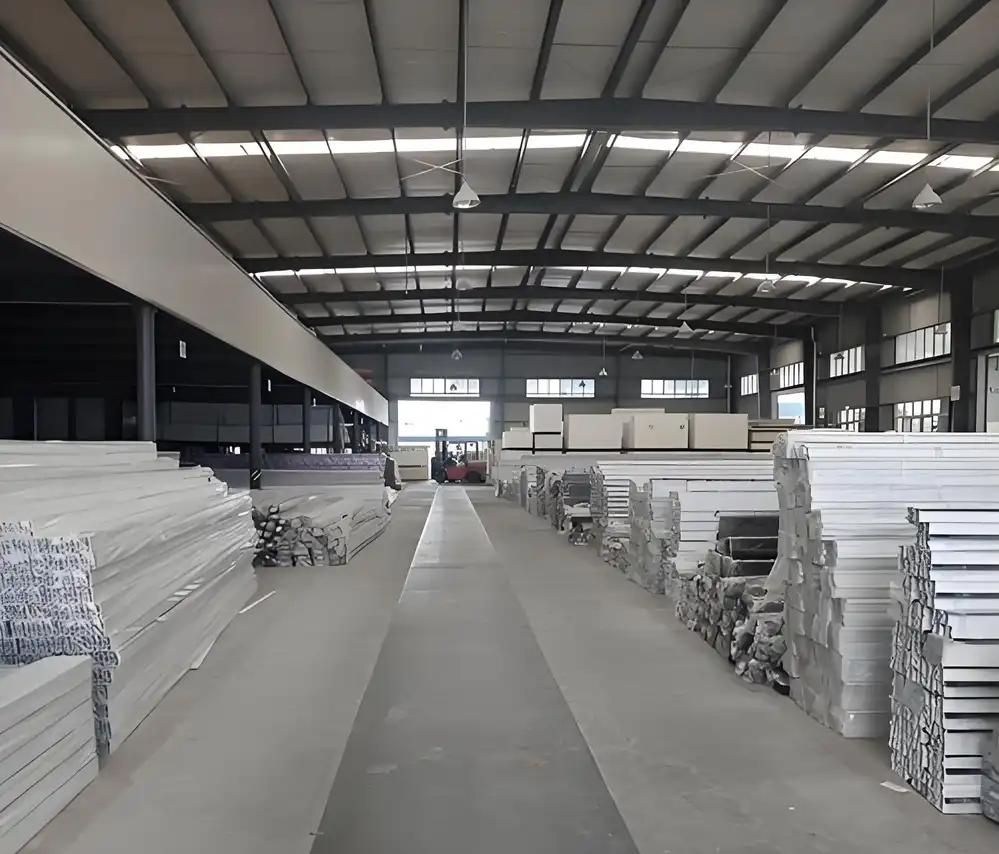
Understanding uPVC Door & Window Profiles: Features and Benefits
What Makes uPVC Material Superior for Global Projects
Because of how it was made, UPVC door & window profiles are not like other fenestration materials. The formula mixes PVC resin with titanium dioxide stabilisers and impact modifiers to make stiff profile parts that don't bend or break when exposed to water, UV light, or changes in temperature. Unlike aluminium, which loses heat quickly, or wood, which needs to be treated regularly to keep it from rotting and bugs, this engineered plastic stays the same size in all kinds of conditions, from humid subtropics to freezing arctic winters.
Precision in manufacturing has a direct effect on success in the field. Profile extrusion methods keep the thickness of the outer wall between 2.0 and 3.0 mm. This makes sure that the structure is stable enough to handle double and triple glazing installations up to 36 mm thick. Heat-welded corner joints get rid of mechanical fasteners that can come loose over time. Galvanised steel support channels make commercial-sized holes stronger without adding too much weight that makes shipping more difficult.
Multi-Chamber Architecture Drives Thermal Performance
The shape of the chamber has the most impact on how well shielding works than any other design factor. Modern profile systems have 3–7 sealed air pockets that run the length of the frame. These create thermal breaks that stop heat from moving. Low U-values are needed to meet NFRC energy standards in North America and related rules in European and Middle Eastern markets. This multi-chamber method gets them.
The science behind chamber design has to do with how air keeps heat in. When air is stuck in small spaces, it stops convection currents that would normally move heat from inside to outside surfaces. Seven-chamber configurations work best for projects in harsh climates, while four- or five-chamber profiles work fine in moderate temperature zones. This way, procurement teams can find the best cost-to-performance ratios based on where the projects are located instead of applying the same specifications to all of them.
Weather Resistance and Acoustic Isolation Benefits
Air and water tightness are two important performance measures that double or triple EPDM sealing systems handle. Compression seals placed at the points where the sash meets the frame stop wind-driven rain from getting in during bad weather. This protects the inside surfaces and keeps the envelope's integrity. Unlike cheaper options that harden and crack within years of installation, these seal materials stay flexible even when the temperature changes.
Sound reduction ranges from 30 to 45 dB, based on the type of glass and how well it is sealed. This soundproofing is especially important in urban apartment buildings that are close to transport hubs and in hotel projects where the comfort of guests directly affects the success of the business. Profile mass, sealed chambers, and laminated glass choices work well together to block out noise from traffic, aeroplanes flying overhead, and industrial activities without the need for costly extra window systems.
Environmental Impact and Lifecycle Considerations
Material recyclability meets the needs of more and more green building rules and business purchasing policies. Profile offcuts and products that are no longer useful can be reground and turned into new extrusions. This supports the cycle economy and keeps waste out of landfills. Compared to smelting aluminium, manufacturing processes use less embodied energy. This helps projects get green building certifications by indicating a positive lifetime review.
Disclaimer: Actual performance numbers will depend on full system testing, which includes checking the glass specs, the quality of the hardware, and the skill of the installers. For project-specific uses, you should always look at lab test results and certificates from a third party.
Comparison and Selection Criteria for uPVC Profiles in Global Markets
Climate-Specific Profile Selection Guidelines
Extreme temperatures determine the number of chambers and the thickness of their walls. For installations in cold places, like apartment buildings in Northern Europe or the provinces of Canada, seven-chamber shapes and triple glass are the best way to keep heat out. The extra insulation lowers the heating loads, which saves money on energy costs and covers the higher material costs within the normal time frames for building operations.
Different problems arise in dry, hot places. Thermal shielding is still important for keeping air conditioning costs down, but UV safety is now the most important thing. Profiles that are stabilised with the right amount of titanium dioxide don't chalk or change colour even when they are exposed to direct sunlight for a long time. Coastal areas add salt spray rust factors that make chemical resistance of UPVC door & window profiles better than reactive metals. This makes upkeep easier for property managers who are in charge of many buildings.
Levels of humidity and rainwater affect the requirements for a closing system. In tropical areas, there needs to be better draining in the profile openings to get rid of condensation and wind-driven moisture. Triple EPDM sealing systems help projects in rainy zones stay weathertight even when they are exposed to water for a long time. This stops water from getting inside and causing damage and mould growth in wall assemblies.
Comparative Analysis: uPVC Versus Alternative Frame Materials
Aluminium frames have shorter sightlines and can span for floor-to-ceiling glazing uses, but they are very good at conducting heat, so they need pricey thermal break inserts. Anodised finishes have low lifecycle care costs, but painted aluminium systems need to be refinished every so often in seaside or industrial settings. Material costs usually go up more than quality polymer systems by amounts that affect project budgets, especially for big housing developments where the number of units makes price differences per window bigger.
Wood frames have a classic look that is respected in both high-end custom homes and antique remodelling projects. However, changes in size caused by absorbing water, being easy for insects to damage, and the need for constant finishing all add up to upkeep duties that cost a lot over decades. The original cost of materials may be about the same for mid-range polymer profiles, but the overall cost of ownership is lower for low-maintenance options in business and institutional settings.
Fibreglass composites have great strength-to-weight ratios and heat performance that is on par with multi-chamber polymer designs. Market supply is limited by a lack of colour choices and more complicated fabrication, especially in places that don't have enough specialised fabricators. Fibreglass isn't always a good choice for foreign projects because of problems with the supply chain. This is because buying teams value on-time deliveries more than small performance gains.
Evaluating International Profile Brands and Supply Networks
Architectural specifiers and building authorities all over the world use well-known European standard methods. Their performance records over many years and temperature zones make it easier to check for code compliance, and detailed technical paperwork makes this easier too. However, the high costs and long wait times for international shipping can put a strain on project budgets and plans.
More and more, local manufacturers are offering competitive options that match quality with ease of shipping. Modern extrusion technology and quality control methods are used in Asian production centers to make products that work as well as older brands but cost less. Being close to new markets in the Middle East and Asia-Pacific cuts down on shipping times and makes it easier to get expert help during the installation process.
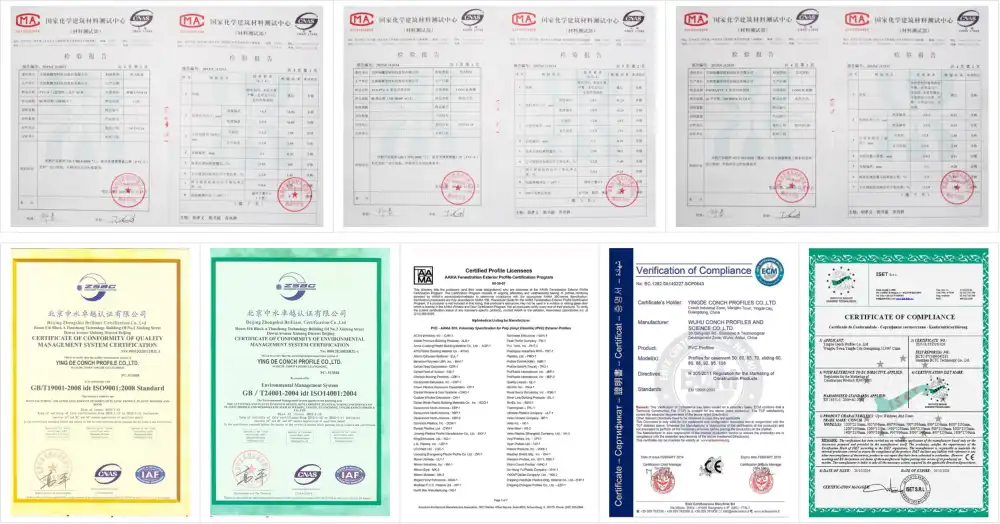
Different markets have different certification needs. CE marking meets the standards of the European Union, while NFRC stickers meet the standards of the United States. For structure suitability and weather performance, Australian projects use AS2047 guidelines. Successful foreign sellers keep a lot of different certifications and know what paperwork is needed to clear customs and start the official approval process in different countries.
Procurement Considerations: Buying uPVC Profiles for Large-Scale Projects
Pricing Structures and Volume Considerations
The cost of making something is directly related to how complicated the profile is. Standard white three-chamber extrusions are less expensive than seven-chamber designs with steel reinforcement, wood grain laminates, and special colour formulas. When purchasing UPVC door & window profiles, managers have to find a balance between performance needs and budget limits. One way they do this is by defining enhanced profiles carefully. For example, they might save premium systems for high-visibility facades and use standard configurations on other elevations.
Volume savings are given to customers who buy more at once. Developers who are in charge of multiple projects at the same time can arrange better prices by using group order numbers. This improves the overall economics of the portfolio. For this method to work, project managers and buying teams need to work together to make sure that delivery dates are met. However, for companies with enough projects in the pipeline, the cost savings often make up for the extra work.
Optimising containers lowers the cost of moving each unit. When profile lengths are coordinated with standard container dimensions, they ship more quickly and waste less room, which lowers the cost of freight. Cut-to-length services from experienced suppliers make the best use of containers by sending parts that are ready to be put together right away. This cuts down on waste from field cutting and speeds up installation plans.
Lead Times and Logistics Management
Scheduling production depends on how much the seller can do and how complicated the order is. Standard white profiles from well-known makers may ship within weeks, but custom colours or unique strengthening arrangements can make delivery times months. Planners of projects include these wait times in their critical path plans because they know that fenestration delivery often stops the outer envelope from being finished and then trades can't get into the interior.
Shipping goods across international borders adds more factors. Depending on the starting and finishing places, ocean freight transits can take several weeks. Delays can happen because of crowded ports, customs checks, or bad weather. Air freight speeds up delivery for urgent needs, but because of higher costs, it can only be used for small repair packages or things that are on a critical path and the extra time is worth the cost.
Logistics and costs for export projects are changed by modular assembly methods. Suppliers offer cut profiles, hardware, and glass as different parts instead of sending fully assembled window units that take up too much space in containers. On-site assembly cuts shipping costs by about 30% and makes it easier to repair things that get damaged in transit. This method needs the right fabrication tools and trained assembly workers at the job site, but many general builders think the savings in operations are worth it for projects over a certain size.
Quality Assurance and After-Sales Support
Warranty terms show that the company that made the product is confident in its longevity. Full coverage over decades for feature integrity, colour stability, and hardware function shows strong quality control during production. When warranties don't cover certain types of failure or have strict upkeep requirements, it can be a sign of possible reliability issues that raise ownership risks for building operators.
Before committing to big sales, factories are audited to make sure they can meet their needs. Site visits show how complex the equipment is, how to handle materials, and how to test things in a way that lab approvals alone can't fully show. When buying teams see extrusion lines, inspection stations, and inventory management systems in action, they have faith that suppliers will be able to consistently deliver quality over the course of multi-year projects involving thousands of units.
Having access to technical help is very important during the startup process. Suppliers who offer technical advice, installation training, and help with problems that arise in the field help workers avoid making mistakes that cost a lot of money and hurt performance or cause schedule delays. Service-oriented suppliers have responsive contact routes, like regional representatives, videoconferencing, or digital documentation stores. Transactional suppliers, on the other hand, are only interested in delivering goods.
Documentation for installations and training tools make things easier in the field. Errors that cause callbacks are less likely to happen when there are complete guides with directions in more than one language, dimensional models, and assembly processes. Video instructions that show how to properly set the glass, adjust the hardware, and put the weatherseal help workers with less experience get professional results. This is especially helpful for contractors who are entering new markets or working on their first polymer window projects.
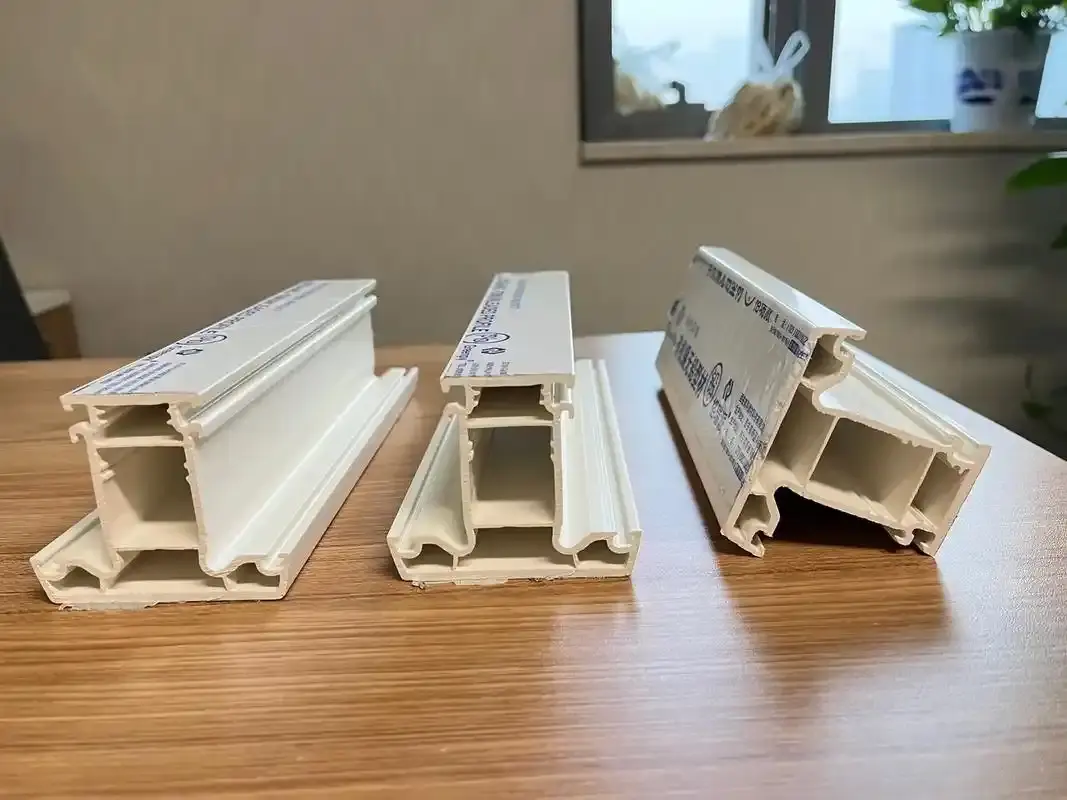
Maintenance and Longevity: Maximizing the Value of uPVC Door and Window Profiles
Routine Care Across Environmental Conditions
Cleaning every so often keeps things looking good and working well with little work. Soft cloths and mild detergents can be used to get rid of built-up dirt and pollution without hurting surface finishes or weatherseals. By staying away from rough cleaners and strong acids, you can protect co-extruded cap stocks and laminated wood grain films that add colour and texture, stopping them from breaking down too quickly and losing their good looks.
Maintaining drainage channels stops water from building up, which can freeze in cold places and bend UPVC door & window profiles or put stress on window seals. During yearly checks, it only takes minutes per unit to clear out the weep holes of debris and make sure that the drainage paths stay clear. This easy maintenance task keeps moisture management systems working as they should, which stops expensive problems with water getting in and extends their useful life.
Hardware grease keeps things running smoothly and stops them from wearing out too quickly. Multi-point locking systems, hinges, and roller assemblies work better when the right lubricants are used as directed by the maker. Fixing small practical problems right away, like locks that won't open or doors that won't close, stops bigger problems from happening and keeps the building safe while it's being used.
Addressing Common Performance Issues
UV exposure causes discolouration that builds up over years in profiles that don't have enough stabilisers. While high-quality systems keep their colour for decades, lower-grade materials may yellow or chalk, especially in sunny southern regions. Cleaning the surface can sometimes briefly make things look better, but features that are badly damaged may need to be replaced. This problem won't happen during the normal lifetime of a building if UV-stabilized formulations are specified during purchase.
When a weatherseal breaks down, it lets more air or water through. When made correctly, EPDM gaskets usually stay flexible for decades, but cheaper materials rigid in just a few years. Replacement seals bring back the original performance at a low cost compared to replacing the whole unit. This makes checking the seals on a regular basis worth it to keep the unit energy efficient and the people who live in it comfortable.
Within normal temperature ranges, thermal distortion doesn't usually affect quality profiles. However, extreme conditions or bad fitting can cause twisting that makes it impossible to use. Most warping problems can be avoided by making sure there are enough gaps during installation and using steel reinforcements of the right size. When problems happen, the best way to fix them is to find out what caused them in the first place, whether it was bad fitting, not enough reinforcement, or unusual weather conditions.
Future Trends and Innovations in uPVC Profiles for Construction & Export
Advanced Chamber Geometries and Material Science
The next wave of chamber designs use computational fluid dynamics research to get the best thermal performance with the least amount of material. Asymmetric chamber setups put insulated spaces right along the main heat flow lines. This makes the U-values higher without increasing the profile depth, which decreases the glazing area. These changes to efficiency help buildings meet the stricter UPVC door & window profiles energy rules that are being put in place across developed markets.
Integrating recycled materials meets the requirements of the green economy without lowering performance. Advanced technologies for sorting and cleaning allow used materials to be added to new profile extrusions. This cuts down on the need for new plastic while keeping the structural and aesthetic qualities. Building rating systems are rewarding recycled material more and more, which gives sellers who are building these skills a competitive edge in the market.
Smart Technology Integration
Embedded sensor networks turn inactive window frames into active parts of building management. Temperature, humidity, and air quality monitors built into profile holes send data streams to the HVAC system that help it work better, using less energy and making people more comfortable. Integration with building management systems lets shade and air flow be controlled automatically based on current conditions.
For electrochromic glazing to work, the frames must be made in a way that allows for wires and control connections. Low-voltage wires connect smart glass panels to power sources and control networks through profile chambers, which act as routing routes. As the price of electrochromic technology goes down, frame systems that allow these integrations make projects ready for future updates without having to replace all of the windows.
Regulatory Evolution and Market Dynamics
Energy codes are getting stricter in more places, which is driving the need for better fenestration systems. Multi-chamber profiles with advanced glass setups help projects meet regulations without having to use costly alternatives like lowering the ratio of windows to walls, which can hurt the building's design and the benefits of natural light.
As big investors and corporate renters look closely at environmental effects, sustainability reporting requirements affect the choices made about which materials to use. Green building goals, which are becoming more important in renting choices and property values, are in line with products that have environmental product statements, lifecycle studies, and third-party certifications. When environmental performance is a factor in buying choices, suppliers who provide thorough sustainability paperwork have an edge in markets where that matters.
Conclusion
To choose the best UPVC door & window profiles for foreign building, you need to carefully look at how well they keep out heat, how well they hold up, how reliable the supply chain is, and how much they cost over their whole life. Multi-chamber designs with the right kind of reinforcement can handle a wide range of climate conditions and offer placement freedom through modular building methods that lower the cost of supplies. The success of a project rests just as much on the skills of the supplier, such as their list of certifications, professional support resources, and the consistency of their manufacturing, as it does on the profile requirements alone.
As building performance standards change and environmental concerns become more important, traditional options will continue to lose market share to polymer systems that are more energy efficient, require less upkeep, and can work with the circular economy. When procurement teams balance these factors while using their buying power and smart relationships with suppliers, they can complete projects that meet both short-term construction needs and long-term goals for building operations.
FAQ
How do I verify profile quality before large orders?
Ask recognised labs for approved test results that cover structural strength, thermal transfer, weathertightness, and accelerated ageing. Independent testing by a third party verifies the performance objectively, going beyond what the maker says. Plan trips to factories to see how things are made, how quality is checked, and how raw materials are handled. Before committing to full project numbers, sample packages let you try and evaluate the UPVC door & window profiles in the field on a small scale.
What certifications matter most for US projects?
Labels from the NFRC cover U-factor, solar heat gain coefficient, and visible transmittance, which are all energy efficiency standards in most places. AAMA approval shows that the building meets the standards for structural performance and weather protection set by the American Architectural Manufacturers Association. Local building offices may need more paperwork, so make sure you know what they are before you apply for a permit.
Can profiles ship as parts that will be put together in the field?
Shipping costs and package size are cut down by a lot with modular delivery. As different items, suppliers offer exactly cut frame members, weatherstripping that has already been installed, reinforcement that has already been put in place, hardware kits, and sealed glass units. Assembling needs the right tools and trained workers, but it saves a lot on shipping costs and makes it easier to fix items that get damaged during transport.
Partner with Haolv Building Materials: Your Trusted UPVC Door & Window Profiles Supplier
Haolv Building Materials has been making specialised products for 18 years and has helped foreign building projects that need reliable UPVC door & window profiles solutions. Our ISO and CE-certified factories use extrusion, precise CNC cutting, and automatic assembly systems to make sure that the quality is the same for both standard and special orders. We know how hard it is for general contractors and developers to coordinate foreign buying, from making sure that technical specifications are met to making sure that logistics are optimised.
Our engineering team is happy to help you with your project by looking over the plans and suggesting the best profile options for your climate and performance needs. In addition to supplying products, we also provide detailed technical parameter specs, installation instructions in multiple languages, and video guides to help your field teams do their best work. Unique building needs can be met with custom colour matching, wood grain laminates, and specialised support designs that don't add to delivery times.
The modular building method we've improved with help from foreign customers cuts down on shipping costs and speeds up the time it takes to install on-site. Order-to-delivery times of 25 to 30 days are possible with enough inventory depth, so your project can stay on track even if it needs a lot of customisation. Get in touch with our export team at kristin@haolvwindows.com to talk about how our UPVC door & window profiles maker skills can help your next project's performance, looks, and budget.
References
1. Building Research Establishment (2021). "Thermal Performance of Multi-Chamber uPVC Window Systems in Variable Climate Zones." Journal of Building Physics, 45(3), 312-334.
2. International Energy Agency (2022). "Energy Efficiency Standards for Fenestration Products: Global Market Analysis and Compliance Strategies." Paris: IEA Publications.
3. American Architectural Manufacturers Association (2020). "AAMA 101: Voluntary Specification for Aluminum, Vinyl (PVC) and Wood Windows and Glass Doors." Schaumburg: AAMA Standards.
4. Sustainable Building Council (2023). "Lifecycle Assessment of Fenestration Materials: Comparative Environmental Impact Study." Green Building Research Quarterly, 18(2), 67-89.
5. National Fenestration Rating Council (2022). "Certified Products Directory: Performance Ratings and Testing Protocols for Residential Fenestration." Silver Spring: NFRC Technical Documents.
6. Construction Supply Chain Institute (2021). "Optimizing International Building Materials Logistics: Container Utilization and Modular Assembly Strategies." Global Construction Management Review, 14(4), 125-147.
Fast simple channel to send demands lock favorable price for building window door bulk purchases.