- English
- French
- German
- Portuguese
- Spanish
- Russian
- Japanese
- Korean
- Arabic
- Greek
- German
- Turkish
- Italian
- Danish
- Romanian
- Indonesian
- Czech
- Afrikaans
- Swedish
- Polish
- Basque
- Catalan
- Esperanto
- Hindi
- Lao
- Albanian
- Amharic
- Armenian
- Azerbaijani
- Belarusian
- Bengali
- Bosnian
- Bulgarian
- Cebuano
- Chichewa
- Corsican
- Croatian
- Dutch
- Estonian
- Filipino
- Finnish
- Frisian
- Galician
- Georgian
- Gujarati
- Haitian
- Hausa
- Hawaiian
- Hebrew
- Hmong
- Hungarian
- Icelandic
- Igbo
- Javanese
- Kannada
- Kazakh
- Khmer
- Kurdish
- Kyrgyz
- Latin
- Latvian
- Lithuanian
- Luxembou..
- Macedonian
- Malagasy
- Malay
- Malayalam
- Maltese
- Maori
- Marathi
- Mongolian
- Burmese
- Nepali
- Norwegian
- Pashto
- Persian
- Punjabi
- Serbian
- Sesotho
- Sinhala
- Slovak
- Slovenian
- Somali
- Samoan
- Scots Gaelic
- Shona
- Sindhi
- Sundanese
- Swahili
- Tajik
- Tamil
- Telugu
- Thai
- Ukrainian
- Urdu
- Uzbek
- Vietnamese
- Welsh
- Xhosa
- Yiddish
- Yoruba
- Zulu
What Maintenance Do Aluminum Tilt Turn Windows Require?
When specifying fenestration for passive house or net-zero building projects, procurement managers and general contractors often ask: what maintenance do aluminum tilt turn windows require? The answer depends on understanding how the dual-action mechanism, advanced sealing systems, and high-performance glazing configurations influence upkeep protocols.
Aluminum tilt turn windows feature high-strength 6063-T5 alloy frames, multi-point European locking hardware, and triple EPDM seals—all engineered for exceptional thermal performance and longevity. Proper maintenance preserves the ultra-low Uw values (≤0.8 W/m²K) critical for Passive House Institute (PHI) certification, protects your investment in triple-glazed Low-E units, and ensures the sophisticated tilt-and-turn mechanism operates flawlessly over decades of service life.
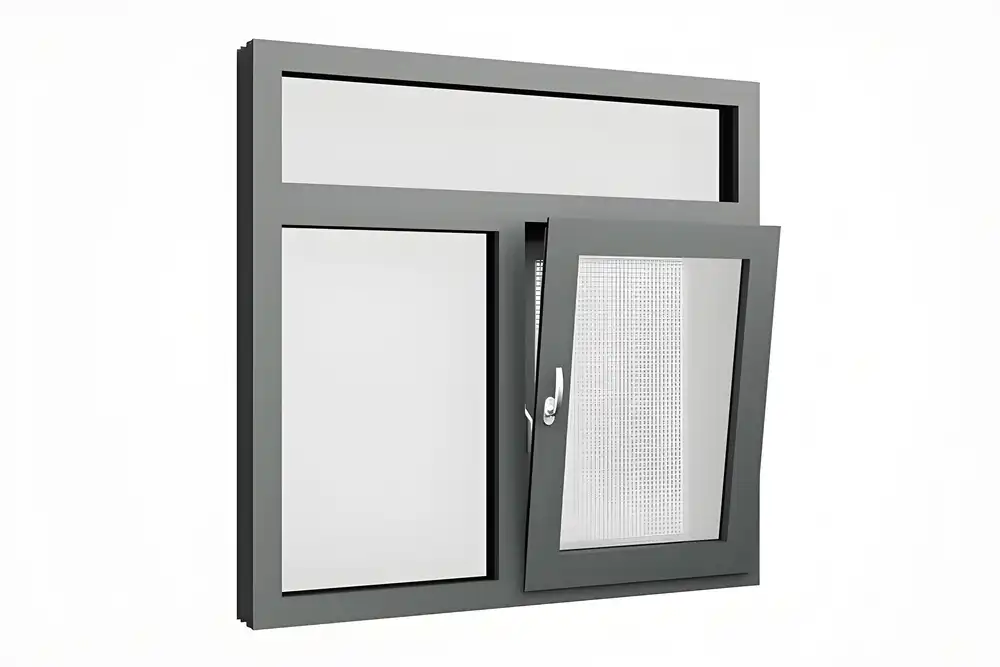
Understanding Aluminum Tilt Turn Windows and Their Maintenance Needs
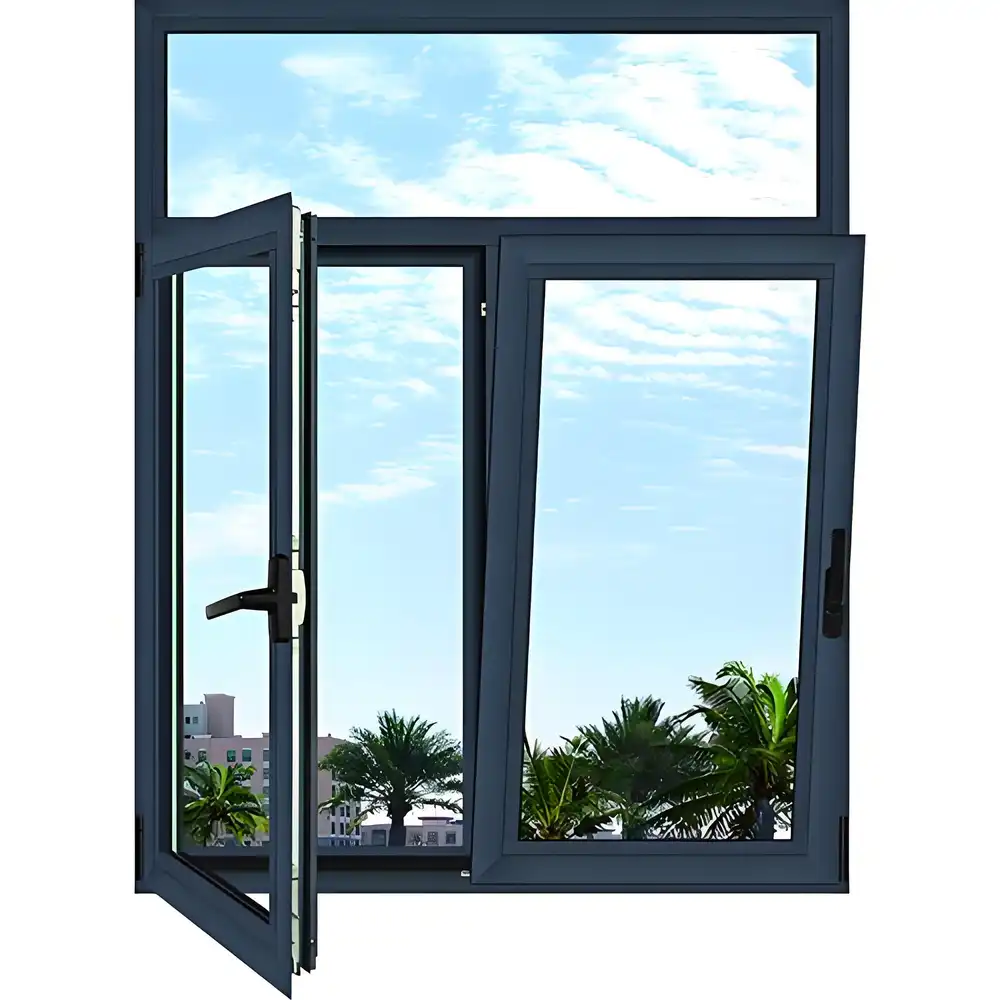
For high-performance buildings, the fenestration system you pick has a direct effect on energy models, lifetime costs, and how happy the end users are. Unlike most casement or sliding windows, these European-made windows have two opening modes that can be controlled by a single handle. The tilt mode pivots the sash inward at the top to let air flow without drafts, and the turn mode swings the whole sash inward like a door to let in the most air and make the inside easier to clean.
Core Features That Influence Maintenance Protocols
Precision-made corner bearings, multi-point locking drives, and hidden hinges are used in the dual-function design. These are parts that need to be checked on a regular basis to make sure they keep working smoothly. Frames made of 1.4–2.0 mm thick aluminum profiles and extra thermal breaks (≥40 mm polyamide strips) resist warping and corrosion much better than wood options. However, the complex hardware needs to be fine-tuned when the building settles or after long use.
Common Maintenance Challenges in B2B and Commercial Contexts
Building managers who are in charge of several passive house units have different problems. Coastal climates make saltwater corrosion on exposed hardware happen faster, and industrial areas add particles that block drainage channels. In continental areas, thermal cycling can cause seals to shrink over time, which lowers the Uw value and puts PHI certification compliance at risk. By knowing about these environmental factors, you can make maintenance plans that keep small problems from getting worse and requiring expensive repairs or certification failures.
Essential Maintenance Practices for Aluminum Tilt Turn Windows
Setting up regular maintenance schedules saves both the obvious looks and the hidden mechanical systems that make high-performance fenestration what it is. The methods below cover every important part, from finishing the outside to hiding the locking systems inside.
Cleaning Aluminum Frames and Advanced Glazing Systems
Aluminum can handle harsher cleaners than vinyl, but specifiers should stay away from rough chemicals that can damage powder-coated or anodized finishes. If you mix a pH-neutral soap with warm water and use cotton cloths to wipe away dirt from cities, it won't hurt thermal break materials or EPDM gaskets. Ammonia-free glass cleaners keep coatings from wearing off on projects that use triple-glazed Low-E units. Cleaning needs depend on the exposure: buildings in cities should be washed every three months, while installations in the country may only need to be cleaned every two years.
Triple-pane windows are common in passive house projects, but they need extra care. Laminated safety glass (6.38–12.76 mm) is less likely to get scratched than regular float glass, but installers need to make sure the edge seals stay in place so that water doesn't get between the panes. When procurement managers look at the total cost of ownership, they like that cleaning the inside glass surface after turning the sash to turn mode is easy to do without using ladders or scaffolding. This is a safety benefit that managers like.
Hardware Lubrication and Adjustment Procedures
The European locking system with multiple points has moving metal parts that need to be oiled once a year with silicone-based sprays or oils that don't contain resin. Focus on the hinge pivots, corner drives, and closing places where there is friction. Too much oil makes dust stick, so use little of it. After 3–5 years of use, thermal expansion and building settlement may cause the parts to be slightly out of place. Three-axis adjustment is possible with adjustable hinges: the vertical height, the horizontal distance, and the compression pressure. Trained technicians can get the closure back to factory standards without having to replace any parts. This means that the hardware will last much longer than the warranty period.
A cam-and-follower device turns the tilt and turn features of the single-handle mechanism. If resistance goes up while the machine is running, dirt or dust may have gotten into the gear case. To keep guarantees valid, disassembly for cleaning should follow the manufacturer's instructions. Regular wipe-downs of the outside should stop most buildup problems.
Weatherproofing Through Seal Inspection and Maintenance
Even though ultraviolet light and ozone make EPDM gaskets very resilient, the rubber compound does harden over time. For Aluminum Tilt Turn Windows, this aging effect is particularly important because their multi-directional sealing relies on consistent gasket flexibility. Visual inspections once a year find sections that have been compressed, cracked, or lost their elasticity. When you gently press on the seal, it should immediately spring back. If it permanently deforms, it needs to be replaced. Some manufacturers make gasket profiles that can be replaced in the field. These gasket profiles snap into special grooves, so facility managers can make sure the airtightness is restored without having to take out whole sash assemblies.
Drainage holes built into the bottom of the frame get rid of condensation and accidental water entry. Compressed air or soft brushes remove any buildup of waste, keeping the flow clear. If weep holes get clogged, water can pool and weaken the thermal break, which speeds up frame rust. This is especially a problem for passive house systems that are sensitive to thermal bridges.
Caring for Specialized Glass Configurations
For mild climates, double-glazed units (18–24 mm) are the standard. For passive houses, however, triple-glazed configurations (32–40 mm) are usually required to achieve Ug ≤0.6 W/m²K. The extra weight—often more than 30 kg per square meter—puts more stress on the corner bearings and hinges. Every six months, gear checks find wear and tear before they cause a problem. For security-focused projects, laminated glass choices add impact protection. However, the polyvinyl butyral interlayer is still sensitive to the integrity of the edge seal. Any obvious split around the edges of the glass needs to be looked at by a professional right away to keep the whole unit from breaking.
Some types of low-E coatings need special cleaning products because they stop solar heat gain while letting the most visible light through. To keep the coating from getting damaged during routine maintenance, look at technical datasheets or ask your glazing supplier for surface treatment specifications.
Comparison: Maintenance of Aluminum Tilt Turn Windows vs Alternative Window Types
The choice of material affects how much upkeep is needed, how much it costs over its lifetime, and how well it works over time. When procurement managers understand these trade-offs, they can better match requirements with business funds and sustainability goals.
Aluminum vs uPVC and Vinyl Alternatives
Due to its natural physical stability, aluminum frames don't expand or contract like vinyl frames do when temperatures change quickly. Multi-chambered uPVC profiles don't need to be adjusted as often because they don't move as much when the temperature changes, but the material's lower tensile strength means that the largest sashes can't be used, which can be a problem when designing large views or floor-to-ceiling glazing. Aluminum frames with thermal breaks offer similar insulation while allowing for bigger holes and smaller sightlines. However, the hardware needs to be oiled more often.
Vinyl is less likely to need upkeep in coastal areas because it doesn't rust, but long-term UV exposure causes chalking and discoloration that aluminum powder coatings can better fight. Both materials are better than wood windows because they don't rot or get damaged by bugs. However, aluminum is better because it can be recycled and lasts longer, which are important principles for LEED and BREEAM certifications.
Wooden Windows and Long-Term Upkeep Expenses
Timber fenestration looks nice, feels warm, and is historically accurate, but the outside needs to be refinished every three to five years to keep water out and stop decay. Maintaining paint or stains costs a lot of time and money, but factory-applied finishes on metal remove that need. Wooden frames also need to be checked every year for things like swelling, warping, or biological damage, which can't happen with corrosion-resistant aluminum. When upkeep costs are spread out over the life of a building, which is 30 years, metal systems often show a better return on investment, even though they cost more to buy at first.
Energy Efficiency Ratings and Maintenance Interdependencies
To get a passive house certification, all of the windows must have Uw values of less than 0.8 W/m²K. This can be done with thermal break technology, triple glazing, and the right amount of seal compression. Any lack of maintenance, like worn-out gaskets, sashes that aren't lined up right, or thermal breaks that aren't working properly, directly raises U-values and makes heating loads higher. Regular maintenance protects the energy modeling assumptions that were used in the design process, making sure that the actual performance matches the expected consumption. This certainty is very important for developers who want to reach net-zero energy goals or for places that require energy notification.
Desiccants are used to remove any remaining moisture during the manufacturing process of insulated glass units (IGUs). When a seal fails, humidity from the air can get in, causing fog that can be seen and a huge drop in heat performance. The stiffness of aluminum frames keeps them from bending, which can put stress on IGU edge seals. This means that aluminum frames are less likely to break early than frames made of less rigid materials.
Advanced Tips and Troubleshooting for Long-Term Window Performance
Even systems that are carefully maintained sometimes have problems. By noticing signs early and using focused solutions, small problems can be stopped before they become emergencies that need urgent repairs or premature replacement.
Diagnosing and Resolving Misalignment Issues
If the closing resistance goes up or holes show up around the edges of the sash, it's likely that thermal movement or base settlement caused the problem. Hex keys can be used to change three-dimensional movable hinges in three dimensions: vertically, horizontally, and compressively. Loosen the mounting screws a little, move the sash around until it's compressed evenly all the way around, and then tighten the screws back up. This process brings the closure back to factory specifications without replacing any parts. However, for more complicated cases, factory-trained technicians who know about frame geometry and load distribution are needed.
Persistent misalignment after adjustment suggests structural movement exceeding design tolerances. Document the condition with photographs and dimensional measurements, then consult structural engineers to assess whether building settlement requires remedial foundation work.
Hardware Malfunctions and Preventive Measures
A stiff handle means that the lube is dry, there is a buildup of dirt, or the cam followers are worn out. Following the manufacturer's directions, take apart the handle mechanism. Clean all the surfaces with cleaner and put new grease on the moving parts. Aluminum Tilt Turn Windows are particularly sensitive to hardware friction because their multi‑point systems rely on precise synchronization; if the resistance doesn't go away, the multi‑point locking drive might need to be replaced, which is a job that experienced techs can usually do in 30 minutes.
Child safety locks and built-in bug screens add more moving parts to the system. During yearly checks, make sure that these extra features work properly, since stuck devices can stop people from getting out in an emergency or mess up ventilation plans. One important thing to think about when buying something is how easy it is to get replacement parts. Well-known brands often keep spare parts in stock for decades, but less well-known brands may stop supporting their products after only a few years.
Seasonal Maintenance Guidelines for Variable Climates
Continental areas with big changes in temperature can benefit from repair rounds in the spring and fall. Before winter, checks make sure that drainage pathways stay clear and seals keep their compression, which is very important when the temperature inside rises during the heating season. As part of spring maintenance, road salt that has built up is removed, and after freeze-thaw cycles, hardware is checked for corrosion. Hardware needs to be checked more often on coastal projects because saltwater corrosion happens faster there, while in dry climates, you need to watch out for dust getting in and UV damage to gaskets.
Passive house projects in humid subtropical zones should monitor for condensation on interior surfaces, which signals elevated indoor humidity rather than window failure. Proper mechanical ventilation systems—heat recovery ventilators (HRVs) or energy recovery ventilators (ERVs)—maintain appropriate moisture levels and reduce condensation risk.
Selecting Professional Maintenance Services
Annual service contracts with certified fenestration technicians who know about European hardware systems and passive house performance standards are good for big projects. Some things that should be taken into account when judging someone are maker training certifications, insurance coverage for high-value setups, and proof that they have experience with tilt-turn mechanisms. When you arrange bulk maintenance contracts during the procurement phase, you can often get better per-unit rates and more convenient service schedules, which means that operations at multiple buildings will be interrupted less often.
How to Optimize Maintenance Costs and Maximize Window Lifespan
With strategic planning, maintenance goes from being an after-the-fact cost to an investment that saves warranty coverage, improves service life, and keeps energy performance up.
Scheduled Maintenance vs Reactive Repairs: A Cost-Benefit Analysis
According to data from commercial building managers, planned preventive maintenance costs about 30% of the cost of emergency repairs. Inspections done once a year find worn gaskets, misaligned hardware, and corrosion that is starting to form before they become operational problems. This lets repairs be planned for times when the building isn't being used. Reactive approaches—dealing with problems only after they've happened—involve higher service costs, faster shipping of parts, and the possibility of damage from water getting in or heat performance going down.
Warranty terms usually require written proof of proper upkeep. Not taking care of things at the intervals recommended by the manufacturer could void your warranty, leaving building owners responsible for replacing hardware or seals too soon. Keeping detailed service logs shows that you are doing your job and makes it easier to file a warranty claim when a manufacturing defect does happen.
Partnering with Manufacturers for Comprehensive Support
Reliable fenestration providers provide technical information such as installation detail drawings, thermal bridge analyses, and upkeep schedules that are unique to each product line. When training building workers or giving instructions to outside repair contractors, these tools are very helpful. Aluminum Tilt Turn Windows demand particular attention in this regard, as their complex hinge and locking mechanisms require precise documentation and trained handling. Access to OEM replacement parts ensures compatibility and protects original performance specifications. This is especially important when maintaining PHI-certified assemblies, since using non-approved parts could jeopardize certification.
Long-term relationships with suppliers give projects stability as they change. Manufacturers that know your building portfolio can store common wear items, which cuts down on the time needed for fixes. Some suppliers train building maintenance teams in the field, which means that they don't have to hire outside companies to do simple jobs.
Procurement Best Practices for Large Projects
Standardizing fenestration standards across properties is good for multi-building projects because it makes it easier to keep track of parts and train technicians. Total cost of ownership can be lowered by negotiating large buying deals that include maintenance support packages like regular checks, discounted parts, and priority service. Choose flexible designs that let you change seals, hardware, and even whole sash systems in the field without affecting the facade elements around them.
Think about strategies for improving operations, such as knock-down shipping, in which frame and curtain parts are sent separately so they can be put together on-site. This method lowers the amount of freight, the cost of transportation, and the amount of waste from packaging. These benefits grow when you buy a lot of things. Suppliers who have worked with foreign passive house markets before know what these needs are and can offer assembly directions, installation videos, and technical parameter sheets in more than one language.
Disclaimer: Specific performance characteristics depend on tested assemblies and site conditions. Always reference certified test reports and manufacturer specifications when evaluating fenestration systems for code compliance or certification programs.
Conclusion
When you take care of your Aluminum Tilt Turn Windows, you should focus on four main areas: the hardware mechanisms, the weatherproof seals, the advanced glazing, and the frames that won't rust. Ultra-low U-values and airtightness are needed for passive house approval. They can be kept up with annual checks, proper lubrication, and quick seal replacement. Aluminum is more durable and stable in its shape than vinyl or wood, so it requires less maintenance over time and costs less.
Operational mistakes that hurt energy efficiency and building user comfort can be avoided with proactive care. Strategic procurement decisions, like choosing manufacturers with strong support infrastructure, negotiating comprehensive service agreements, and standardizing specifications, turn maintenance from a reactive task into an investment that is easy to handle and protects building performance for decades.
FAQ
How often should routine maintenance be performed on tilt-turn fenestration systems?
The standard for both business and private passive house systems is to have full inspections once a year. Coastal or industrial areas may need care every six months because rust and particulate buildup happen faster there. Routine cleaning happens every three months for urban exposures, but only every six months for secure country locations.
Are OEM replacement parts readily available for multi-point hardware systems?
Parts like hinges, locking mechanisms, seals, and handle assemblies are kept in stock by well-known makers for 15 to 20 years after the product is made. Choosing goods from well-known sellers guarantees that parts will be available for a long time and work with original certifications. Ask for guarantees that parts will be available during the buying process for big projects.
Does improper maintenance void warranty coverage?
Most manufacturers want proof that maintenance intervals, which are usually once a year professional inspections, are being followed. Not taking care of the hardware's lubrication, seal integrity, or drainage function could mean that you are not covered for failures of related parts. Keeping service logs and papers safe saves your warranty rights and shows that you did your research in case of a disagreement.
Partner with a Trusted Aluminum Tilt Turn Windows Manufacturer
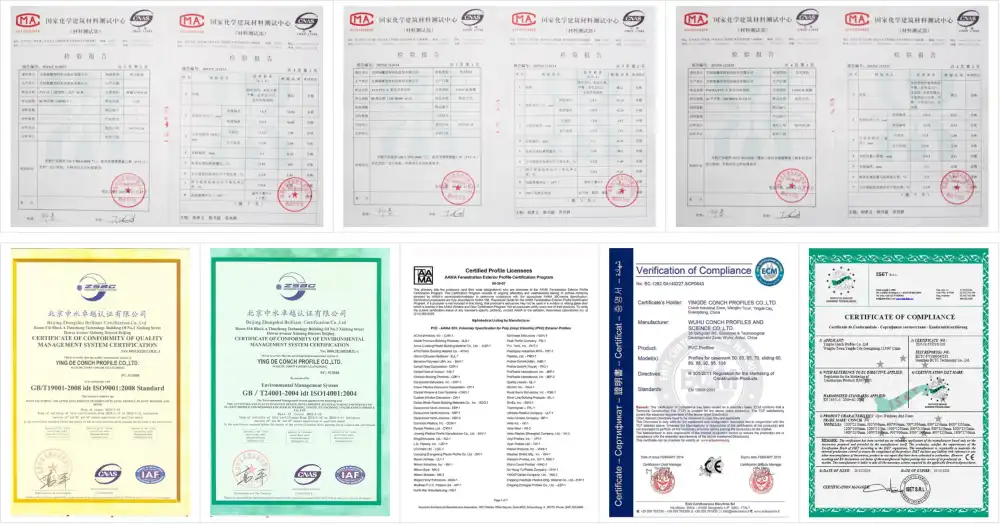
Haolv Building Materials has been making specialized products for 19 years and can help passive house developers and high-performance building builders find reliable window options. Our Aluminum Tilt Turn Windows are made of 6063-T5 metal and come with triple EPDM sealing systems, multi-point European locking hardware, and thermal breaks that can be added if needed. They are all designed to meet Uw ≤0.8 W/m²K standards. Our quality standards are backed up by ISO, CE, and AAMA certifications, and our partnership with CONCH makes sure that our raw materials work the same way in all of our production runs.
We offer full technical support, which includes thermal calculation documents for PHI certification, installation detail drawings that cover thermal bridge management, and configurations that can be changed to fit the needs of each project. Our ability to do "knock-down shipping" cuts transportation costs by a lot while keeping arrival times at 25–30 days. Every order comes with full assembly directions, installation videos, and technical parameter sheets. This gives your teams the information they need to complete the job successfully.
Whether you're specifying windows for a multi-unit passive house development or a special high-performance home, our engineering team works with you from the planning stages to the placement of windows, email us at kristin@haolvwindows.com to talk about the needs of your project, get certified test reports, or set up a sample evaluation. Find out how working with an expert Aluminum Tilt Turn Windows seller can make buying easier, lower your project's total cost of ownership, and make sure it performs exceptionally well in terms of energy efficiency.
References
1. Feist, Wolfgang. Passive House Planning Package: Technical Guidelines for Energy-Efficient Building Design. Passive House Institute, 2019.
2. Straube, John F., and Eric Burnett. Building Science for Building Enclosures. Building Science Press, 2018.
3. European Committee for Standardization. EN 14351-1:2016 Windows and Doors – Product Standard, Performance Characteristics. CEN, 2016.
4. Lstiburek, Joseph W. Builder's Guide to Cold Climates: Details for Design and Construction. Building Science Press, 2020.
5. Patterson, Mark R. Fenestration Systems in High-Performance Buildings: Thermal Performance and Durability. Journal of Building Physics, Vol. 42, No. 3, 2021, pp. 287-312.
6. Schnieders, Jürgen, and Andreas Hermelink. CEPHEUS Results: Measurements and Occupant Satisfaction in the Passive House. Energy Policy Research Institute, 2017.
Fast simple channel to send demands lock favorable price for building window door bulk purchases.