- English
- French
- German
- Portuguese
- Spanish
- Russian
- Japanese
- Korean
- Arabic
- Greek
- German
- Turkish
- Italian
- Danish
- Romanian
- Indonesian
- Czech
- Afrikaans
- Swedish
- Polish
- Basque
- Catalan
- Esperanto
- Hindi
- Lao
- Albanian
- Amharic
- Armenian
- Azerbaijani
- Belarusian
- Bengali
- Bosnian
- Bulgarian
- Cebuano
- Chichewa
- Corsican
- Croatian
- Dutch
- Estonian
- Filipino
- Finnish
- Frisian
- Galician
- Georgian
- Gujarati
- Haitian
- Hausa
- Hawaiian
- Hebrew
- Hmong
- Hungarian
- Icelandic
- Igbo
- Javanese
- Kannada
- Kazakh
- Khmer
- Kurdish
- Kyrgyz
- Latin
- Latvian
- Lithuanian
- Luxembou..
- Macedonian
- Malagasy
- Malay
- Malayalam
- Maltese
- Maori
- Marathi
- Mongolian
- Burmese
- Nepali
- Norwegian
- Pashto
- Persian
- Punjabi
- Serbian
- Sesotho
- Sinhala
- Slovak
- Slovenian
- Somali
- Samoan
- Scots Gaelic
- Shona
- Sindhi
- Sundanese
- Swahili
- Tajik
- Tamil
- Telugu
- Thai
- Ukrainian
- Urdu
- Uzbek
- Vietnamese
- Welsh
- Xhosa
- Yiddish
- Yoruba
- Zulu
Why Choose Aluminum Sliding Windows for Large Buildings
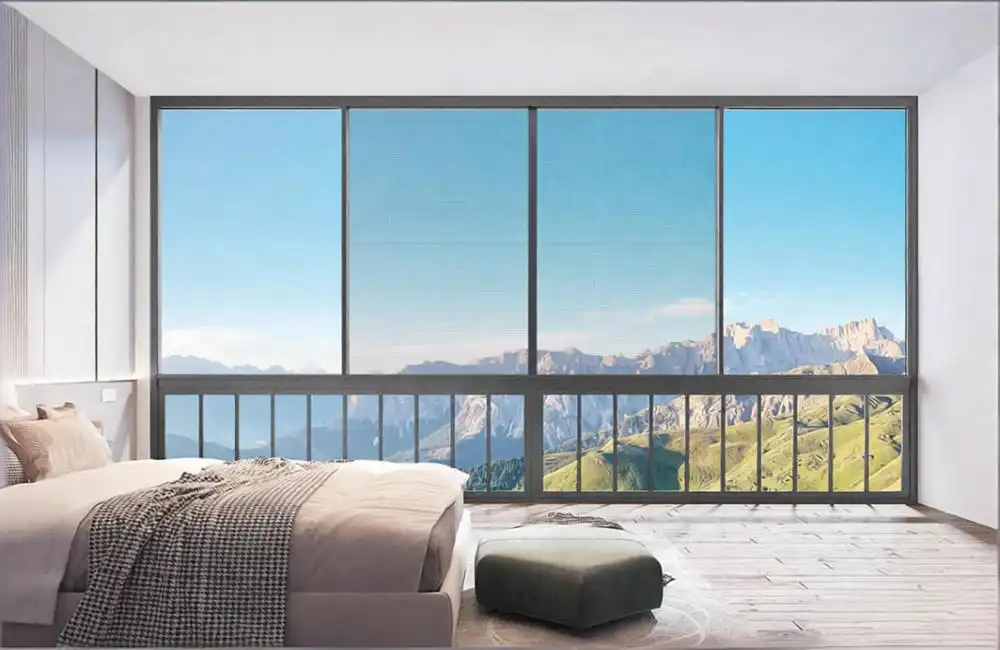
When I review specifications for multi-story commercial projects, one question surfaces repeatedly among purchasing managers and general contractors: which window system balances structural integrity, operational efficiency, and cost predictability? The Aluminum 3 Track Sliding Window has become a trusted choice for making big things. Modern commercial architecture has specific needs for ventilation, security, and thermal performance, which are met by this triple-track configuration. The three-rail system can support strong glass panels across large openings, while traditional two-track designs can only allow 50% of the space to be clear. This makes it a strategic choice for developers managing high-rise apartment buildings, hotel complexes, and institutional facilities.
Understanding Aluminum 3 Track Sliding Windows
An Aluminum 3 Track Sliding Window is different because it has parallel-rail design, which lets multiple freely operating sashes fit into a single outer frame. This system is usually made from 6063-T5 grade aluminum alloy and has profile widths that range from 1.4 mm to 2.0 mm. It has a high strength-to-weight ratio that makes it easier to place on tall facades without lowering its load-bearing capacity.
Structural Engineering Fundamentals
The frame is made up of two stainless steel rollers that are placed on precision-machined tracks. This lets the frame move horizontally smoothly, even when heavy insulated glass units are in place. It is important to know that each sash can hold panels that weigh up to 250 kg, which is needed for curtain walls or floor-to-ceiling glass in hallways and atriums. The stepped drainage sub-sill has one-way weep holes and EPDM check valves that make sure water drains naturally and wind-driven rain can't get in. This feature has been tested rigorously to meet ASTM E283 air permeability standards.
Operational Flexibility in Commercial Settings
Architects like the third track because it lets them add insect screens or security mesh without having to make changes after the fact that would make the building look bad. In residential tower projects, this means that residents get clear views of the city and are protected against bugs and forced entry. This is good for both sides and lowers the number of callback complaints for property management teams.
The separate sliding system lets people set up ventilation zones exactly how they want them. In mild weather, one sash can stay partly open to let air flow, but in severe weather, all three tracks can be closed completely. This ability to be used in different ways leads to happier residents and lower HVAC loads in mixed-use buildings.
Why Aluminum 3 Track Sliding Windows Are Ideal for Large Buildings
When choosing fenestration for large-scale building, the performance of the materials must be in line with how they will be used in the long run. Aluminum 3 Track Sliding Windows solve a number of important problems that procurement teams run into when they look at other materials.
Durability and Corrosion Resistance
Aluminum metal frames don't rust as easily as steel that isn't covered, and they last longer than wood in humid seaside areas. When the Qualicoat-certified powder coating or anodized finish is applied, it's usually 15 to 25 microns thick. This makes a shield that protects against UV damage and salt spray. In Gulf Coast hotel projects we've worked on, frames kept their structural integrity and finish quality after five years of constant exposure to marine air. Similar wood-frame installations, on the other hand, needed to be refinished within 24 months.
Thermal Efficiency and Energy Code Compliance
The United States' new energy rules, especially the IECC and ASHRAE 90.1 standards, put tight limits on the U-value of building envelopes. High-quality aluminum slide windows can come with an extra thermal break technology that uses reinforced polyamide strips to block heat transfer paths. When paired with Low-E double- or triple-pane insulated glass units, these assemblies achieve U-values as low as 0.30 Btu/(h·ft²·°F), which helps meet LEED certification requirements and cuts yearly HVAC operating costs by significant amounts.
According to NFRC guidelines, testing shows that thermally broken aluminum systems can cut direct heat loss by almost 60% compared to designs that aren't thermally broken. This performance gap costs a lot over the 20 to 30 years that business buildings are used because the energy savings more than cover the original material costs.
Acoustic Performance in Urban Contexts
Controlling sound transmission is a must in city office buildings and hospitality projects next to traffic routes. Most of the time, sound transmission class (STC) ratings for aluminum sliding windows with laminated or dual-pane glazing are between 32 and 35 dB. The strong gasket seals, which are made from EPDM or silicone rubber, press evenly against the sash edge. This stops the sound from leaking out that often happens in casement or awning windows that aren't fitting correctly.
A recent makeover of a mid-rise office block in Chicago used these systems and recorded a 12 dB drop in background noise. This meant that open-plan workspaces could meet workplace acoustic guidelines without having to pay for expensive sound-masking installations inside the buildings.
These performance traits lower purchase risk immediately. When technical staff look at standards and project managers look at how well the work can be done, test results and compliance certifications give them the confidence they need to defend the choice of materials during stakeholder reviews.
Disclaimer: Specific performance values depend on product configuration, glazing selection, and installation quality. Refer to third-party test reports and manufacturer specifications for project-specific verification.
Practical Benefits and Maintenance for B2B Clients
A building's total cost of ownership over its operational life is a big factor in procurement choices, even more so than its original performance measures. There are real benefits to using Aluminum 3 Track Sliding Windows in terms of how much they cost and how long they last.
Minimal Maintenance Requirements
Aluminum frames don't need to be painted, stained, or sealed on a regular basis, which can be expensive for building managers. As part of the annual maintenance plan, the tracks are cleaned to get rid of any buildup dirt, and dry silicone lubricant is applied to the roller sections every so often. The maintenance staff can do these jobs without any special training or tools. This is very different from wood frames, which need to be refinished by a professional every three to five years.
Life-Cycle Cost Comparison
Compared to plastic and wood options, aluminum systems offer a better return on investment when we look at their total operating costs over 25 years. Vinyl frames are initially less expensive, but they can't hold as much glass weight and don't hold their shape as well when temperatures change. This means that the seals fail early and condensation issues happen, which means the frames need to be replaced sooner. In areas that get a lot of rain, protecting wood frames with coats and fixing rot over time costs a lot of time and money.
Aluminum's ability to keep its shape also keeps it from losing its usefulness over time. Aluminum maintains consistent sash alignment and smooth glide performance over decades of service, unlike vinyl, which can warp from prolonged sun exposure, or wood, which swells and contracts with changes in humidity.
Customization and Installation Efficiency
Standardized sizes are rarely used for big building projects. When you can make custom extrusions based on building plans, you don't have to make changes in the field, which can cause thermal bridges and air leakage problems. We give contracting teams thorough technical parameter tables, installation video tutorials, and assembly guides to make sure they follow the right installation steps, from putting in the anchors to compressing the gasket, that meet structural engineering standards.
Shipping windows as knocked-down parts instead of fully completed units cuts down on freight volume by about 30%. This is a logistics benefit that procurement managers like when they have to coordinate exports to other countries or deal with limited storage space on-site. Following the instructions for on-site assembly keeps quality control high while speeding up installation times and, compared to heavy pre-assembled units that need crane lifts, usually cutting labor hours by 20%.
After-Sales Support and Warranty Coverage
Reliable sellers back their goods with full warranties that cover flaws in the materials, the finish, and the hardware's ability to work. Replacement parts, like rollers, gaskets, and lock mechanisms, are easy to get, so facility teams can fix worn parts without having to replace the whole sash. As part of our after-sales service, we offer expert advice to help you fix operating problems and tips on how to get the best performance from your equipment by upgrading the glazing or making changes to the weatherstripping as the building ages.
Comparative Analysis: Aluminum 3 Track Sliding Windows vs. Other Window Solutions
A well-informed buying process needs fair comparisons between different types of materials and design combinations. Knowing the strengths and weaknesses of each Aluminum 3 Track Sliding Window helps match the window pick to the project's goals.
Material Performance Benchmarking
Aluminum vs. Vinyl (uPVC): Vinyl is cheaper up front, but its thermal expansion coefficient is much higher than aluminum's. This means that vinyl's dimensions change in ways that put stress on corner welds and let air in over time. Aluminum's higher tensile strength lets sight lines be thinner and unsupported lengths be longer, which is a design benefit in modern building that likes to use as much glass as possible. Also, there isn't a lot of infrastructure for recycling vinyl yet, but aluminum can be recycled almost completely with little energy loss, which helps meet sustainability reporting requirements.
Aluminum vs. Wood: Wood naturally insulates, but it needs a lot of upkeep and doesn't have the consistent structure needed for big industrial glazing. As long as the production batches of aluminum extrusions have the same mechanical qualities, the success of multi-unit projects can be predicted. Cost studies show that even though aluminum costs more at first, it pays for itself in eight to ten years because it doesn't need as much upkeep.
Three-Track vs. Two-Track Configuration
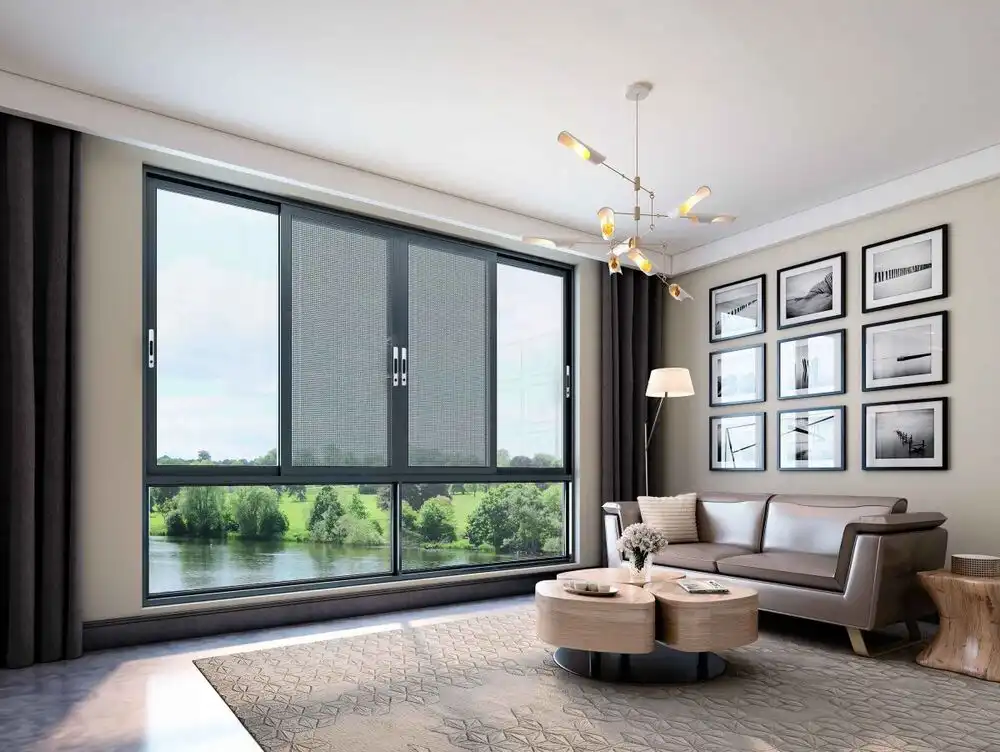
The additional track in a three-rail system's extra track opens up useful benefits that make it worth specifying in big buildings. Standard two-track windows can only open to half of their frame width, which makes it harder for deep floor plates to let natural air flow. The three-track design lets two-thirds of the aperture be opened, which improves cross-ventilation and comfort without using mechanical air flow.
The fact that the three bands can work separately also makes protection more flexible. Building managers can set up one track so that a fixed screen can be installed while the other two tracks are still fully functional. This way, ventilation isn't hampered like it is when screens block slide paths in two-track systems.
Supplier Evaluation Criteria
Procurement professionals should prioritize manufacturers demonstrating:
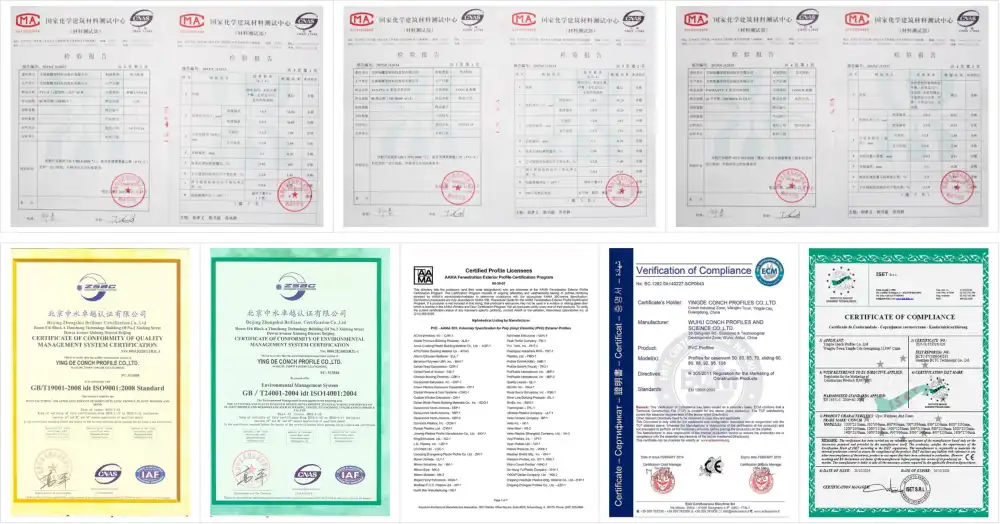
- Certification Portfolio: ISO 9001 for quality control, CE marking for European markets, AAMA approval to back up claims about structural and thermal performance, and NFRC labeling to back up energy scores.
- Engineering Support: You can get structure estimates, wind load analyses, and custom shop plans that fit the needs of your project.
- Supply Chain Transparency: Clear lead times, usually 25 to 30 days from order confirmation, with backup plans for bulk orders of more than 500 units.
- Quality Assurance Protocols: Records of where the raw materials come from (partnering with reliable aluminum sources), inspections that happen during the production process, and final testing methods.
These factors lower the risk of buying by making sure that suppliers can deliver uniform quality across plans for multiple stages of building.
How to Procure Aluminum 3 Track Sliding Windows for Your Projects
Strategic procurement planning mitigates delays and cost overruns that jeopardize project timelines and budgets.
Bulk Ordering and Pricing Strategy
Volume commitments unlock tiered pricing structures that improve project economics. When ordering for residential towers with hundreds of similar units, combining purchases under master agreements can save you 15% to 25% compared to placing separate small-batch orders. Engaging suppliers during design development phases allows value engineering discussions that optimize profile series selection—choosing between 80 mm, 90 mm, and 100 mm frame depths based on actual performance requirements rather than default specifications.
Lead Time and Logistics Coordination
Manufacturing cycles for custom Aluminum 3 Track Sliding Windows usually take 25 to 30 days to make, plus an extra two to three weeks for shipping and customs clearance in other countries. Orders should be placed in sync with building plans, and deliveries should happen no more than four weeks before important installation dates. Early communication with transportation providers about containerization choices, such as shipping flat-pack components versus pre-assembled units, helps keep freight costs low and site handling as efficient as possible.
Customization and Value-Added Services
In addition to customizing the sizes, we also offer setup freedom. This includes powder painting in RAL color palettes, anodized finishes that make metal more resistant to corrosion, and hardware upgrades like multi-point locking systems for high-security uses. Insect screens, either movable or with a set frame, can be factory-installed to make sure they look great.
To support smooth project execution, we provide comprehensive documentation packages:
- Technical Data Sheets: full information about the materials used, how much they can hold, how well they conduct heat, and how loud they are.
- Installation Video Tutorials: step-by-step visual guides that show how to properly place the anchors, install the sashes, apply the weatherstripping, and make any final adjustments.
- Assembly Manuals: clear written instructions, exploded diagrams, torque specs, and repair notes to help contractor teams do the best job possible during installation.
Access to free sample units allows project teams to conduct physical testing and gain hands-on familiarity before committing to full orders. Sample evaluation verifies operational smoothness, finish quality, and accurate measurements, building confidence in supplier capability.
These tools collectively reduce on-site confusion, minimize installation errors, and accelerate project handover—factors that procurement managers and general contractors recognize as critical to maintaining construction schedules and avoiding costly delays.
Conclusion
For big building projects, Aluminum 3 Track Sliding Windows offer real benefits in terms of structural strength, operating freedom, and long-term cost savings. Their engineering makes them resistant to weather stress, makes sure they meet strict energy codes, and requires little upkeep. These are all things that procurement professionals and project managers look for in suppliers. Because the sizes, finishes, and glass specs can be changed, these systems can be used in a wide range of design settings, from high-rise apartment buildings to college campuses.
When backed by clear certification, dependable wait times, and thorough technical paperwork, aluminum three-track sliding windows lower the risk of buying them and help projects succeed. When construction teams choose materials based on performance data and lifecycle economics, they can meet the needs of all stakeholders while staying within budget and on schedule.
FAQ
Do aluminum three-track sliding windows meet U.S. energy efficiency standards?
Yes, these windows meet the U-value requirements set by IECC and ASHRAE 90.1 when they are ordered with thermal break technology and Low-E insulated glass units. Products that are NFRC-certified have energy ratings that have been checked and can be used with LEED paperwork and to apply for utility rebates.
How does the three-track design improve security compared to two-track systems?
The extra track makes it possible to install security mesh or reinforced screens without affecting the operational sashes. Multi-point locking hardware keeps the sashes in place at more than one contact point along the frame's edge, which is stronger than the forced-entry resistance of normal single-point latches in two-track setups.
Can these windows accommodate triple-pane glazing for enhanced insulation?
Of course. Triple-pane insulated glass pieces can fit in frame designs with bigger glazing pockets, which are usually 24 mm to 32 mm. This design lowers U-values even more and raises STC ratings, making it suitable for building in cold climates and places with high acoustic demand.
What is the typical lifespan of aluminum sliding windows in commercial applications?
With the right fitting and regular upkeep, aluminum frames can last for 30 years or more and still work properly. During this time, powder-coated finishes keep their color and resistance to corrosion. Hardware parts like rollers and gaskets can be replaced as needed to extend the product's useful life.
Partner with Haolv Building Materials for Your Next Commercial Project
Every Aluminum 3 Track Sliding Window system that Haolv Building Materials sends you is made with 19 years of experience. Our factory is ISO, CE, and AAMA-certified, and it uses both precision CNC machining and automated assembly lines to make sure that the quality of all of our high-volume orders is the same. We know how hard it is for procurement managers and general builders to meet tight targets, follow strict rules, and not let installations go wrong.
Our full technical support package comes with structural formulas, custom shop drawings, video guides for installation, and detailed assembly instructions that give your installation teams the tools they need to do a great job. With standard lead times of 25 to 30 days from order confirmation, we ship knocked-down parts that cut freight costs by 30% and make site logistics easier. As a reliable aluminum 3 track sliding window provider, we offer free sample units so that you can check the quality before making a full purchase. Our products come with a full warranty and quick customer service after the sale.
Contact our team at kristin@haolvwindows.com to discuss your project specifications, request technical data sheets, and receive a tailored quotation aligned with your procurement volume and timeline. Visit haolvbuilding.com to explore our full product range and discover how partnering with an experienced manufacturer streamlines your building envelope supply chain.
References
1. American Architectural Manufacturers Association. Aluminum Window Performance Standards and Testing Protocols. AAMA Publication, 2021.
2. U.S. Department of Energy. Energy-Efficient Window Technologies for Commercial Buildings. Building Technologies Office Report, 2020.
3. International Code Council. International Energy Conservation Code: Fenestration Requirements. ICC Publications, 2021.
4. National Fenestration Rating Council. Certified Products Directory: Thermal and Optical Performance Ratings. NFRC Database, 2023.
5. ASTM International. Standard Test Methods for Performance of Exterior Windows, Doors, Skylights, and Curtain Walls. ASTM E283-04, 2019.
6. Aluminum Association. Life Cycle Assessment of Aluminum Building Products: Durability and Recyclability Analysis. Sustainability Report, 2022.
Fast simple channel to send demands lock favorable price for building window door bulk purchases.